Levant Time logo
Michel Hajji Georgiou

Michel Hajji Georgiou

Political analyst

Writer, political analyst, and journalist, Michel Hajji Georgiou was director of programs for Voice of Lebanon – Achrafieh (radio and webTV) in 2023, co-founder and former editorial director of Ici Beyrouth (2021-2022), head of the local political desk at L’Orient-Le Jour for five years (2015-2019), a columnist, former editor-in-chief of its annual political supplement (2005-2011), as well as a senior journalist for twenty years (1999-2019) at this daily newspaper. Awarded the Collège Notre-Dame de Jamhour Philosophy Honor Prize in 1998, he received the Gebran Tueni / WAN Prize in 2007 and the Foundation for Human and Humanitarian Rights Prize in 2008 for his work in favor of freedom of expression and opinion. A founding member of several human rights associations and cultural foundations, including Media Against Violence and ALEF, he is notably the author of The Quiet Revolution, a collection of political texts by the late Samir Frangieh, as well as a collection of poetry, From This Broken Hill, dedicated to the memory of the Canadian poet and singer Leonard Cohen, and a forthcoming biography of the late Hassan Rifaï. He currently collaborates as a columnist and political analyst at Levant Time and maintains the blog BeirutUnbound.com.

The Mullahs Caught In Their Own Trap
By
Michel Hajji Georgiou
Published
Feb 28, 2026 - 14:25

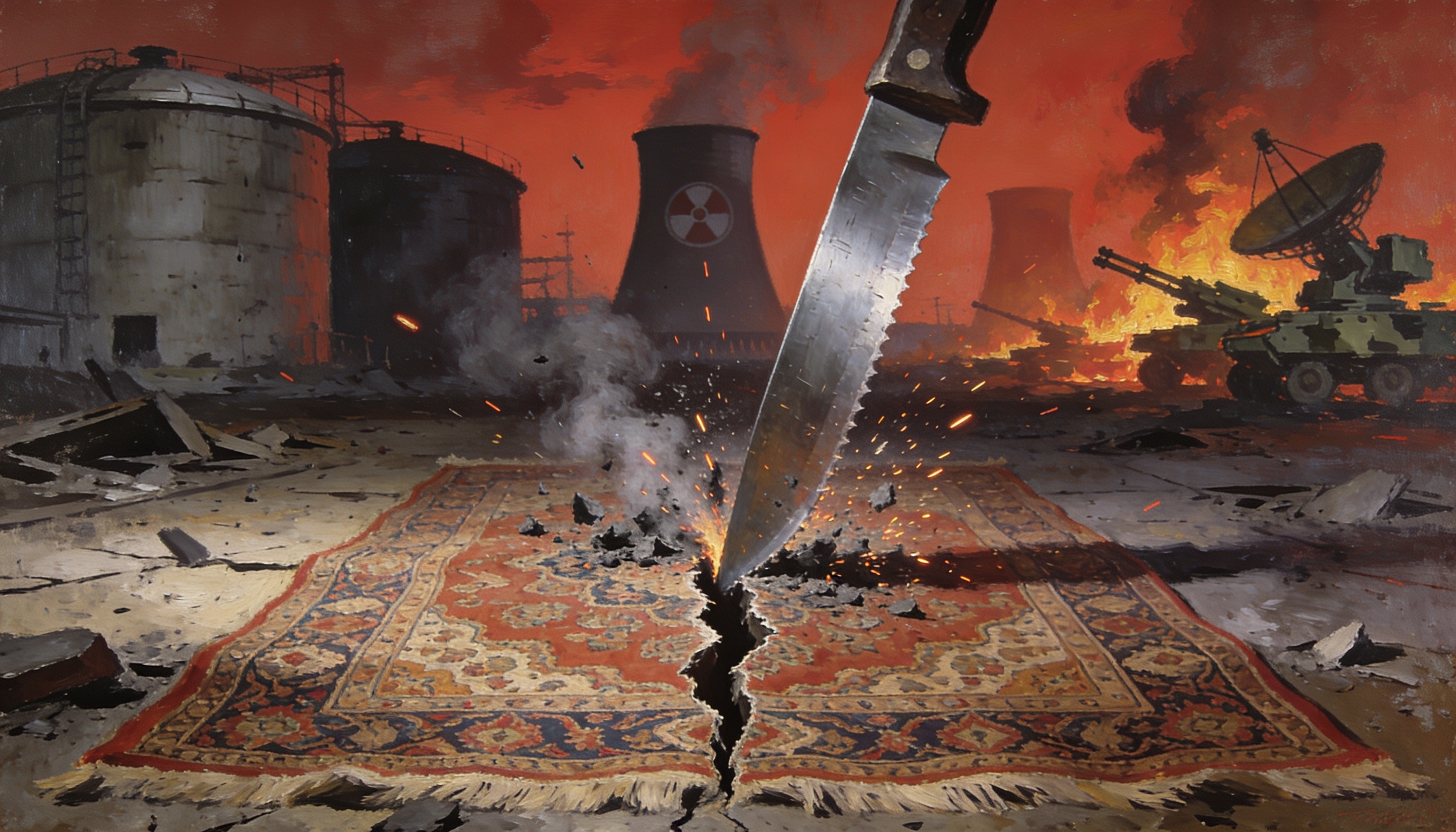
The irony is that Iran's chief diplomat, Abbas Araghji, boasted on the book market about teaching the 'strength of diplomacy.' His diplomatic 'talents' were useless against the common Israeli-US will to put an end to the mullahs' regime. Diplomacy has indeed never been the strong suit of Iranian regimes, for whom the term has meant, for ages, procrastination and duplicity, while secretly, the nuclear program continued despite endless chatter and other agreements. Also impossible, because the chances of an Iran-US agreement were minimal, even insignificant, given Israeli will and a large part of the American pressure groups and think-tanks American think-tanks wanting to put an end to the regime once and for all. Also considering that the latter, with its ballistic program - coupled with its nuclear project - capable of reaching Europe, Russia, and China, was becoming a threat to the entire world.
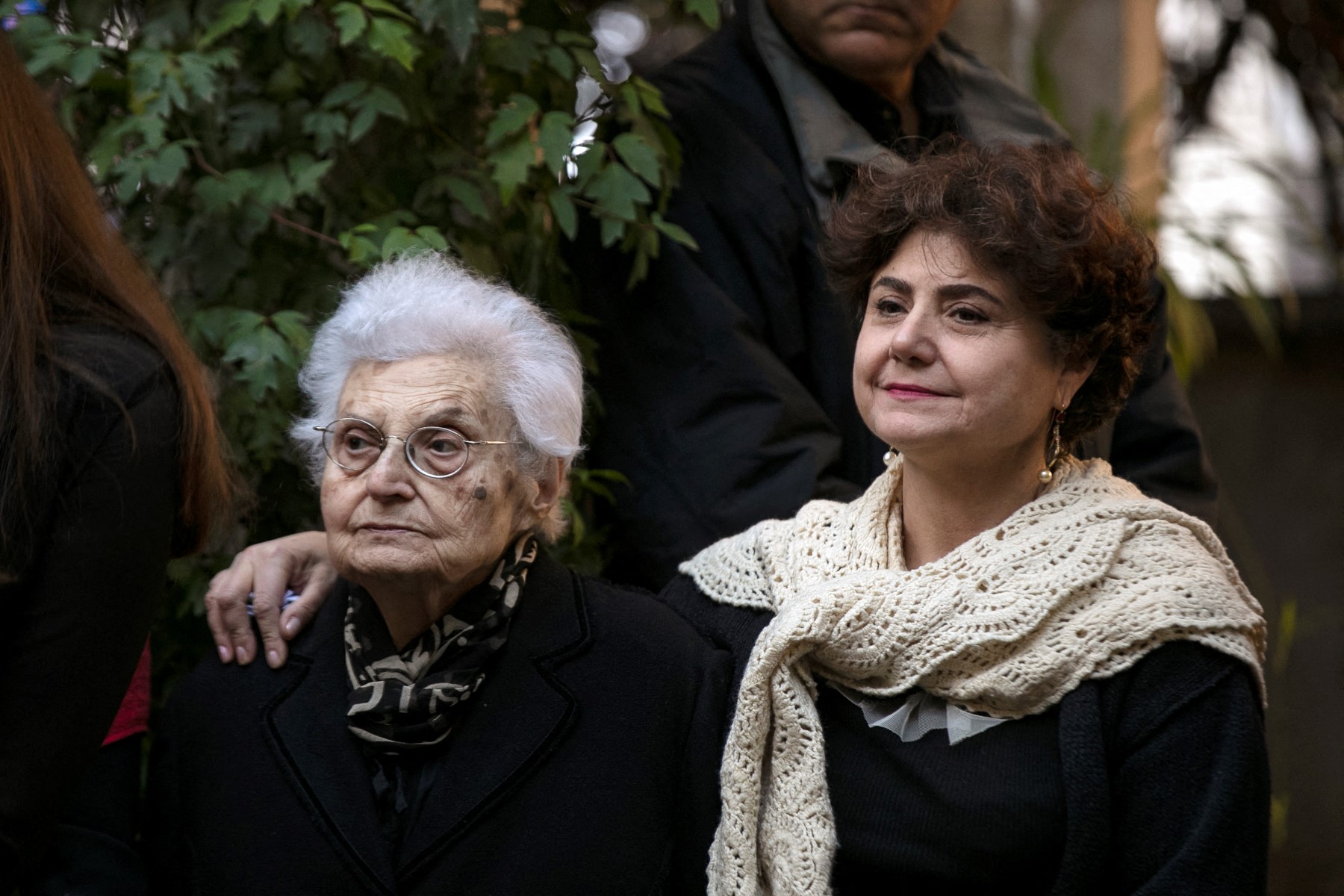
Salma Merchak, Resistance Through the Enlightenment
By
Michel Hajji Georgiou
Published
Feb 24, 2026 - 14:18

It was February 4, 2021, on a bleak winter morning. The body of Lokman Slim, the archetype of the committed intellectual, had just been found in his car, riddled with bullets. One more nail in the coffin of a Lebanon rotten and gnawed to the marrow by Hezbollah’s criminal hubris. Lokman’s abduction the previous day and his subsequent assassination followed a pattern long familiar. In Lebanon, for more than half a century, anyone who dares to challenge the prevailing totalitarian order becomes a potential target for elimination. Intellectuals, in particular, have always been expendable. Their disappearance rarely ignites nationalist fervor, communal solidarity, localist reflexes, or clan outrage, because they command no mobs, no militias, no crowds of blind adherents. In that sense, they are easy prey — and therefore preferred prey.

Lebanese Sovereignty and Sorcerer’s Apprentices
By
Michel Hajji Georgiou
Published
Feb 22, 2026 - 21:22

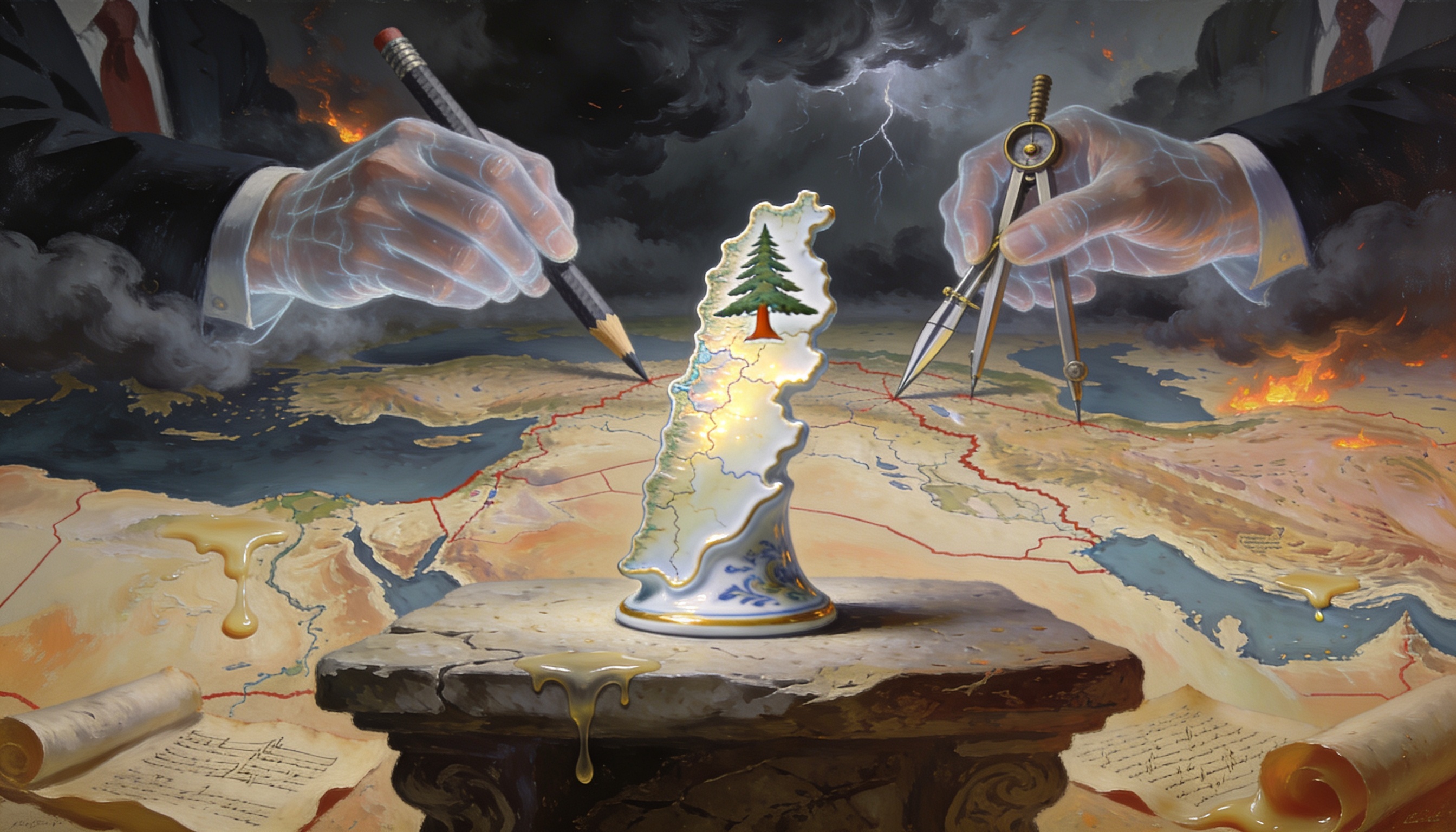
There are moments when a sentence cast into the media storm reveals more than entire treatises of doctrine. When the U.S. ambassador to Israel, Mike Huckabee, declared a few days ago that “it would be acceptable if they took it all,” invoking the notion of an Israel extending, in a biblical reading, from the Nile to the Euphrates, before adding that “Area C is Israel,” he was not merely departing from diplomatic reserve—though that goes without saying—but displaying a political partiality which, if unsurprising given Washington’s near-unconditional alignment with the Hebrew State, remains intolerable in its gravity.

Libya in the fragmented international order (5/5)
By
Michel Hajji Georgiou
Published
Feb 22, 2026 - 11:52

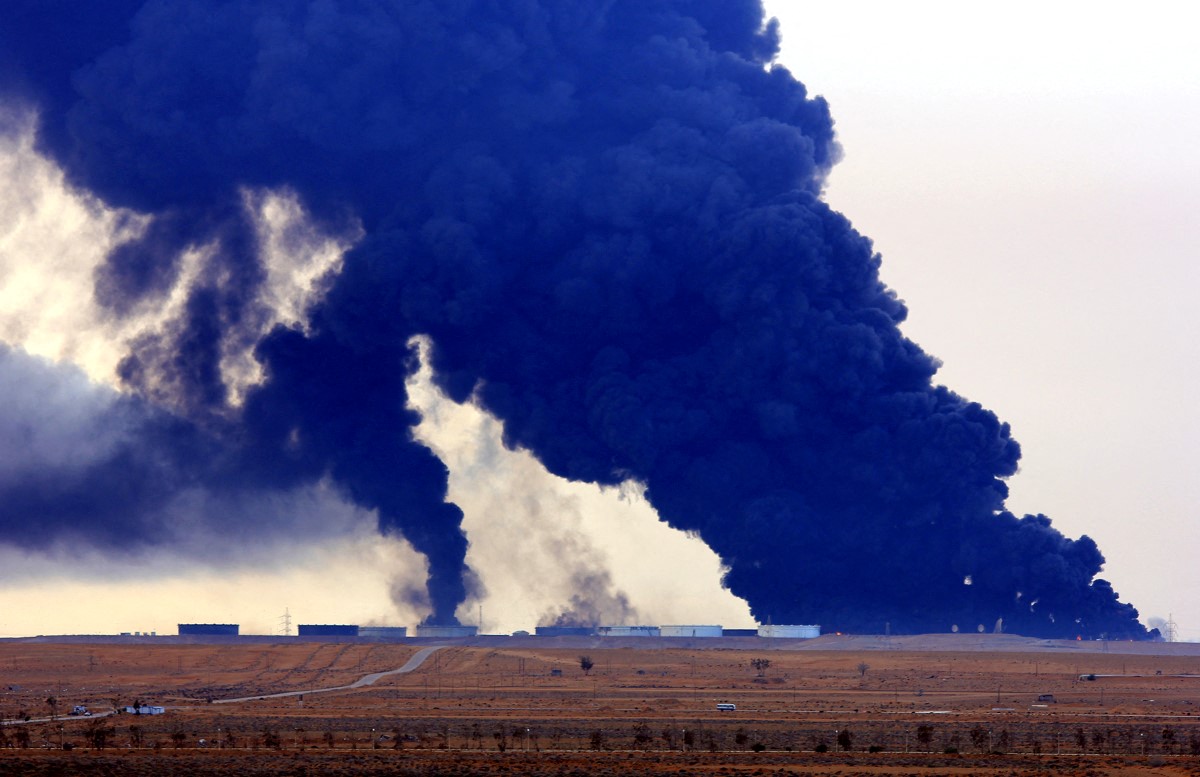
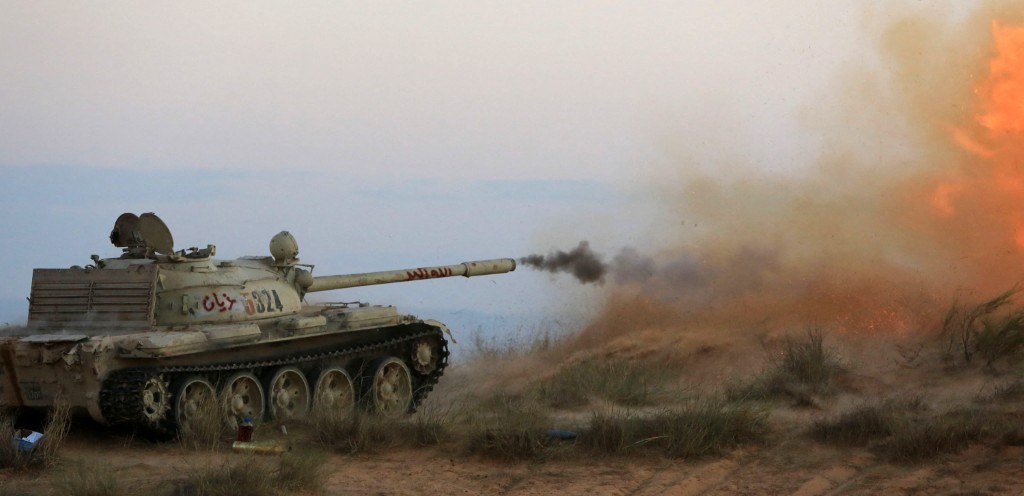
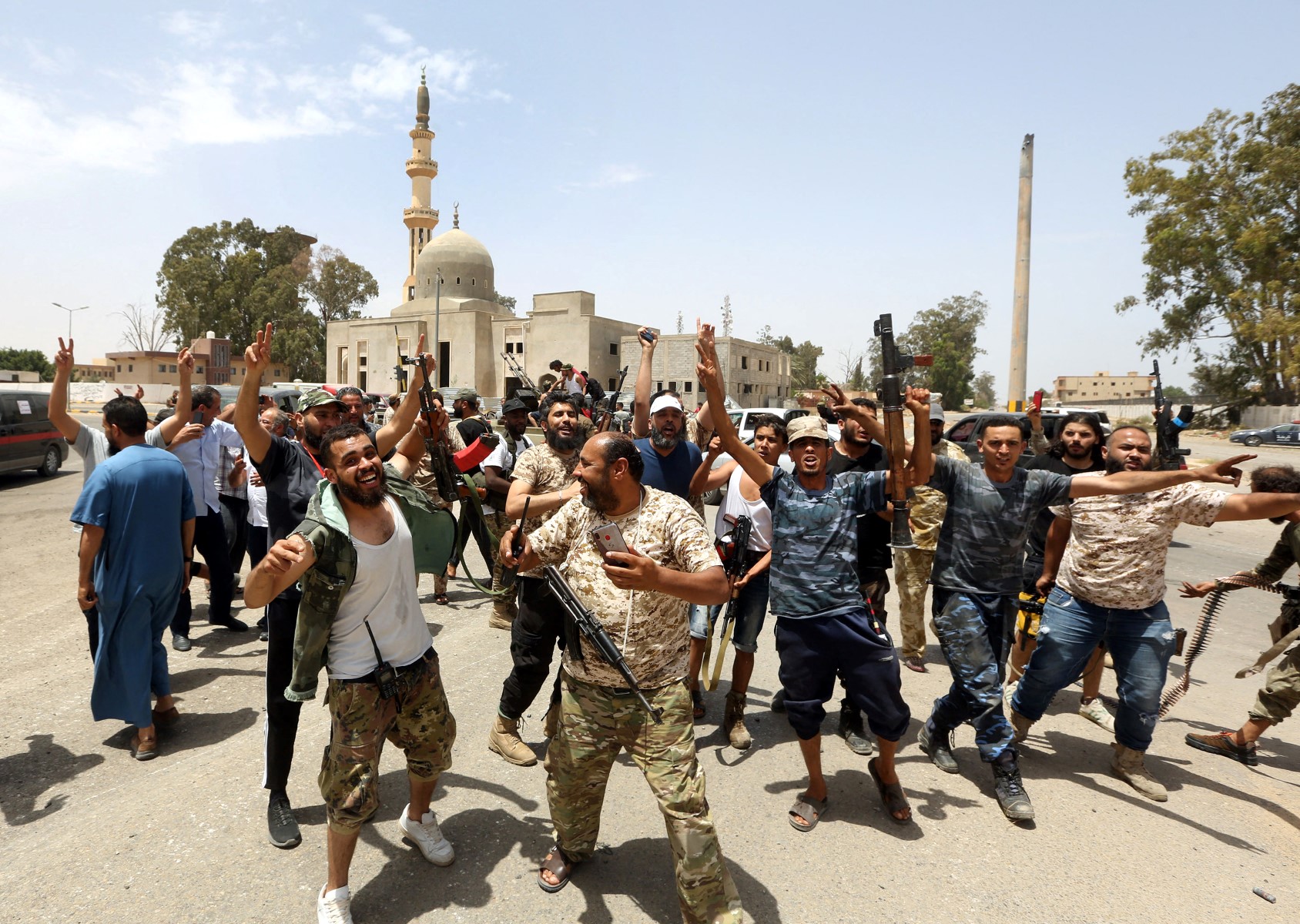
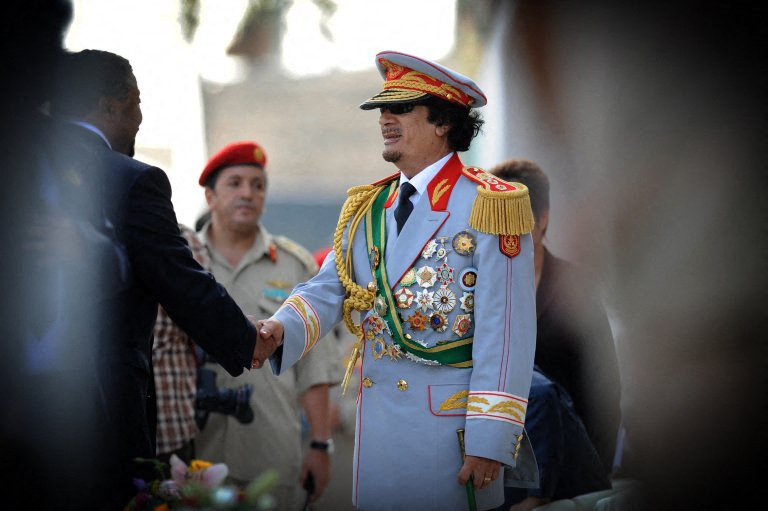
Since the Arab Spring of 2011, Libya has not been undergoing any unfinished transition, but has settled into a durable state of political dissolution. Far from paving the way for a reconstruction process, the brutal disappearance of Muammar Gaddafi's regime, on the contrary, triggered a long sequence of fragmentation, where armed violence progressively replaced the State as the principle of power organization, as in Sudan. This series offers a structural reading of the Libyan war as a stabilized and coherent system in itself, embedded in regional and international rivalries, and now capable of eliminating any political alternative that would not fit into its logic.

Libya, Regional Abscess (4/5)
By
Michel Hajji Georgiou
Published
Feb 20, 2026 - 17:25

The Libyan war ceases to be intelligible when read solely through its internal actors. From 2014, and even more so after 2019, the conflict transformed into a theater of regional projection, where local dynamics serve as supports for strategies that largely exceed them. Libya is thus a fragmented territory, invested, used, and worked from the outside as a malleable space, devoid of effective sovereignty, and, consequently, ideal for indirect wars. Certainly, the rivalry between regional powers alone does not explain the Libyan collapse, but it nevertheless freezes its lines, prevents any endogenous resolution, and transforms every local advance into a variable of a larger game. At this stage, the war no longer only pits Libyans against each other, but competing visions of the regional order, projected onto a territory incapable of absorbing them. The ultimate focal point, like Syria post-2011, or, before, Lebanon between 1975 and 1990.

“Two Libyas” and an Elusive Sovereignty (3/5)
By
Michel Hajji Georgiou
Published
Feb 18, 2026 - 15:36

Since the Arab Spring of 2011, Libya has not been undergoing some unfinished transition but has settled into a lasting state of political dissolution. Far from paving the way for a reconstruction process, the brutal disappearance of Muammar Gaddafi's regime, on the contrary, triggered a long sequence of fragmentation, where armed violence progressively replaced the state as the organizing principle of power, as in Sudan. This series offers a structural reading of the Libyan war as a stabilized and coherent system in itself, embedded in regional and international rivalries, and now capable of eliminating any political alternative that does not fit its logic.

The Libyan Conflict: An Excessive 'Militiafication' of Politics (2/5)
By
Michel Hajji Georgiou
Published
Feb 17, 2026 - 11:24

Since the Arab Spring of 2011, Libya has not been undergoing some unfinished transition, but has settled into a lasting state of political dissolution. Far from paving the way for a reconstruction process, the brutal disappearance of Muammar Gaddafi's regime, on the contrary, triggered a long sequence of fragmentation, where armed violence progressively replaced the state as the organizing principle of power, as in Sudan. This series offers a structural reading of the Libyan war as a stabilized and coherent system in itself, embedded in regional and international rivalries, and now capable of eliminating any political alternative that does not fit its logic.

2011, Libya in the post-state era (1/5)
By
Michel Hajji Georgiou
Published
Feb 16, 2026 - 13:25

Since the Arab Spring of 2011, Libya has not been undergoing just any unfinished transition, but has settled into a durable state of political dissolution. Far from paving the way for a reconstruction process, the brutal disappearance of Muammar Gaddafi's regime instead triggered a long sequence of fragmentation, where armed violence has, as in Sudan, progressively replaced the state as the organizing principle of power. This series offers a structural reading of the Libyan war as a stabilized and coherent system in itself, inserted into regional and international rivalries, and now capable of eliminating any political alternative that does not fit into its logic.

Harirism Confronted with the Challenge of Renewal
By
Michel Hajji Georgiou
Published
Feb 15, 2026 - 17:02

Saad Hariri bears something of a cursed hero from a Greek tragedy. Twenty-one years after the assassination of Rafik Hariri, Saad returns to a city that no longer quite resembles the one he left behind. The centers of decision-making have shifted. He knows this well. Saudi Arabia, which once contributed, under the leadership of Fahd and later Abdullah, to anchoring Rafik Hariri on the Lebanese stage, has for nearly a decade multiplied negative signals toward Saad. Saudi media outlets have widely expressed their dissatisfaction at the prospect of his relaunching his political movement after four years of suspension.

Sudan War: scenarios, fake settlements and strategic deadlocks (4/4)
By
Michel Hajji Georgiou
Published
Feb 8, 2026 - 13:52

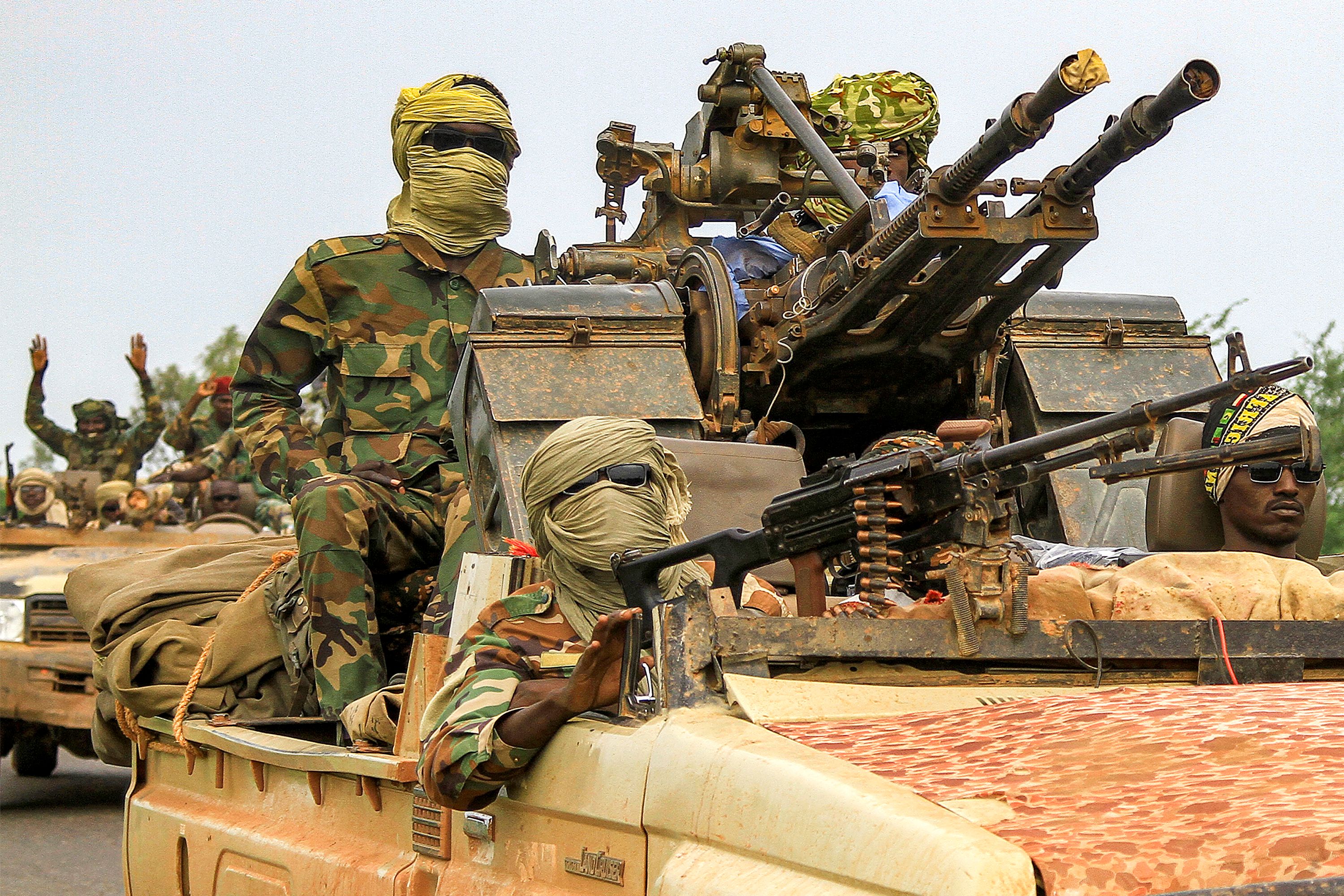
Analytical focus on the war in Sudan which, since 2023, has already resulted in tens of thousands of deaths and millions of displaced people, with a particularly overwhelming human cost in Darfur, where mass violence, sieges, and forced displacement have taken on a dimension that many international actors now qualify as genocidal. The Sudanese war regularly leads to announcements of mediation, imminent ceasefires, and “diplomatic windows.” At almost regular intervals, an international actor thus “rediscovers” the conflict, promises an initiative, or convenes talks. These sequences essentially produce political noise, and sometimes a temporary suspension of fighting on a specific front, but they never alter the structure of the conflict. However, the repetition of the same pattern does not constitute an accidental failure of diplomacy; it is the product of a deeper misunderstanding of the very nature of the ongoing war.