Logotipo de Levant Time
Hisham Dibsi

Hisham Dibsi

"Yemen Dawn": A Turning Point with Lasting Consequences (1)
Por
Hisham Dibsi
Publicado
Oct 10, 2026 - 16:38

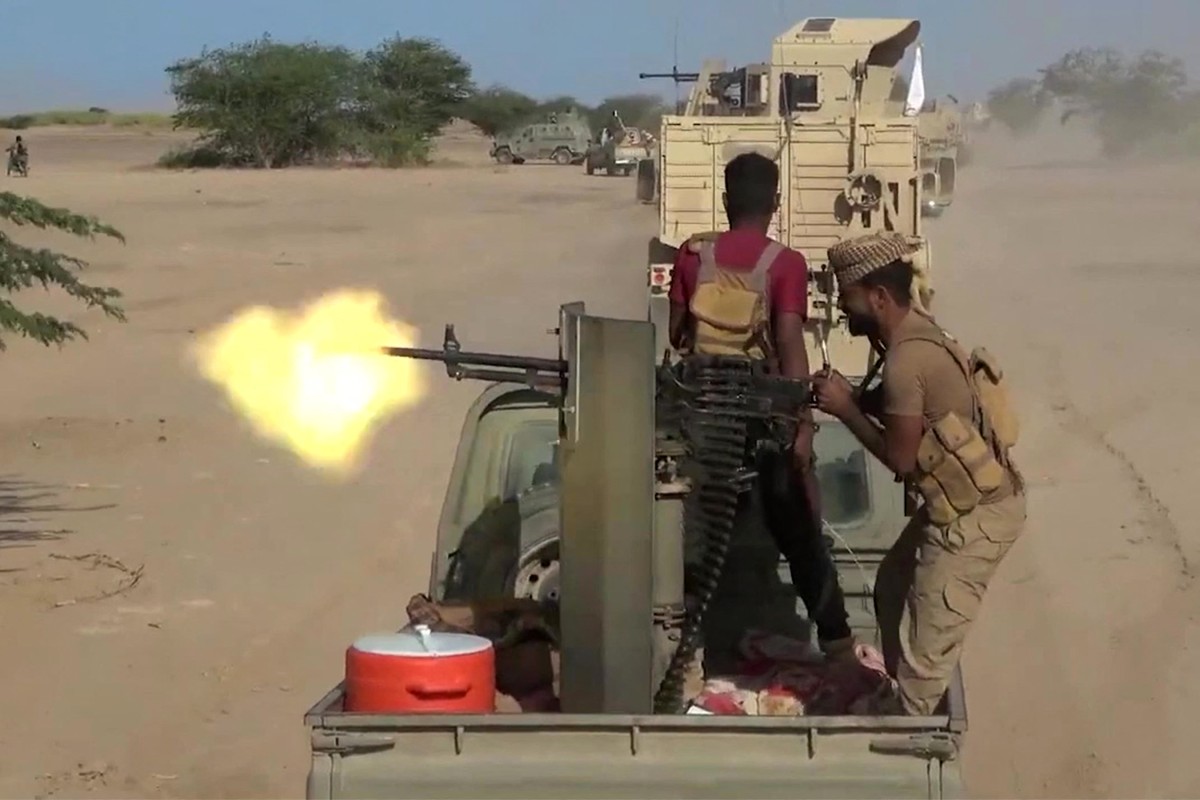
From “Operation Decisive Storm” to “Yemen Dawn” The distance between “Decisive Storm” and “Yemen Dawn” is not merely eleven years of war in Yemen. It is a political and strategic gulf that encapsulates accumulated failures, shifts in the balance of power, and changes in Yemen’s position within the regional conflict, culminating in a moment when the security of the Red Sea and the Bab el-Mandeb Strait has become an integral part of the calculations surrounding the war and its possible outcomes. When Saudi Arabia launched Operation Decisive Storm in March 2015, its stated objective was to restore internationally recognized authority and halt the Houthi advance following their takeover of Sanaa and their push toward Aden. The intervention appeared to be an attempt to prevent the collapse of a political and security arrangement that Riyadh considered essential to protecting its southern borders and preventing Yemen from becoming a base of hostile influence on the kingdom’s southern flank.
Palestine Put to the UN Test
Por
Hisham Dibsi
Publicado
Oct 3, 2026 - 13:02

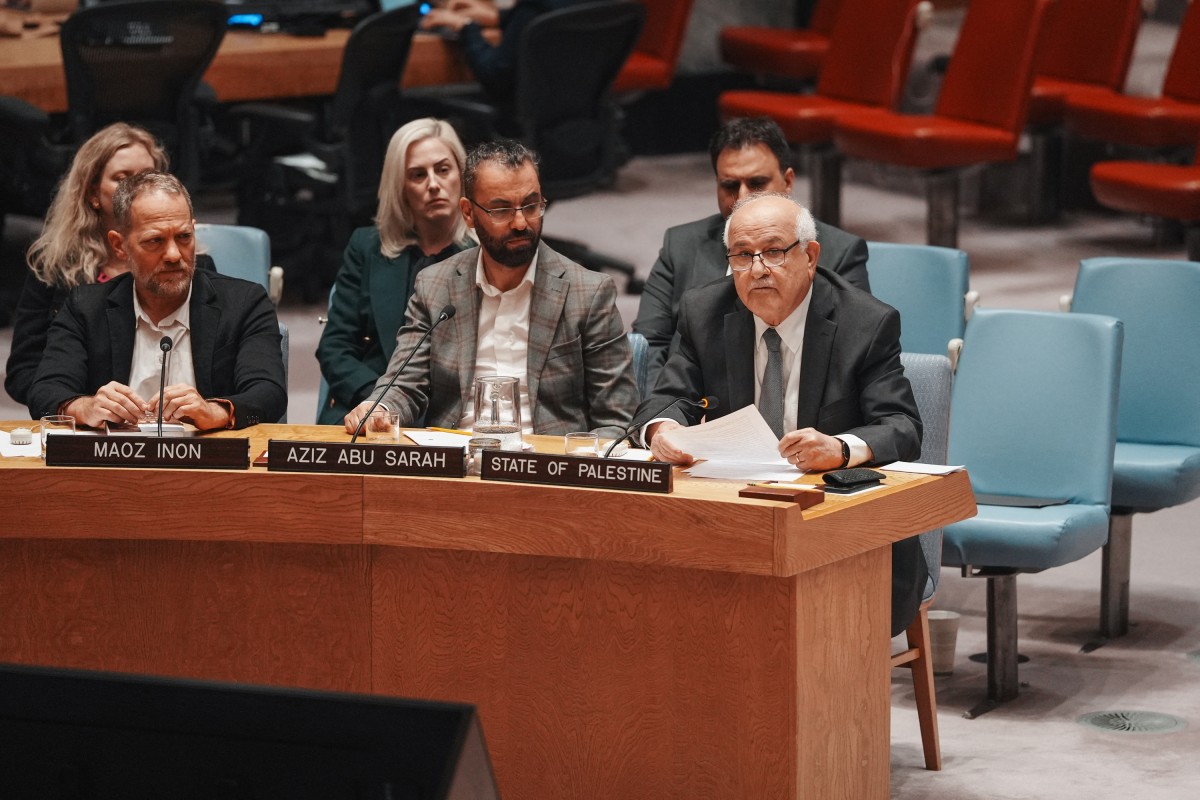
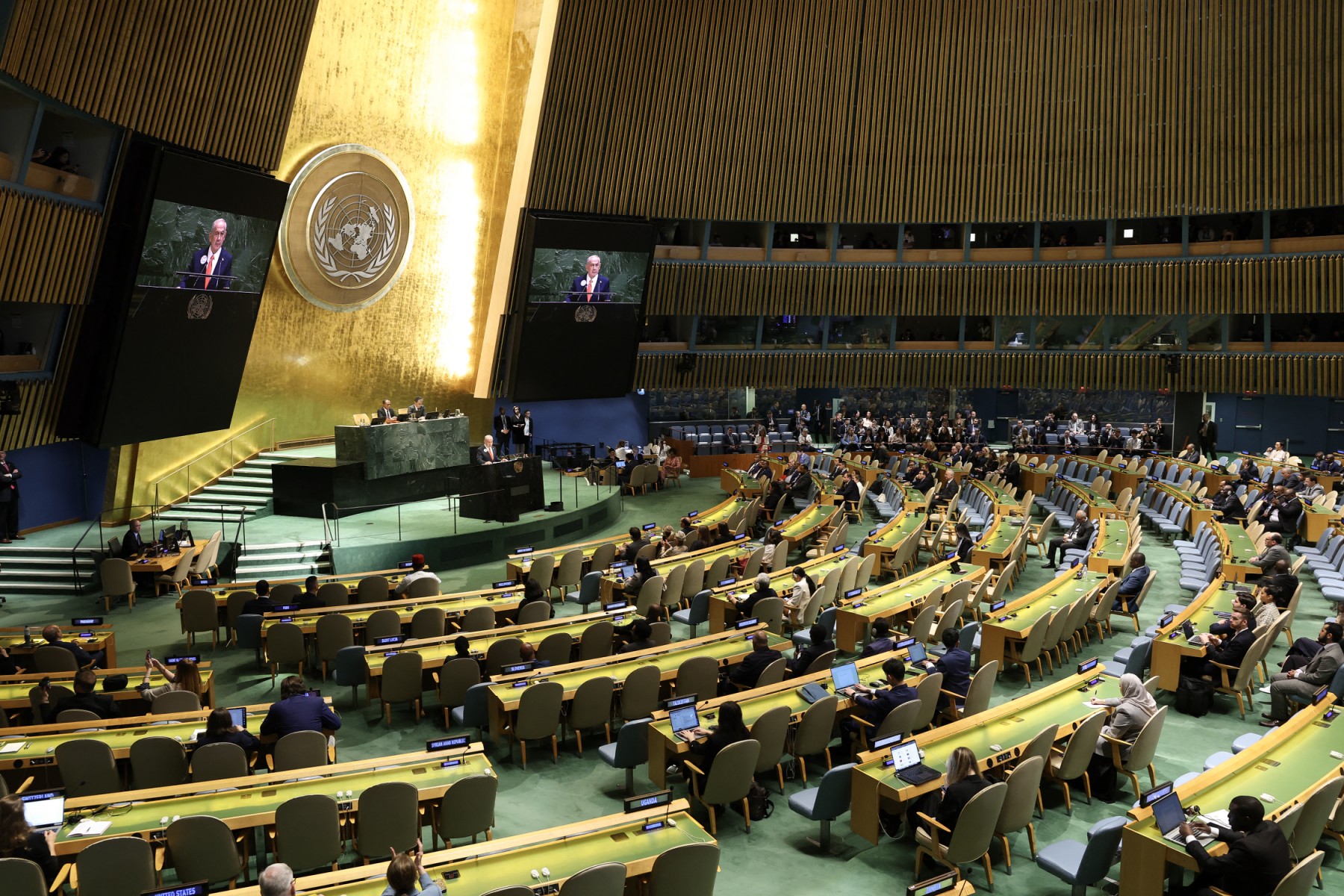
The Israeli prime minister returned from New York disappointed. Only a handful of delegations listened to him, and his speech contained no language suggesting any effort to make peace in the Middle East. He addressed only those whose votes he hopes to secure in the next Knesset elections in order to remain in power. By contrast, the Palestinians achieved a clear political and diplomatic success on this international stage despite their weakness, the siege and the continuing pressure. We therefore witnessed a wave of frenzy in the West Bank, as the olive harvest season coincided with the limited Palestinian achievement secured during the 81st session of the United Nations General Assembly.

Challenges to World Peace
Por
Hisham Dibsi
Publicado
Sep 26, 2026 - 21:54

At this time every year, New York City hosts the largest gathering of elites devoted to discussing issues of world peace and the future of life on this planet. Something akin to a political-media fever takes hold, as the question of the role and function of the United Nations rises in intensity, along with the extent of its ability and authority to fulfill the primary mission assigned to it at the time of its founding. Visible signs of age and deterioration can also be seen in its headquarters, which are in need of renovation. Some, however, believe the building needs to be demolished and comprehensively rebuilt, a necessity imposed by the sweeping transformations the world has undergone over the past eight decades. These developments have left the “Security Council” unable to guarantee world peace, just as it has proved unable to enforce its own resolutions.

The Twin Towers - Manhattan Today
Por
Hisham Dibsi
Publicado
Sep 15, 2026 - 16:54

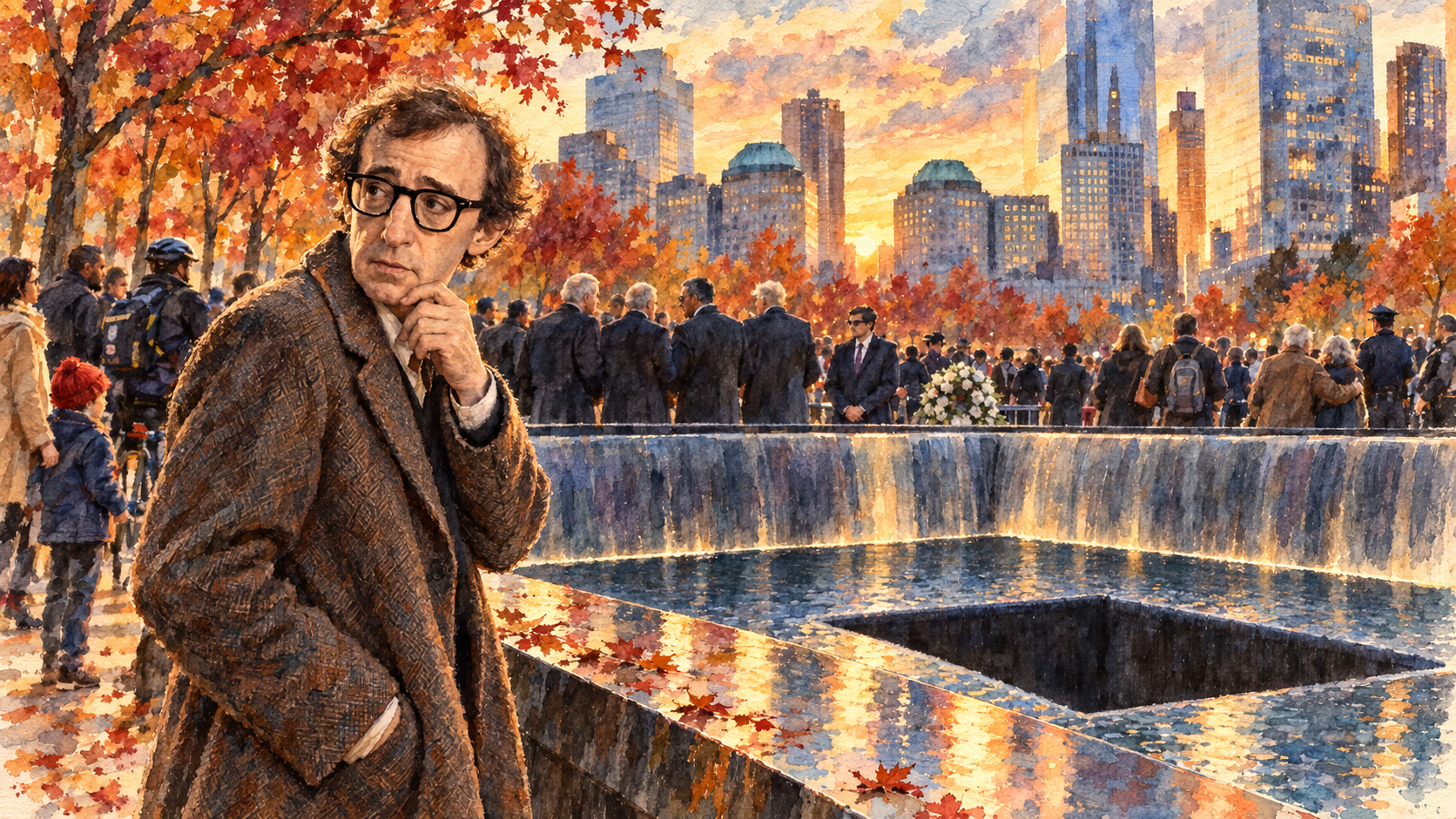
What if Woody Allen had been present this year at the commemoration of the fall of the Twin Towers? He would have thought, watched and listened. He would have observed Bill Clinton, who once heralded the Third Way for the new millennium, while George W. Bush’s eyes might have closed upon the spectacle of the invasion of Iraq, and Obama, the dark-skinned savior, shifted from one policy to another with an ease that matched his physical agility. Beside him, Joe Biden might have been sleeping standing up, his face marked by sadness, age and boredom, like a copy that no longer resembled the original.

Electoral Chatter
Por
Hisham Dibsi
Publicado
Sep 7, 2026 - 18:44

The US ambassador to Israel, Mike Huckabee, caused a surprise during his visit to the West Bank town of Turmus Ayya, after its residents who hold American citizenship repeatedly appealed to him for help in putting an end to the vandalism, blockade, arson and looting of their property by settlers. He described the settlers as “criminal terrorists.” This happened on September 5. The statement came from a Baptist pastor, a former governor of Arkansas, who prides himself on being a staunch Zionist and calls on the Israeli government to annex the territories of the West Bank, which he regards as the heart of the Jewish state, going beyond the official position of his country and his president, Donald Trump.

Electoral One-Upmanship
Por
Hisham Dibsi
Publicado
Sep 1, 2026 - 04:18

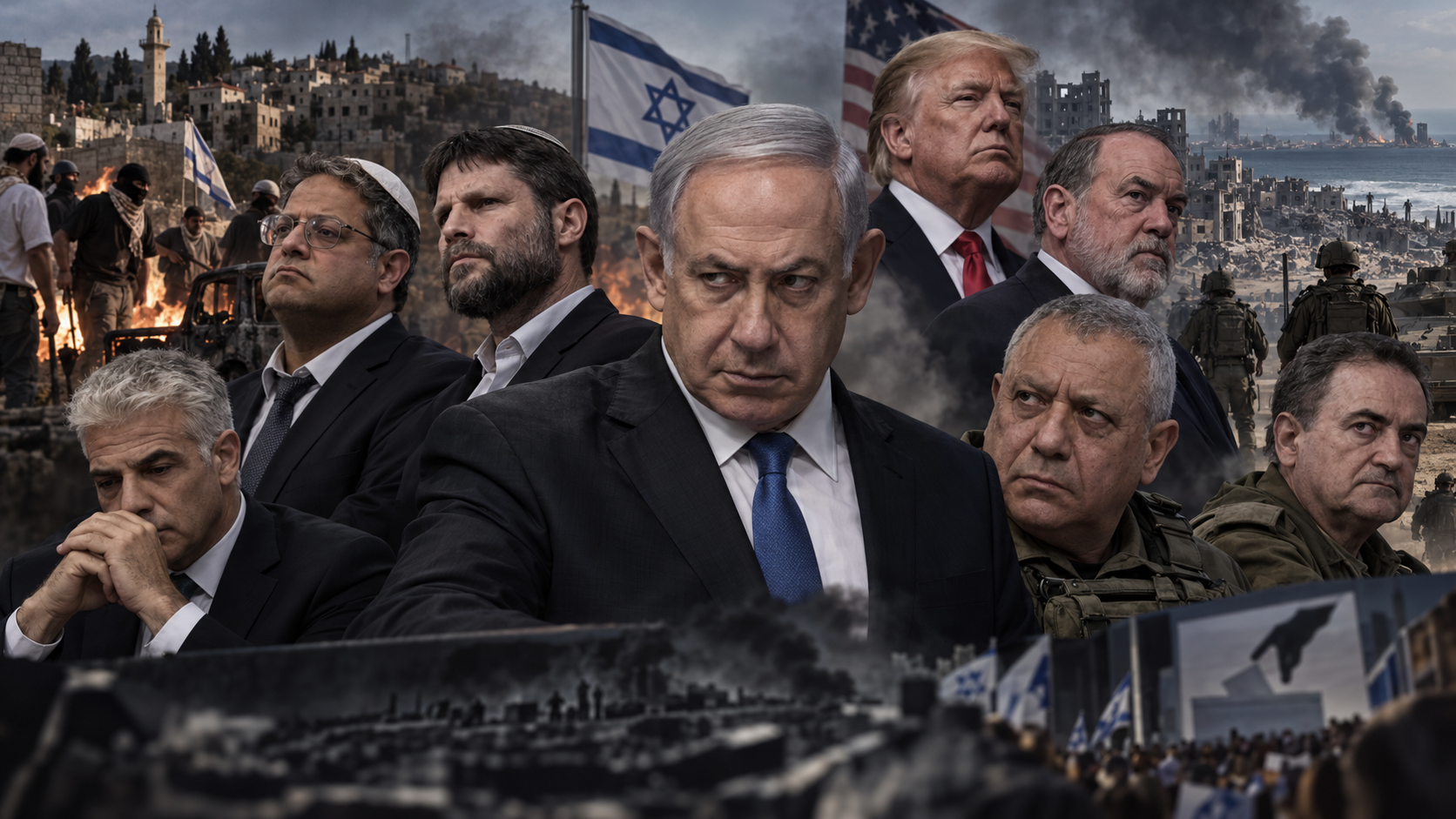
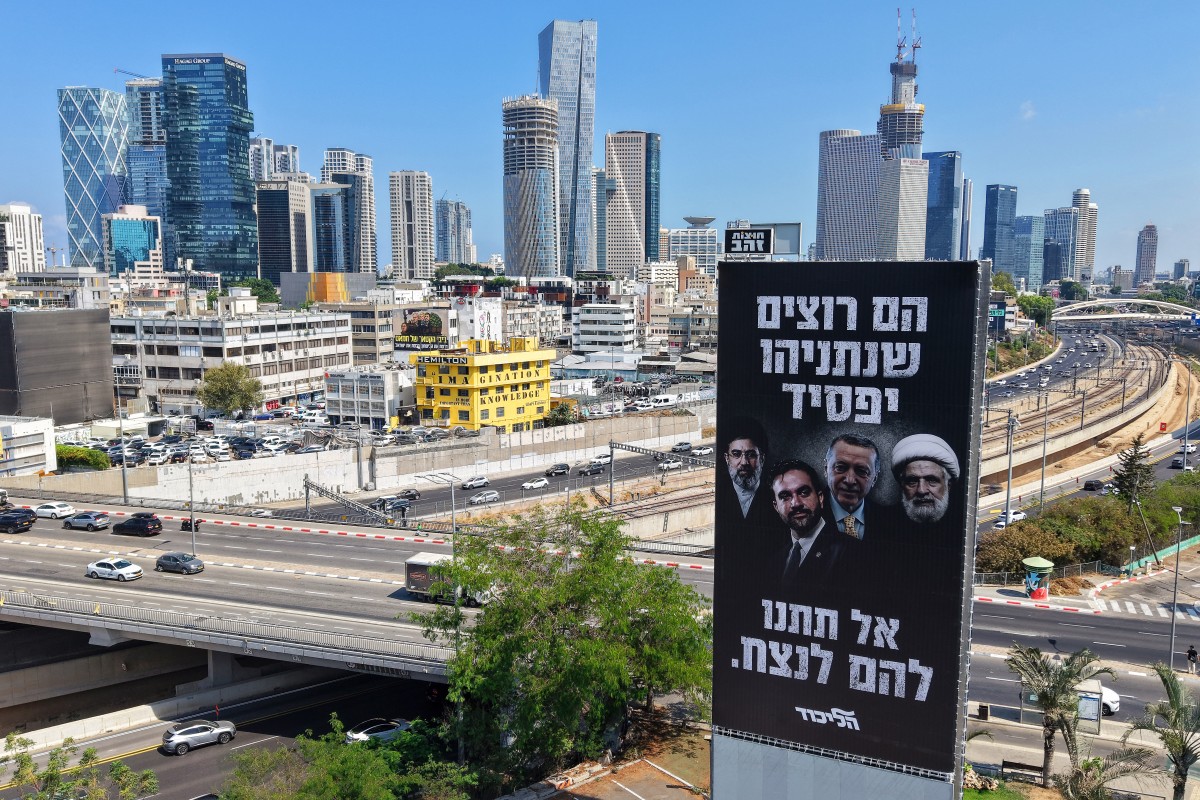
Three political poles currently dominate Israel’s day-to-day political life in the run-up to the elections for the twenty-sixth Knesset, scheduled for October 27. The first is Prime Minister Benjamin Netanyahu, allied with the most extreme currents of religious Zionism. Facing him is Naftali Bennett of the nationalist right, in alliance with centrist Yair Lapid. The third, emerging from the military establishment, is former chief of staff Gadi Eisenkot, who may prove to be Netanyahu’s most dangerous rival. Opinion polls shift constantly. Yet one fact has remained unchanged so far: none of the three poles appears capable of achieving the breakthrough needed to form the next government.

On Religious Fundamentalism... The Last Dance of Death (3/3)
Por
Hisham Dibsi
Publicado
Aug 25, 2026 - 04:34

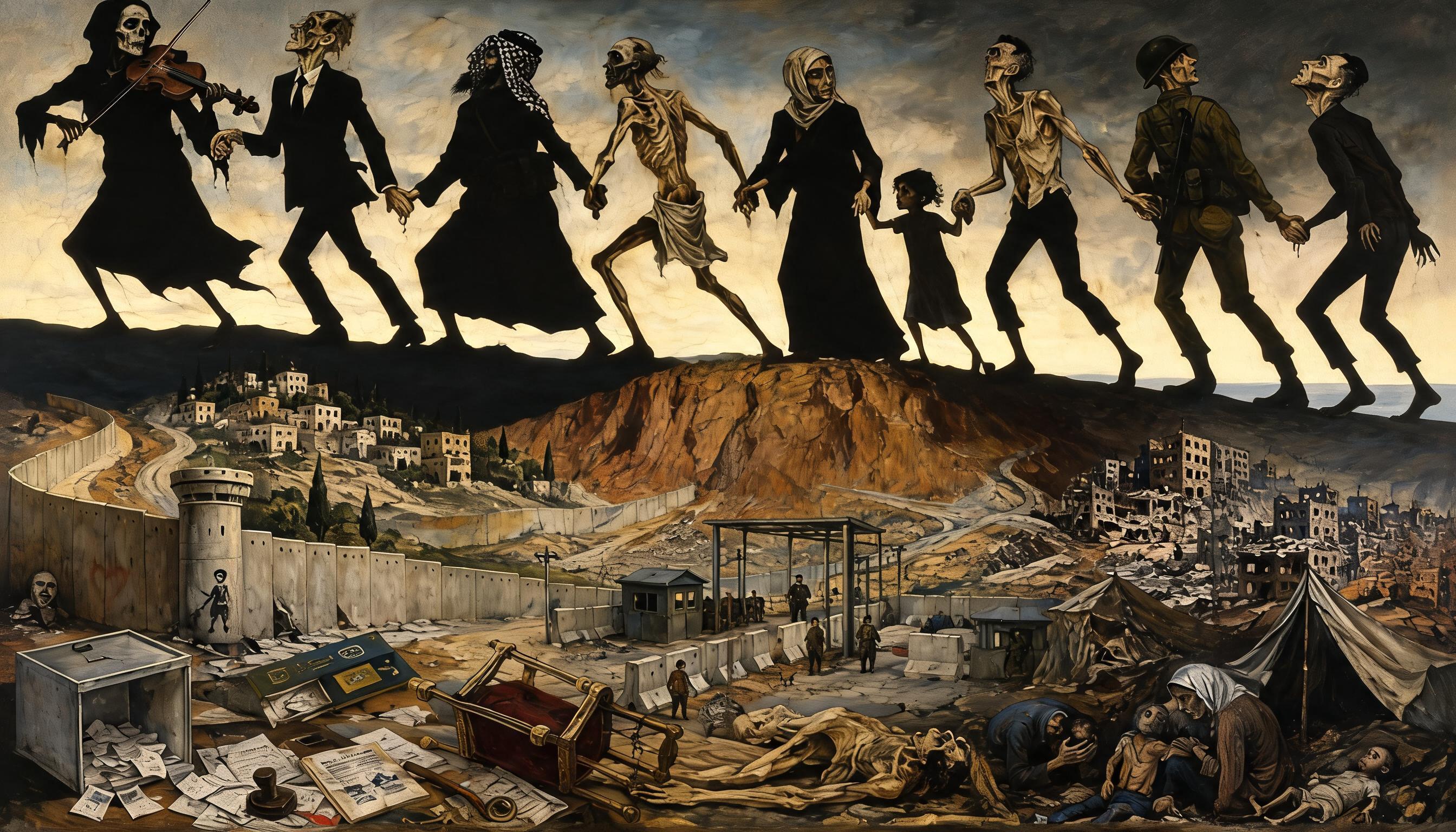
The last dance of death began with the 2007 coup against the institutions of the Palestinian National Authority, a direct consequence of the emergence of dual power after Ismail Haniyeh was elected prime minister. His primary task, however, was to implement the policy of the popularly elected president of the Authority, within a hybrid electoral system under which voters elect half the members of the Legislative Council through a single-member district system, casting their ballots directly for individual candidates, while the other half are elected through party lists, with the entire territory treated as a single electoral district. The number of seats won by each list is determined according to the percentage of votes it receives.

On Religious Fundamentalism…  Dance of Death (2/3)
Por
Hisham Dibsi
Publicado
Aug 18, 2026 - 13:32

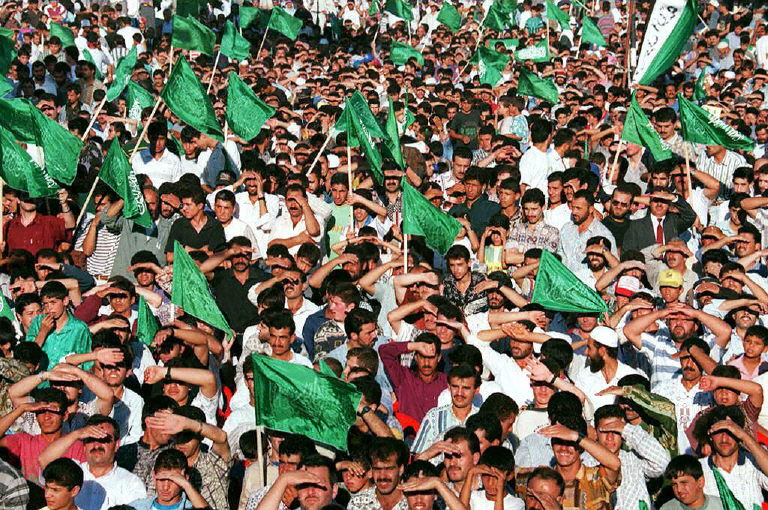
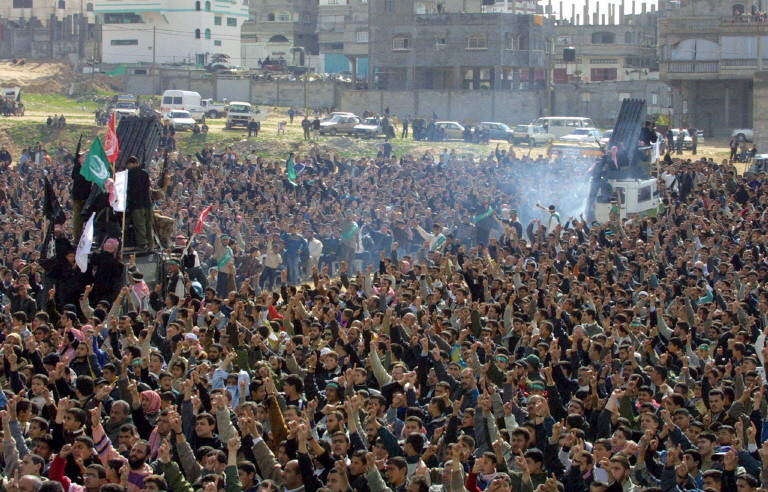
The Muslim Brotherhood moved from preaching and proselytizing to political and jihadist activity in Palestine by restructuring its organization, which took the form of the Islamic Resistance Movement, Hamas. This transformation was accompanied by a considerable expansion of its popular base. The movement then sought to impose its own conception of the Palestinian interest, as discussed in the first part of this analysis. In its declared political stance, Hamas relied on two main pillars: overturning the Oslo Accords and denouncing the Palestinian Authority’s governance failures and corruption. At the same time, it promoted the slogans of reform and change, targeting the Authority, its ministries and agencies, as well as the Palestine Liberation Organization, the institutional framework of Palestinian representation endowed with official status and international legitimacy.

On Religious Fundamentalism: Dance of Death (1)
Por
Hisham Dibsi
Publicado
Aug 11, 2026 - 13:46

Israel’s victory in the June War and its renewed occupation of the Gaza Strip lifted the nightmare of the Egyptian regime from the Muslim Brotherhood, following a confrontation triggered by the attempted assassination of Egyptian leader Gamal Abdel Nasser in Manshiyya, Alexandria, in 1954. At the time, the Egyptian authorities accused the “Brotherhood” of plotting the attack and launched a sweeping campaign of arrests targeting its leading figures, including Sayyid Qutb, the foremost theorist of political Islam’s approach to power. A decade later, after Abdul Salam Arif became president of Iraq, his mediation secured Sayyid Qutb’s release. The episode did not, however, lead to reconciliation. Qutb was arrested again, accused of establishing a clandestine organization aimed at overthrowing the Egyptian regime by force, and sentenced to death. He refused to appeal for clemency in exchange for a commutation of his sentence and was hanged on August 29, 1966.

The Decisive Plan
Por
Hisham Dibsi
Publicado
Aug 4, 2026 - 14:43

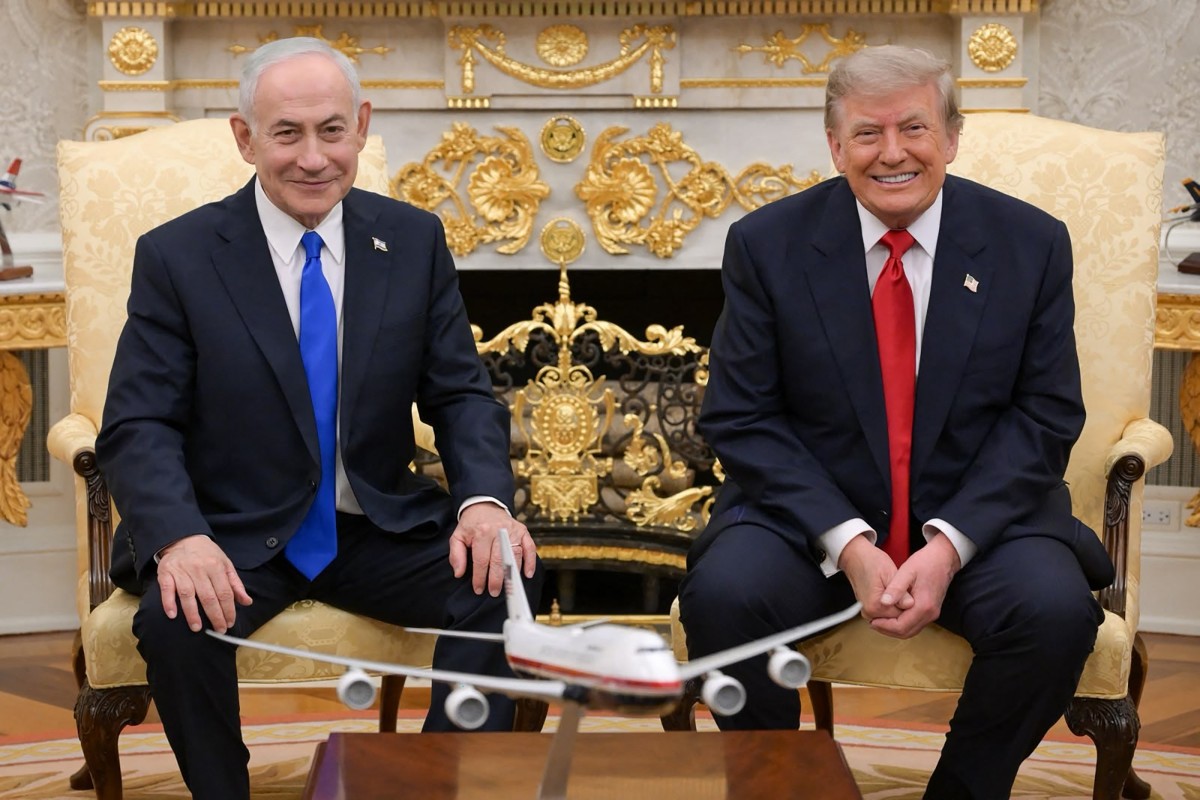
Benjamin Netanyahu took advantage of his attendance at the funeral of U.S. Senator Lindsey Graham to make another visit to the White House, after his allies succeeded in persuading President Donald Trump to receive him. This time, however, the visit came through the political back door, denying him the media triumph he had hoped to capitalize on. His subsequent television interview reflected the depth of the predicament he now faces. His facial expressions failed to convey the confidence of a victor, revealing instead a strained smile and an air of defiance. Trump, true to his uncompromising temperament, appears unwilling to be associated with a partner who brings him political liabilities rather than gains.

/