Levant Time logo

Nayla Assaf

The Abolition of the Death Penalty: Ibrahim Najjar and Élie Keyrouz’s Long Fight

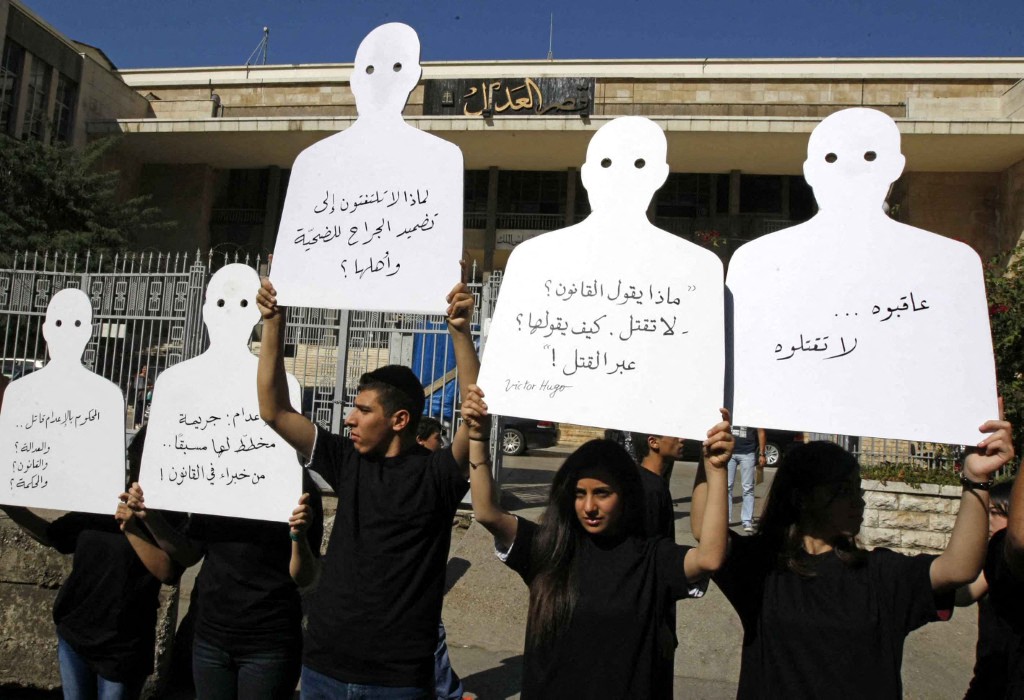
The abolition of the death penalty in Lebanon is not the result of steps taken in 2026. It is the culmination of a long political and legal process, marked by successive initiatives, deadlocks and years of debate. Two figures in particular led this fight: former Justice Minister Ibrahim Najjar and former MP and Lebanese Forces executive council member Élie Keyrouz. For Najjar, it all began in 2008, when he was appointed justice minister. As for Keyrouz, his campaign notably took shape through a bill he submitted in 2012. It would be 14 years before Lebanon finally abolished capital punishment. Much would change between these two milestones, in 2008 and 2012, but their convictions would remain unchanged.

World Cup: Collective Emotions and Identifications in Lebanon
By
Nayla Assaf
Published
Jul 12, 2026 - 19:14

The FIFA World Cup extends far beyond the realm of sport. As a global event, it temporarily suspends the routines of everyday life and brings millions of people together around a shared collective narrative for the duration of a tournament. In Lebanon, this competition takes on a particularly meaningful dimension. In a country shaped by successive crises, migration, and social divisions, the World Cup makes moments of celebration feel especially precious — almost rare. For clinical psychologist Sandra Khawam, supporting specific teams is rooted first and foremost in family history, often shaped by emigration. "The family factor plays an important role. Due to wars, crises, and successive waves of emigration, many Lebanese families have scattered across the world," she explains.

Training, Digital Development, AI: La Francophonie's Work in the Middle East

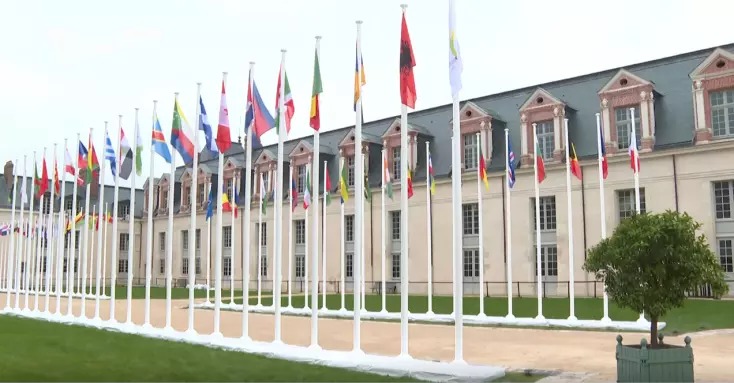
The International Organization of La Francophonie (OIF), which brings together 93 states and governments, supports programs in Lebanon and across the Middle East focused on promoting the French language, education, gender equality, and development. In Beirut, these efforts are coordinated by Lévon Amirjanyan, the OIF’s representative for the Middle East, who heads the regional office, which opened in late 2022. The office covers four countries: Lebanon and Egypt, both full members, and Qatar and the United Arab Emirates, which are associate members, with Lebanon serving as the regional hub for the organization’s activities.

Lebanon-Israel Maritime Deal Put to the Test by Regional War
By
Nayla Assaf
Published
Jun 2, 2026 - 10:10

Israeli statements hinting at a possible challenge to the maritime border agreement with Lebanon have revived questions about the durability of a compromise that, since its signing in 2022, has been portrayed as a stabilizing mechanism between Beirut and Tel Aviv. Despite the devastating war into which Hezbollah drew Lebanon, the agreement has held firm. Yet as the regional landscape undergoes profound change – particularly amid the energy crisis triggered by the Iran-U.S. standoff over the Strait of Hormuz – questions about its long-term survival are resurfacing. For Laury Haytayan, a Middle East hydrocarbons governance expert and MENA director at the Natural Resource Governance Institute (NRGI), “Israeli threats amount more to political pressure than to a genuine strategy aimed at dismantling the agreement.” She considers it “unlikely that the maritime agreement will be revoked,” even as Lebanon is currently engaged in direct peace negotiations with Israel and similar initiatives are expected between Arab states and Israel under the Abraham Accords framework, with the same American backing. Such a move would, moreover, be “incoherent” with the opening of direct negotiations, particularly given Washington’s pivotal role in securing the 2022 agreement, the product of two years of mediation.

South Lebanon: Christians in Border Villages Hold Firm Despite War
By
Nayla Assaf
Published
Mar 25, 2026 - 13:35

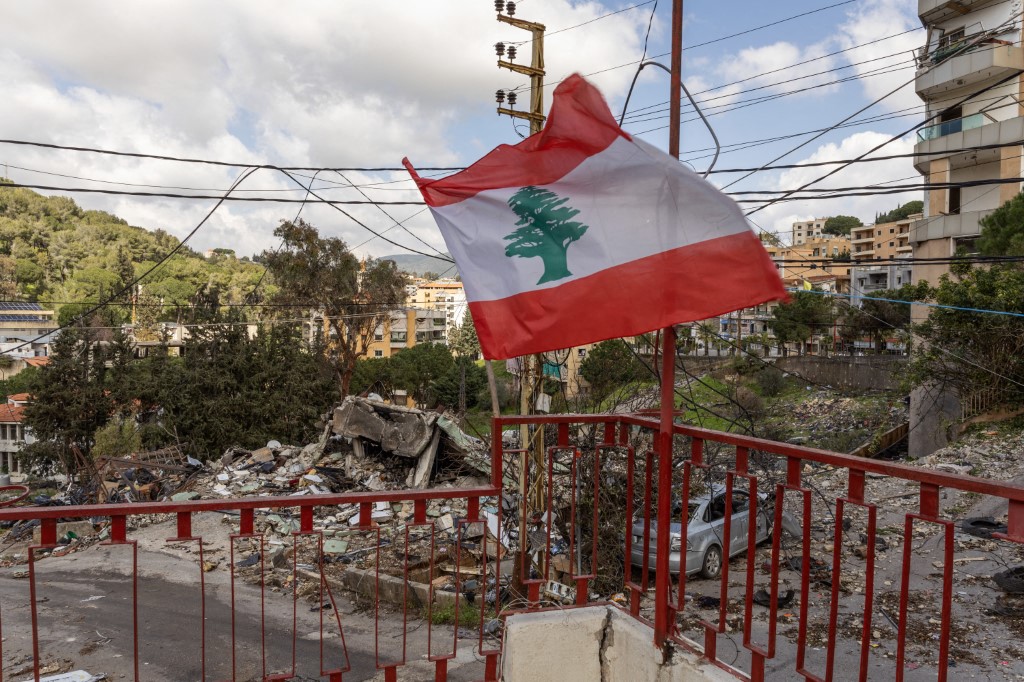
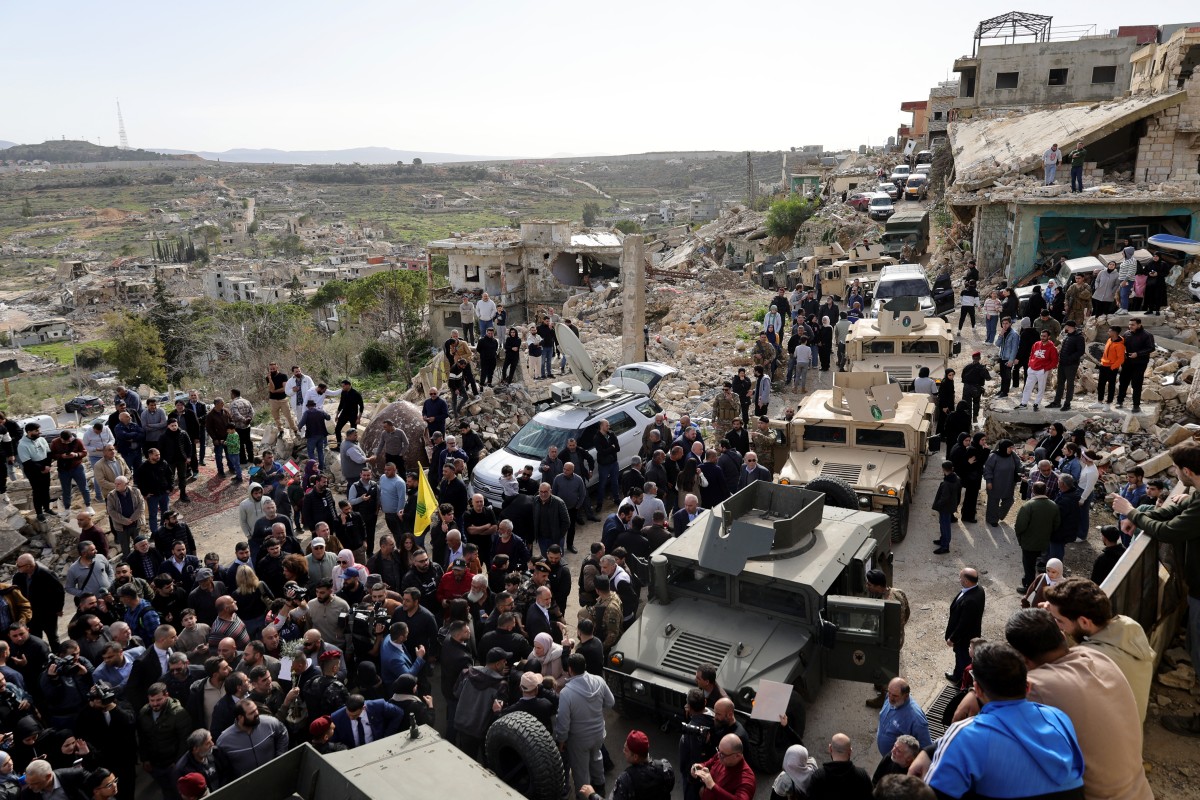
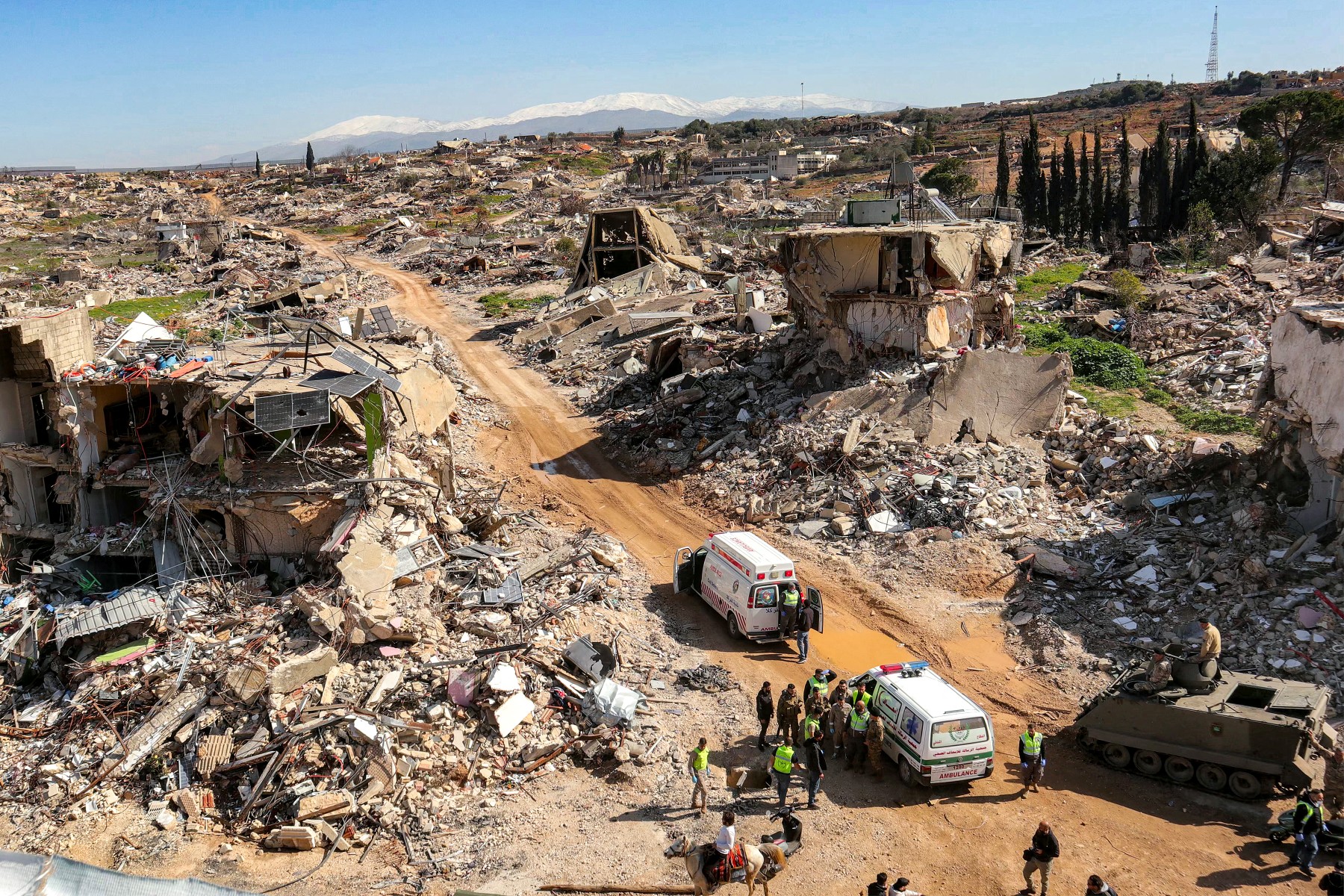
Along the front line at Lebanon’s southern border with Israel, several Christian villages lie directly in the path of the fighting. As violence intensifies in this area, the Holy See has not remained indifferent to the precariousness of the Christian presence under current conditions. Pope Leon XIV, deeply moved by the plight of civilians caught in the shadow of war, solemnly spoke of the death of Maronite priest Pierre Rai of Qlayaa – a symbol of a tragedy that strikes indiscriminately. According to retired General Khalil Gemayel, former commander of the southern Litani sector, the Christian border towns include Alma el-Chaab (Tyr district), Rmeich, Aïn Ebel, Debel, Qowzah and Yaroun (Bint Jbeil district), as well as Bourj el-Moulouk, Qlayaa, Jdeidet Marjeyoun, Ibl el-Saqi and Deir Mimas (Marjeyoun district). In the Hasbaya district, there are also Rachaya el-Foukhar, Kawkaba, Abou Qamha and Mazraat Serda.

Decentralization in Lebanon: Implementation, Finances, and Practical Implications

The administrative decentralization project is provided for in the Taëf Agreement (1989) but has not yet been implemented. However, many studies have been carried out for this purpose, without success. A look back at a reform in waiting. The concrete implementation of administrative decentralization in Lebanon relies on strengthening local councils, particularly at the caza level, which constitute the second tier after municipalities. According to Rayanne Assaf, doctor of law and legal affairs officer at the presidency between 2008 and 2014, “the decentralization project stipulates that within each caza, citizens elect, under a majority system, a general committee composed of representatives from all localities, even those without municipalities (to ensure the best geographical representation). This committee then elects the caza's board of directors according to a proportional system.”

Decentralization in Lebanon: History, Legitimacy, and General Challenges (1/2)

«The first reform must be intelligent decentralization», Jules Payot Decentralization is a mode of state organization that consists of transferring powers, responsibilities, and resources from central government to elected local authorities, which are legally autonomous, in order to bring decision-making closer to citizens and improve the effectiveness of public action. It allows Lebanon to transfer part of the state's powers, competencies, and resources to elected and autonomous territorial communities – notably municipalities and decentralized entities – while maintaining the unity of the state. The objective is to strengthen and activate local governance, citizen participation, and the balanced development of regions.

Paris Conference: the army facing difficult choices (3/3)
By
Nayla Assaf
Published
Feb 13, 2026 - 21:42

A few weeks before the international Paris Conference scheduled for March 2026, whose goal is to mobilize international support for the Lebanese army, the army's commander-in-chief finds himself at a critical strategic turning point. In a Lebanon beset by political and regional uncertainties, every decision made on the ground or within the general staff can have repercussions far beyond its borders and influence not only the survival of the military institution, but also the international perception of its role as a national stabilizer. According to General Maroun Hitti, the army does not only face external and internal threats: it is subjected to cumulative pressure, where multiple mandates, ambiguous political decisions, and popular expectations combine to test its endurance, cohesion, and credibility. The stakes are twofold: maintaining its credibility in a volatile internal context and convincing the international community that the army remains an indispensable pillar of Lebanon's stability.

Support for the Army: Aid, Capabilities and Strategic Challenges (2/3)
By
Nayla Assaf
Published
Feb 12, 2026 - 14:53

In a particularly sensitive regional and domestic context, any assessment of the Lebanese Armed Forces (LAF) must go beyond a simple inventory of aid received and equipment required. The real issue lies in examining the political, doctrinal and strategic foundations of the military institution itself. The central question is not so much what the army possesses, but what the state expects – or refuses to take responsibility for – it to do. Since the late 2000s, the Lebanese army has benefited from sustained international assistance, notably from the United States, the United Kingdom, France and other European partners. This support has taken the form not only of equipment deliveries and new infrastructure, but above all, of the introduction of a structured capability-development approach. The establishment of a joint capability vision with the United States marked a turning point, prioritizing the optimization of existing assets rather than the creation of entirely new capabilities.

The Feast of Saint Maron: history, sacrifices, and promise of the future
By
Nayla Assaf
Published
Feb 9, 2026 - 20:03

« Lebanon does not belong to the Maronites; it is the Maronites who belong to Lebanon »  Patriarch Nasrallah Sfeir Saint Maron, whose feast is celebrated on February 9, is not only a religious figure; he is, for the Maronites and for Lebanon, a founding symbol of freedom, faithfulness, and resilience. Rooted in asceticism and prayer in the 4th century, this Syrian hermit inspired a spiritual tradition that spread over centuries and became the Maronite Church: an essential pillar of Lebanese history and a vital force in the construction of a pluralistic identity in the heart of the Middle East. 

/