Levant Time logo

Nayla Assaf

International Conference in Support of the Lebanese Army: Multiple Challenges (1/3)

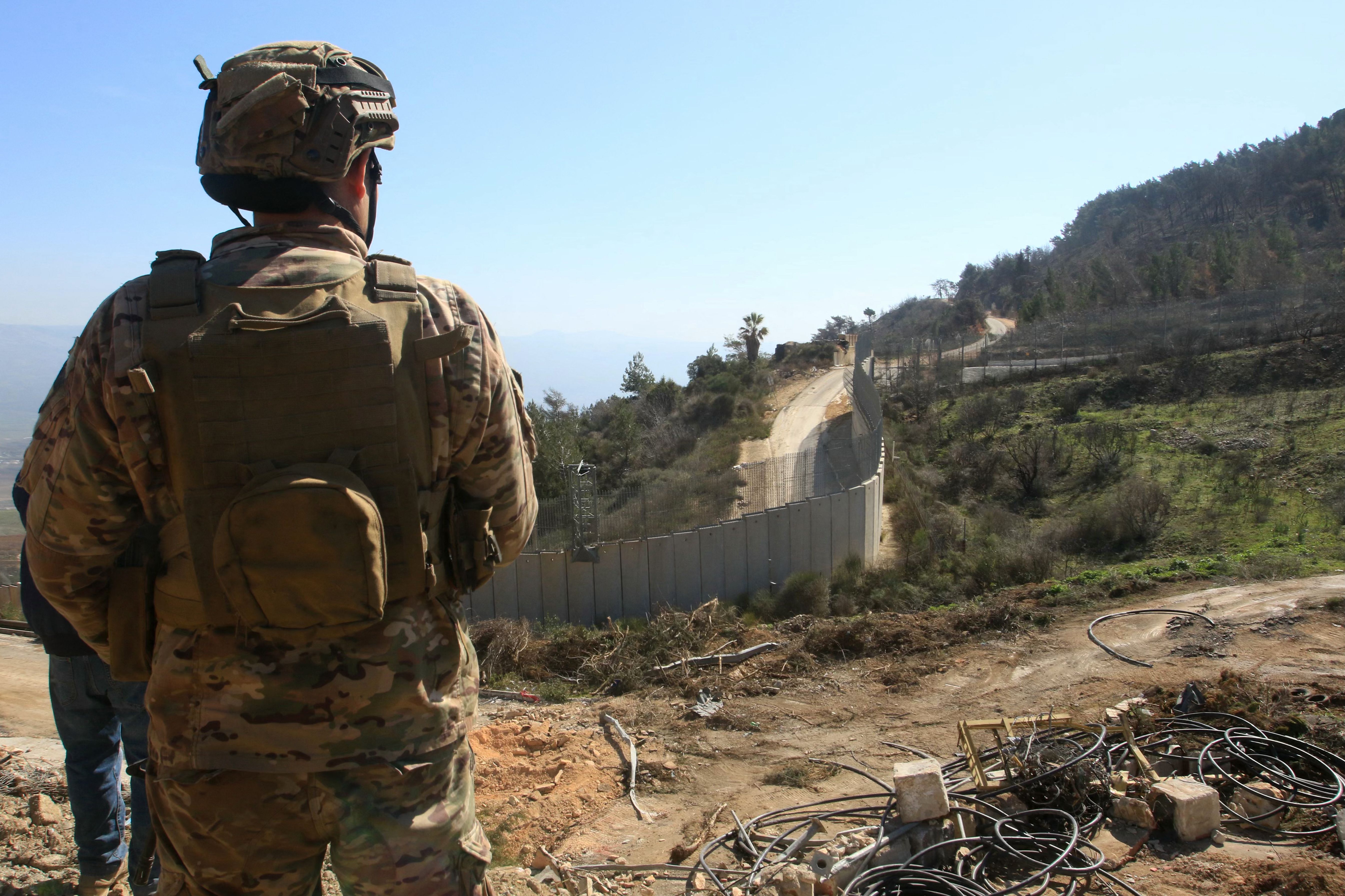
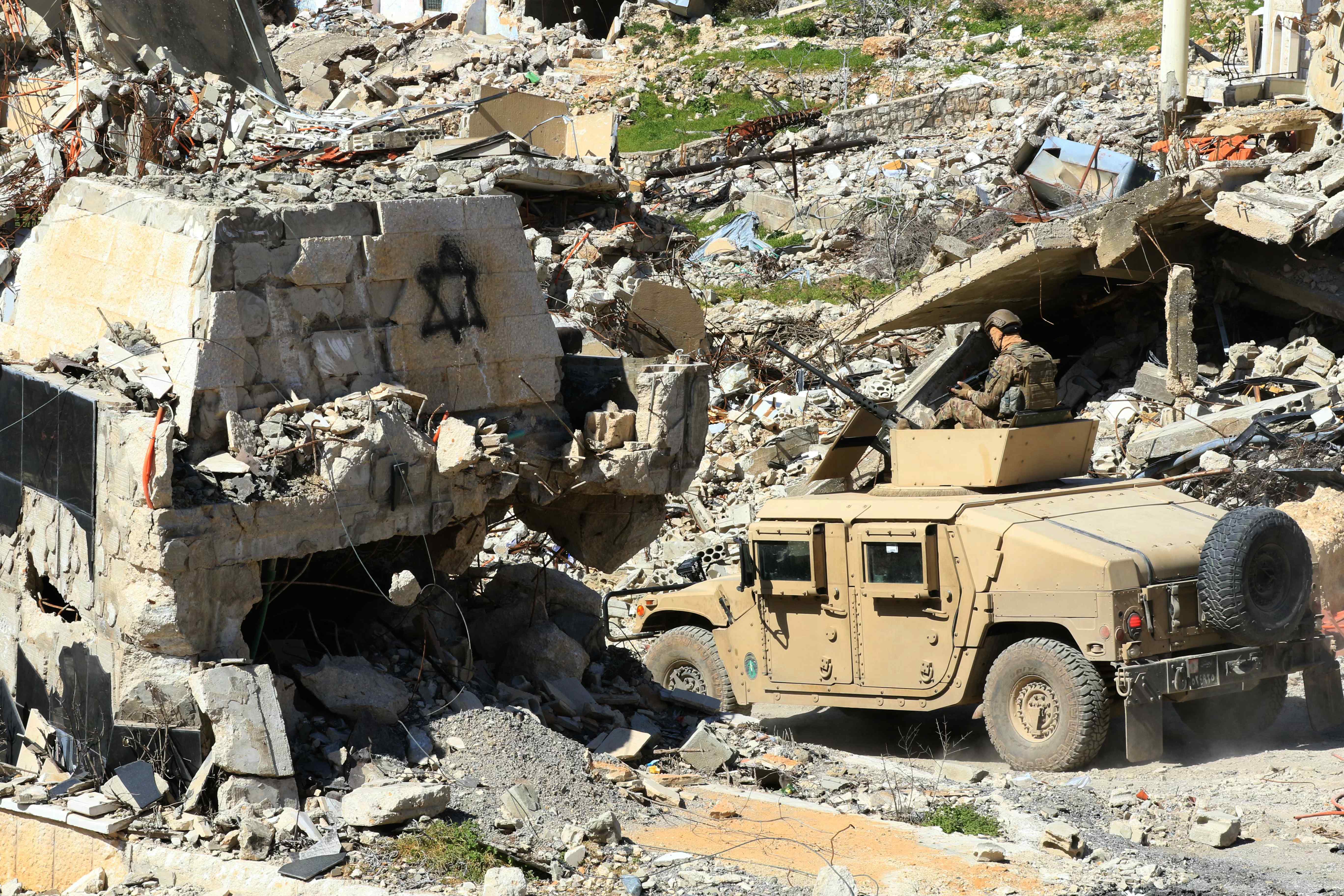
As the date of the international conference in support of the Lebanese army, scheduled for March 2026 in Paris, approaches, Lebanon finds itself at a critical juncture. This meeting, intended to mobilize the international community in favor of the regular forces, comes at an extremely complex political and regional time. Every decision or lack thereof by the Lebanese state regarding the monopoly of weapons, in particular, will have a direct impact on the effectiveness of international aid to the troops and, more broadly, on the very future of the army and national sovereignty. The chosen date, March 5, 2026, remains conditional, however. According to General Maroun Hitti, the conference could be postponed if a crucial step is not taken by Lebanon by then. This step consists either of a unanimous political decision within the Lebanese government, including Hezbollah and Nabih Berri’s ministers, for the State to take charge of the weapons issue and for Hezbollah to submit to its authority, or of a major regional event. This could be a cataclysm or an armed conflict that would force Iran to comply with the demands of the international community, thus altering the balance of power in the region.

US Sanctions Reveal the Flaws of the Iranian Regime
By
Nayla Assaf
Published
Jan 23, 2026 - 15:52

« Totalitarian regimes are not content to dominate bodies; they seek to enslave minds. » – George Orwell Since the Iranian Revolution of 1979, the United States has imposed a large-scale economic sanctions regime on Tehran, which has become over the decades one of the most multidimensional pressure tools in American diplomacy. The first measures, instituted after the hostage-taking at the American embassy in Tehran in November 1979, froze Iranian assets in the United States via Executive Order 12170, immobilizing billions of dollars and blocking numerous financial operations. In the mid-1990s, Washington strengthened its arsenal: in March 1995, all American investment in the Iranian energy sector was prohibited; a measure followed in May by a total trade embargo covering almost all exchanges and technology transfers. The « Iran and Libya Sanctions Act » of August 1996 introduced extraterritorial sanctions, threatening foreign companies investing in Iranian hydrocarbons.

Lebanon-Cyprus EEZ: oil investment and geopolitical challenges (2)
By
Nayla Assaf
Published
Jan 20, 2026 - 14:45

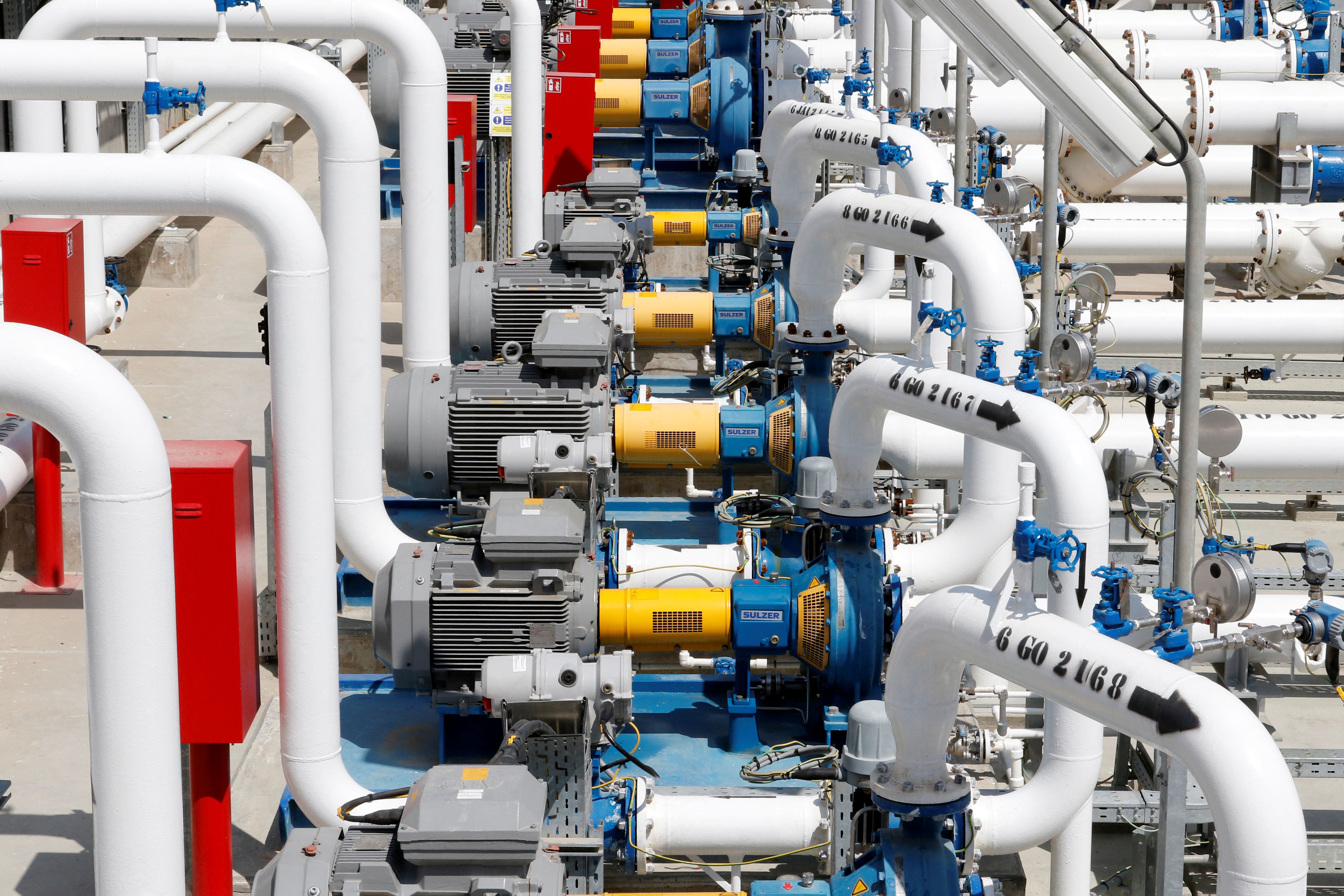
The Energy Gamble in the Face of Economic Collapse With the signing of the maritime boundary delimitation agreement with Cyprus in 2025, the exploitation of offshore resources is emerging as a potentially decisive lever for reviving Lebanon’s deeply troubled economy. While this agreement has provided a formal legal framework for maritime boundaries, it has not, however, eliminated all the economic and geopolitical challenges. Development delays, persistent regional disputes, and political gridlock present Lebanon with a complex equation: seizing energy opportunities without compromising its national interests.

EEZ Lebanon-Cyprus: between legal gains and maritime losses
By
Nayla Assaf
Published
Jan 14, 2026 - 18:54

The Exclusive Economic Zone (EEZ) delimitation agreement between Lebanon and Cyprus, signed on November 26, 2025, and endorsed by Decree No. 2108 of December 16, 2025, marks a major step in Lebanese maritime policy. Officially presented as a means to guarantee the exploitation of maritime resources, this agreement nevertheless raises deep concerns from legal and strategic perspectives. General Khalil Gemayel, an expert in maritime border delimitation, believes that this agreement, despite some advantages, remains largely unfavorable to Lebanon. It certainly puts an end to a long-standing dispute, but at what cost?

Gap Law: How Will the USD 100,000 Cap Be Applied to Depositors?
By
Nayla Assaf
Published
Jan 5, 2026 - 16:59

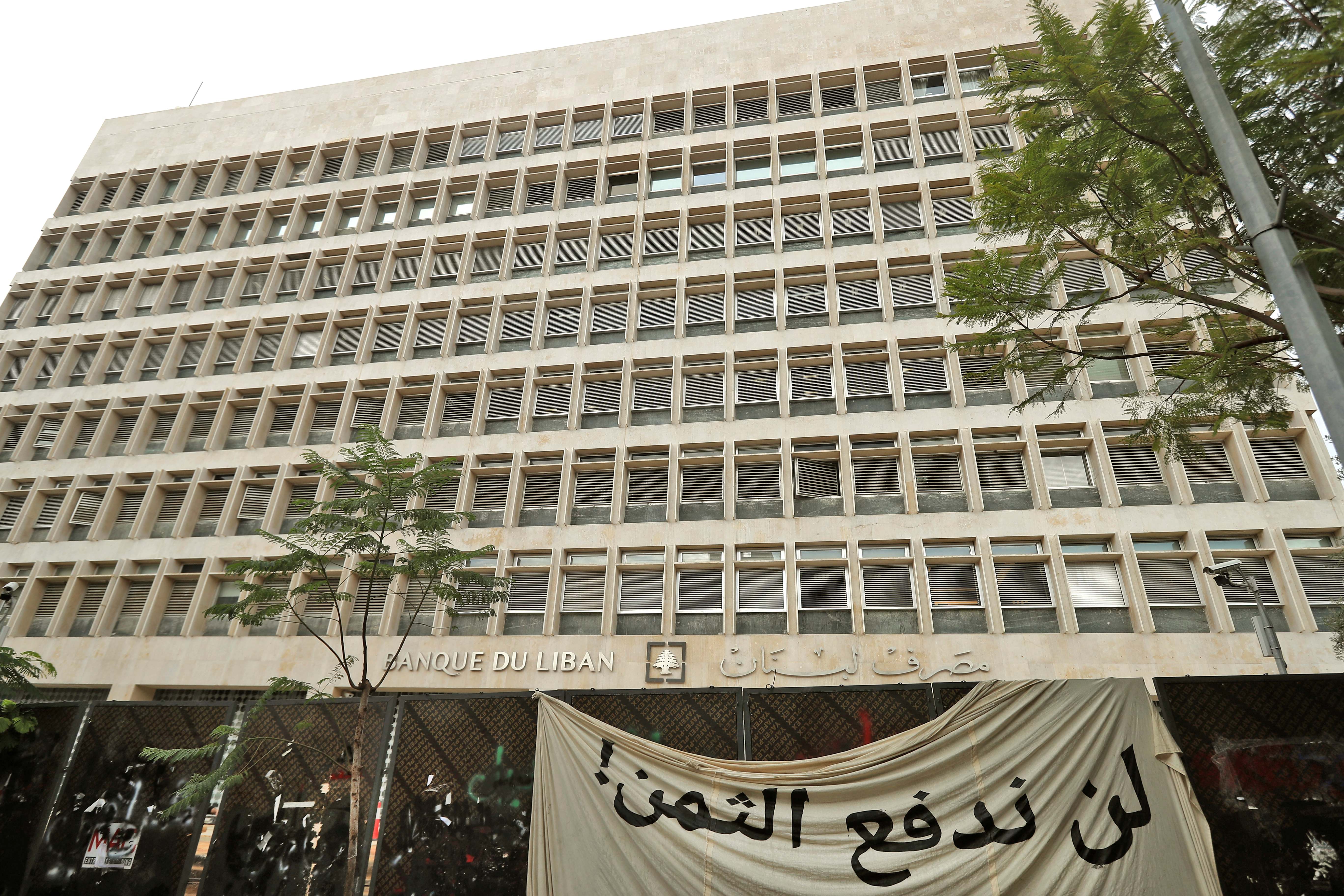
On December 26, 2025, the Council of Ministers adopted the so-called “Gap Law,” a text intended to provide a legal framework for the allocation of the country’s financial losses, estimated at around USD 70 billion, ahead of its forthcoming review by Parliament. The draft law was approved by 13 votes to 9. The law introduces a classification of depositors based on the volume of their assets and provides for a guarantee mechanism for deposits of up to USD 100,000, in the form of staggered repayments over a four-year period. For amounts exceeding this cap, the legislative framework provides for the conversion of deposits into long-term financial instruments issued by the Banque du Liban, structured as asset-backed securities.

“Trump Economic Zone”: dream of peace and fear of conspiracy
By
Nayla Assaf
Published
Dec 31, 2025 - 15:58

The proposal to create an economic zone in South Lebanon, mentioned in August 2025 by US envoy Tom Barrack, created a shockwave. The theory behind the project of a “Trump Economic Zone” assumes that such a zone would attract foreign investment, finance reconstruction, thus guaranteeing lasting security. However, several voices have been raised to warn against the danger of undermining the sovereignty of the Lebanese state through the creation of an Israeli-American “protectorate” in the border area. The project of a “Trump Economic Zone” is part of an approach adopted by the current US president to resolve conflicts through economic development and trade.

Al-Qard Al-Hassan Operates in a Legal Grey Zone
By
Nayla Assaf
Published
Dec 28, 2025 - 17:05

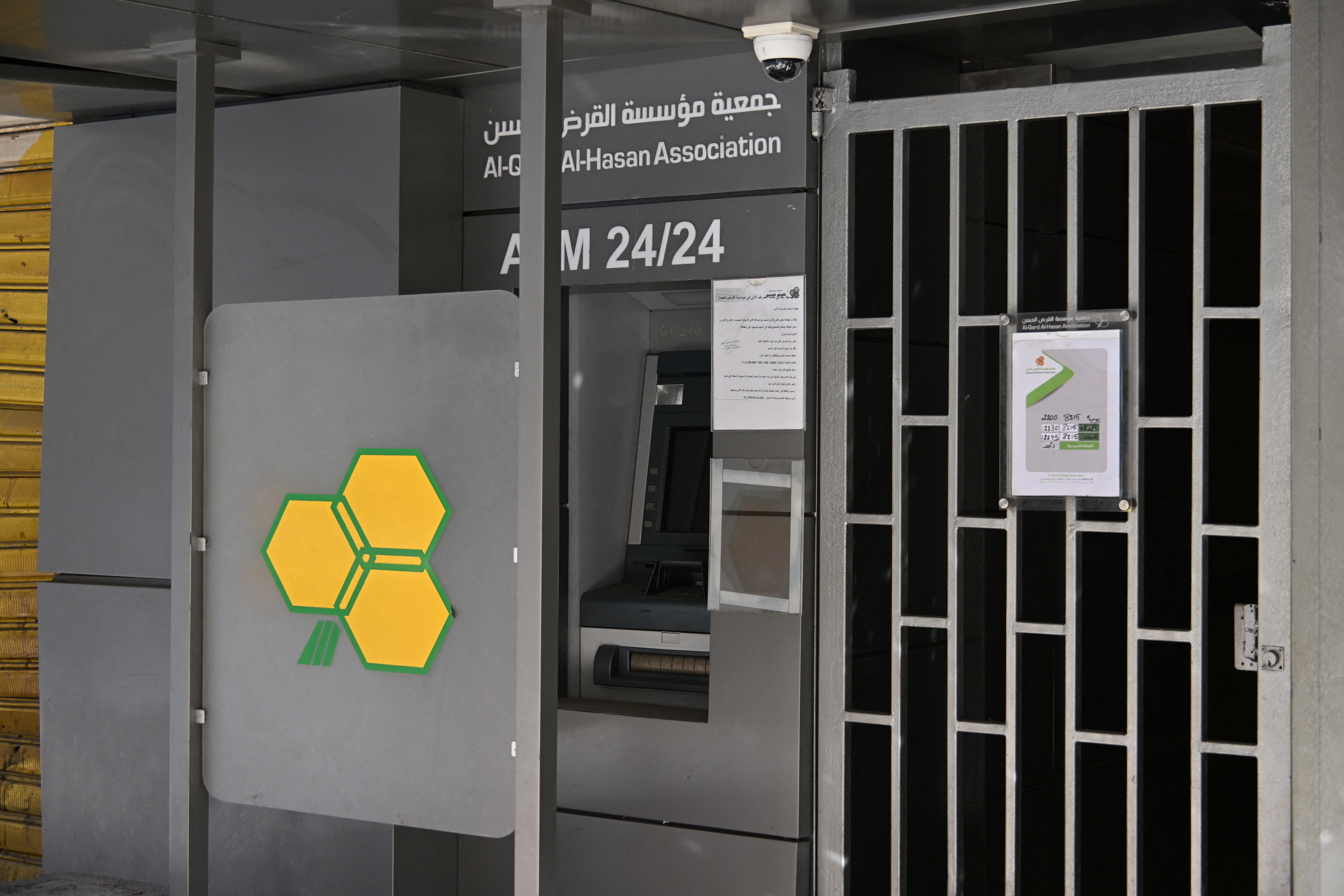
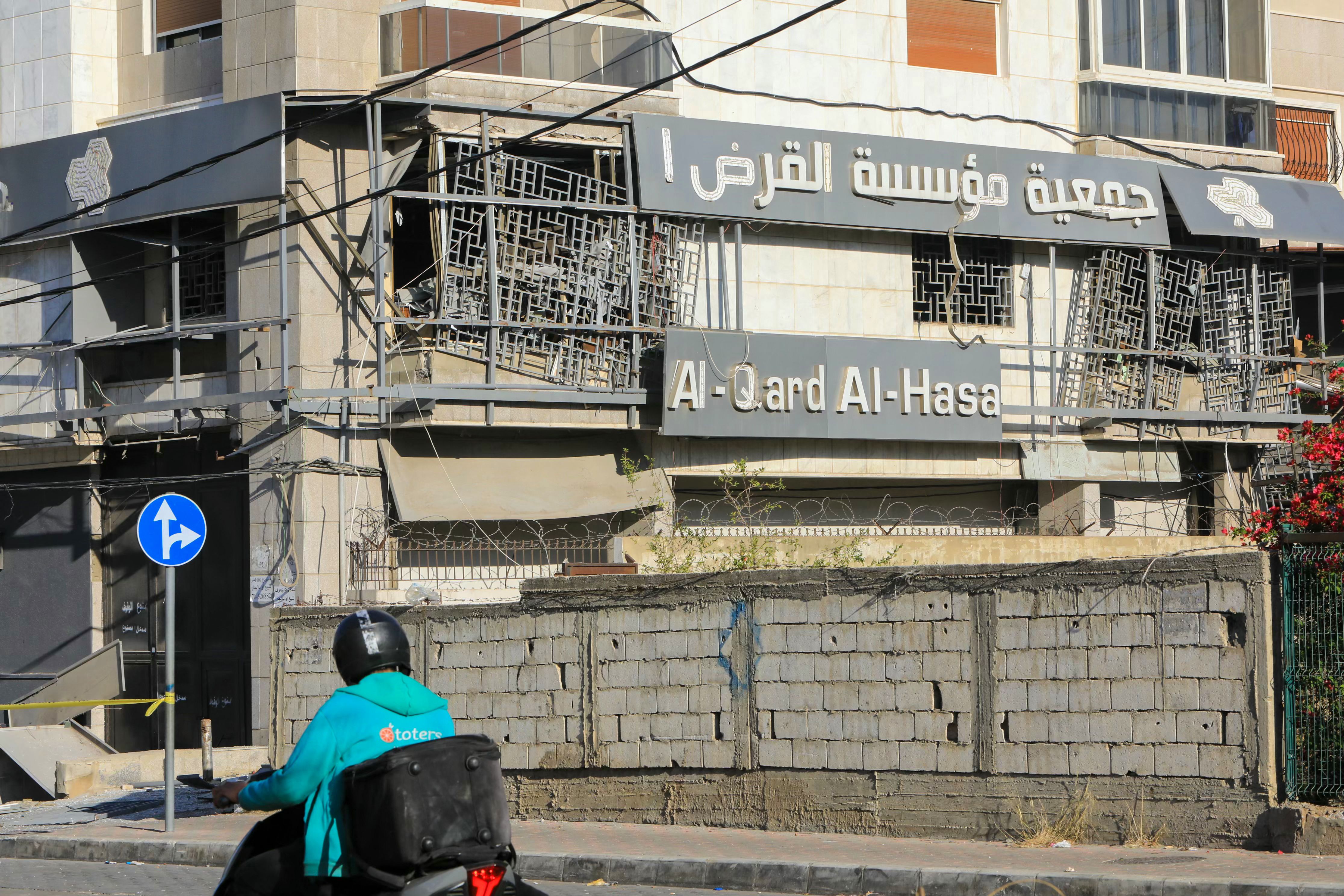
Al-Qard Al-Hassan, formally registered as a charitable association, has increasingly assumed the role of a parallel financial institution in Lebanon since the country’s economic collapse began in late 2019. As the banking sector imploded and depositors lost access to their savings, the organisation stepped into an institutional vacuum. While its services address real needs in a context of state and financial failure, its growing footprint raises serious legal and systemic concerns. Founded during Israel’s 1982 invasion of Lebanon, Al-Qard Al-Hassan was registered in 1987 with the Ministry of Interior as a non-profit association. It remains legally governed by the 1909 Ottoman Law on Associations, which restricts activities to non-commercial, non-profit purposes. Yet in practice, the organisation regularly grants loans and manages gold-backed guarantees—activities that go well beyond its declared legal mandate.

Al-Qard Al-Hassan reportedly initiated a «post-liquidation» phase
By
Nayla Assaf
Published
Dec 23, 2025 - 17:52

Under the effect of American sanctions, restrictions imposed by the Banque du Liban, and losses sustained during the last war with Israel, Hezbollah has sought to reconfigure its main financial arm, Al-Qard Al-Hassan. This “repositioning,” presented as “legal,” aims to preserve its grip on the parallel economy and its social base. Founded in 1982, the Qard Al-Hassan association operates outside the legal banking framework. Iranian funds initially contributed to the association's capital. These were supplemented by Lebanese capital, particularly from entrepreneurs in Africa, over several years. According to the US Treasury Department, which listed Qard Al-Hassan in 2007 on its list of sanctioned entities and then strengthened these sanctions in 2021, this association manages financial volumes comparable to those of a medium-sized bank, while escaping all official supervision.

/