Logotipo da Levant Time
Mona Fayad

Mona Fayad

South Lebanon: When Suffering Becomes Immediate History
Por
Mona Fayad
Publicado
Sep 29, 2026 - 07:35

I - The Importance of Immediate History and Its Definition Faced with the catastrophe we are living through, with an open war that is destroying and erasing the traces of life in South Lebanon, with the displacement it is causing and the economic and political collapse affecting Lebanon as a whole, faced also with the failures of the state and its institutions in dealing with the aggression and its consequences, particularly its failure to fulfill its duty to impose its sovereignty over all its territory, which was one of the fundamental causes of this war in the first place, and faced with its confusion in addressing the economic and financial situation, particularly corruption on the one hand and the educational future of the present generations on the other, I turned to the book Writing History , from the “History and Social Sciences, History and Memory” series, published by Afrique Orient in Casablanca in 2014. It includes a text by Bernard Paillard entitled “Immediate History,” meaning what takes place in the moment itself.
The Education Crisis: When the State Fails Twice
Por
Mona Fayad
Publicado
Sep 20, 2026 - 21:27

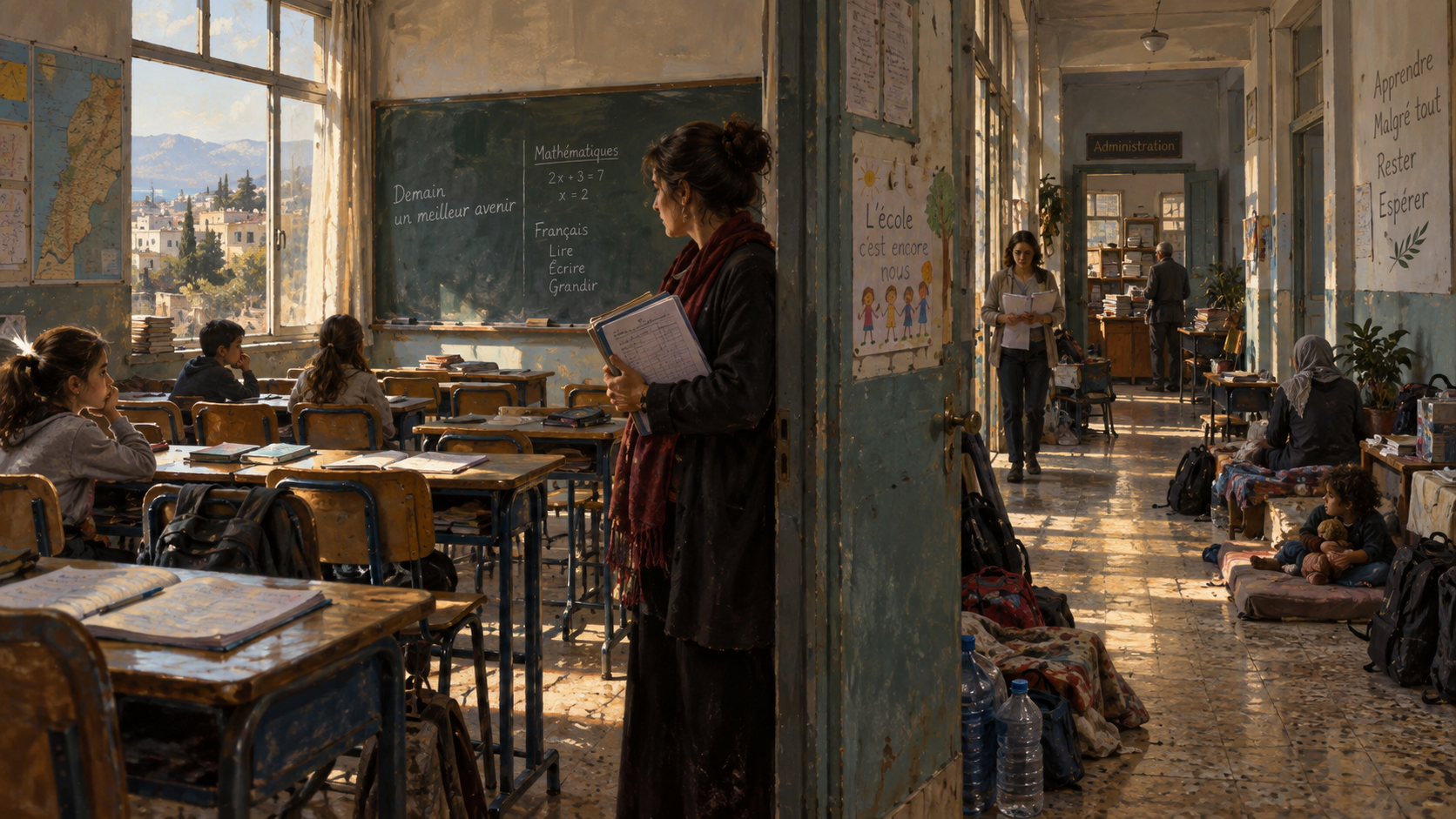
Just days before the start of the school year, public schools and secondary schools found themselves facing a problem that should have been settled before they even opened their doors: which teachers does each school need, and how many teaching hours does it require? The problem arose after the Ministry of Education decided to postpone the return of contract teachers paid through school and secondary-school funds, as well as the so-called “auxiliary” teachers, until a survey of needs had been completed and any surplus identified. As a result, around 3,500 teachers are waiting to find out what will happen to their teaching hours, while some schools have been forced to shorten their schedules because of teacher shortages.

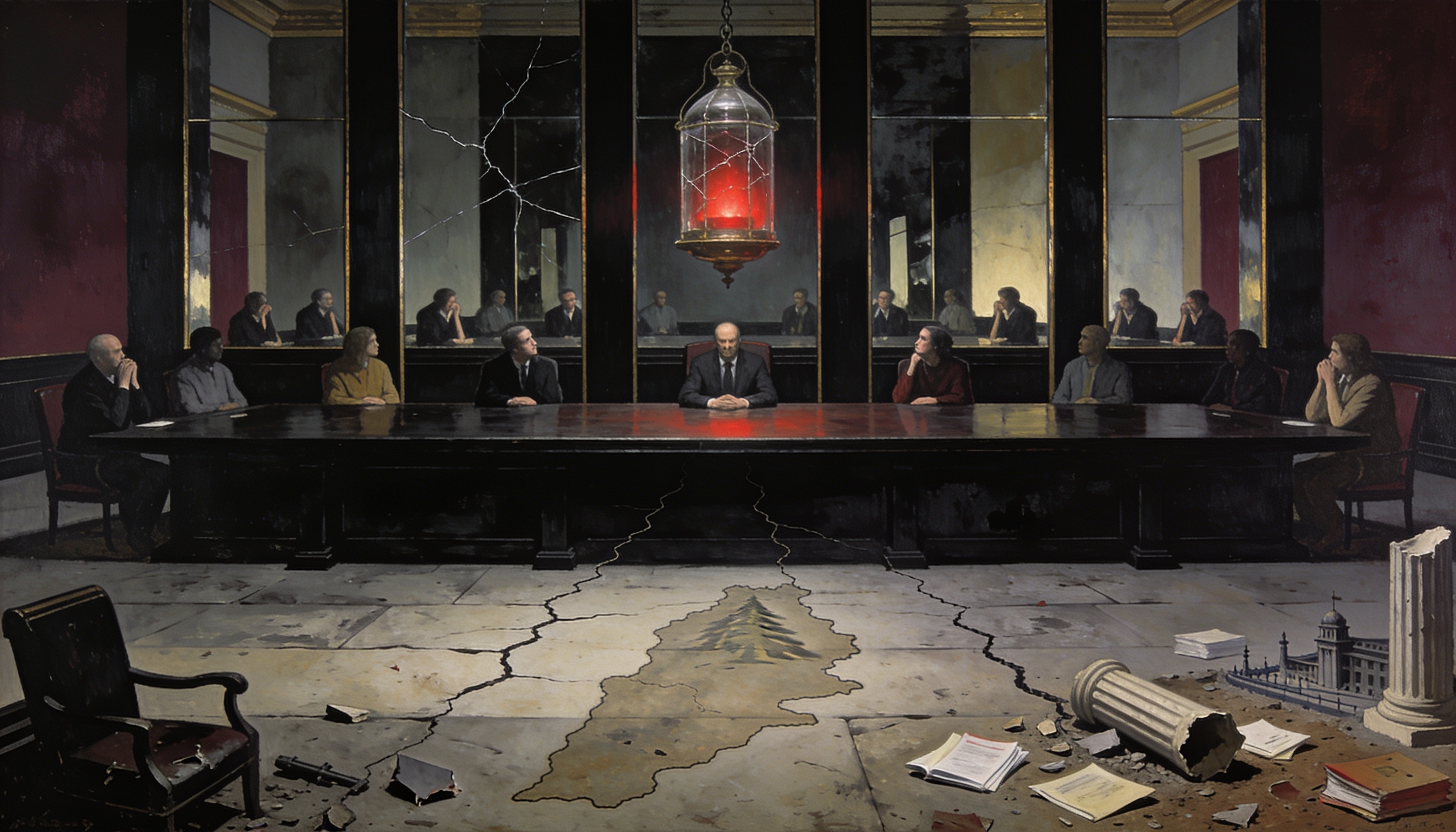
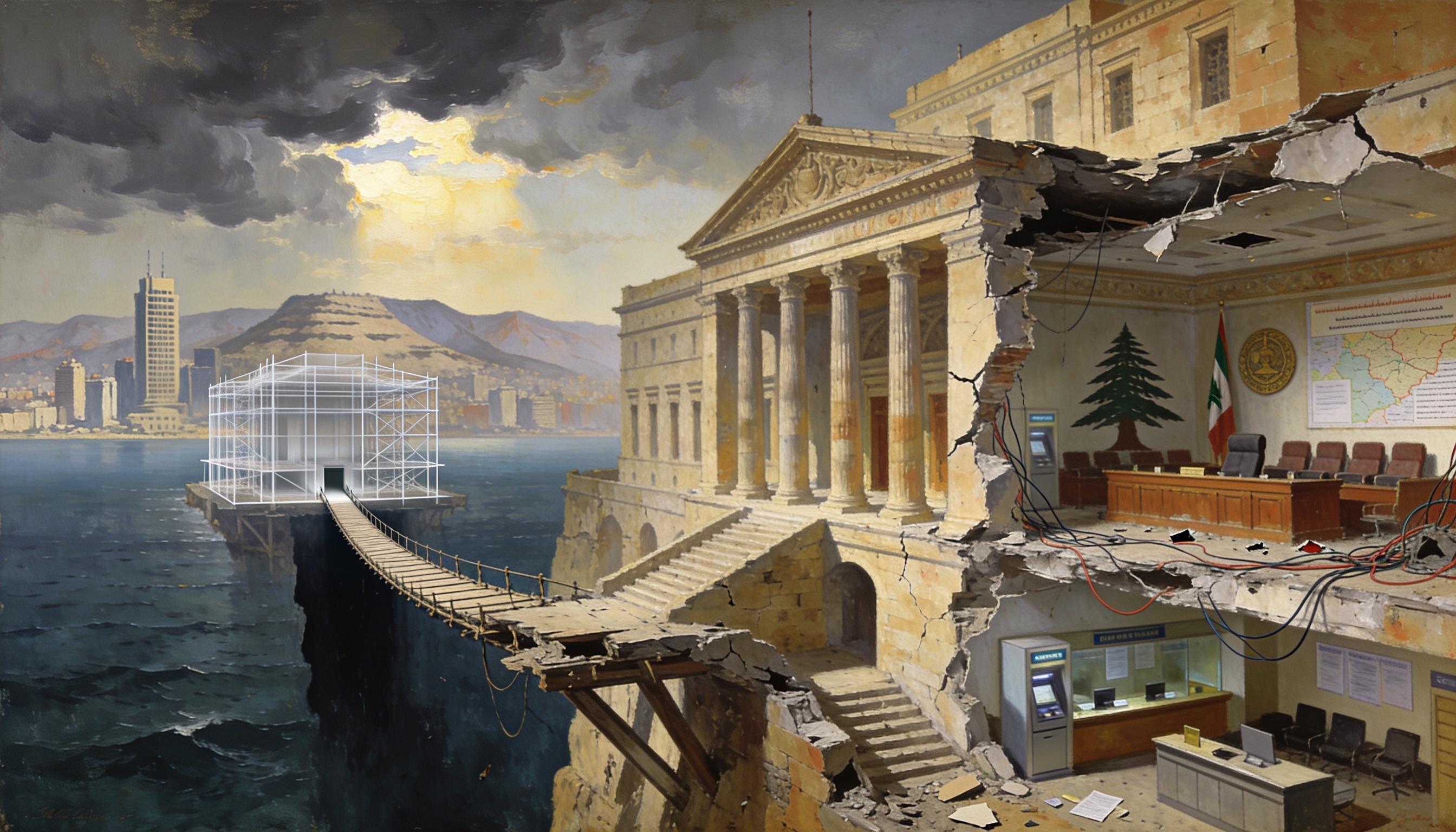
The Disintegration of the Lebanese Model: Between Deadlock and the Absence of an Alternative

The history of science has followed a winding course of demolition and reconstruction, rather than the calm, linear accumulation long assumed to characterize it. Until the middle of the twentieth century, the prevailing view regarded science as an edifice rising brick by brick, with each generation of scientists adding another stone to the monument of absolute truth. The publication in 1962 of The Structure of Scientific Revolutions by American historian and philosopher of science Thomas Kuhn, however, caused an intellectual earthquake that transformed our understanding of how human thought develops. Kuhn did not merely offer a new reading of the history of science. He laid the foundations for a new epistemology, showing that scientific development proceeds through sudden leaps and sharp ruptures, shaped by sociological and psychological contexts that are themselves not free of conflict.

Have We Become Stupider?
Por
Mona Fayad
Publicado
Sep 5, 2026 - 20:01

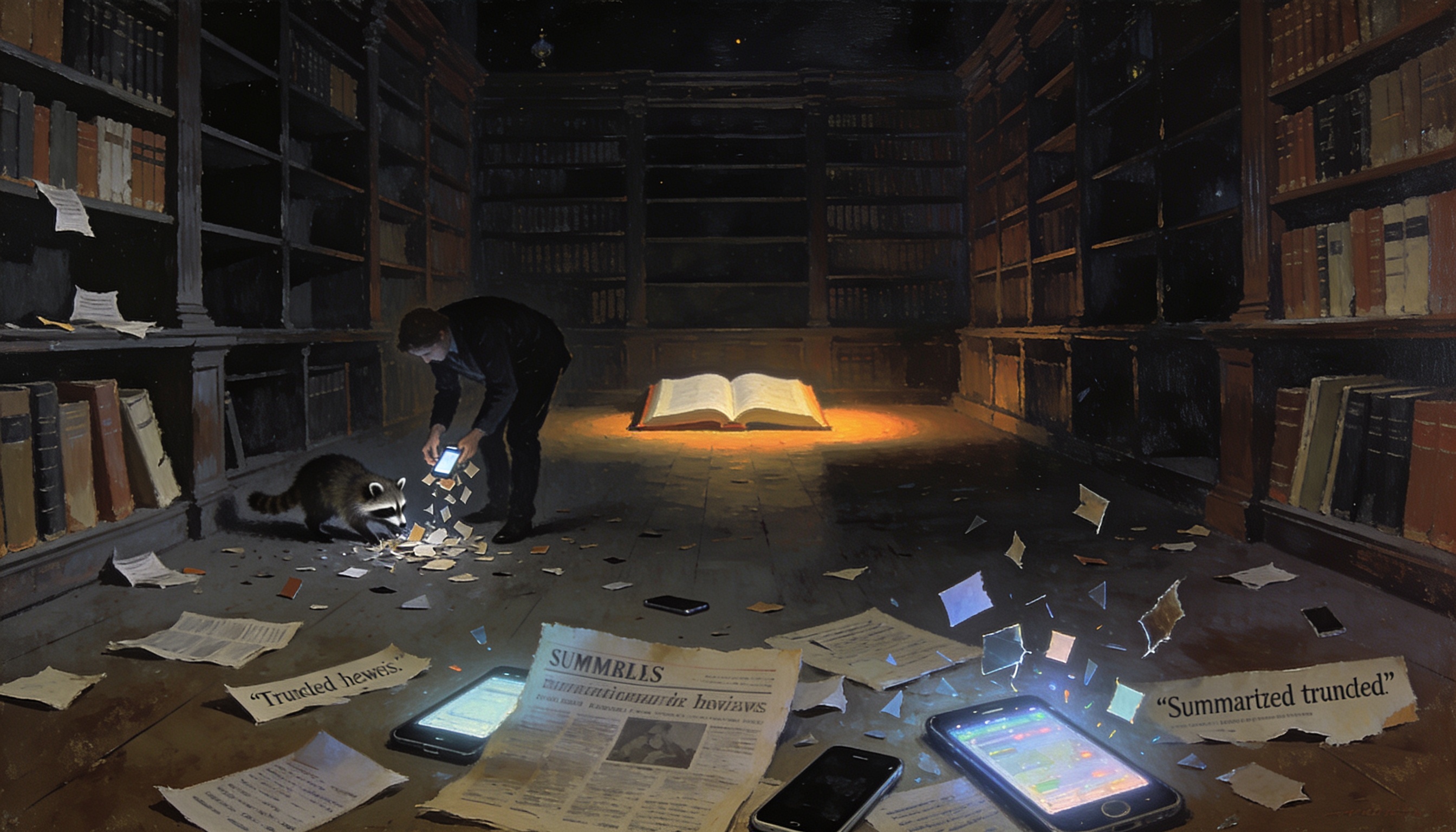
The question “Has the world become stupider?” frequently returns in contemporary debates about digital media, search engines, and social networks. On the surface, it seems simple. Yet behind it lies a deeper issue concerning the very nature of knowledge: how it is produced, how it is transmitted, and how it is consumed. Perhaps “Have we become stupider?” is not the most accurate question. A better one might be: Is knowledge still being transmitted in a way that allows it to be understood and made productive? Do most readers still go back to the original texts? Or do they turn instead to summaries and to what is said about those texts through material circulating among readers?

Japan-Lebanon: Between the Paradox of Rising From the Ruins of Defeat and the Trap of Perpetual Collapse

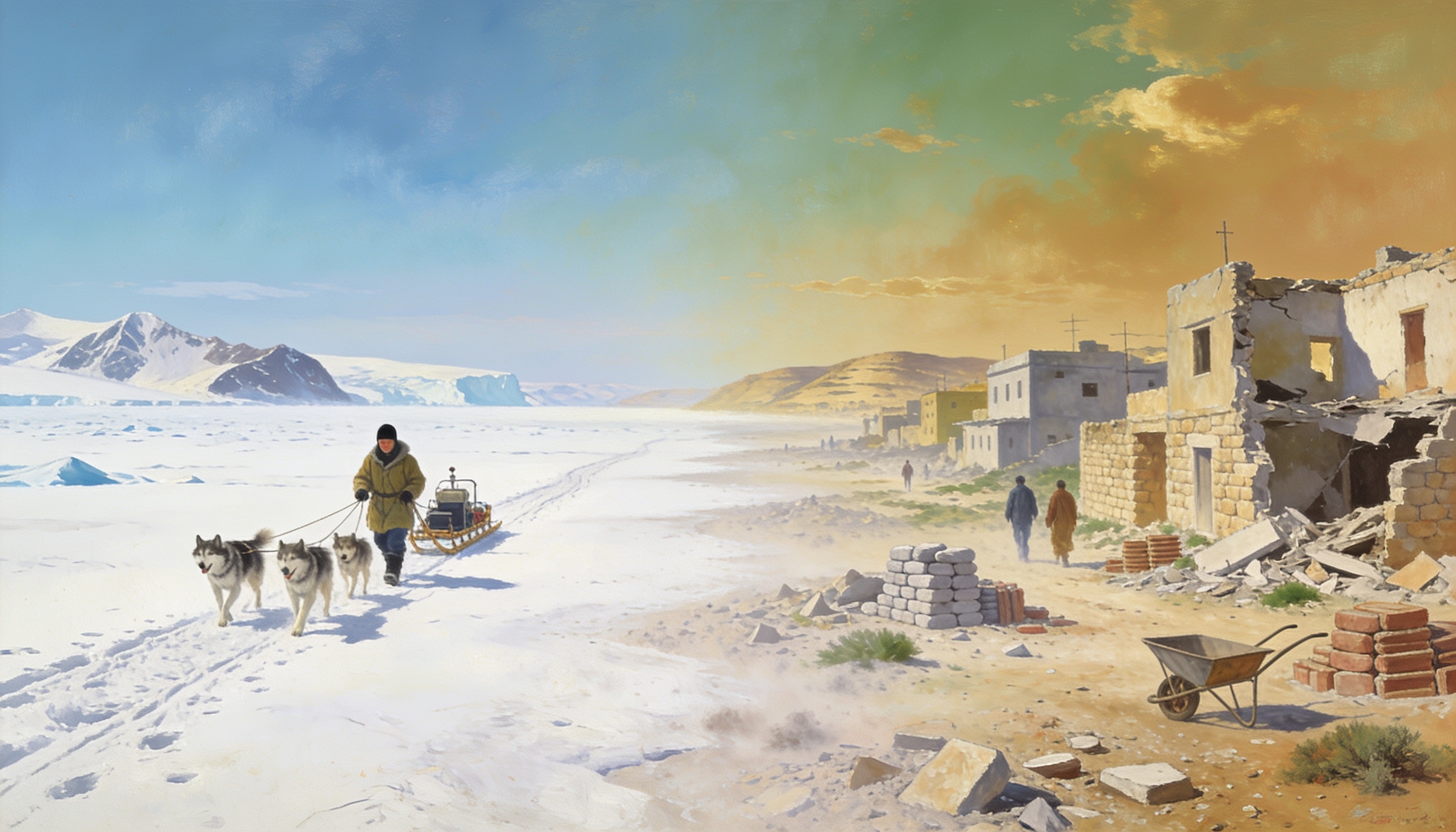
I was deeply moved while watching the Netflix series Antarctica , and I found myself wondering whether we in Lebanon could achieve something similar to what happened in Japan in 1950, or whether our situation is simply hopeless. The series revolves around the model embodied by the Japanese expedition to Antarctica in the 1950s, illustrating how a scientific and technical project can become a vehicle for rebuilding national sentiment in the aftermath of occupation and defeat. Emerging from the Second World War, Japan did not confine itself to rebuilding its physical infrastructure. It also sought to reconstruct its collective narrative and its image in the world by shifting the basis of legitimacy from the military sphere to the scientific and civil sphere. The expedition played a symbolic role in this transformation, as it was presented as evidence of the Japanese nation’s ability to rise again and reintegrate into the international community through peaceful means.

Lebanon: Living Together or Ritualized Fear?
Por
Mona Fayad
Publicado
Aug 20, 2026 - 19:45

During one of my visits to Canada, I stopped, as I usually do, at Volume bookstore, which carries valuable intellectual works that are no longer in print. There, I came across a small book by a Canadian author, Michel Poulin: Vivre et laisser vivre . I picked it up immediately because it deals with how people live together, what we in Lebanon call “coexistence.” The book’s central idea appears simple: my freedom ends where another person’s freedom begins. But the real question is: who determines those boundaries? The book rejects two extreme ideas: absolute freedom, which leads to chaos, and total control, which leads to repression. In place of these two, it proposes another form of freedom: “responsible freedom.”

The Manufacture of Fear, the State of Exception, and Human Life Laid Bare in Lebanon

Since the Ain al-Rummaneh bus incident in 1975, which served as the symbolic spark of the war, the Lebanese people have been caught in an unbroken cycle of organized fear, rather than occasional fear. This falls within what some thinkers call the “economy of fear” or the “politics of fear,” in which fear becomes something that is manufactured and managed, rather than merely a spontaneous emotion. Fear performs three dangerous functions here: First, it paralyzes collective action. When a society lives under the permanent threat of war, civil strife, collapse, or an external or internal enemy, its primary concern becomes individual survival rather than collective action. The possibility of organized resistance to any form of domination or occupation consequently begins to disintegrate.

The Illusion of “Fortified Tunnels” and the Data Blindness
Por
Mona Fayad
Publicado
Aug 4, 2026 - 12:26

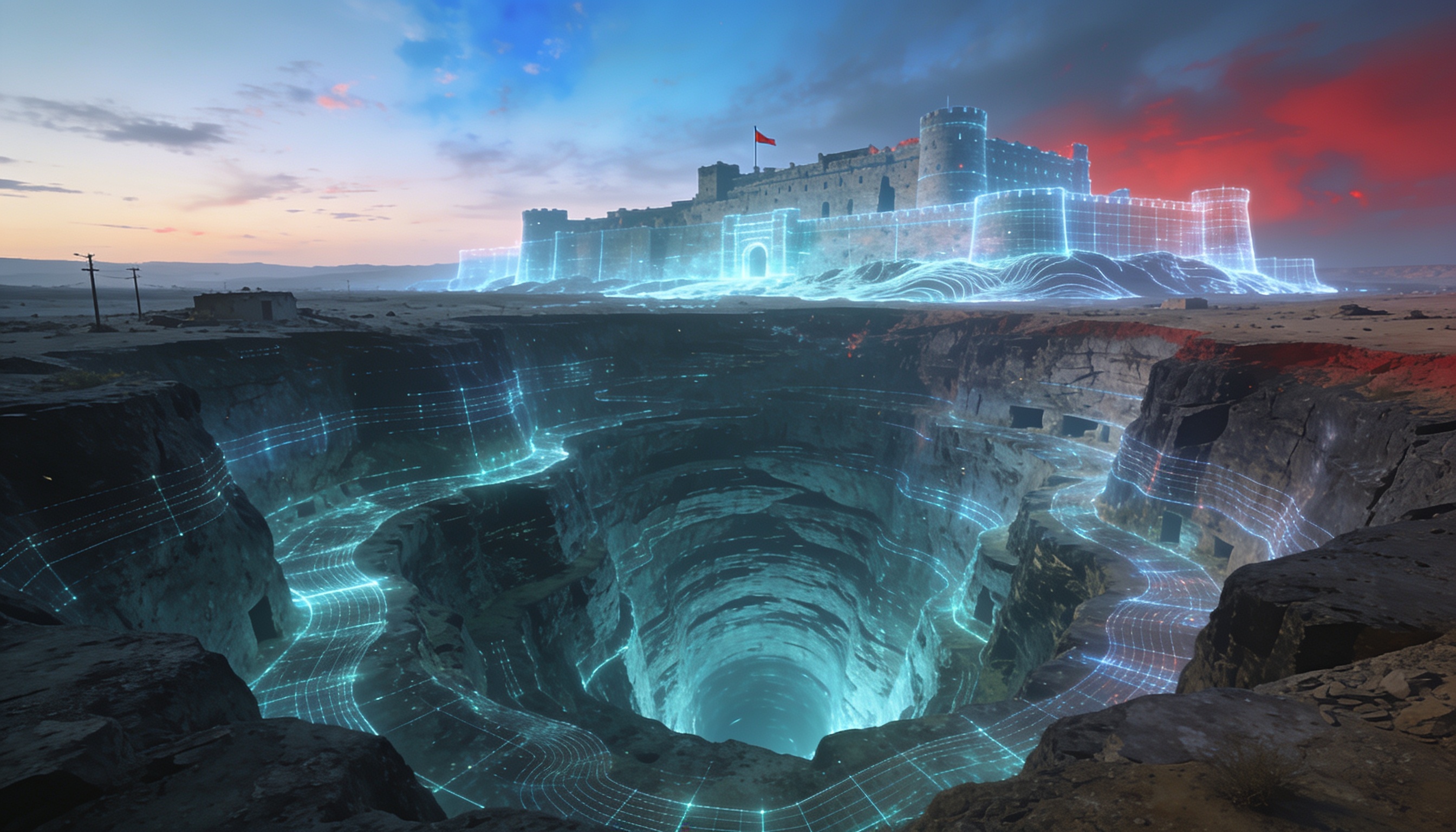
How can we make sense of the fact that, despite the existence of this other Lebanon beneath the ground, Hezbollah suffered such a devastating defeat, lost entire ranks of its fighters, and brought about the deaths and displacement of the people of southern Lebanon? It even contributed to reshaping and fragmenting the country’s geography itself. A speech by Hassan Nasrallah, in which he declared that he was searching for the Israeli soldier “with a lantern and a wick,” revealed to me not merely a passing political exaggeration, but an entire architecture of imagined power. What we are witnessing is not simply a gap between rhetoric and reality, but a deeper flaw: an unrealistic perception of capability itself. The power that Hezbollah projected through its network of tunnels and vast missile arsenal failed to “capture a single soldier” or alter the rules of engagement. The outcome is the reality we are living today.

Between Zero and One
Por
Mona Fayad
Publicado
Jul 20, 2026 - 16:07

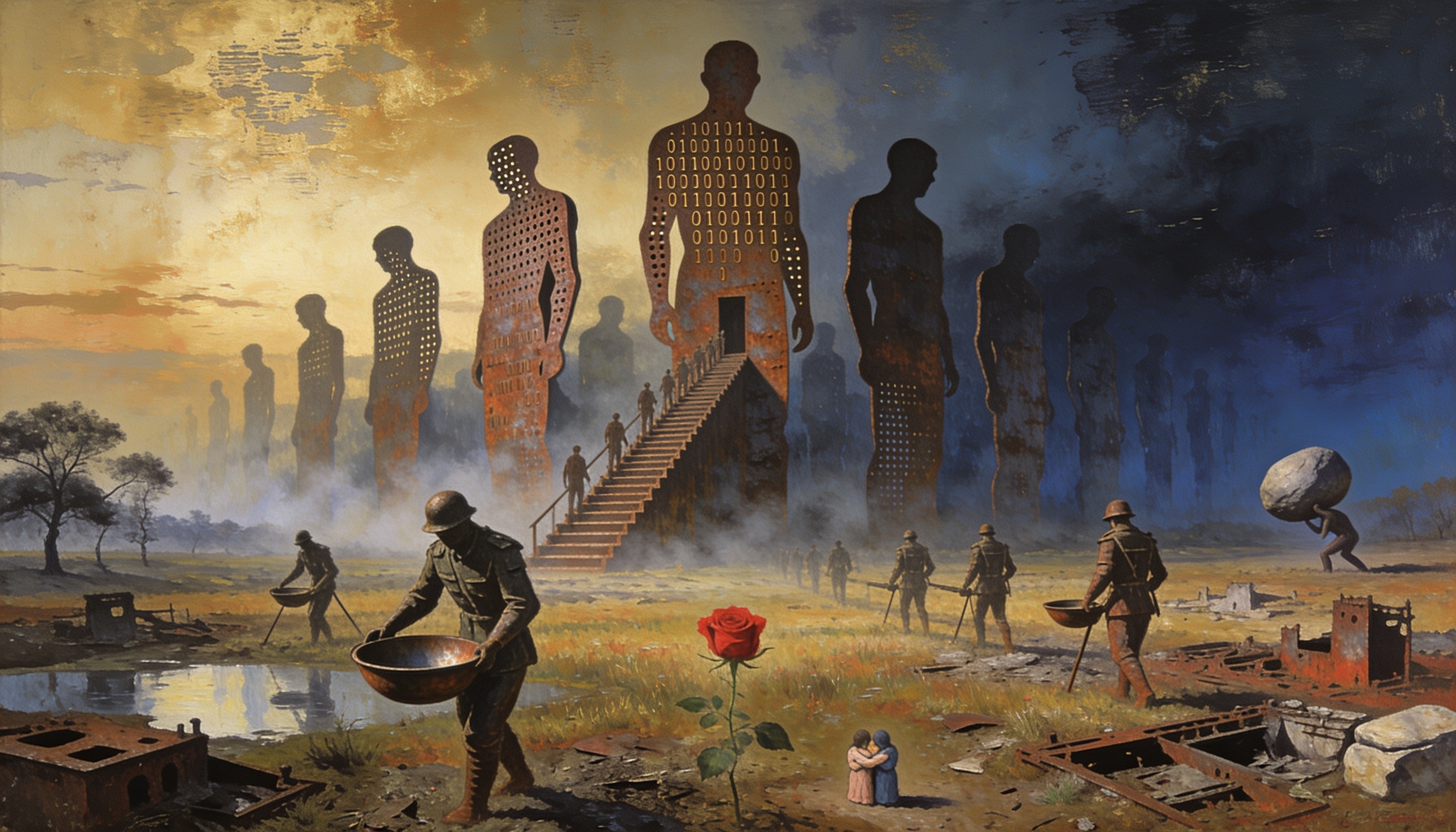
In the exhibition catalogue, Hady Sy presents his project as a search for “a path toward coexistence” between organic intelligence and technological intelligence, between memory and computation, between the hand and the algorithm. These worlds are not placed in opposition but brought into the possibility of an ethical encounter, one in which technology serves humanity while safeguarding its dignity. Yet the works themselves, as they unfold throughout the exhibition space, appear far less confident about the stability of this balance. They do not deny the possibility of coexistence, but they simultaneously reveal just how fragile it is.

War and the Bitter Knowledge of Geography
Por
Mona Fayad
Publicado
Jul 11, 2026 - 21:08

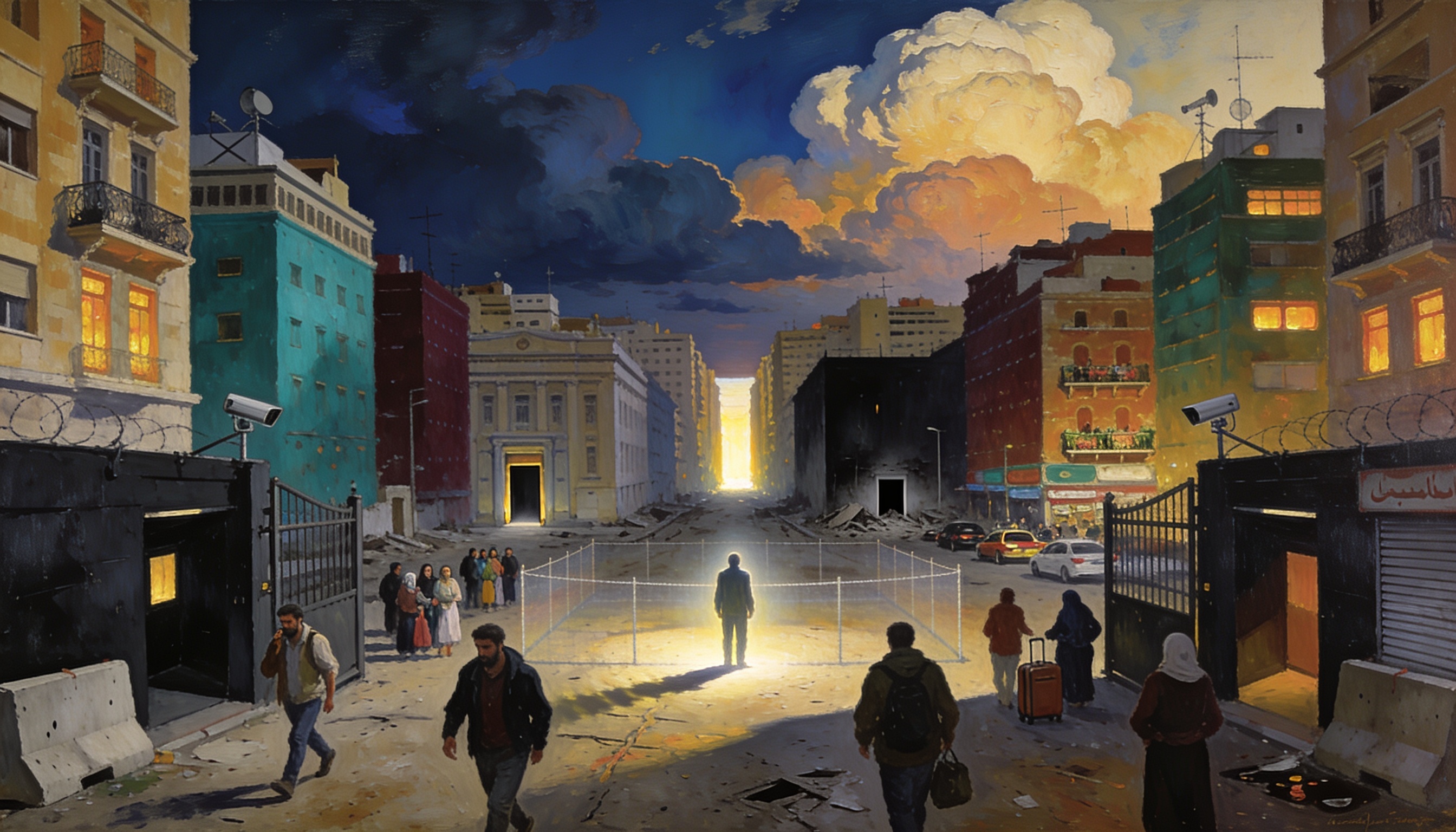
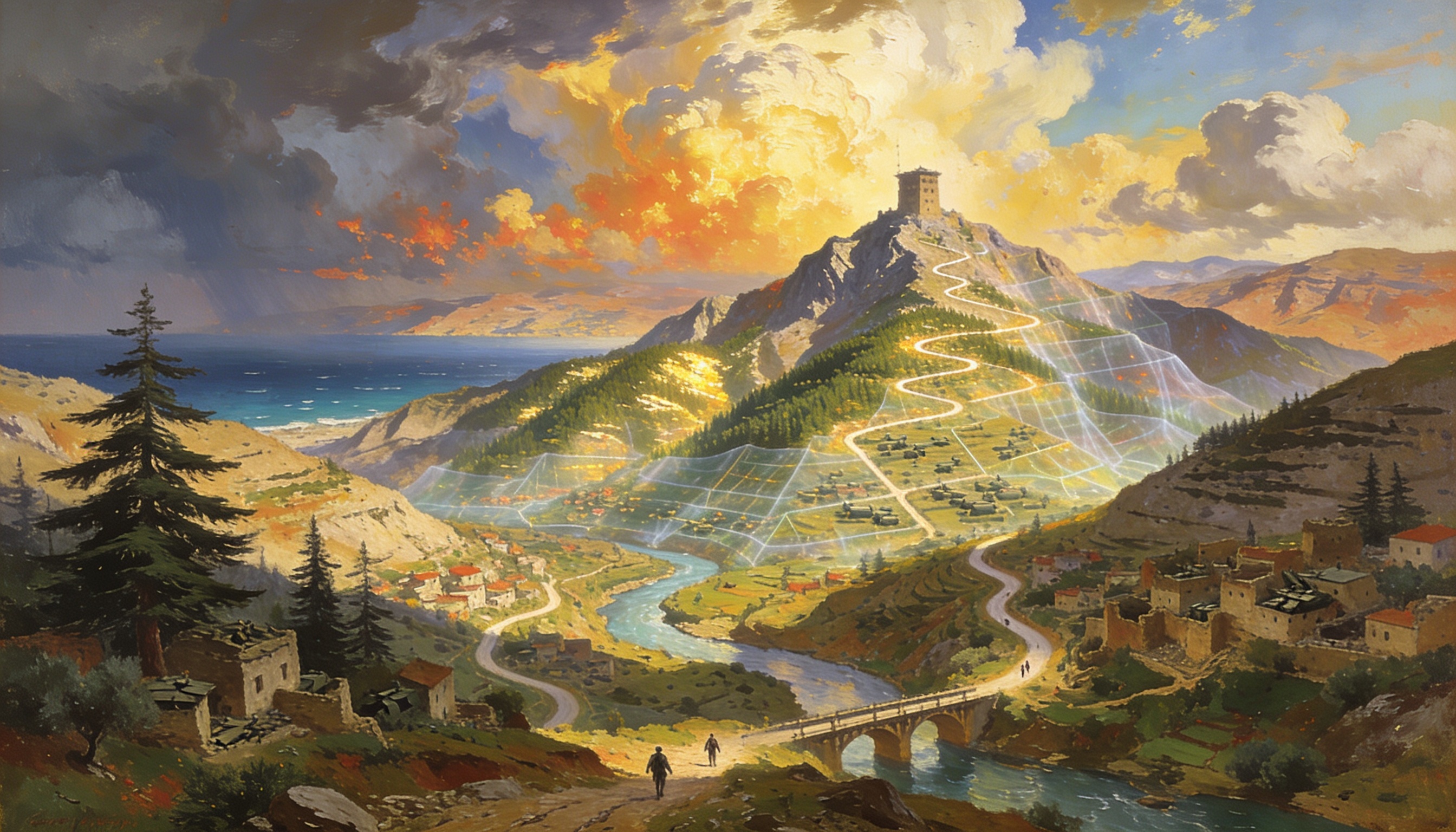
In ordinary life, we inhabit what anthropologists call a milieu : a space infused with memory and human relationships, made up of the home, the village square, the neighborhood shop, the mosque or the church, and the road to school. In wartime, place is transformed into space. It becomes an object of measurement and management: range, field of vision, supply line. The shift is from meaning to function, from dwelling to calculation and enumeration. It is as though the land were stripped of its story and rewritten in the language of war. War fractures our sense of belonging. Belonging is ordinarily built through stability and the quiet repetition of daily life: the same road, the same faces, the same habits. Once a place becomes threatened, belonging gives way to a state of anxiety. One remains attached to a place that may have to be abandoned at any moment. What emerges is a form of “provisional belonging”: you love the place, yet no longer trust that you will be able to remain there. This paradox leaves a lasting fracture within.

/