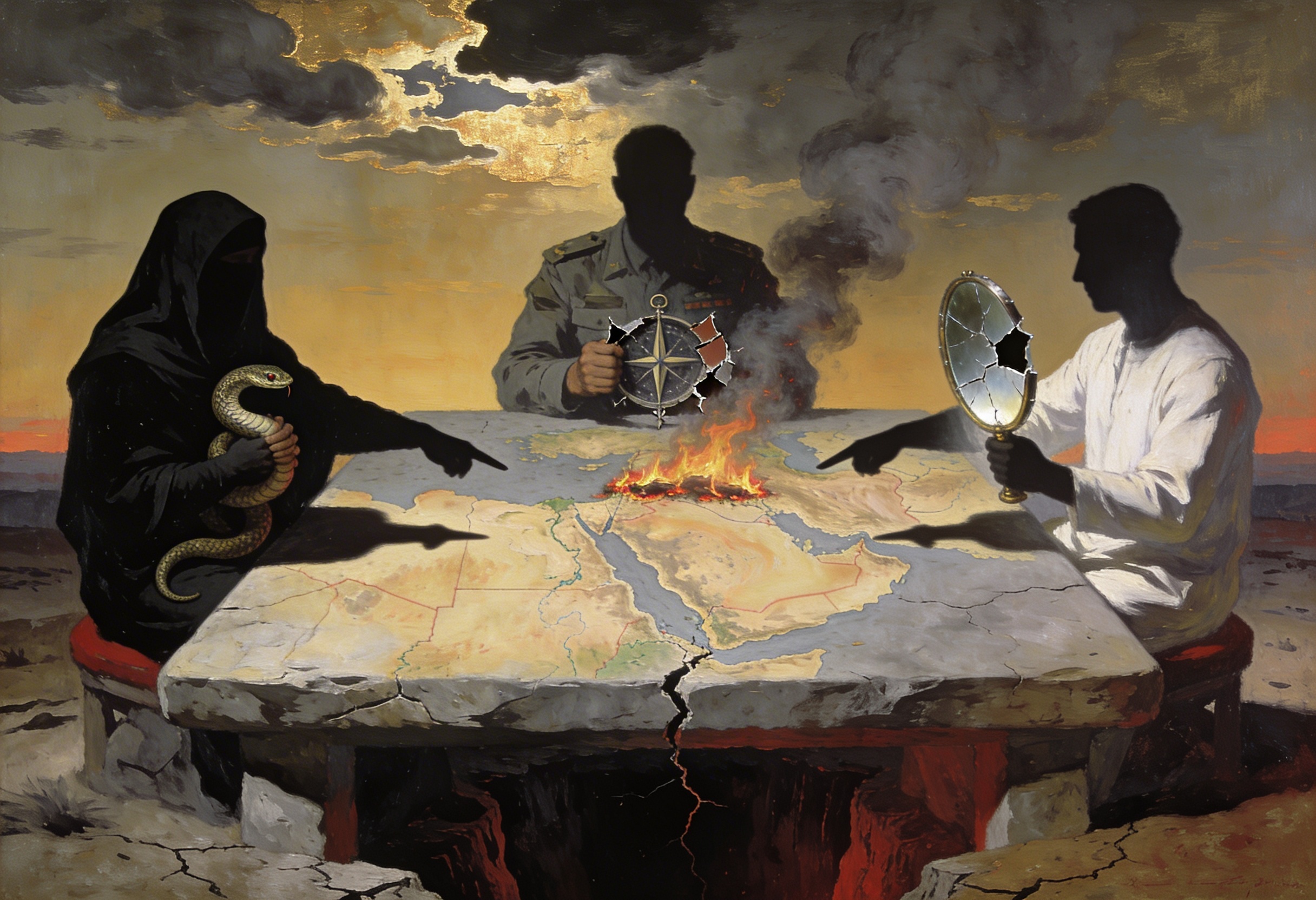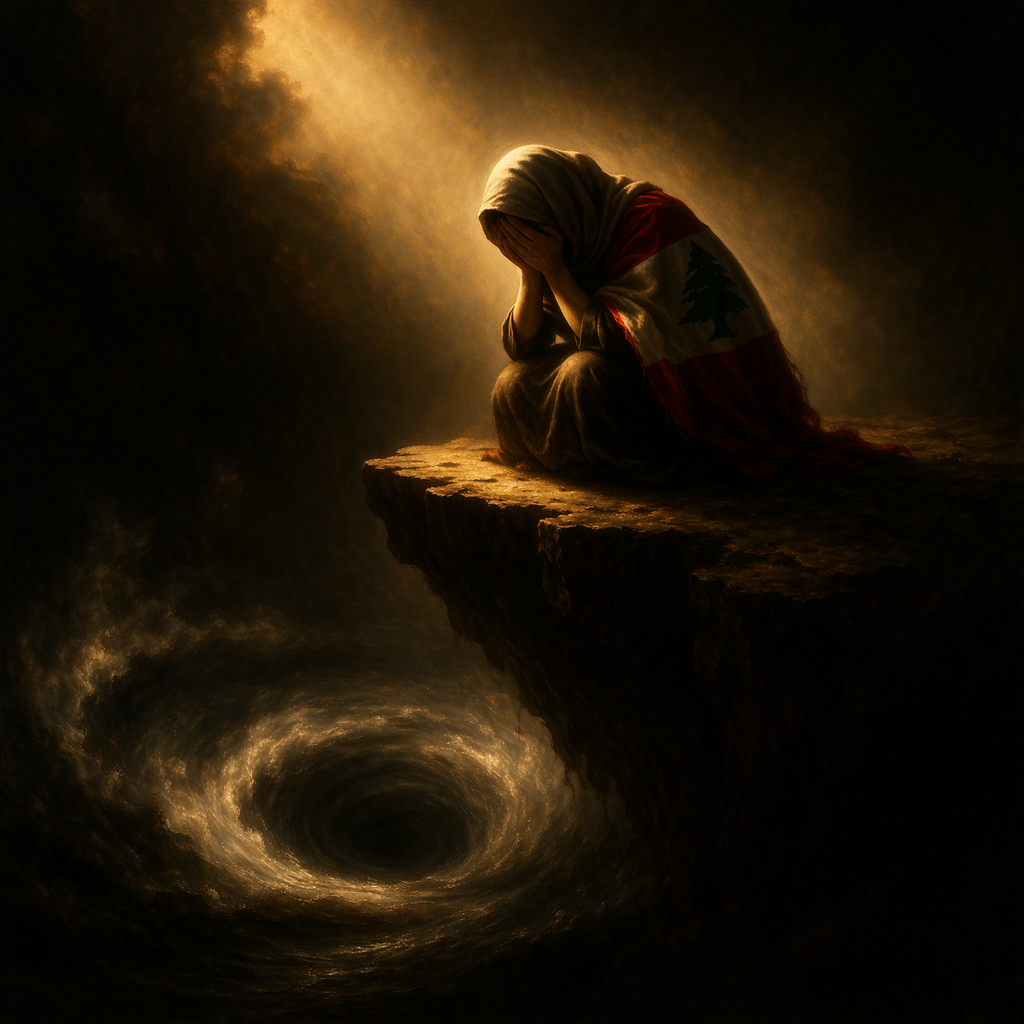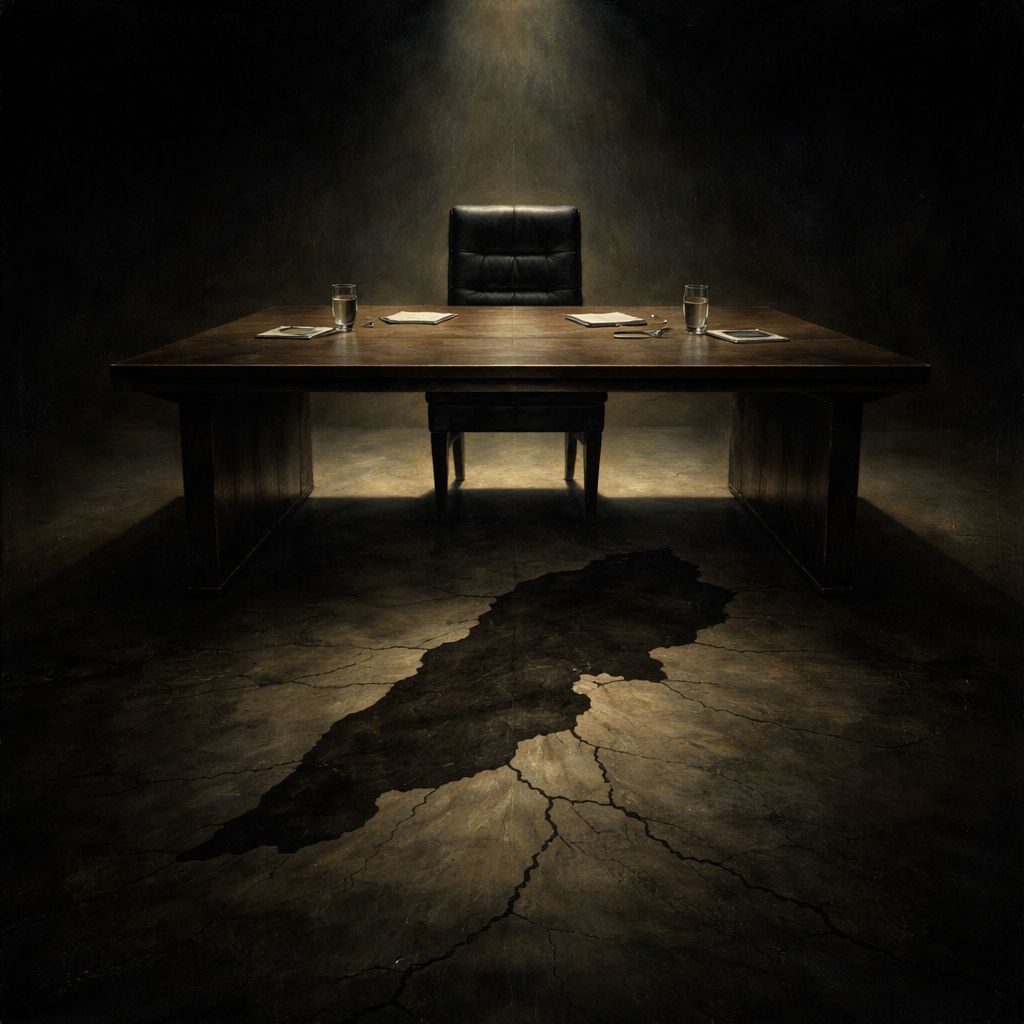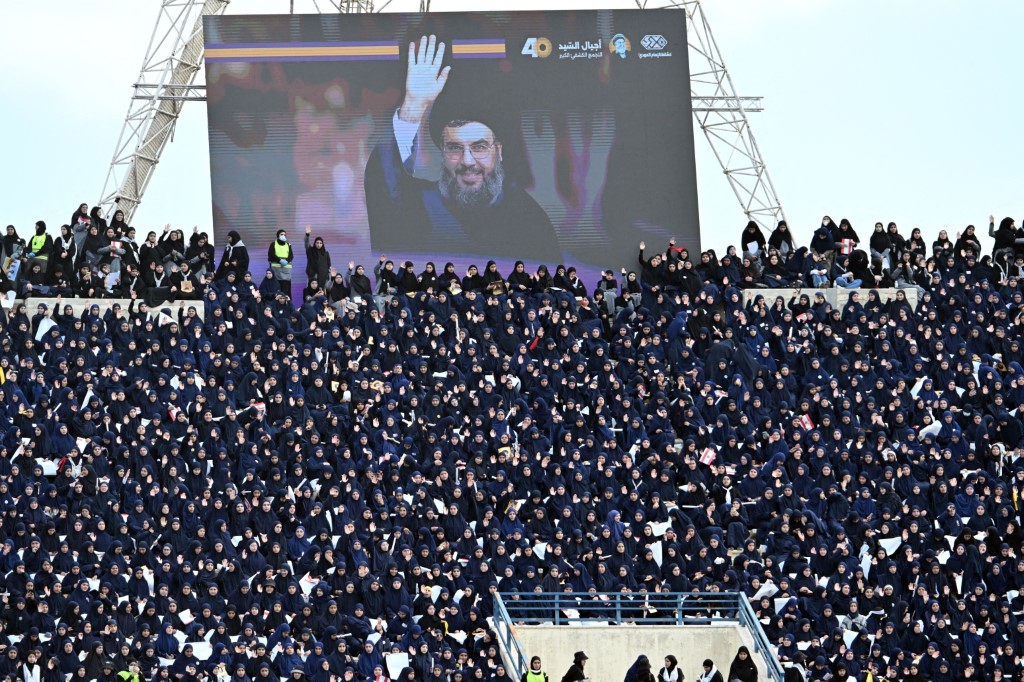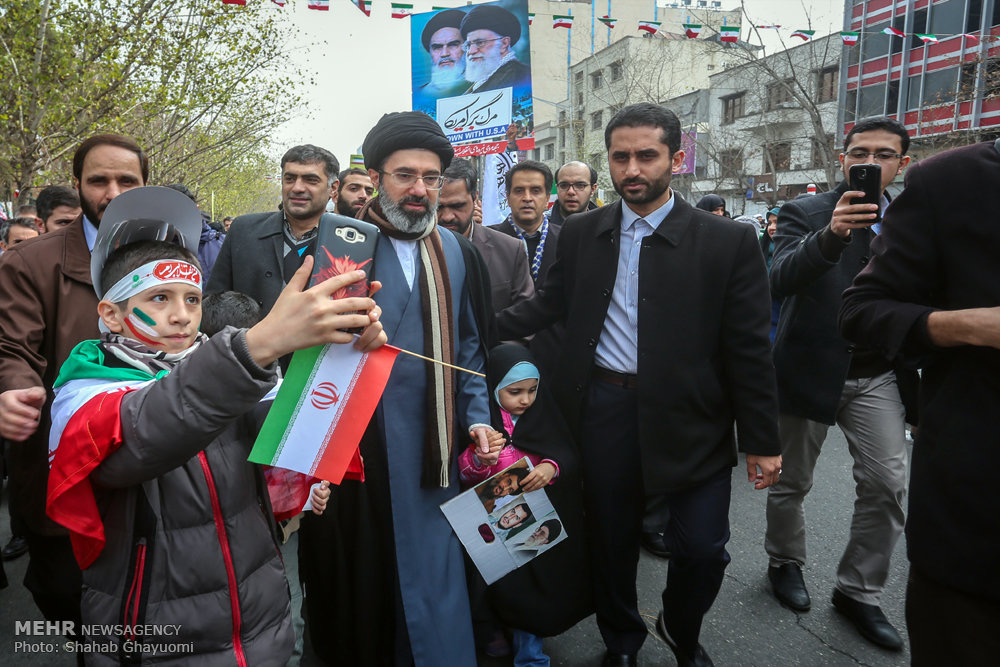
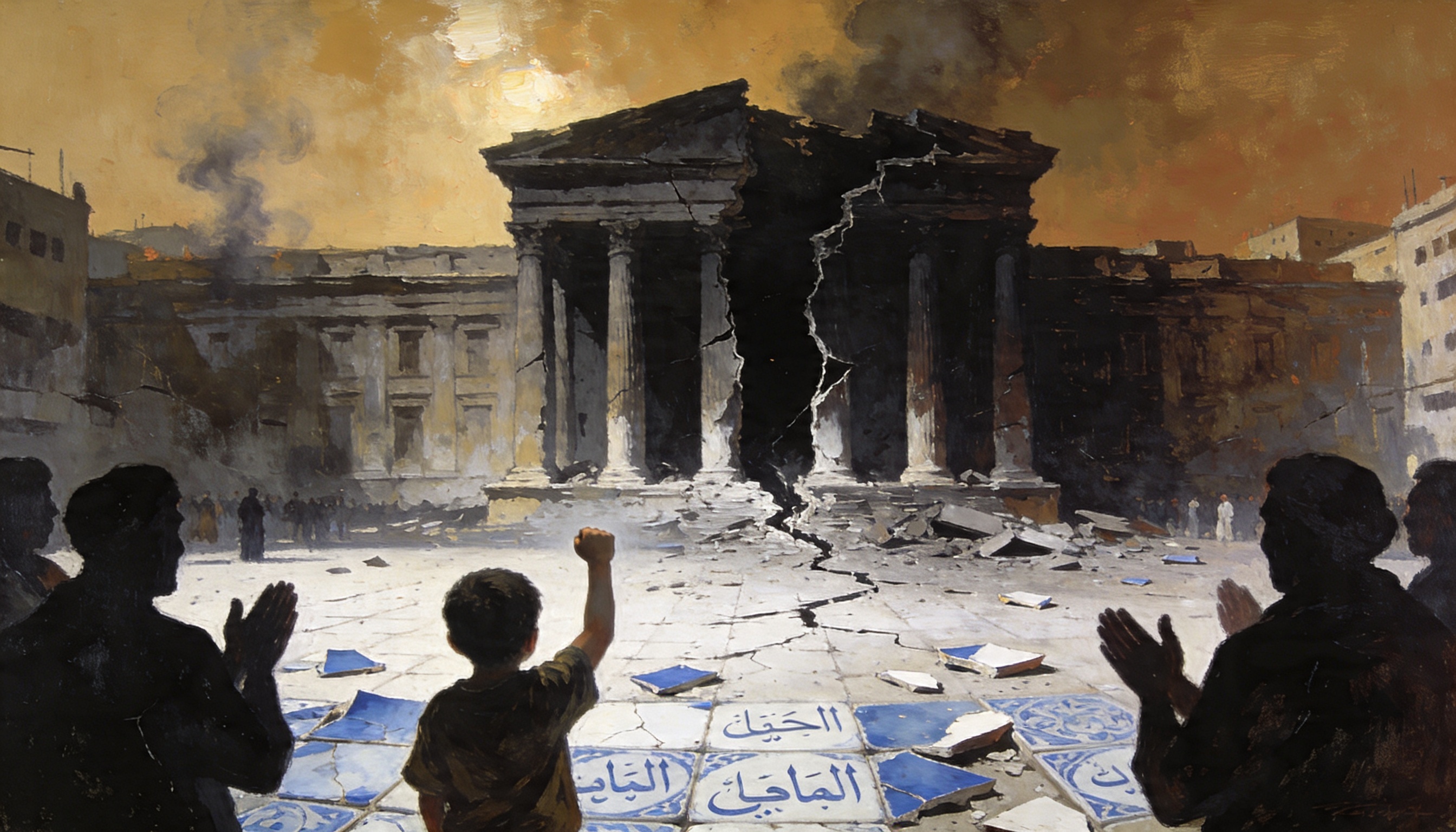
Division in Lebanon is no longer a consequence of war; it has become one of its instruments. What we are witnessing today might be described as an economy of division — hatred converted into raw material, produced daily, manufactured, distributed and consumed, serving several parties at once, even when those parties appear to be in open enmity. The conflict has migrated from military violence to symbolic violence. When an elderly man rises to insult the head of government in abject language, when another attacks the president and reminds him of Sadat's fate, when children are trained in invective and the glorification of militarisation extends even to a shoe, the matter no longer concerns the individuals targeted but what they represent: a circumvention of felt anxiety and fear, a deliberate intent to embed in popular consciousness the image of a collapsing state, to normalise insult as a mode of political expression, shifting the conflict from a critique of power to its degradation and accusation of treason. This goes well beyond moral decline or uncontrolled rage; it is, at its core, the sign of a far graver mutation — striking the image of the state in the collective consciousness and replacing public deliberation with defamation.