Levant Time logo
Micha Moussallem

Micha Moussallem

Lebanese Impressionism: Moustafa Farroukh, Painter and Committed Intellectual (4/4)

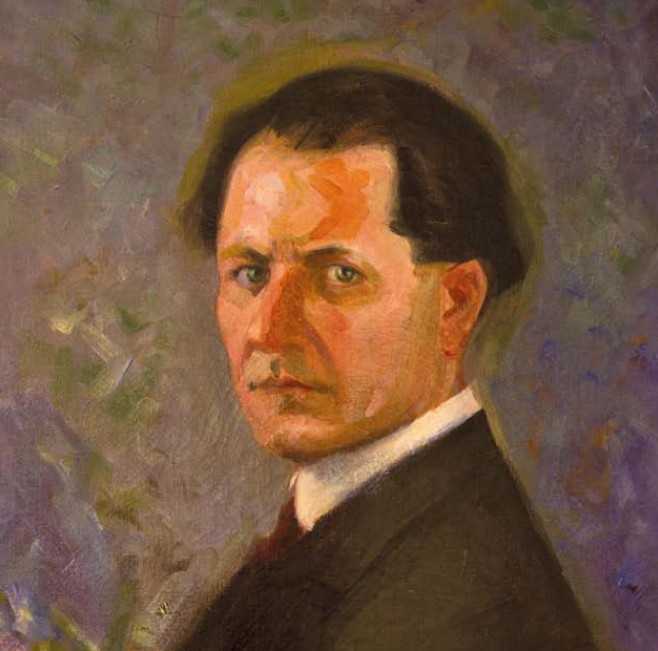
Moustafa Farroukh ranks among the leading pioneers of modern Lebanese painting and played a major role in shaping the country’s artistic landscape. He was born in 1901 in the modest Basta neighborhood of Beirut, into a Sunni family, and died in 1957. From an early age, he was encouraged and trained in the studio of the modernist painter Habib Srour. In 1927, he left Beirut for Rome, where he studied at the Regia Accademia di Belle Arti (San Luca), graduating the same year. He later continued his training in Paris, notably under Paul Émile Chabas, then president of the Société des artistes français. He began exhibiting in major artistic events, including the Paris Salons, the Rome Biennale, and later in Venice, New York, and Beirut.
Lebanese Impressionism: César Gemayel, a Pioneer Between Two Worlds (3/4)
By
Micha Moussallem
Published
Apr 10, 2026 - 12:26

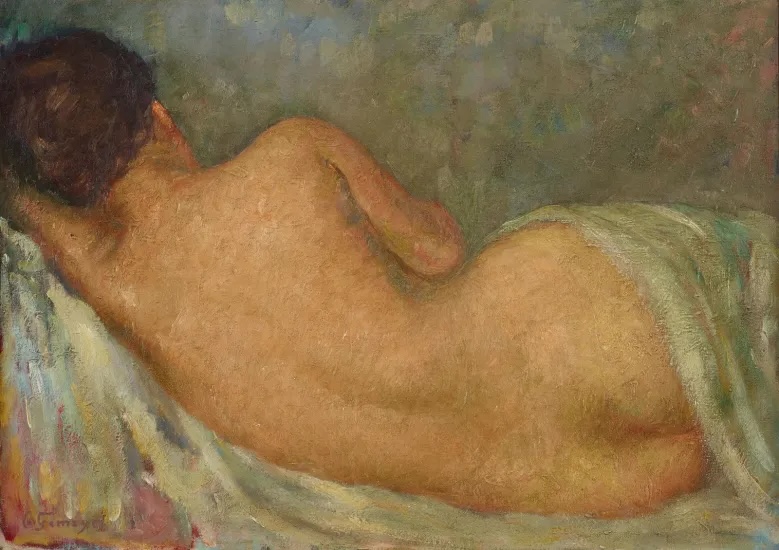
A key institutional figure and a major painter, César Gemayel stands as one of the pillars of modern painting in Lebanon. His career is defined by a transition from rigid, static academicism to a more sensuous and Oriental form of expression. He helped shift Lebanese art from purely religious or documentary forms toward a more personal expression, transforming traditional Lebanese forms of art into a modern visual language shaped by Impressionist and Parisian influences. The Man César Gemayel was born on February 9, 1898, in Aïn el-Touffaha, a small village in Mount Lebanon near Bikfaya, then under Ottoman Empire, into a family of notable standing.

Lebanese Impressionism: Omar Onsi, Master of Light (2/4)
By
Micha Moussallem
Published
Apr 8, 2026 - 14:52

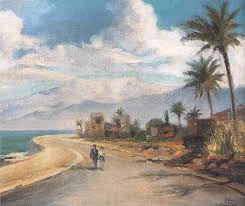
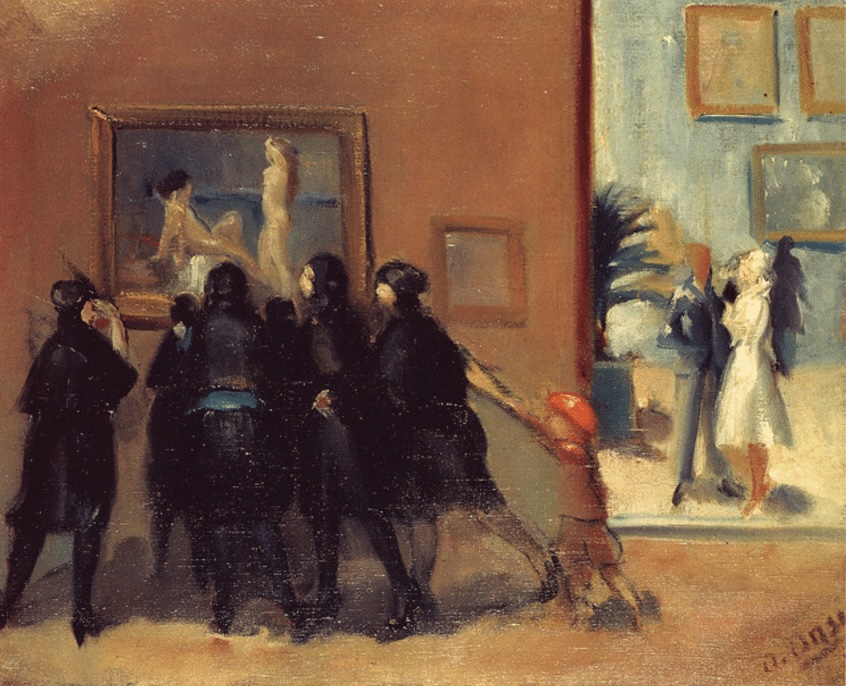
As noted in our previous article, the four pioneers of modern Lebanese painting – Khalil Saleeby, Omar Onsi, César Gemayel, and Mustafa Farroukh – imbued Western Impressionism with a distinctly Lebanese and Eastern spirit. Omar Onsi, a leading figure in modern Lebanese painting, is distinguished by his mastery of transparency and light. By working primarily in watercolor, he captured the poetic essence of Lebanon’s mountaintops and its natural landscapes. Influenced by Monet, Onsi abandoned the use of black, instead rendering shadows in deep blues and purples. Painting outdoors, his exceptional command of light earned him the nickname “Lebanon’s master of light.”

Lebanese Impressionism: from the Parisian Greyness to the Light of Mount Lebanon (1/4)

The year 2026 marks the centenary of the death of Claude Monet, one of the founding figures of Impressionism. It was, after all, one of his paintings – Impression, Sunrise (Impression soleil levant) – that lent the movement its name. Impressionism emerged in France in the 1870s, carried by artists such as Claude Monet, Auguste Renoir, and Camille Pissarro. Breaking with the rigid rules of the Academy, the Impressionists moved away from the idea of rendering the “subject” with polished perfection. Instead, they sought to capture light, the fleeting moments, and the impression that a scene or model conveys. They embraced a spontaneous, unfiltered vision of the world, stripped of hierarchy – characterized by fragmented touches, swift, visible brushstrokes, and an intensive use of color, in which even shadows shimmered with hues of blue or violet rather than of black.

The National Museum of Iran: A Mirror of a Millennia-Old History (2/2)
By
Micha Moussallem
Published
Feb 19, 2026 - 12:45

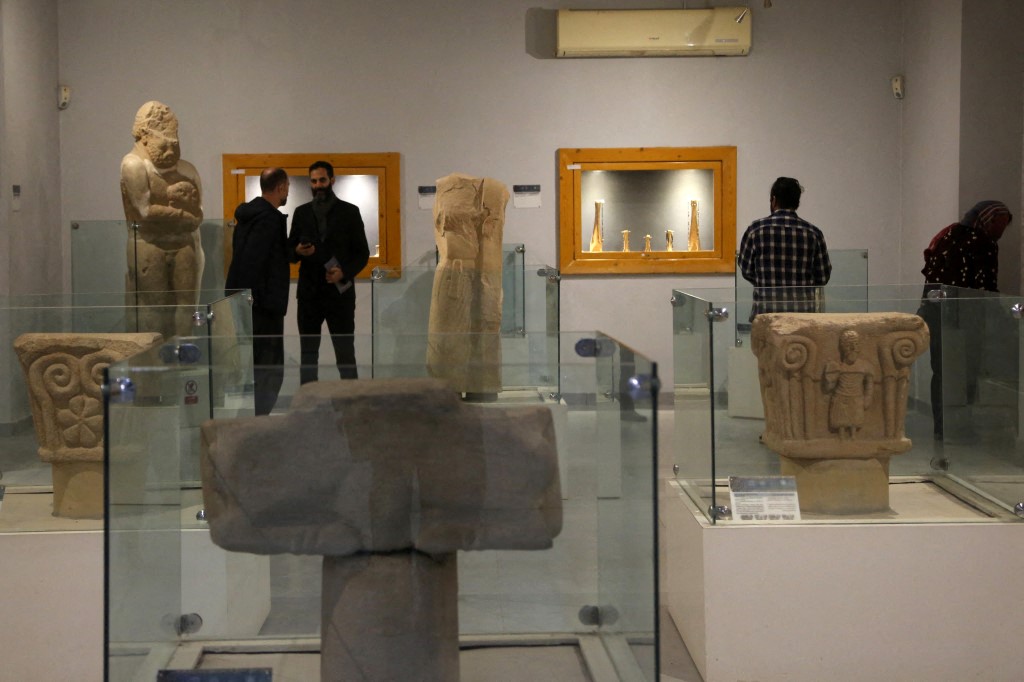
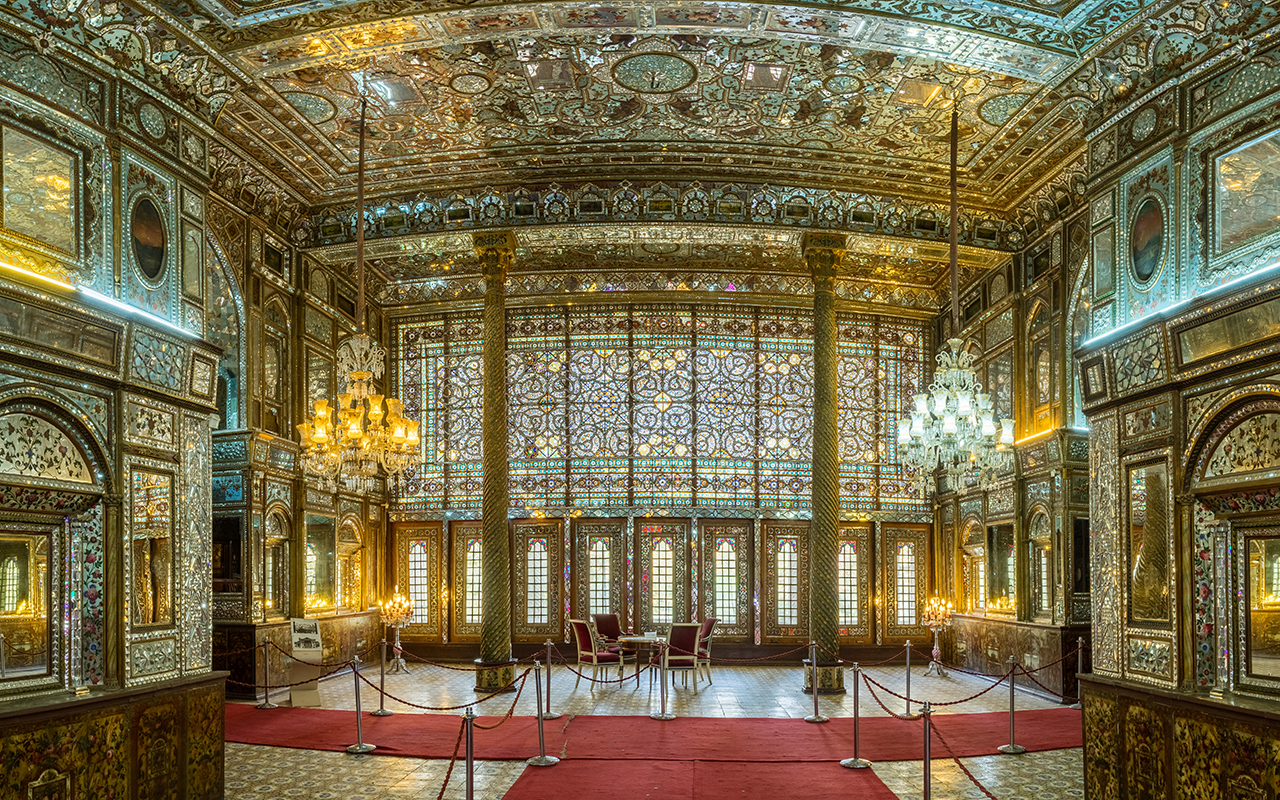
Museums in Iran play a key role in supporting the country’s political and diplomatic strategy. They are also crucial for preserving and showcasing the treasures of Persian civilization. The National Museum of Iran stands as the country’s foremost archaeological and historical museum. It highlights the richness of Persian heritage and houses invaluable collections spanning Iranian history – from the Paleolithic era through the Medes, Elamites, Achaemenids, Parthians, Sassanids, and into the Islamic period. Within its walls, the official narrative of “Iran” is articulated: a continuous thread running from Elam and the Achaemenid Empire to the Islamic Republic, represented by over 300,000 objects that weave together the nation’s millennia-spanning history.

Museums in Iran: a Heritage Under Siege (1/2)
By
Micha Moussallem
Published
Feb 16, 2026 - 11:27

Since the increase in regional tension, the strikes targeting Iran in 2025, and the latest popular uprising in Iranian cities, authorities have multiplied emergency measures around museums. The aim was to protect invaluable heritage from the risks of bombing, sabotage, or even looting. Concretely, this translated into prolonged closures, reduced hours, meticulously supervised visits, and the discreet transfer of some major pieces to secret reserves. This bunkerization reflex is part of a deeper and older climate of tension and crisis, marked for decades by a tightening of the cultural space throughout the country.

Sheikh Zayed Grand Mosque: An Architectural Jewel and Symbol of Tolerance
By
Micha Moussallem
Published
Feb 10, 2026 - 00:32

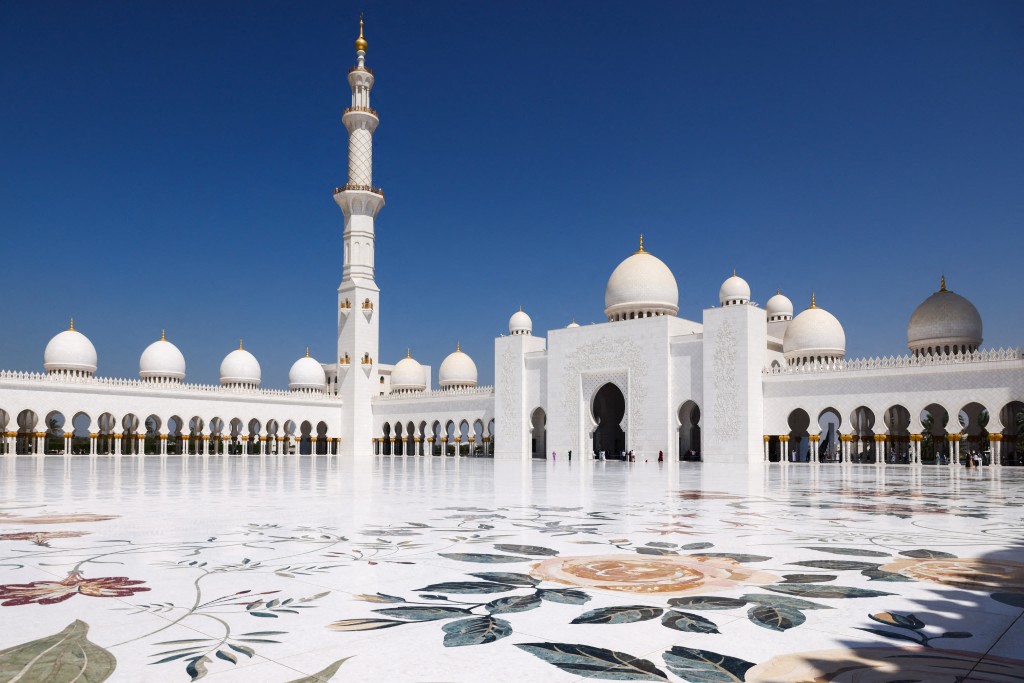
The Sheikh Zayed Grand Mosque in Abu Dhabi is one of the most iconic landmarks of the United Arab Emirates. A true architectural masterpiece, it welcomes nearly 7 million visitors a year, 82% of whom are international tourists. Beyond its grandeur, the mosque serves as a platform for interfaith dialogu and the promotion of universal human values. The mosque’s story begins in the 1980s, when Sheikh Zayed bin Sultan Al Nahyan, the founding father of the United Arab Emirates, envisioned a place of worship that would symbolize the moderation of Islam. His vision was clear: to create a building that promotes tolerance and cultural exchange while blending the cultural diversity of the Islamic world with both historical and contemporary architectural and artistic values.

The Louvre Abu Dhabi, a bridge between civilizations (2/2)
By
Micha Moussallem
Published
Feb 2, 2026 - 12:59

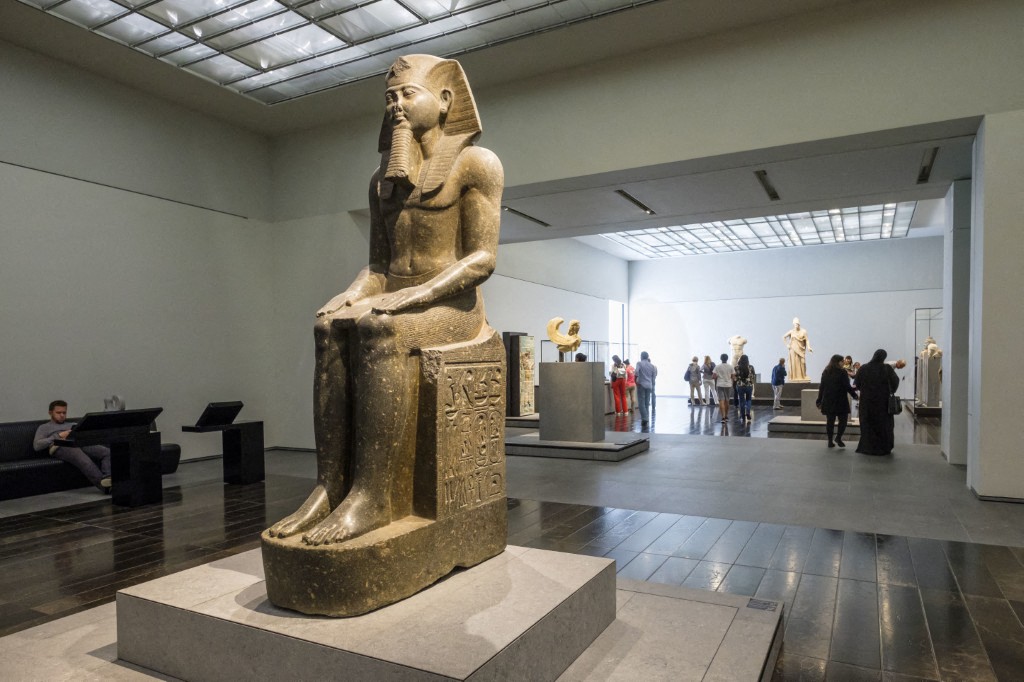
The Louvre Abu Dhabi sits at the heart of a deliberate strategy to establish the Emirate as an international cultural hub. The museum embodies Abu Dhabi’s ambition to position itself as a bridge between civilizations, aiming to transcend the image of an Emirati society seen as “purely oil-driven” and to assert an identity firmly oriented towards global culture. It is a major art institution, conceived as a universal museum, highlighting the interactions of human creativity across cultures, civilizations, religions, eras, and prejudices. Layout and Scenography At the Louvre Abu Dhabi, artworks are displayed according to a distinctive curatorial approach that emphasizes universal narratives – such as creation, religion, power, and exchange – rather than rigid geographic divisions. This represents an unsual approach for an art museum.

The Louvre Abu Dhabi, at The Heart of The «Soft Power» of the United Arab Emirates (1/2)

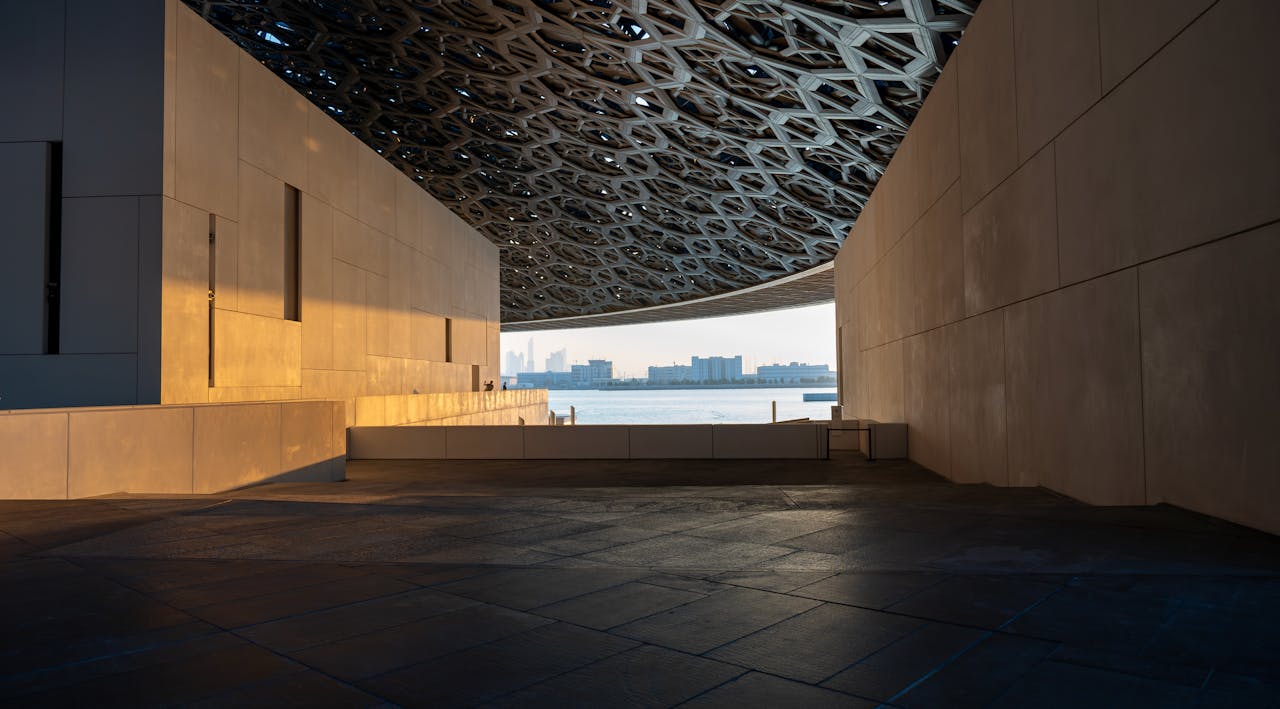
The Louvre Abu Dhabi is a universal art museum located on Saadiyat Island, the aptly named 'Island of Happiness', which aims to become the new cultural center of the UAE. With its temporary exhibitions co-organized with major French museums and its 'universal' discourse, the museum contributes to the soft power of the United Arab Emirates and to the redefinition of the Arab world's place in international art and heritage circuits. The origins The Louvre Abu Dhabi is the result of an intergovernmental agreement between France and the United Arab Emirates, which allows the latter to use the name "Louvre" until 2047.

The Looting of the Iraq Museum: A Major Cultural Disaster
By
Micha Moussallem
Published
Jan 27, 2026 - 20:31

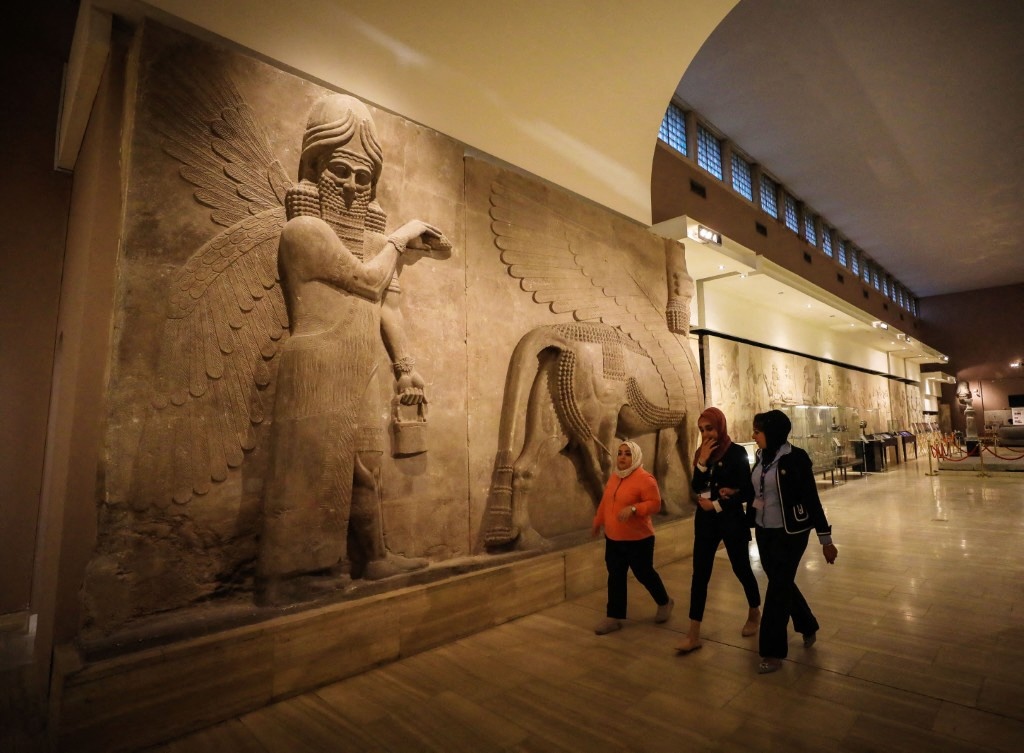
The looting of Iraq’s National Museum in 2003 led to the loss of priceless artefacts and triggered a domino effect, manifested in the widespread plundering of archaeological sites across the country. This, in turn, fueled the international trafficking of antiquities and severely hampered scientific research in the field. The episode has since become an emblematic case of the political responsibility borne by occupying forces in wartime, the emergence of an economy built around the illicit antiquities trade serving organized crime and terrorism, and, in parallel, the development of a “recovery diplomacy” involving international cooperation to secure the return of stolen objects.