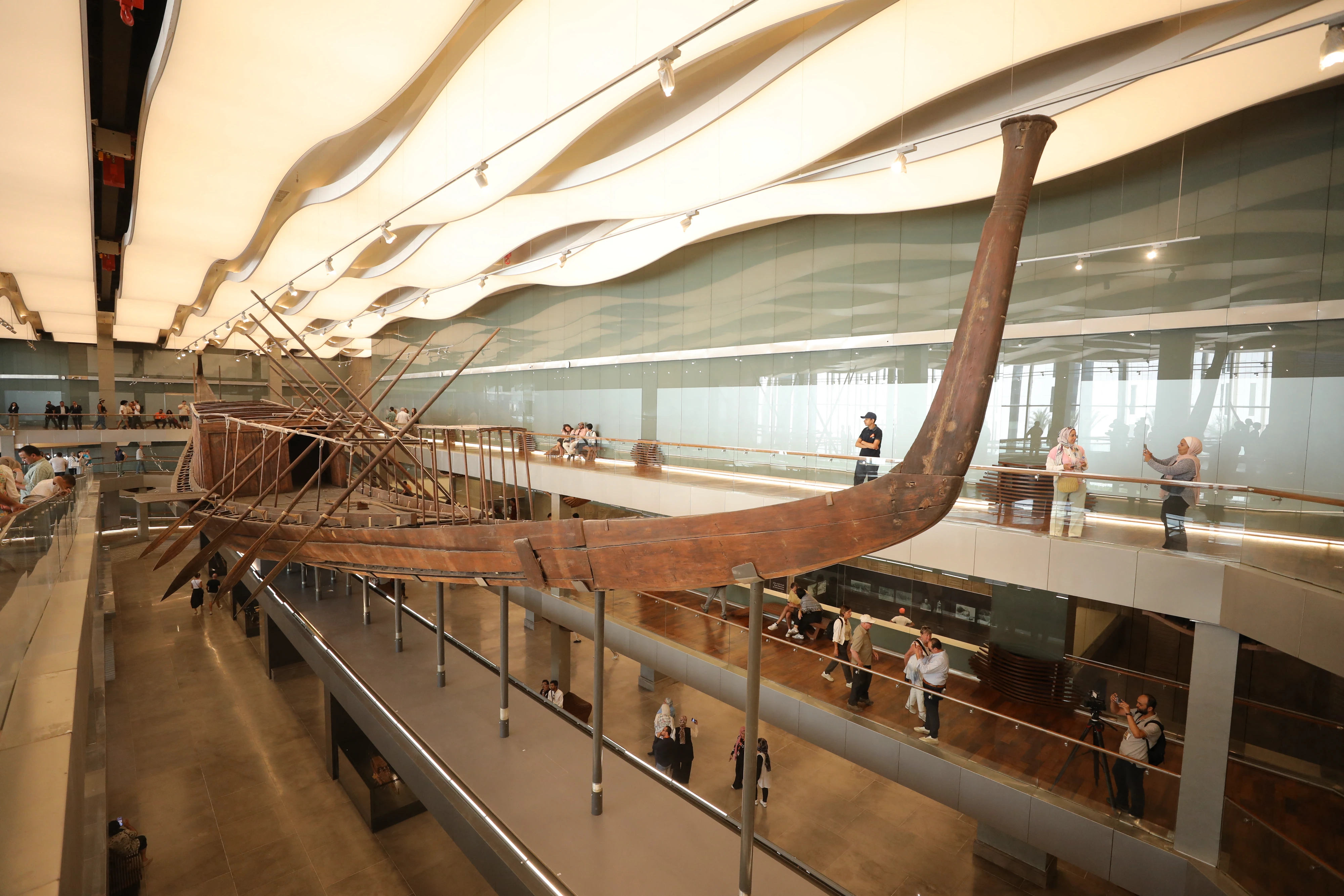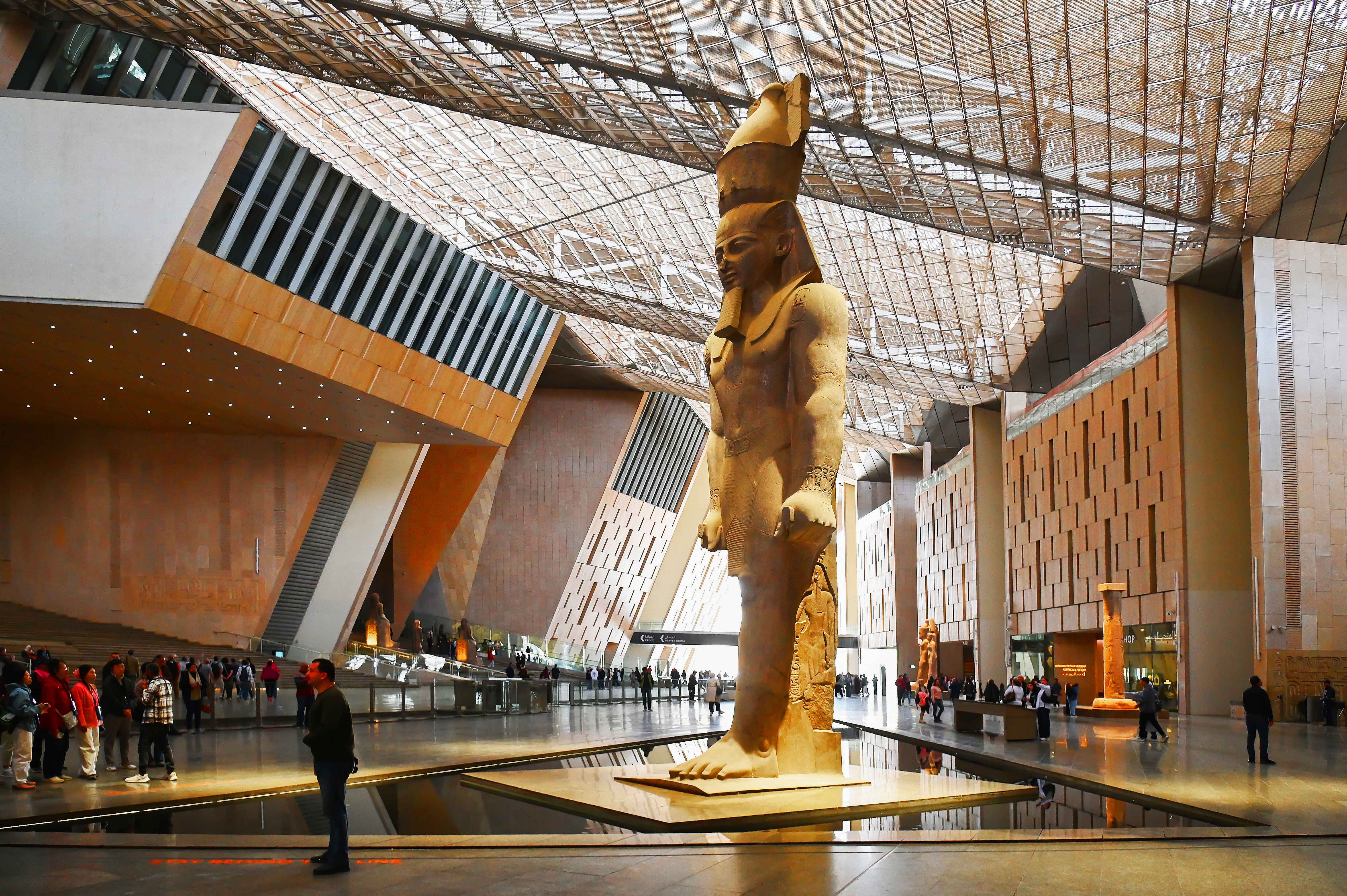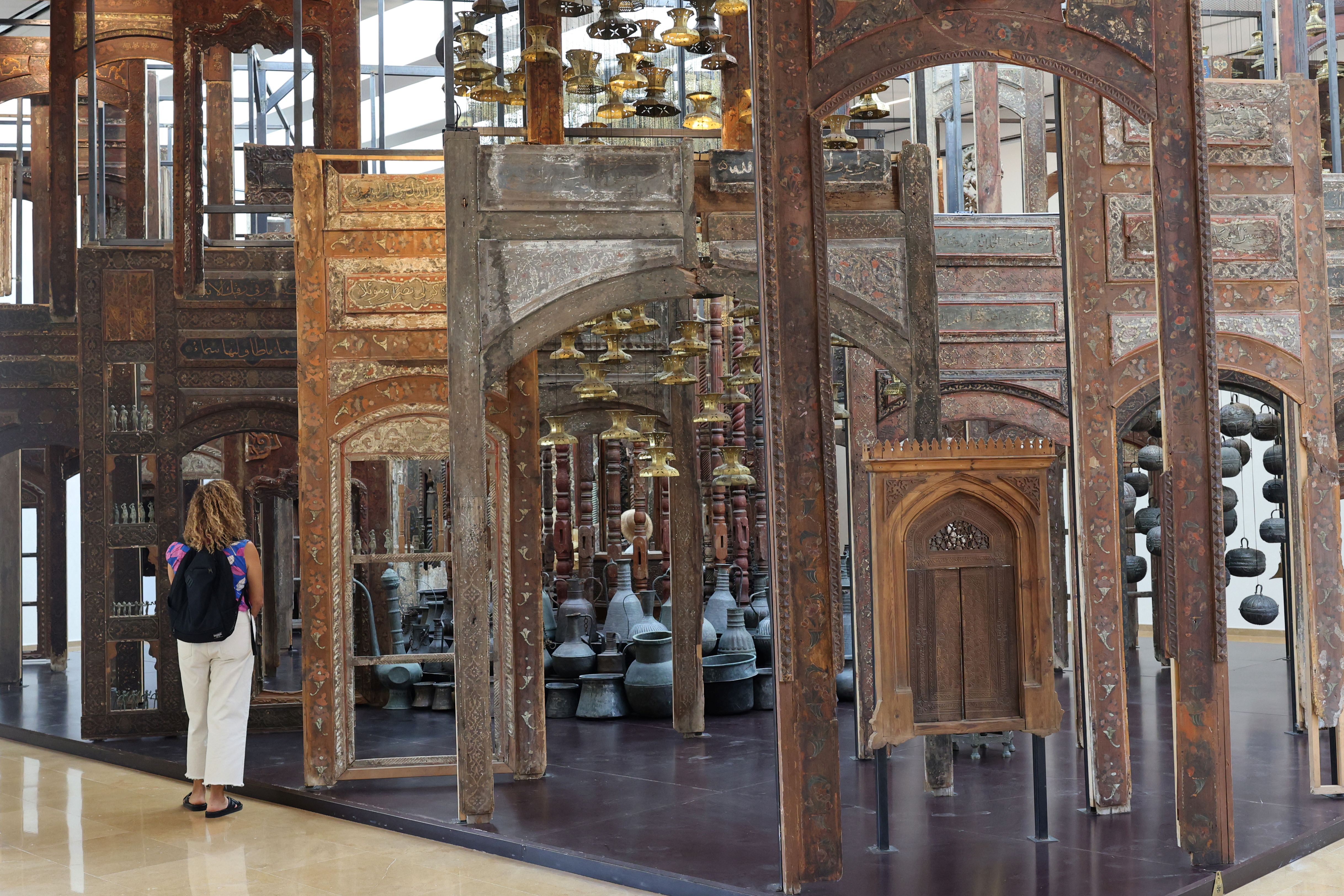
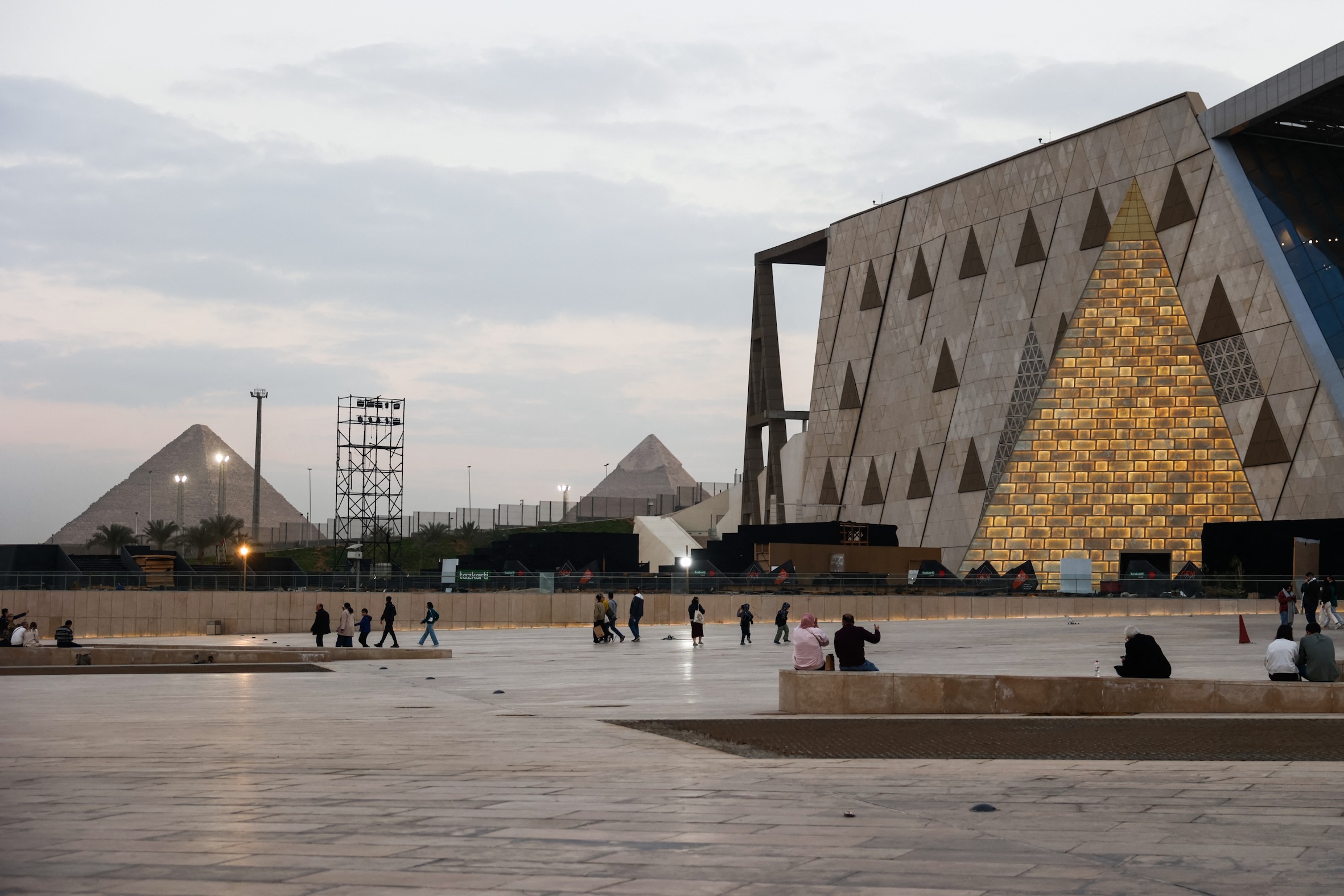
In our previous articles, we briefly explored the construction of the Grand Egyptian Museum and highlighted its major role as a research center. We also reviewed some of the extraordinary treasures it houses. But what of its economic, cultural, and national significance for Egypt? One of the Grand Egyptian Museum’s (GEM) primary roles is undoubtedly economic. It aims to attract tourists from across the globe, thereby playing a central part in the country’s economic dynamism. Situated near the Giza pyramids, the GEM is a cornerstone of Egypt’s new tourism strategy, with the goal of drawing up to 30 million visitors annually by 2030. This would place it among the world’s most visited cultural institutions. Such an influx is expected to revitalize ancillary sectors such as hospitality, catering, transport, and even small local businesses, creating thousands of direct and indirect jobs.