Levant Time logo
LevantTime .

LevantTime .

Tehran sets six conditions for Washington to unblock the Strait of Hormuz
By
LevantTime .
Published
Aug 8, 2026 - 23:05

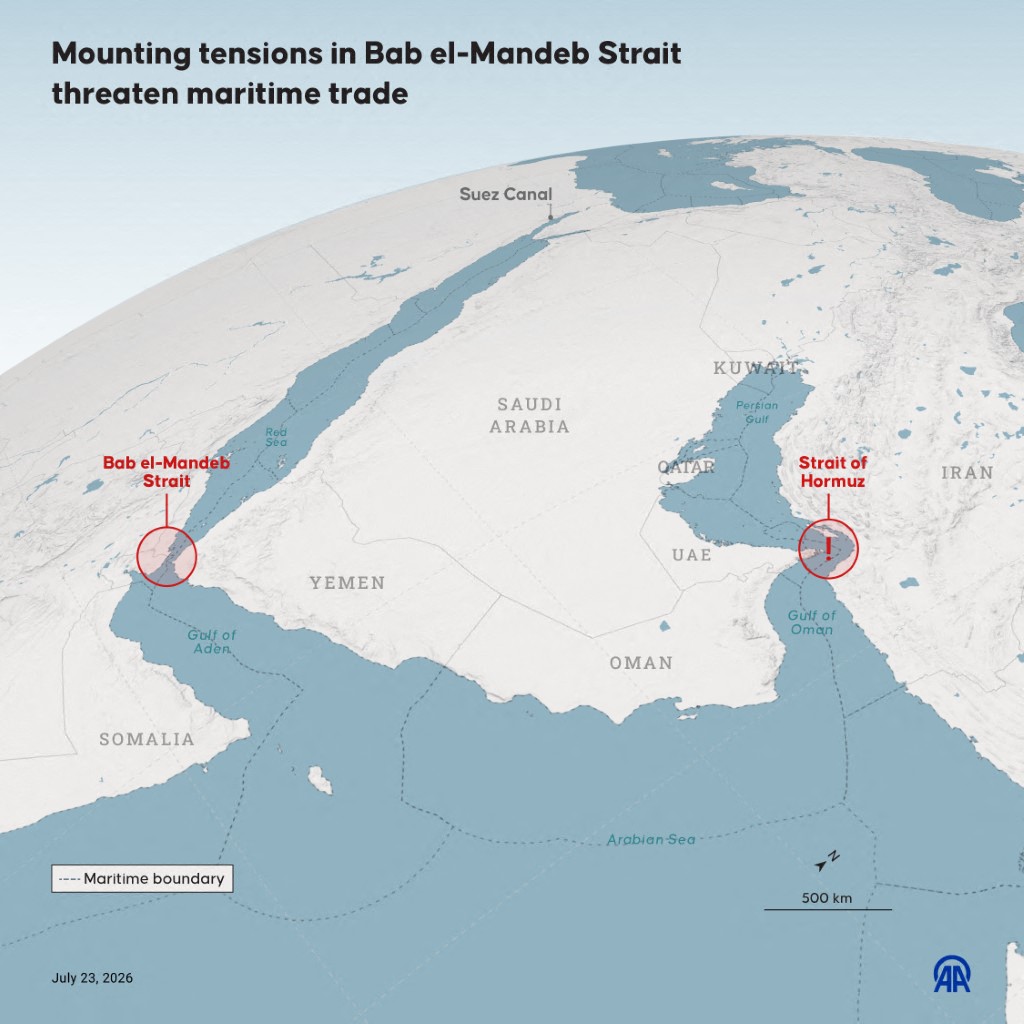
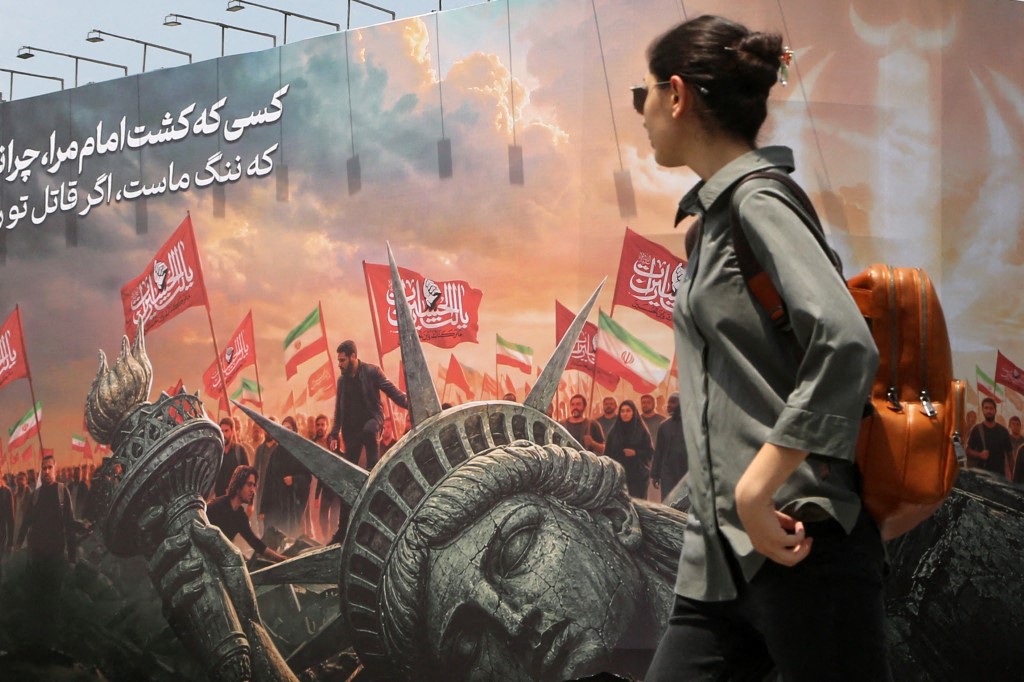
A precarious — and unsettling — calm has prevailed for nearly 48 hours across the Levant and Gulf region, following attacks launched earlier this week by the Iranian-backed Yemeni Houthi militia against Saudi positions along the Yemen-Saudi Arabia border, as well as against areas held by Yemeni loyalist forces under the government recognized by the international community. These loyalist units were set to launch major offensive operations against Houthi positions overnight Friday into Saturday morning. The only notable security development on Saturday, August 8th, was an attack carried out by Iran's Islamic Revolutionary Guard Corps against a UAE tanker in the Strait of Hormuz region. The UAE condemned the attack, describing it as an act of "Iranian piracy."
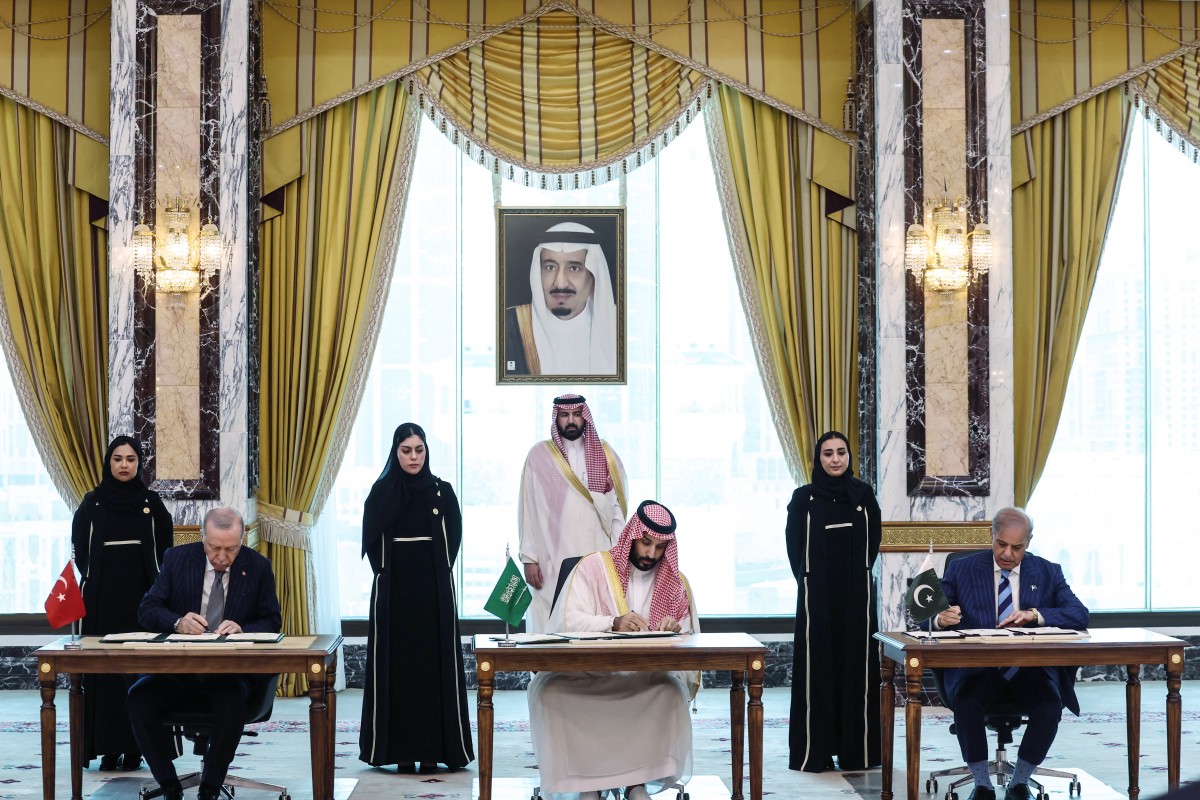
A Sunni Military Alliance Against Iran
By
LevantTime .
Published
Aug 8, 2026 - 00:17

Since the start of the war launched by the United States and Israel against Iran, the Gulf's oil monarchies have been paying a heavy price: unable to strike Tel Aviv or Washington directly, the Islamic Republic has not hesitated to target its Arab neighbors on the pretext that they host American military bases — bases that have largely been evacuated. As a result, Saudi Arabia, the United Arab Emirates, Kuwait, Bahrain, and Qatar — despite being considered an Iranian ally — as well as Oman and Jordan have all come under attack. Recently, Tehran activated its proxies in Iraq and Yemen — Iraqi Shia militias and the Yemeni Houthis — who have targeted Saudi oil infrastructure.

From Rome to Hormuz, Negotiations Are Progressing but Uncertainties Remain

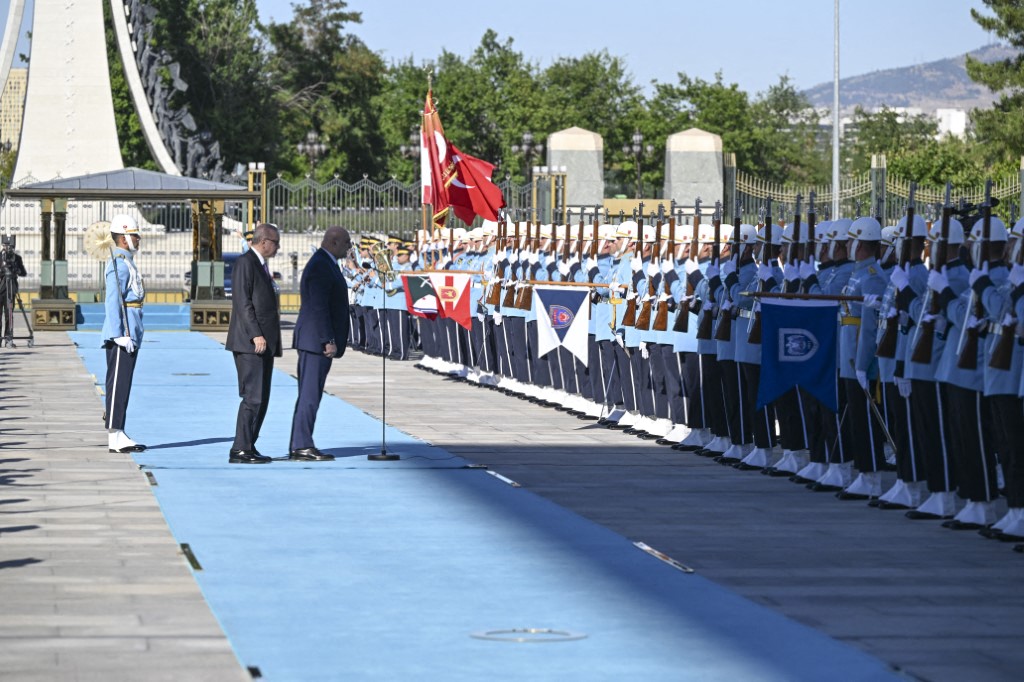
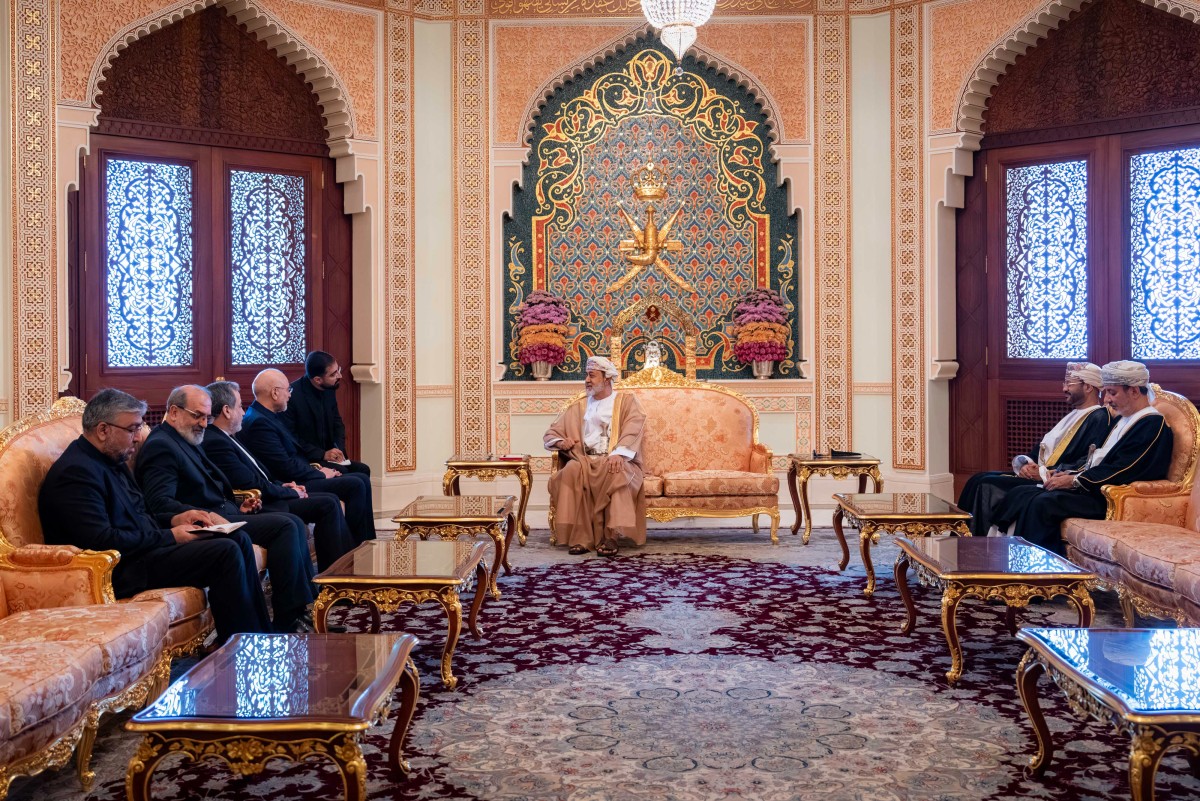
It is a day of talks par excellence. In Rome, the third and final meeting of the seventh round of direct negotiations between Beirut and Tel Aviv concluded on a more or less positive note, though still without a definitive outcome. In the Gulf, Tehran and Muscat are reportedly on the verge of announcing a provisional agreement on navigation through the Strait of Hormuz. In both cases, a resolution is certainly not imminent, especially since the underlying problem — namely Iran's destabilizing influence in the region, and more specifically that of pro-Iranian militias — persists, as Syrian Foreign Minister Assaad al-Shaibani rightly pointed out during his visit to Ankara on Thursday.

Lebanese-Israeli Talks and the August 4 Indictment: The State Reasserts Itself

The seventh round of direct Lebanese-Israeli talks got underway Tuesday in Rome at the U.S. Embassy. The negotiations, described as difficult, are set to continue over three days, during which the Lebanese and Israeli delegations are expected to agree on the next stage of the mechanism envisaged for the gradual withdrawal of Tel Aviv’s forces and the deployment of the Lebanese Army. Beirut has made this issue a particular priority, while Israel remains chiefly focused on Lebanon’s mechanism envisaged for Hezbollah’s disarmament. The Iran-backed group returned to the offensive on Tuesday, lashing out at the Lebanese authorities and taking particular aim at President Joseph Aoun.

Major Strike Against Iran: Washington Warns Its Citizens
By
LevantTime .
Published
Aug 2, 2026 - 01:53

False alarm or calculated bluff? Several alarming statements were made Saturday evening about the imminent threat of a large-scale American attack on Iran. The resumption of fighting in early July derailed the memorandum of understanding signed in mid-June, which was meant to pave the way for peace talks. On Thursday, Pakistan, acting as mediator, stated that the warring parties were in negotiations aimed at de-escalation, particularly regarding the Strait of Hormuz. Iran and the United States resumed their exchanges of overnight strikes this week after several days of relative calm, but no attacks have been reported since the night of Friday to Saturday.

The Beaufort Explosions Trigger a Political Shockwave
By
LevantTime .
Published
Aug 1, 2026 - 00:43

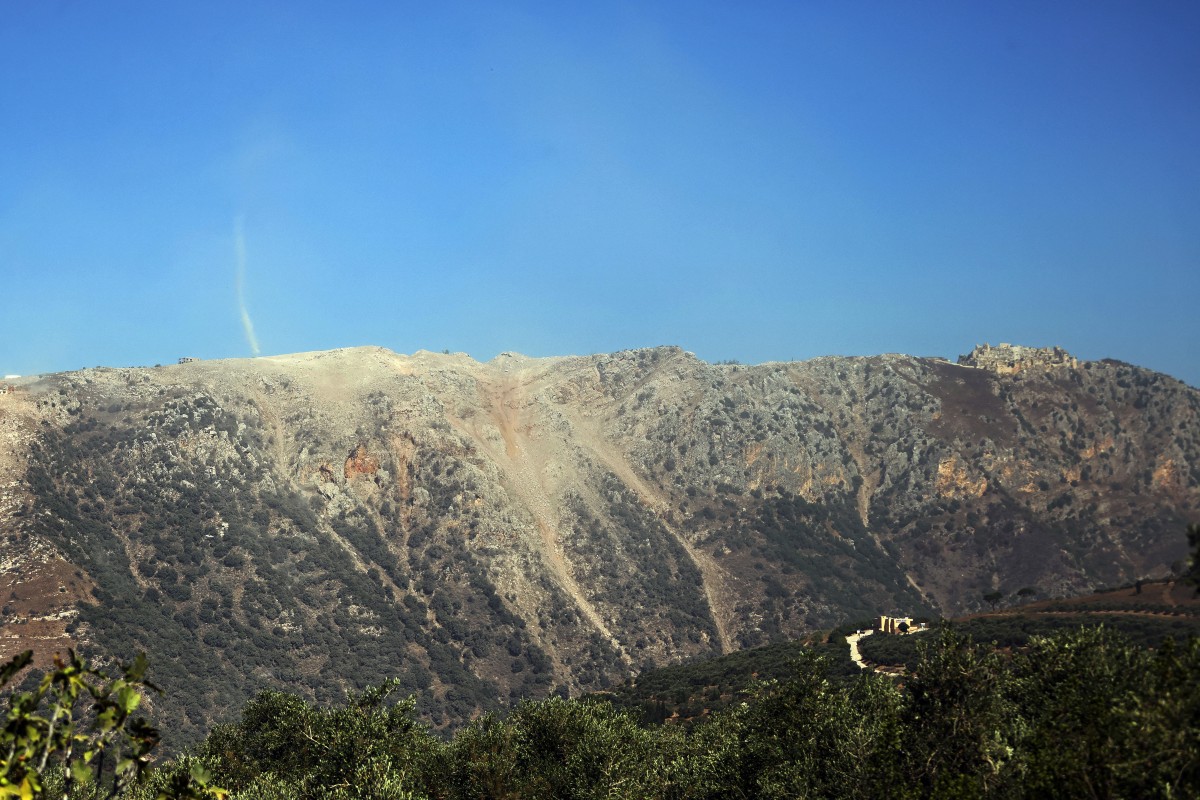
The explosions generated shockwaves equivalent to a magnitude 3.2 earthquake: the Israeli army carried out massive explosions near Beaufort Castle in southern Lebanon on Thursday night, drawing condemnation from President Joseph Aoun and Prime Minister Nawaf Salam. The head of state went so far as to denounce "an extremely dangerous escalation" and "a direct threat" to the implementation of the framework agreement concluded in June between Lebanon and Israel under U.S. auspices. While the United States had confirmed on Monday that new talks between Israel and Lebanon would be held in Rome from August 4 to 6, aimed in part at expanding the process, the presidency lamented in a statement that "the timing of these aggressions sends negative messages and undermines international efforts to consolidate stability," just days before those new negotiations.

The Pasdaran Are Expanding the Scope of Their Nuisance Value
By
LevantTime .
Published
Jul 31, 2026 - 00:22

Day after day, the radical wing of the Iranian regime – at least as it is characterized by certain Western circles – is working to demonstrate its capacity to gradually extend its reach into new areas of the Middle East. Following the reactivation of their Yemeni militia, the Houthis, aimed at holding hostage the Bab el-Mandeb strait and the corresponding Red Sea shipping lane (after the Strait of Hormuz), the Revolutionary Guards were keen to show that they have "a long arm" when it comes to missile range. They attacked the port of Damietta in Egypt using an explosive-laden drone, striking two gas storage vessels – one of which was American.

Iran is Pulling Out all the Stops and Activating Iraqi Militias
By
LevantTime .
Published
Jul 30, 2026 - 00:26

Hezbollah in Lebanon, the Houthis in Yemen, Hamas in Gaza… On Tuesday, Iran decided to mobilize its fourth major proxy in the region to ramp up pressure on the United States and its allies: Iraq, where the Islamic Republic continues to maintain a network of armed groups overseen by the Revolutionary Guards. Washington announced Wednesday airstrikes in Iraq targeting pro-Iranian armed groups, carried out jointly with Saudi Arabia, which had itself been hit earlier by missiles fired from Iraqi territory. These attacks, carried out in several Iraqi cities, killed 20 people — including five Iranians — and wounded 32 within the ranks of the Hashed al-Shaabi, according to this predominantly Shia network of factions, which is integrated into Iraq's armed forces and encompasses several pro-Iranian armed groups.

Iran: Despite Their "Differences", Trump and Netanyahu Close Ranks
By
LevantTime .
Published
Jul 29, 2026 - 00:57

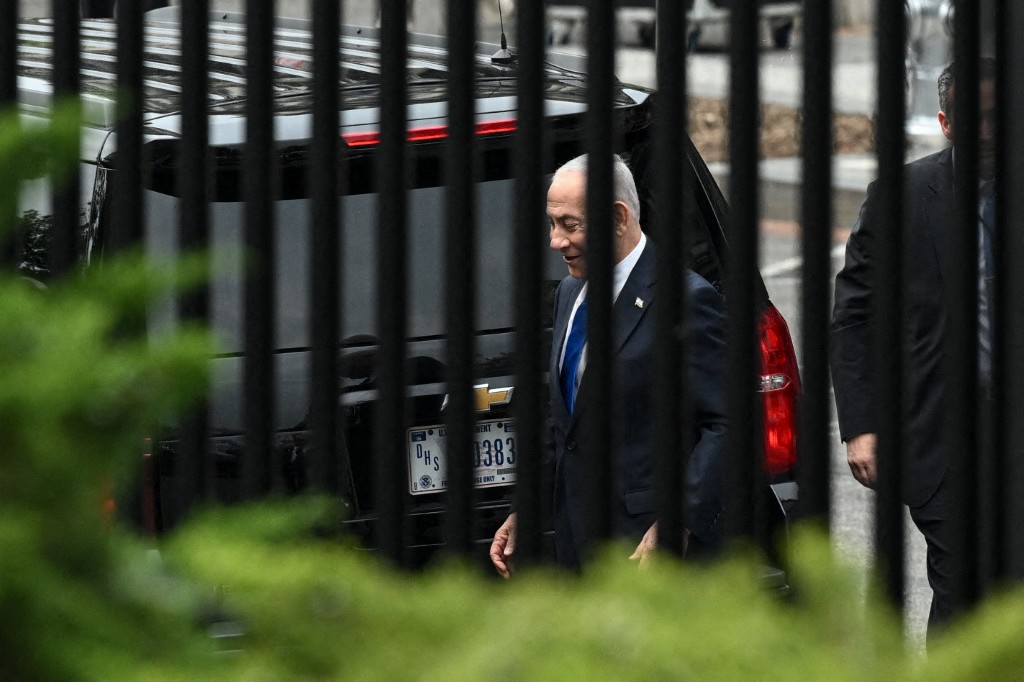
US President Donald Trump and Israeli Prime Minister Benjamin Netanyahu held a meeting on Tuesday that both sides described as "positive," reaffirming their shared commitment to preventing Iran from acquiring nuclear weapons. The two leaders, who have stood shoulder to shoulder in their campaign against the Islamic Republic, have nonetheless begun showing signs of divergence since last April. The White House occupant now favors a diplomatic solution to cut short a war that has dragged on longer than expected and risks becoming a political liability as the midterm elections approach. Conversely, the Israeli Prime Minister intends to see the confrontation through to the end in order to eliminate what he describes as the "existential" threat posed by Iran.

The Iranian conflict ignites new fronts
By
LevantTime .
Published
Jul 25, 2026 - 23:07

Yemen's Houthi rebels, allies of Tehran, targeted Saudi Arabian oil facilities on Saturday in retaliation for strikes by Riyadh, marking a further escalation of hostilities on yet another front of the war engulfing the Middle East. While Saudi authorities have so far remained silent on the matter, the Greek air force — tasked with operating an air defense system in Saudi Arabia — announced it had intercepted two missiles and a drone launched from Yemen toward Yanbu. Having stepped up strikes against Gulf states in recent months in retaliation for American bombardments, Tehran now appears to be opening a new front through its Houthi allies against the Riyadh-led coalition.