Levant Time logo
Fady Noun

Fady Noun

A Young Lebanese Woman, an Aramaic Chant, and Leo XIV Moved to Tears
By
Fady Noun
Published
Oct 6, 2026 - 14:43

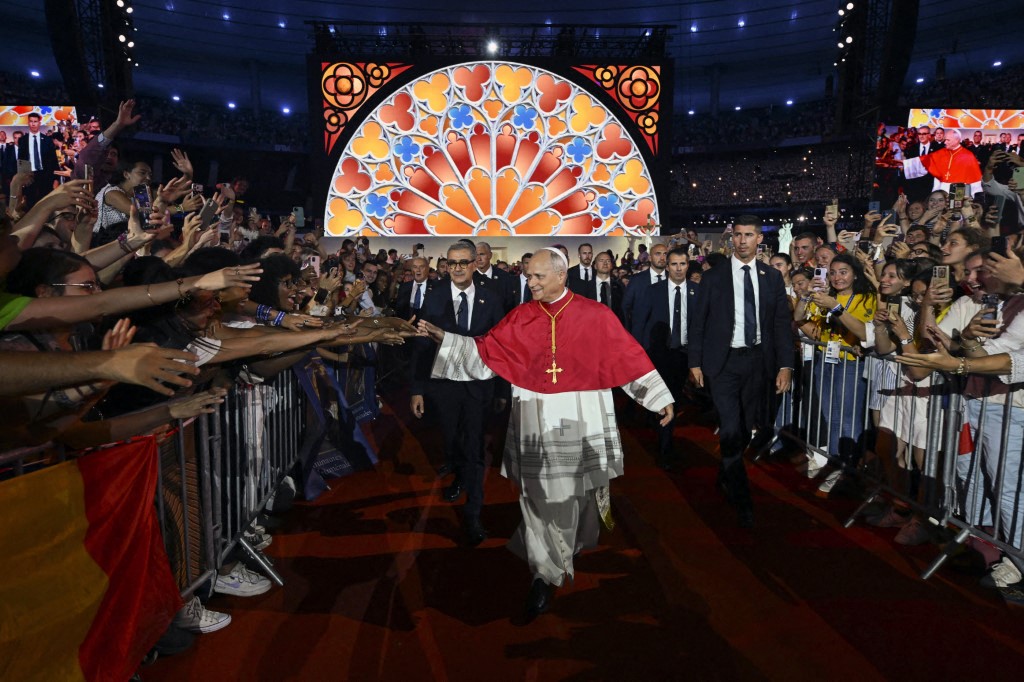
It is September 25 at the Stade de France, near Paris, where Pope Leo XIV is set to meet with French youth that evening, on the first day of his apostolic journey to France. On a backdrop depicting a boat and a sail, a man and a woman can be seen standing, while, overlaid on a fourth-century Aramaic hymn rising through the stadium, a voice-over reads: “When France did not yet bear its name, Heaven was already preparing its plan. In the year 44 AD, on the shores of the Mediterranean, a frail wooden boat reaches the coast. Two disciples of Jesus Christ set foot for the first time on this land that would become Provence: Lazarus and Mary Magdalene. From the coastal calanques to the cliffs of Sainte-Baume, their passage would carve into stone, into hearts and into the memory of men the very first page of the Christian chapter in the history of France. ‘Here is the cry of my entire life,’ Mary Magdalene, the converted sinner, then proclaims: ‘Christ is calling you by name. No one is too broken to be loved!’”
In France, Leo XIV is Reaping what John Paul II Sowed
By
Fady Noun
Published
Oct 1, 2026 - 12:49

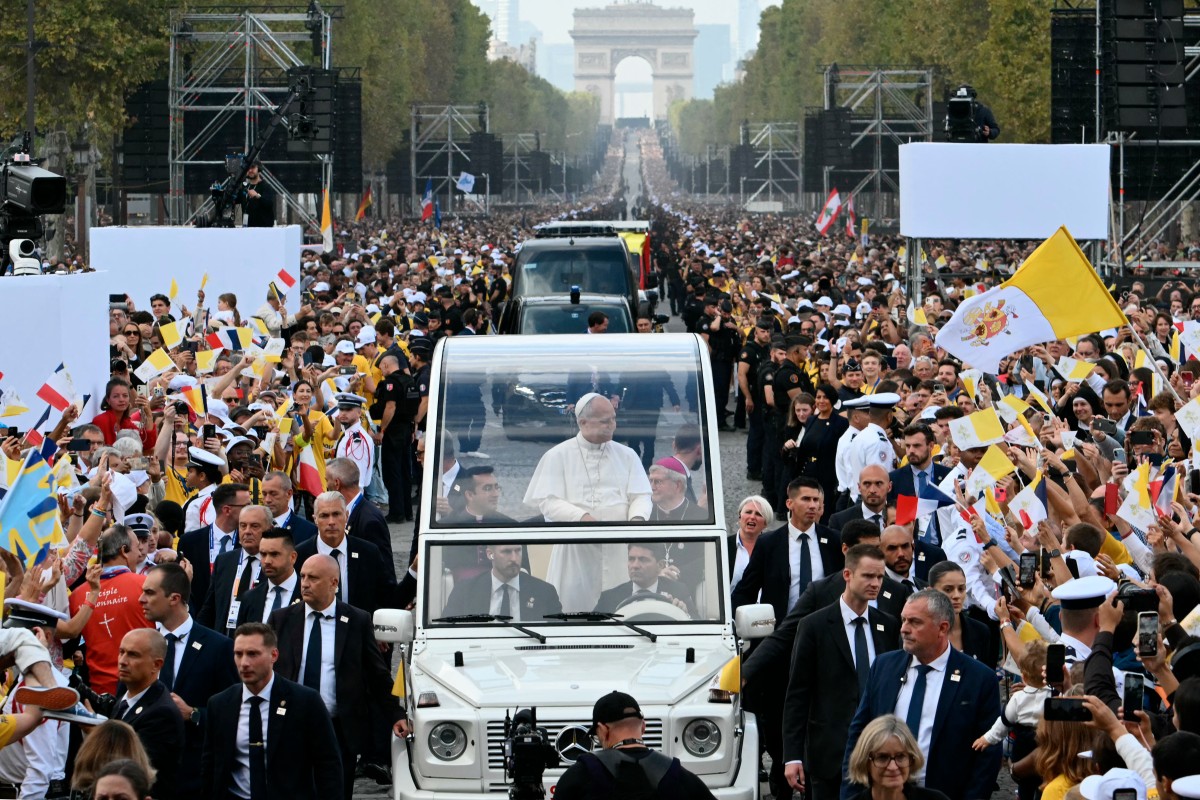
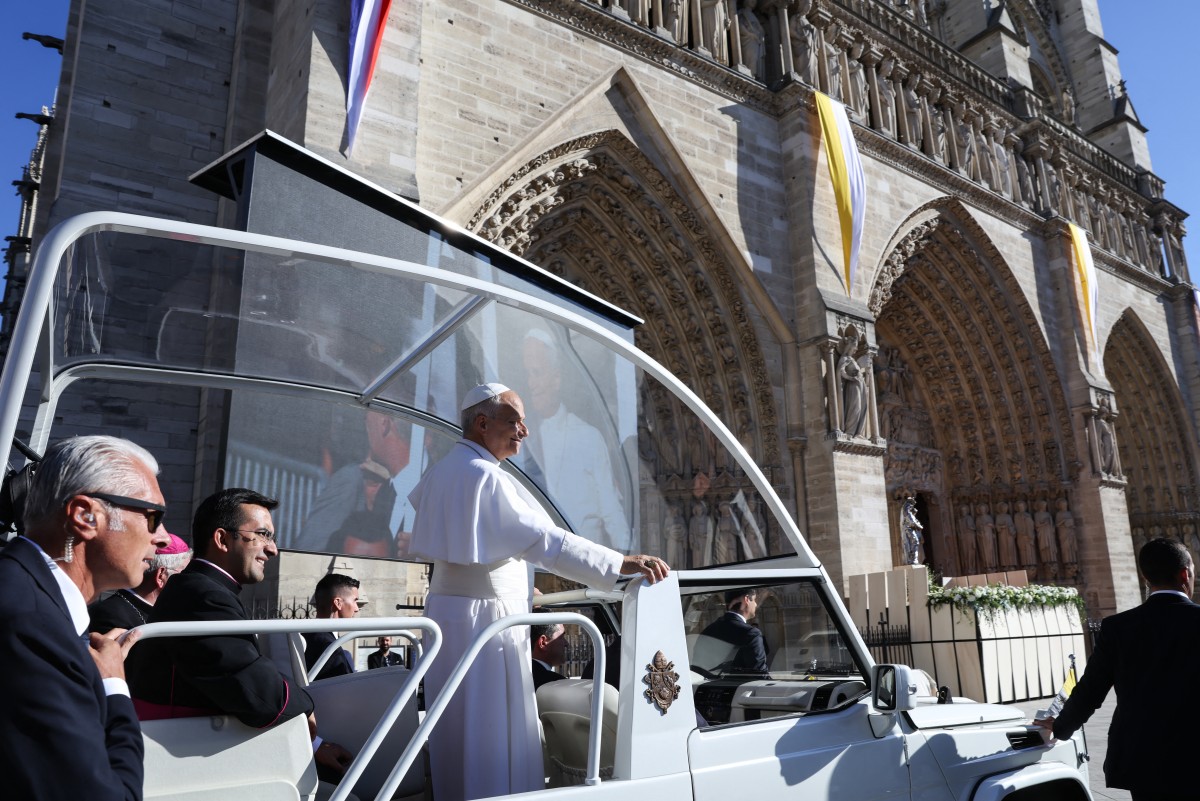
“We were on Mount Tabor… now we must come down from the mountain and root this renewal of faith in everyday life.” In these terms, poet Jean-Pierre Lemaire summed up the four memorable days of Pope Leo’s visit to France (Paris-Lourdes-Metz, September 25–28). In many respects, the visit bore the mark of total surprise, even of a “miracle,” to borrow an expression used by the Pope himself aboard the plane taking him back to Rome. Leo XIV has had “a fortunate touch,” Catholic-world observers believe. Nearly half a century after John Paul II’s first visit to France in 1980—more than a generation later—he reaped what his predecessor had sown with his famous challenge: “France, eldest daughter of the Church, are you faithful to the promises of your baptism?” This harvest took the form of Christianity’s sudden visibility in a country believed to have become, according to the Washington Post , “the graveyard of Catholicism.”

Lebanon and Eastern Christians at the Heart of the Pope's Visit to France

On the first day of his apostolic visit to France, speaking at the Élysée Palace to President Emmanuel Macron, the authorities, civil society and the diplomatic corps, Pope Leo XIV delivered an address in which he praised “cooperation between France and the Catholic Church in the service of Eastern Christians,” linking this stance to “a proper secularism” as understood and welcomed by the Holy See. “Proper secularism, therefore, does not consist in excluding religion from public life or education,” the Holy Father stated in his address, “but in working to ensure that the State and religious institutions engage in dialogue and join forces in the service of the common good, so that the world may have life.”

No “Sobhiyé” for the Poor Clares of Rayaq
By
Fady Noun
Published
Sep 8, 2026 - 12:56

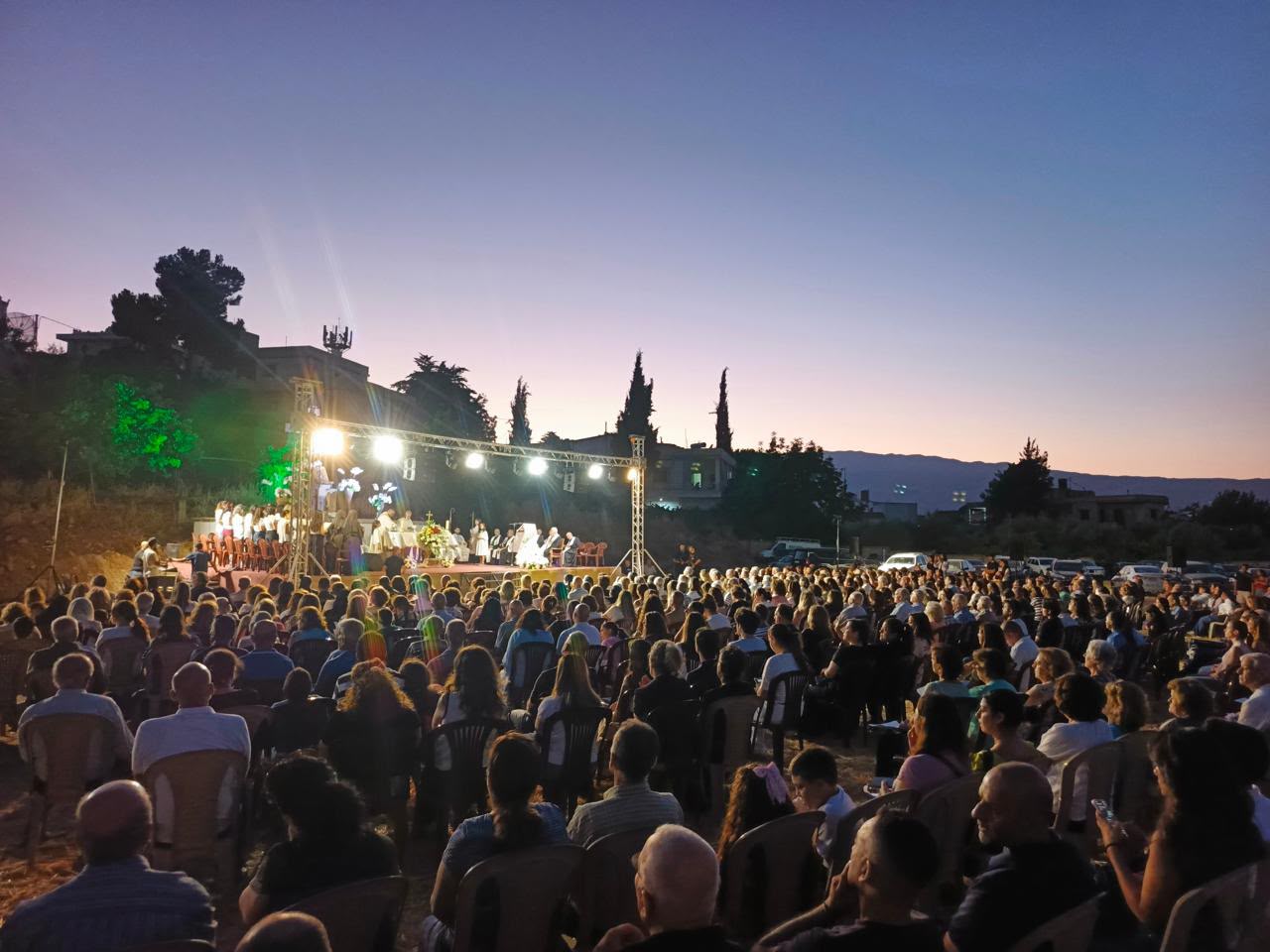
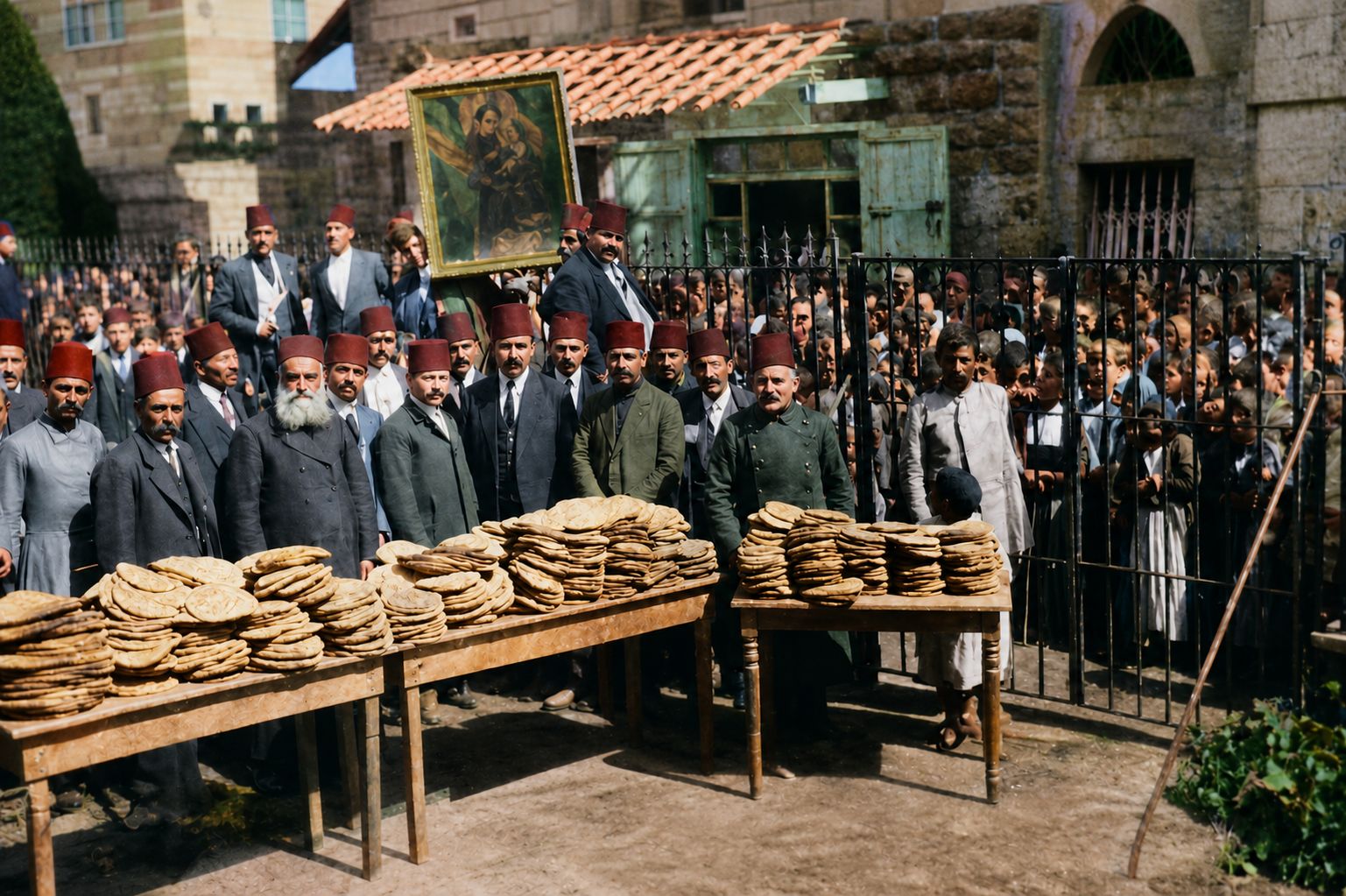
A monastery of the contemplative Order of the Poor Clares, founded by St. Clare in the 13th century along the lines of the Order of St. Francis, was established in Rayaq (population 16,000), a small town in the central Bekaa plain, on August 11, the feast of St. Clare. The new monastery was deliberately established in a rural setting, where its prayers will enrich Lebanon’s “breadbasket,” incorporated into Lebanon by Patriarch Hoayek after the famine of 1915. Bishop César Essayan, apostolic vicar of the Latins in Lebanon, presided over the founding ceremony. The Christian population of Rayaq’s Christian quarter, Rayaq el-Faouka, turned out in force, extending an unforgettable and remarkably generous welcome to the five gray-habited nuns. Most of those present described the foundation as “a major spiritual event.”

Rediscovering Greater Lebanon
By
Fady Noun
Published
Aug 31, 2026 - 00:12

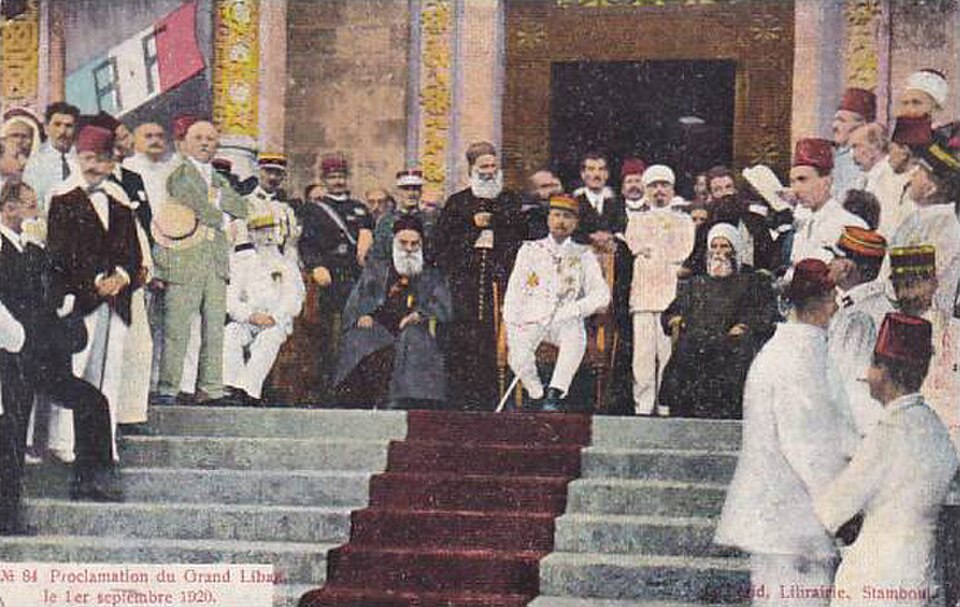
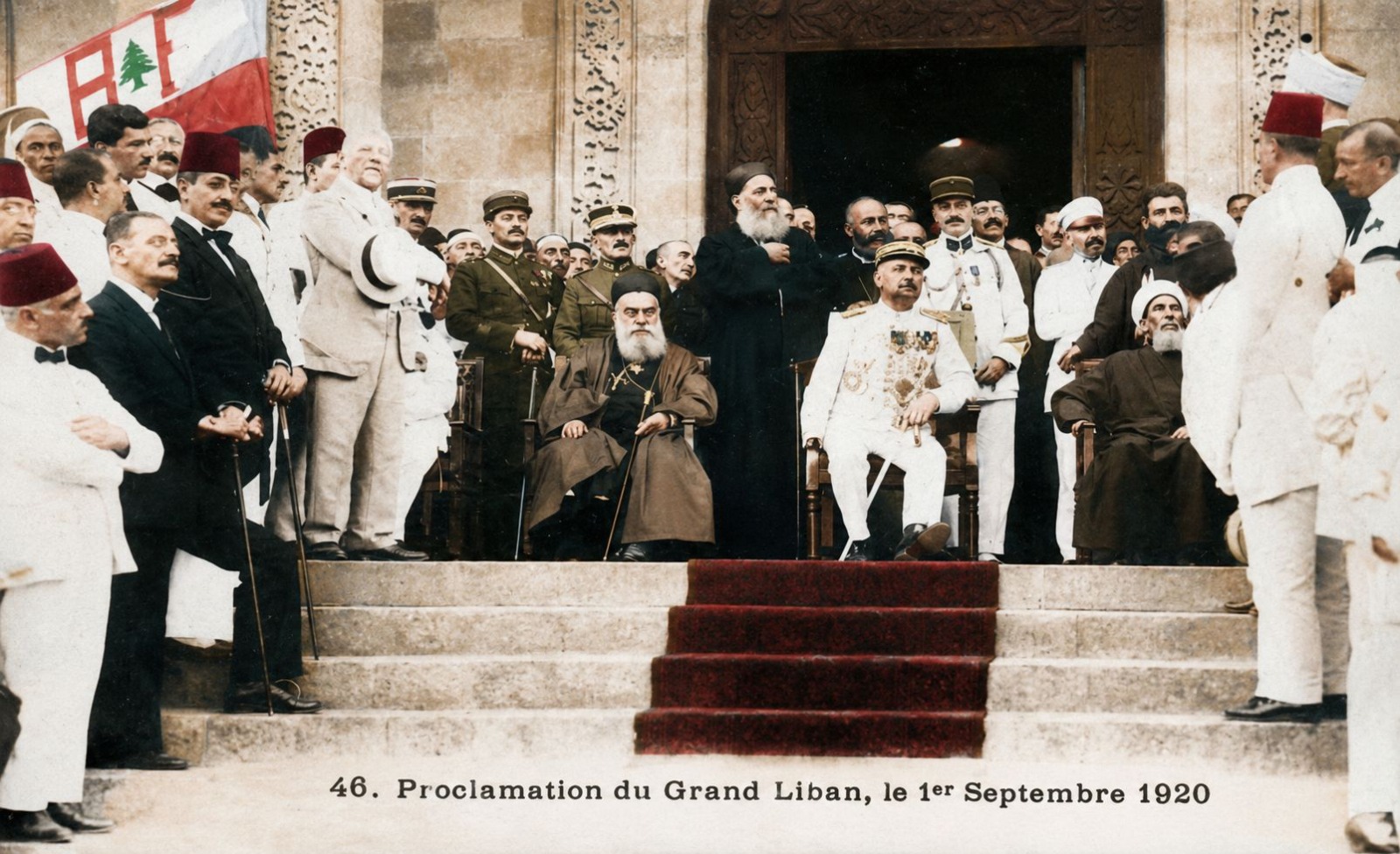
"What is the veneration of a founder worth when his life's work is undone by those who claim to be his heirs?" In a previous article, commenting on the saying "charity begins at home," we showed how Lebanon's history constantly oscillates between internal communal selfishness — retreating into one's sect at the expense of the state — and external ideological "altruism" — prioritizing regional causes at the expense of the homeland. In both cases, the vision of a strong, prosperous, and democratic Lebanese state has been sacrificed. Let us take the analysis further. In a letter published by L'OLJ, lawyer Carole Chelhot wrote some harsh but deeply accurate lines about this fatal fragmentation: "Lebanon's failure is no longer territorial. It is political, moral, and institutional. The administration has been handed over to patronage networks, public services distributed as personal favors, and the law negotiated according to power dynamics (…). The state, which was meant to transcend the communities, has become the spoils they divide among themselves (…). This is where the memory of Elias Hoayek ceases to be reassuring and becomes an indictment.

“Charity Begins at Home…” or the Misadventures of Greater Lebanon

“Charity begins at home” is an apt saying for describing the missteps of Greater Lebanon – missteps that Georges Naccache captured in one cutting, lucid line: “Two negations do not make a nation.” That sentence exposes the tragic shortcomings of the first generation of Lebanese, confronted with a Greater Lebanon still struggling to assert itself. Rooted in St. Augustine’s thought, “charity begins at home” simply means that one must meet one’s needs and obligations before seeking to help others. The concept is sometimes distorted to justify individualist behavior, a lack of generosity, or putting personal interests ahead of a collective cause. In fact, it stems from the theology of St. Augustine (4th century) and from his notion of ordo caritatis – the order of charity. St. Augustine held that charity, or divine love, must follow a logical hierarchy: one must love God first, then love oneself in a healthy, “ordered” way, for the salvation of one’s soul, before being able to love one’s neighbor.

The Philippe Chebaya Center for Children with Special Needs: A Beacon Above the Holy Valley

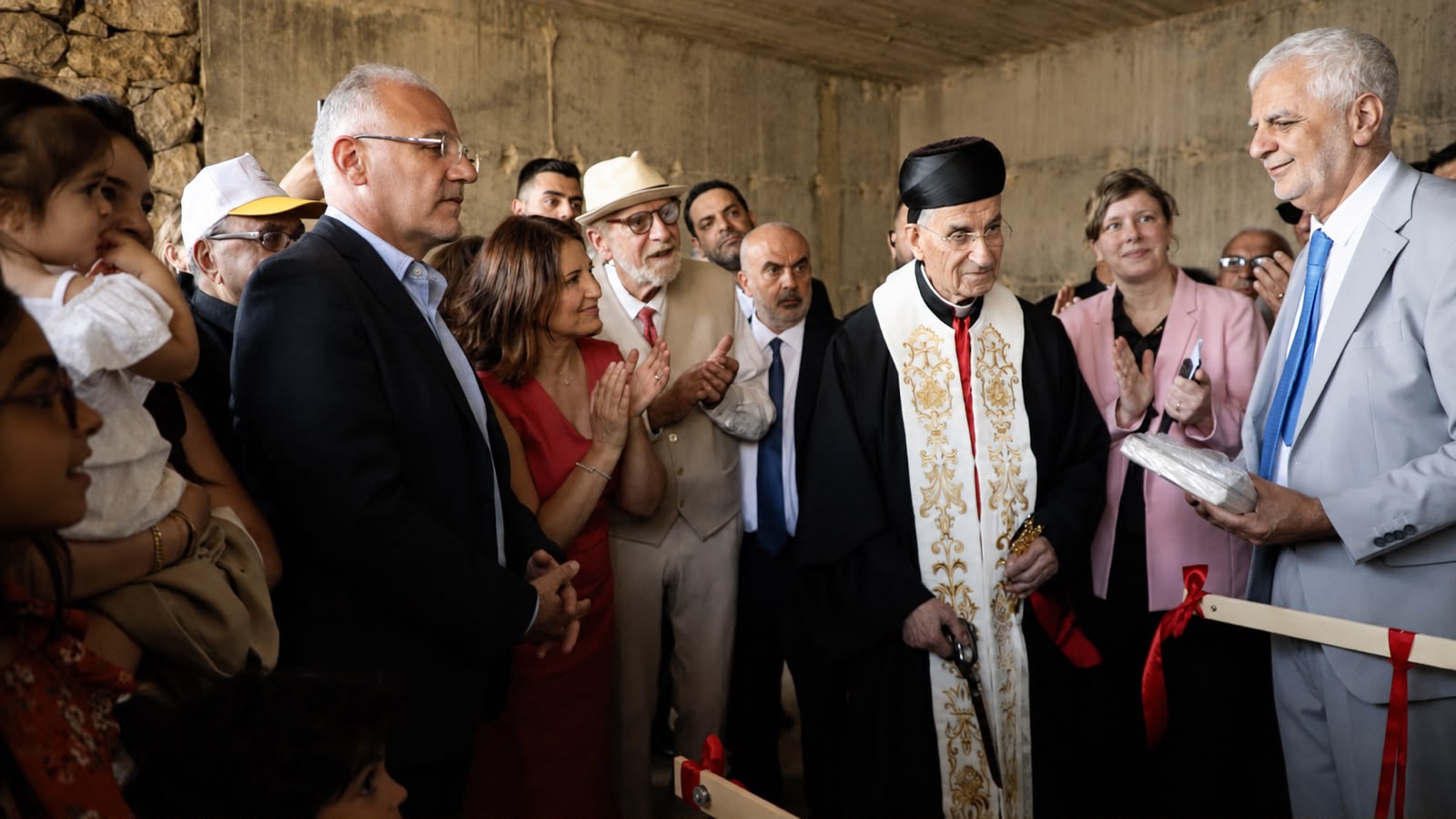
It may be no more than a small mountain project, but the laying of the cornerstone on Saturday, August 8, for a center serving children with special needs in Bcharre, a town of 24,000, is nonetheless a “major undertaking” for those who have embarked on it with limited means but a profound awareness of its necessity. The center is the flagship project of the Bishop Philippe Chebaya Foundation, named after a priest who served for 40 years as principal of Bcharre’s public school before being ordained a bishop late in life. A priest running a public school: the case is unique in Lebanon. The anomaly is due partly to Bcharre’s distance from Beirut, but above all to the fact that Father Philippe always refused to be paid for his work as principal. During the darkest years of the war and the Syrian occupation, he had turned the school into his monastery, sleeping and eating there.

Patriarch Howayek’s Lebanon: An Opening to Universality (4/4)
By
Fady Noun
Published
Jul 22, 2026 - 14:37

Was Patriarch Elias Howayek’s vision of a pluralistic Lebanon ever a viable historical project, given that the forces reshaping the Arab world throughout the twentieth century – decolonization, the rise of nationalism, the growth of political Islam, and the backlash against Western modernity – were largely moving in the opposite direction? Is Lebanon an “error of history,” as some have claimed while doing everything they could to make us lose faith in ourselves? Was the patriarch’s pluralistic vision a prescient recognition of the Middle East’s diversity, or a bold historical gamble gradually undermined by the major developments of the twentieth century?

Howayek and the Elevation of Lebanese Women’s Role (3/4)
By
Fady Noun
Published
Jul 20, 2026 - 21:20

From an early age, Elias Howayek was keenly aware of the hardships faced by the rural communities where he had grown up. After becoming a bishop, he realized he had a responsibility to address the unequal access to education for girls from modest families in his native region. His letters and writings show that he viewed the education of young women as the cornerstone of family life, convinced that providing women with a solid education meant safeguarding the moral, civic, and social future of Lebanese society. On August 15, 1895, Elias Howayek founded the Congregation of the Maronite Sisters of the Holy Family in Jbeil with Mother Rosalie Nasr and Sister Stéphanie Kardouche, whom he had, on the advice and with the approval of their superiors, released from their convent in Nazareth in the Holy Land.

“Love of the Homeland,” Patriarch Howayek’s Spiritual Testament (2/4)

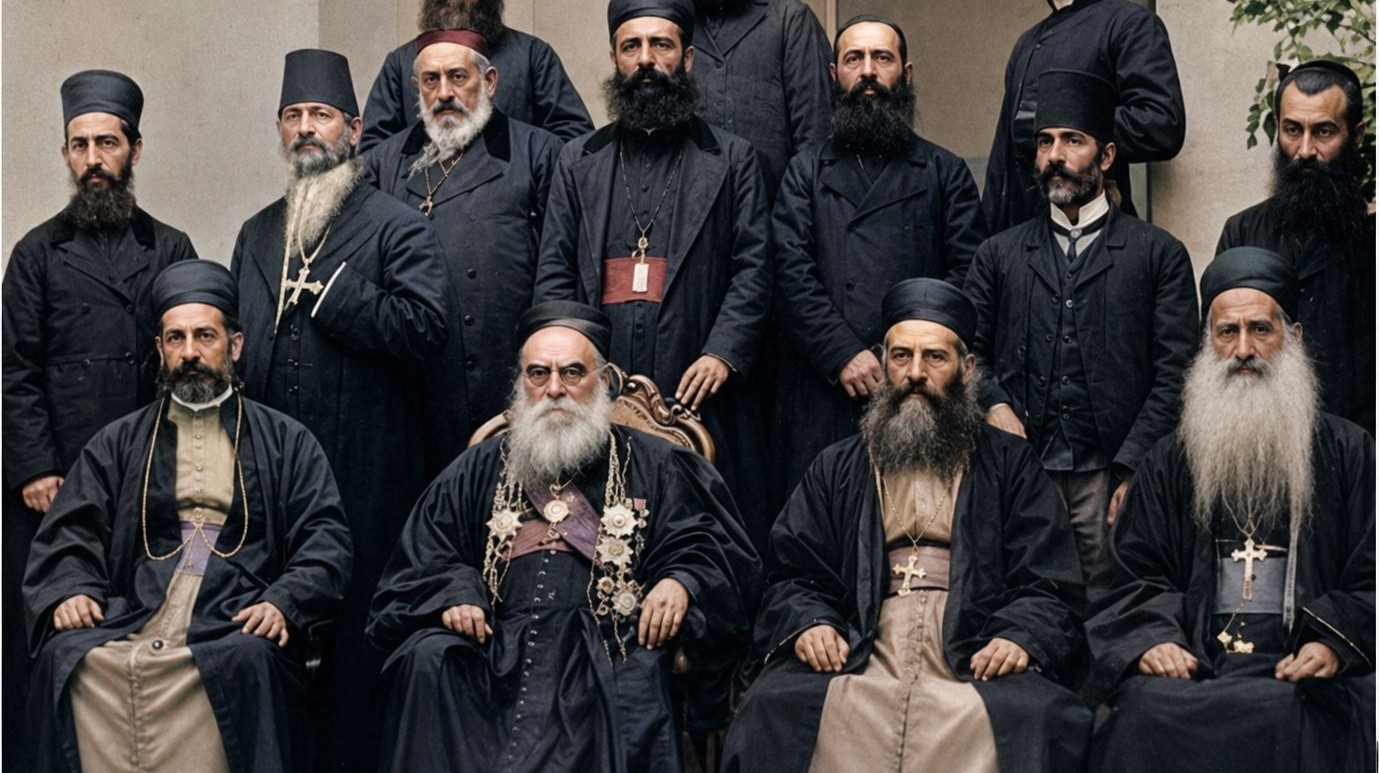
In keeping with the great Maronite tradition, Patriarch Howayek addressed annual "messages" to his community throughout his patriarchate. The most celebrated of these, and rightly so, is the one he sent in 1930, titled "The Love of the Homeland." This text stands as his spiritual testament. In the twilight of his life — he died at the age of 88 — he revealed, among other things, his pastoral obsession with Lebanon, a country he had helped bring into being, and whose ruling classes seemed to have developed an alarmingly deficient sense of civic duty. The pamphlet is a passionate lesson in civics, opening with the love of the homeland and closing with elaborate and carefully worded recommendations on distributive justice — a cornerstone of the social justice so dear to Leo XIII.

/