Levant Time logo
Fady Noun

Fady Noun

Patriarch Howayek, Prophet of Coexistence (1/4)
By
Fady Noun
Published
Jul 15, 2026 - 20:54

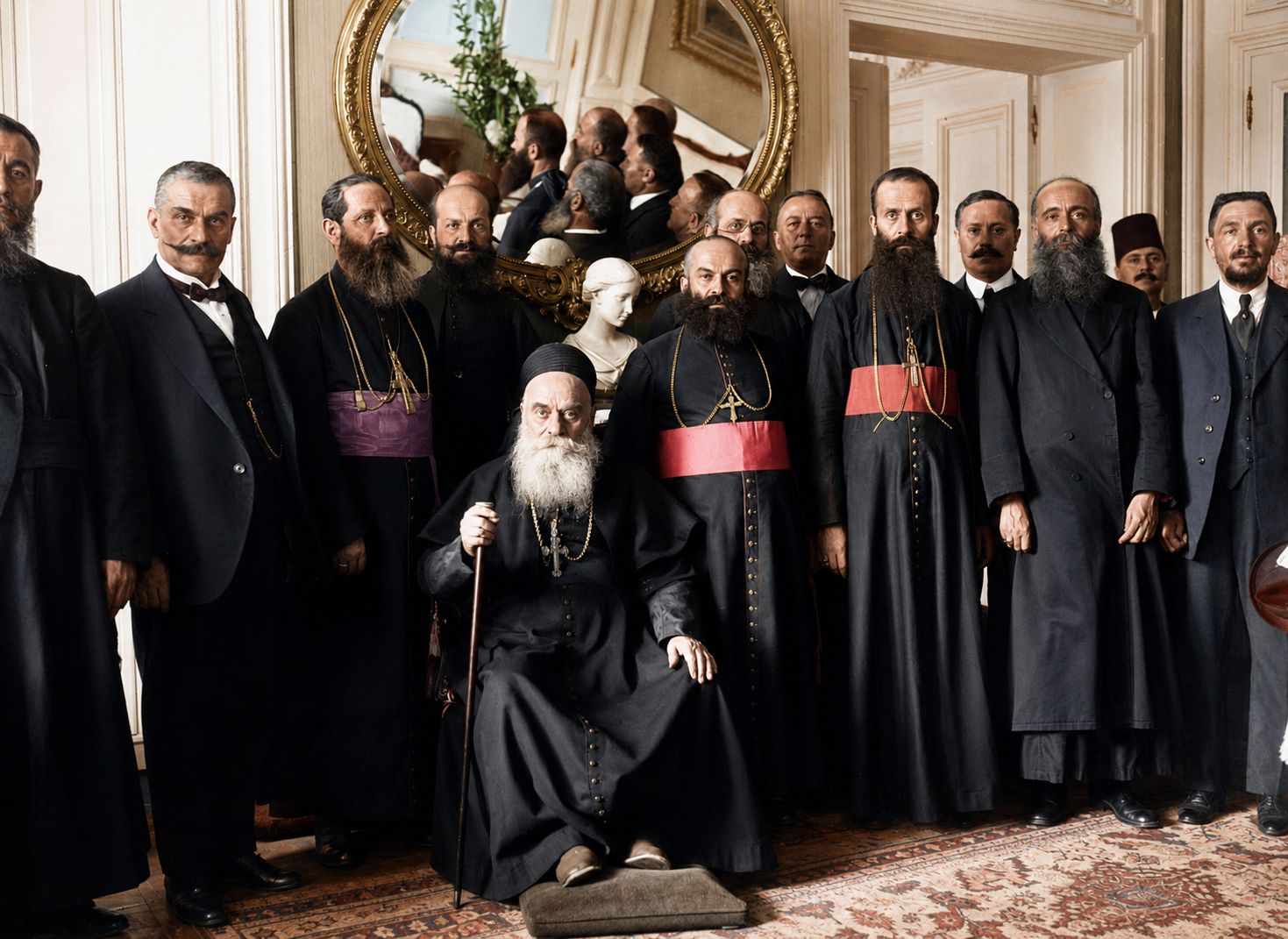
Juvenis ad majora natus "Born for greatness." This is the motto of Saint Stanislaus, noted prophetically in the margin of Elias Boutros Howayek's booklet at the end of his theological studies. He was 27 years old at the time and had been in Rome since 1866, sent by Patriarch Boulos Massaad to complete his theological studies, which he had begun at the Ghazir Seminary in 1859, and to prepare for the priesthood. Marked by his keen intelligence and his meticulous adherence to the rules, this man destined for greatness would become no less than the 72nd representative of a long line of holy Maronite patriarchs, of whom he is undoubtedly one of the most outstanding figures. His greatest achievement was his battle for the birth of Greater Lebanon (1920).
Land in Exchange for Peace
By
Fady Noun
Published
Jul 6, 2026 - 13:17

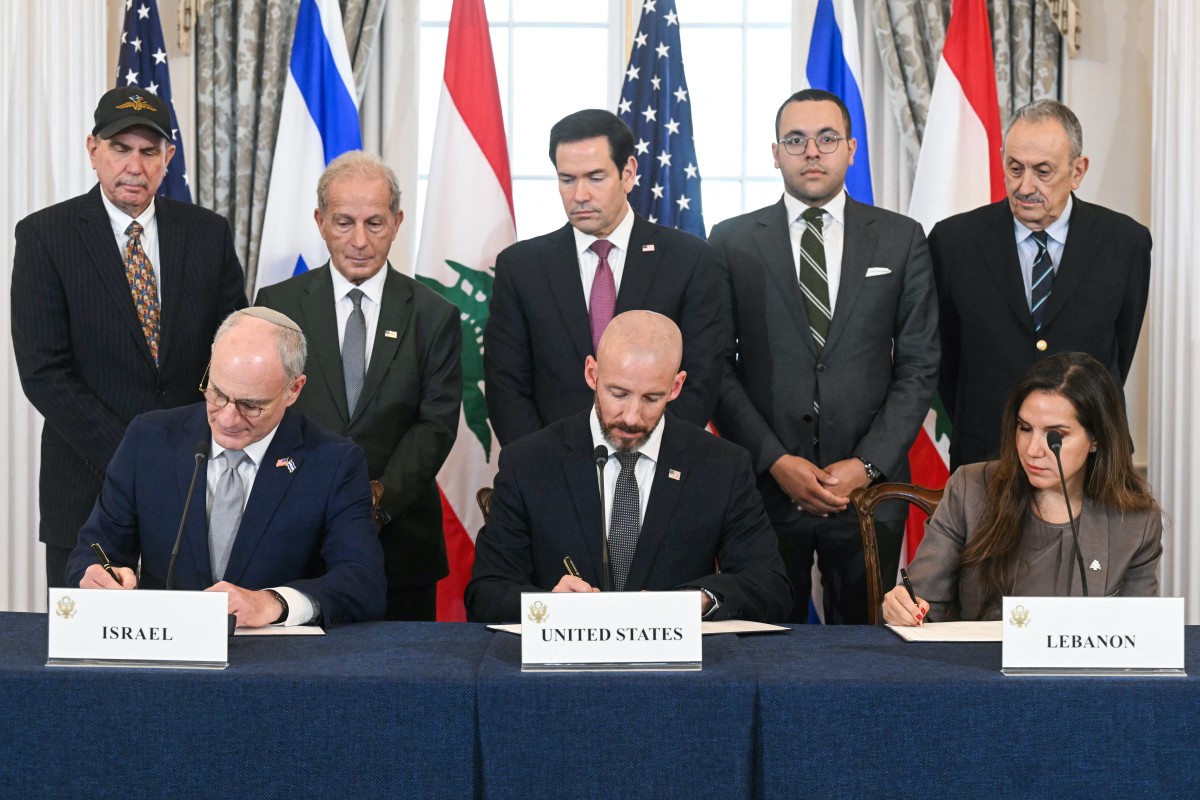
“Land in exchange for peace.” That, in essence, is the Israeli-Lebanese agreement reached in Washington between June 23 and 26 – an old formula that remains as relevant today as ever, provided the interests of the people of Lebanon’s devastated villages are placed above all else. The rest is detail. Yes, land in exchange for peace – but not just any peace. A peace achieved through placing all weapons in the hands of the Lebanese state as we know it: a parliamentary democracy, a land of freedom and pluralism. It could also be put this way: land in exchange for Hezbollah’s weapons. For contrary to what people think, the Washington agreement is a peace agreement, not a military one. It could be implemented without a single shot being fired.

The “Theological Locus” of Ecclesial Movements (2/2)
By
Fady Noun
Published
Jul 1, 2026 - 17:29

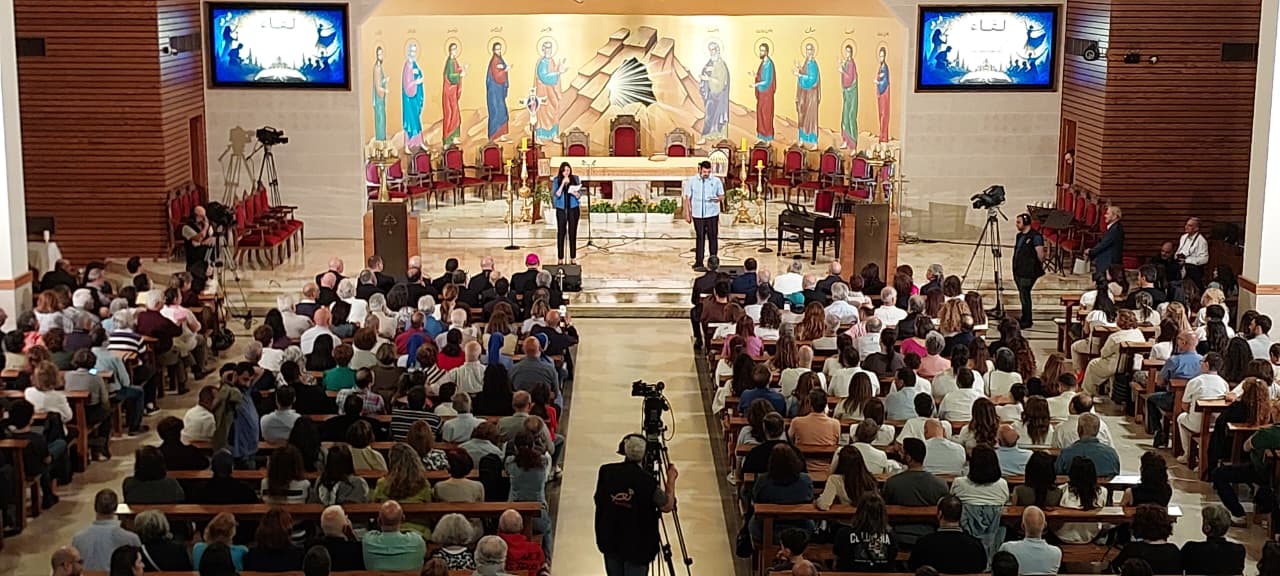
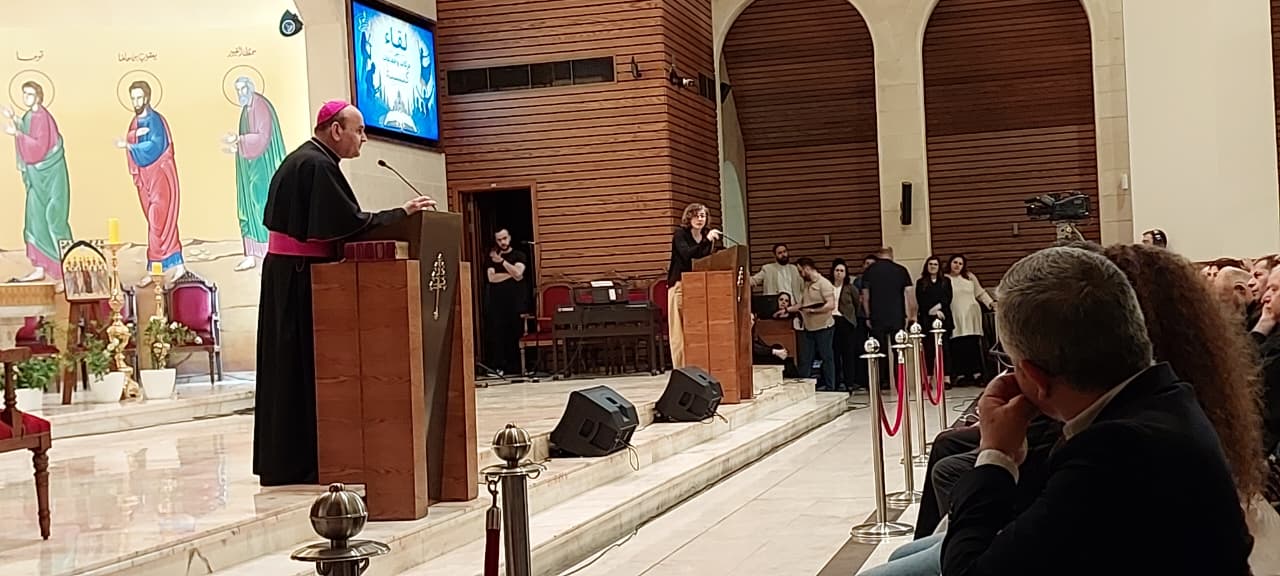
On May 29, at the initiative of the Focolare Movement, 35 representatives of and members from various ecclesial movements gathered to speak publicly about their distinctive identities and mission. Addressing the gathering in the Cathedral of the Resurrection, Jean Barbara, former president of Charis and now president of a network of communities grouped under the banner Sword of the Spirit (“the sword of the Spirit, which is the word of God,” Ephesians 6:17), presented Cardinal Josef Ratzinger’s understanding of ecclesial movements. He cited a little-known text written in 1998 by the future pope, then prefect of the Dicastery for the Doctrine of the Faith, at the request of John Paul II. Entitled The Theological Place of Ecclesial Movements , it describes the movements as a “theological locus” complementing the parish.

Ecclesial communities, the springtime of the Church (1/2)
By
Fady Noun
Published
Jun 25, 2026 - 10:47

At the initiative of the Focolare Movement, the Maronite Archbishop of Antelias, Mgr Antoine Bou Najem, hosted, on May 29, at the Cathedral of the Resurrection (Mtayleb), an evening of prayer and presentations bringing together leaders and members of 35 ecclesial movements, most of which emerged within the Charismatic Renewal following the Second Vatican Council. In this two-part article, we present this event – an unprecedented gathering – and its significance for the Church in general, as well as the “theological status” of these ecclesial movements in relation to the Church hierarchy, as developed in the 1990s by Cardinal Joseph Ratzinger, the future Benedict XVI, then Prefect of the Congregation for the Doctrine of the Faith.

Against the Post-Humanist Illusion, the Bonding Capacity
By
Fady Noun
Published
Jun 16, 2026 - 14:56

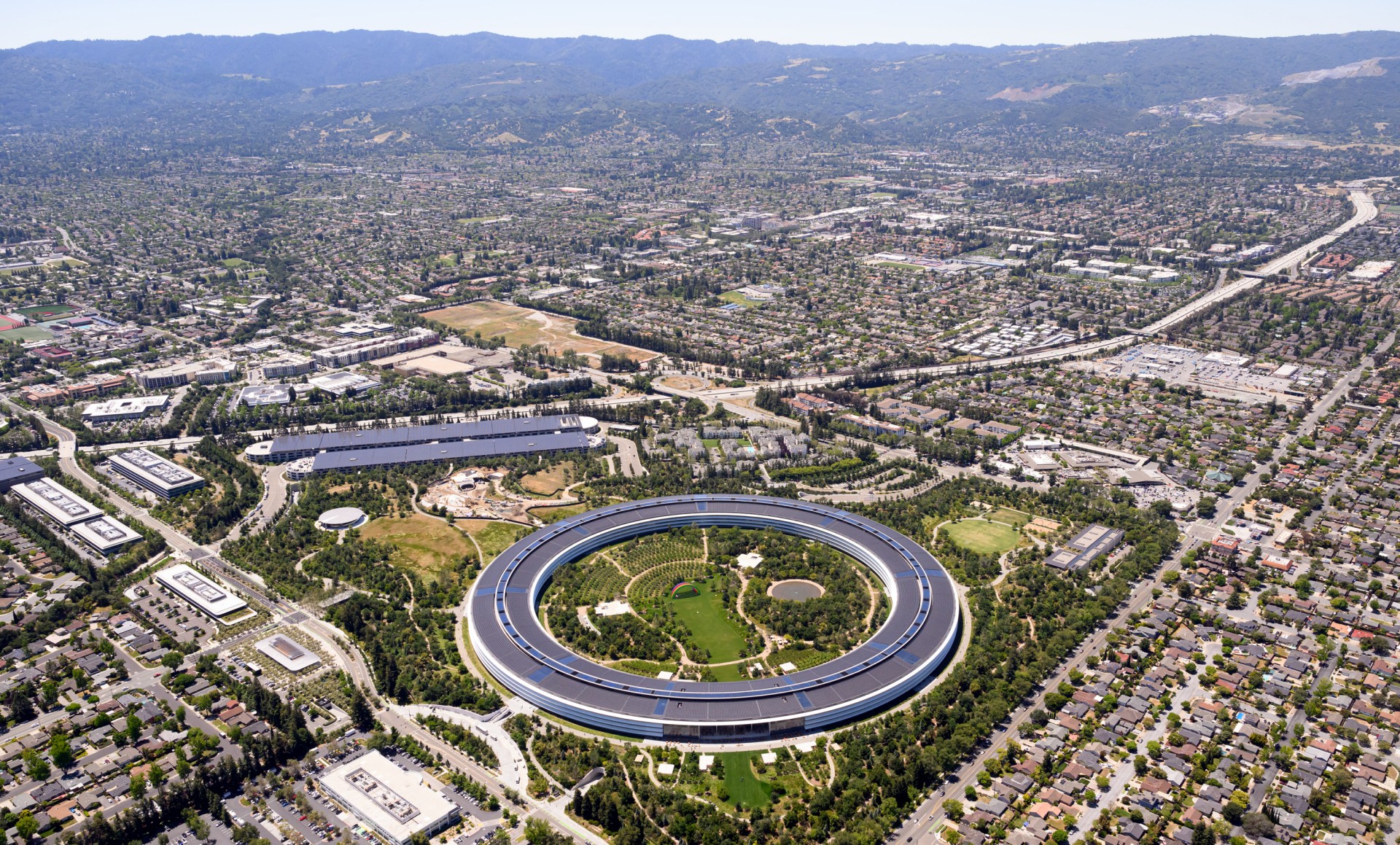
Against the backdrop of rising geopolitical tensions and the return of power politics to international affairs, Leo XIV emerges as a as a prominent warning voice against the technological illusion embraced by parts of the Silicon Valley elite. Their ambition is to use artificial intelligence (AI) to transcend human limitations and propel humanity toward transhumanism and post-humanism. Such Promethean aspirations – to overcome the limits of the human condition – betray a hostility not only toward the world itself, but toward the very notion of a Creator. The encyclical offers a direct response: “Humanity – magnificent yet wounded – must neither be replaced nor surpassed. It may embrace technological progress to alleviate suffering and open new possibilities,” provided it does not abandon what fundamentally defines it: its capacity for relationship and love (editor’s note: emphasis added). At this point, a decisive question arises: if there is such a thing as a genuine “beyond the human,” where is it to be found? The Christian faith answers by pointing to “a fulfillment that does not arise from technological self-deification, but from the action of God’s grace received in Christ.”

Leo XIV's encyclical on AI: Tower of Babel or Holy City (2/3)
By
Fady Noun
Published
Jun 13, 2026 - 01:23

To illustrate his point and give it a biblical dimension, Pope Leo XIV uses, in his encyclical Magnifica humanitas on the digital age and Artificial Intelligence (AI), a metaphor: humanity must choose between building a new “Tower of Babel” or building the “Holy City.” The story of the Tower of Babel is a biblical episode from the Book of Genesis. Shortly after the Flood, while all human beings spoke the same language, they set out to build a city and a tower whose top would reach the heavens, in order to make a name for themselves. Then God confused their language so that they could no longer understand one another, and scattered them over the face of the earth (Genesis 11:1-9).

The Encyclical “Magnifica Humanitas” by Leo XIV, a foundational text on AI (1/3)

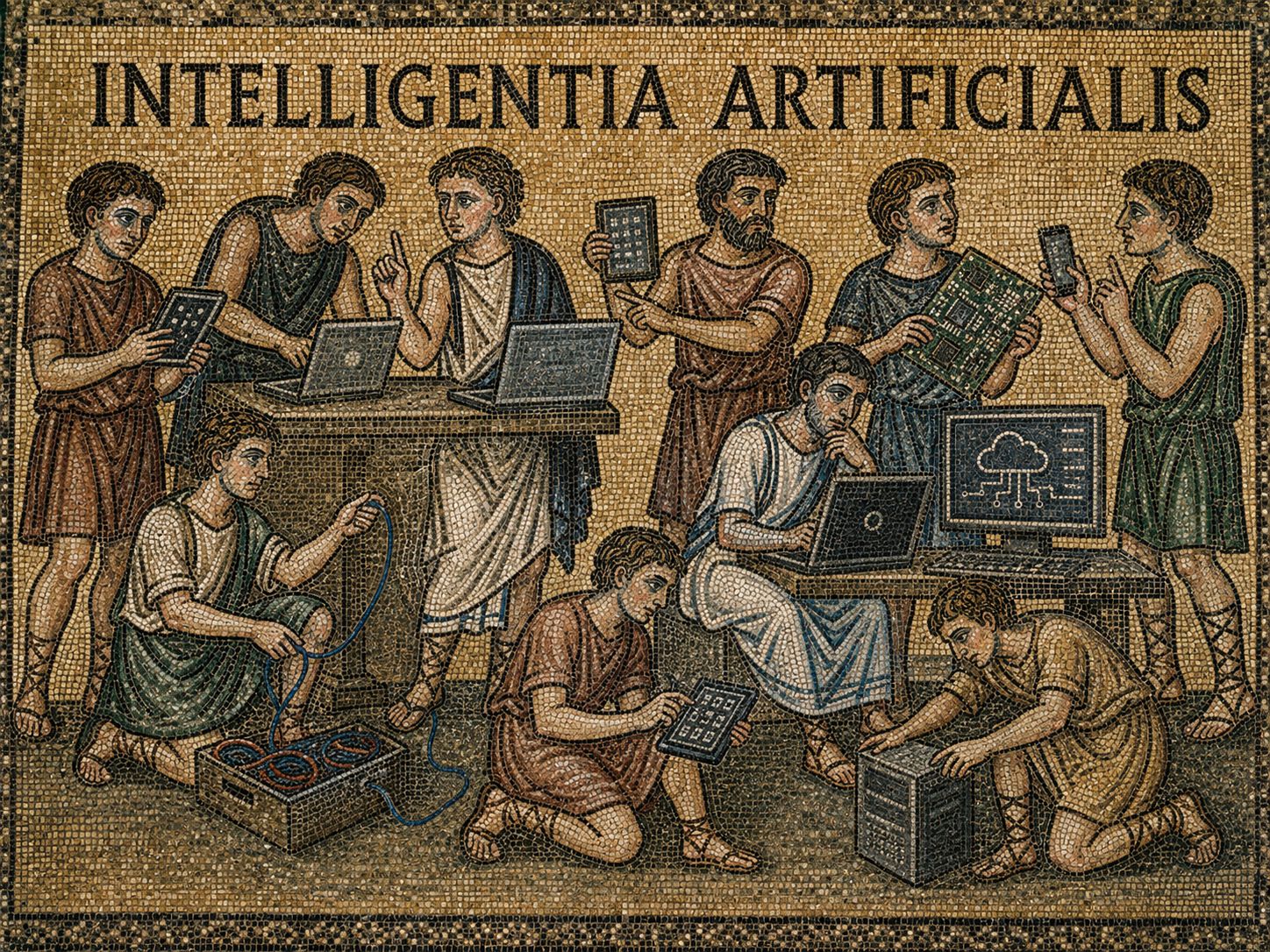
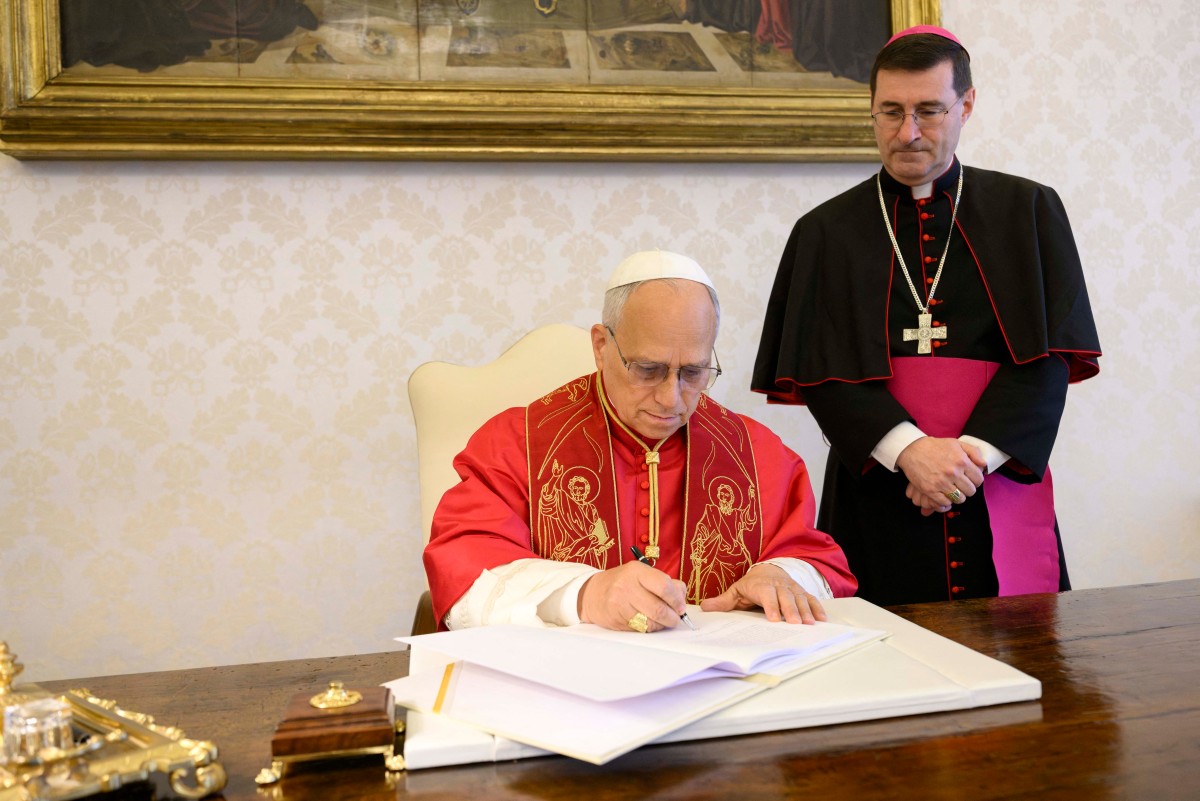
In the first encyclical of his pontificate, Leo XIV addresses both the immense benefits and the present and potential dangers of artificial intelligence (AI) , a technological advance without precedent in human history, but also a formidable tool capable of enslaving humanity and distorting what it means to be human. He argues for “the possibility of peace” in an age convinced that “war is inevitably part of human nature.” The parallel between Magnificent Humanity and Leo XIII’s encyclical Rerum novarum (1891) is evident, down to its very form: Leo XIV symbolically signed his text on 15 May 2026, the 135th anniversary of the foundational encyclical of Catholic social teaching. The pope had already explained that he chose his regnal name to honour Leo XIII, drawing a direct parallel between the upheavals of the first industrial revolution and those of artificial intelligence.

Bkerké Grants Wives of Married Priests an Identity
By
Fady Noun
Published
Jun 3, 2026 - 10:30

A virtuous revolution is underway in the Maronite Church: Bkerké has decided to give the wives of its married priests an identity – the “khouriyates.” They are named Rita, Paulette, Nadia, Nour, Charlotte and Dounia, and all are married to Maronite priests. They are the “khouriyates,” the feminine form of “khoury” (priest), an affectionate designation they have always carried. On May 16, they took part in the first national gathering of priests’ wives in the Maronite Church, which moved to formally recognize them and ensure they are fully integrated into their husbands’ priestly journey. In a message to the assembly, Cardinal Mario Grech underscored the initiative’s dual thrust: fidelity to the Eastern tradition of the Maronite Church, alongside openness to the prominent place and role women must hold in contemporary society.

The Rosary, “the Prayer of the Poor” and Heaven’s Strike Force
By
Fady Noun
Published
May 25, 2026 - 11:54

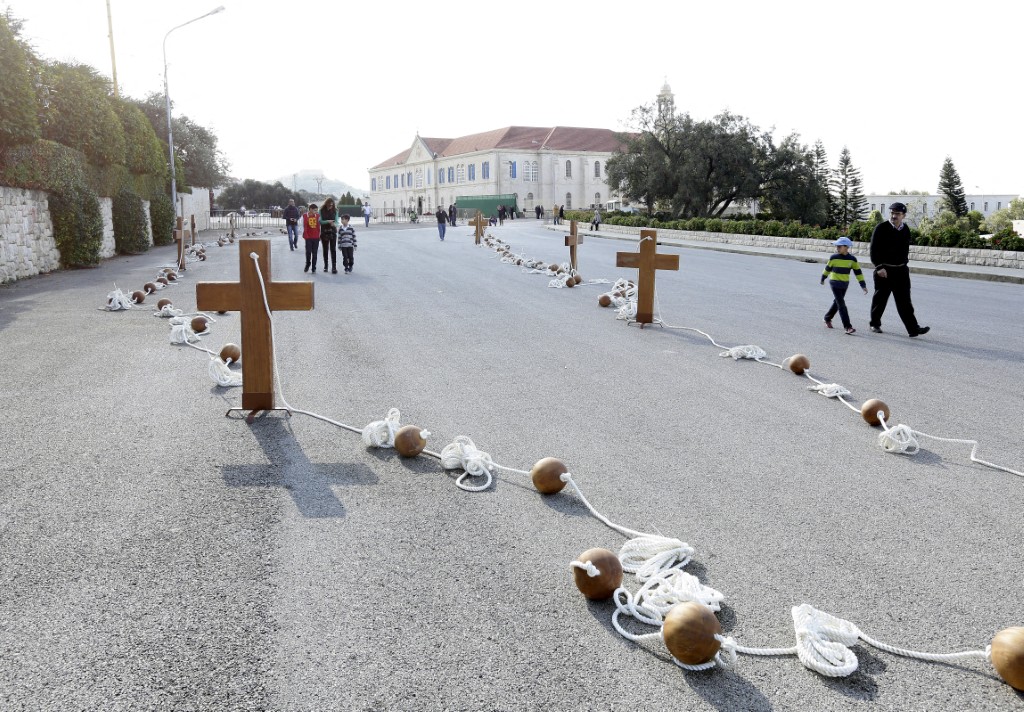
“You have to say it: the rosary keeps you from falling any lower.” Raoul* – a language-loving retiree, an overqualified Lebanese-Canadian family man living under the constant threat of unemployment – says it matter-of-factly, without going into detail. In May, the month the Church dedicates to the Virgin Mary, stories of help received through the rosary are countless. For Fahed F., a native of Kesrouan, his marriage would have remained childless without the rosary and visits to the Marian shrine of Béchouate, in the Bekaa Valley. “Start praying!” the businessman suddenly hears inwardly just after handing his car keys to a worker he had sent on an errand. When the man returns – after discreetly repeating Hail Mary’s near the construction site where his laborers were working – he learns that his car had skidded on the rain-slick Metn highway and might have plunged into a ravine had a large bush not providentially stopped its course.

Facing the Cedars of Lebanon, Israel’s “Moral Deficit”
By
Fady Noun
Published
May 12, 2026 - 19:56

What answer can be given to Israel Katz, Israel’s defense minister, when he taunts Lebanon by declaring that “soon, fire will consume its cedars?” What response is there to Bezalel Smotrich, Israel’s finance minister, who mocks Lebanon by saying that his son asks him “to leave something for him to destroy?” Israeli officials should choose their words more carefully. Words carry consequences. Katz invokes the Book of Zechariah: “Open your doors, O Lebanon, that the fire may devour your cedars! … Wail, O cypress, for the cedar has fallen, for the glorious trees are ruined! Wail, oaks of Bashan, for the thick forest has been felled! The sound of the wail of the shepherds, for their glory is ruined! The sound of the roar of the lions, for the thicket of the Jordan is ruined” (Zechariah 11:1–3).