Levant Time logo
Fady Noun

Fady Noun

Christmas Tale: the Two-State Solution and the Star of Hope
By
Fady Noun
Published
Dec 25, 2025 - 19:32

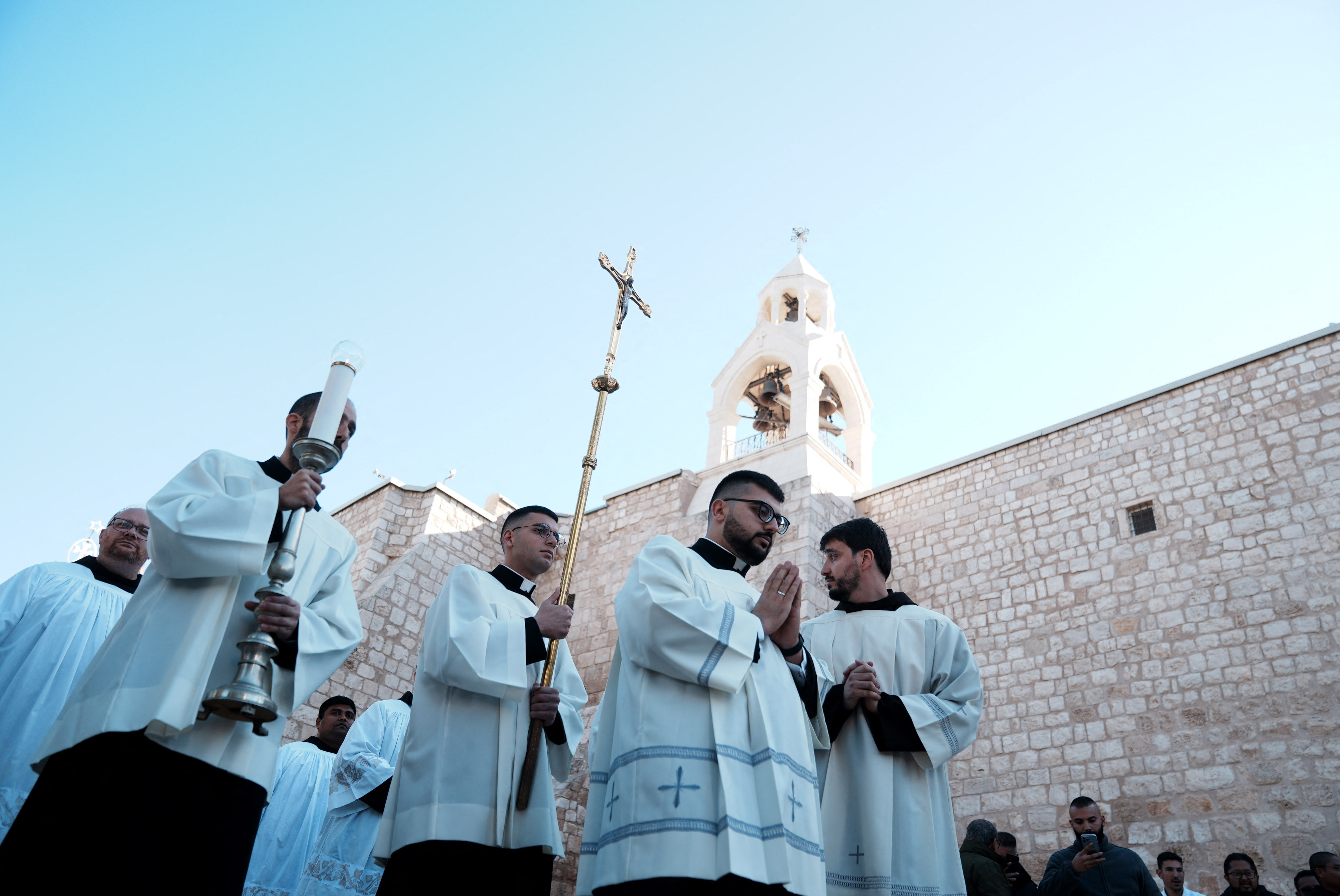
It is said that one night, when the sands once crossed by the Magi seemed weary of having witnessed so many footsteps passing without ever meeting, a new star began to shine brighter than all the others. Those who were most attentive lifted their heads and sighed as they searched the sky, sensing that something new and mysterious, born of the Great Unknown, was making itself known. The star did not appear over an untouched land. It shone above a Middle East scarred by walls, checkpoints, ruins, conflicting prayers, and thousands of dead, widows, and orphans. At the same moment, in a narrow street of Bethlehem, a family was setting up a small nativity scene in front of their home. Nothing elaborate: burlap salvaged from a rice sack, a few battered plastic figurines, a baby Jesus wrapped in yellowed cloth, sheep without shepherds, and a Virgin Mary and Saint Joseph with faded colors. A boy asked his father:
Like leaven in the dough…
By
Fady Noun
Published
Dec 21, 2025 - 10:14

The vocation of the Church, of every Church and of all Churches, is charted by Christ. This vocation is both to be universal and inclusive with the aim of banishing all discrimination. It is to be the leaven in the dough and/or the salt without which all food loses its flavor and becomes inedible. In other words, as salt is made for food, we are not made for ourselves, we are 'beings for others.' This vocation is also to proclaim, through our words and our actions, the 'good news' of Christ. 'The foundational base of a minimal national history' and the beginning of the crystallization of a national identity, observed by historian Candice Raymond, is what we have most precious to offer our compatriots – and we must speak of it indistinctly as Maronites and as Lebanese. This foundation is our pride: it is the beginning of a stable and defined identity that we must protect from anything that could disfigure it.

Leo XIV in Annaya, a Particular Dimension for the Maronites
By
Fady Noun
Published
Dec 19, 2025 - 15:52

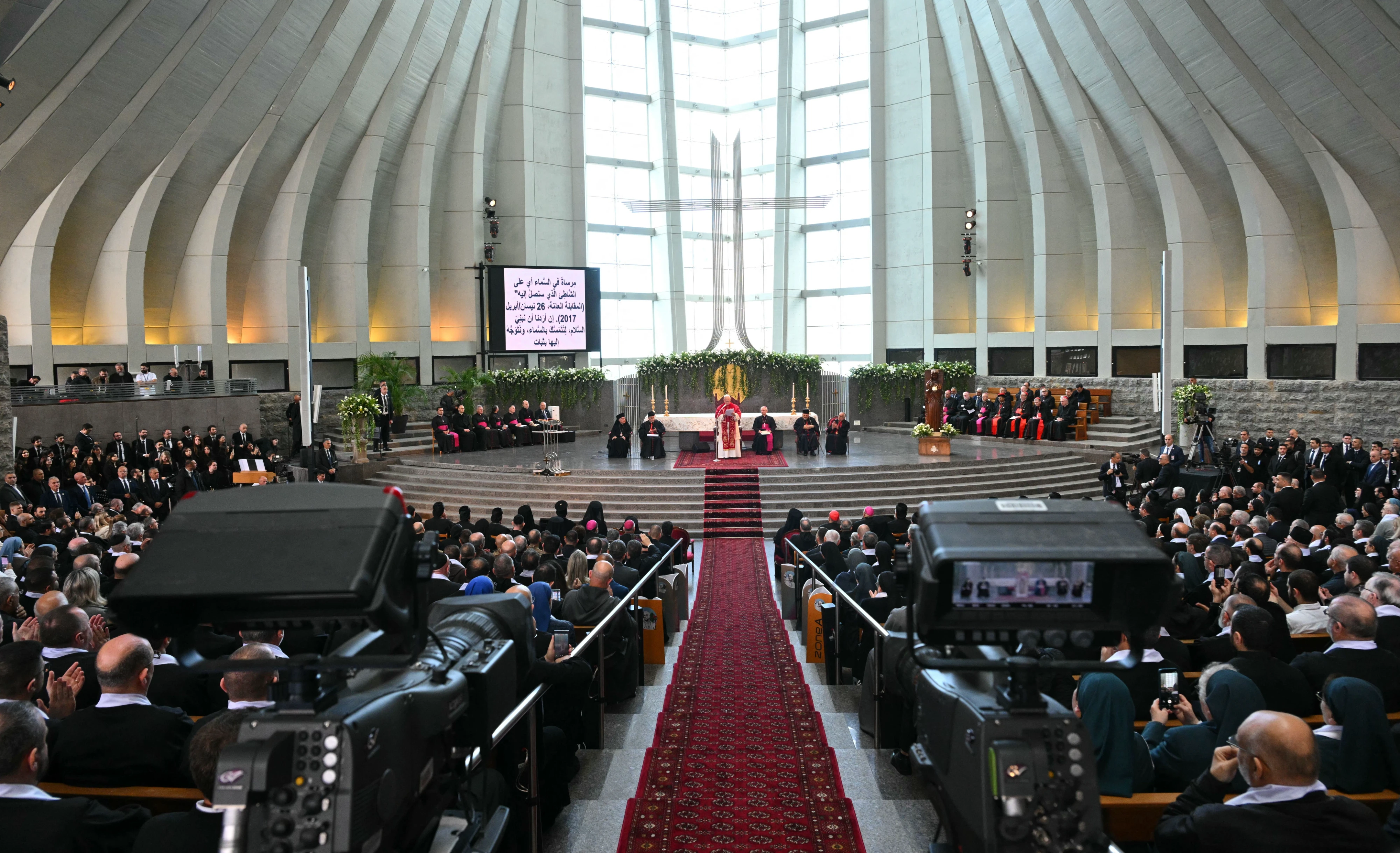
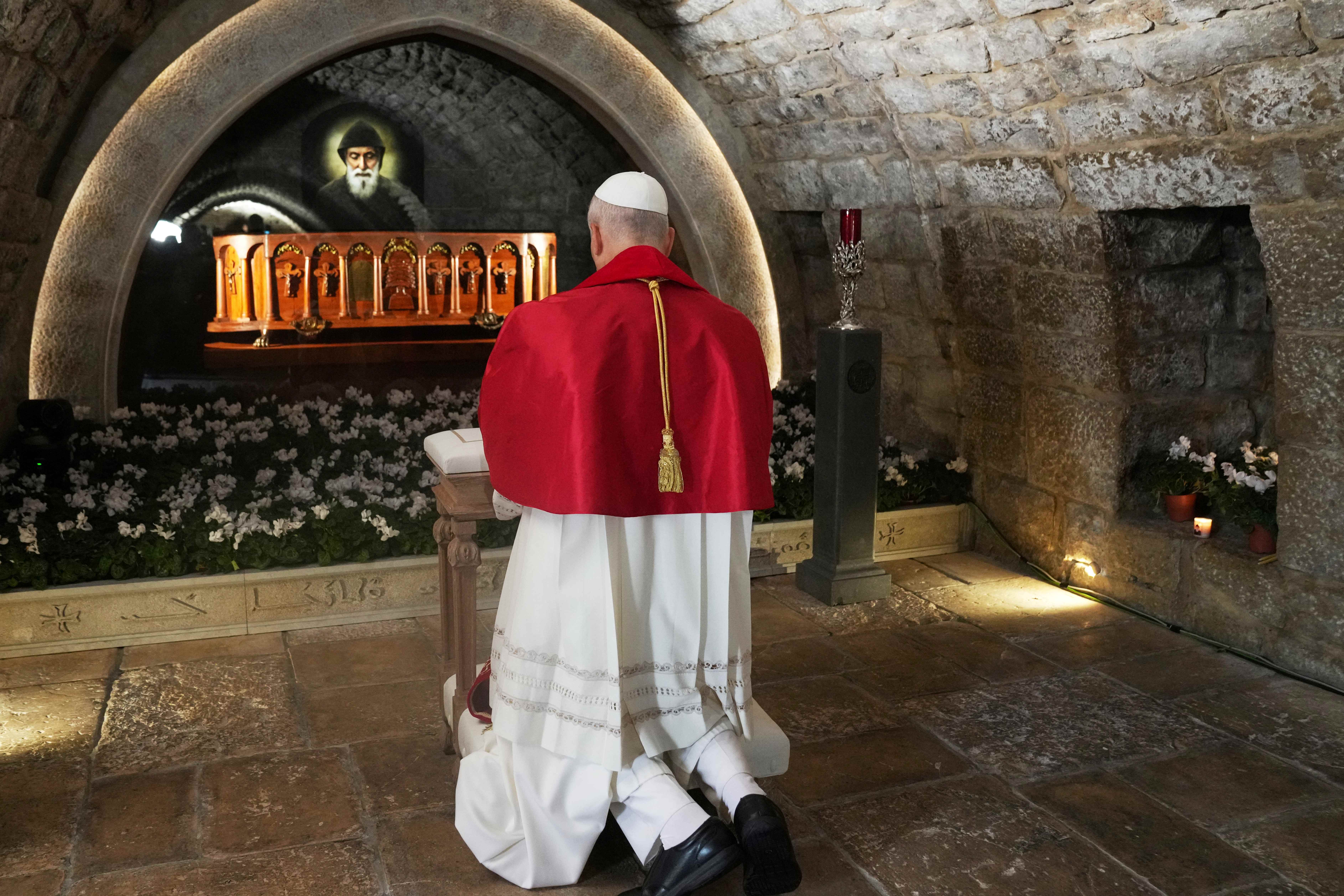
At a time of rising regional particularisms, under the effect of the war in Gaza, the Pope's recent visit to Lebanon, particularly to Annaya, takes on a special dimension for Maronites. It should be an opportunity for this community to activate its historical research on an academic level and to refresh its memory on the "missionary" nature of its presence in Lebanon as a historical core of Lebanese identity. Pope Leo XIV's recent visit to Annaya on December 1, 2025, should be the first groundbreaking of a Maronite historical project “revisited.” Beyond the person of Saint Charbel, the Pope indeed went to the source of the Lebanese Maronite Order (OLM), which encapsulates the essence of the Maronite Church. In Annaya, we are also at the source of Greater Lebanon, of which John Paul II affirmed that “its historical roots are religious in nature.” Here we touch upon its genesis.

Jean-Claude Guillebaud and the Spiritual Question of Evil
By
Fady Noun
Published
Dec 15, 2025 - 16:47

All the thinkers and political leaders who continue to reflect on the unveiling of the countless facets of the Lebanese war, all those drawn to what Michel de Certeau called “cultural poaching, through which non-specialists and the dominated fashion a space of their own,” were struck by the passing, on November 8, of a friend and leading figure who was, and will remain, the essayist Jean-Claude Guillebaud (1944–2025). A journalist and editor, winner of the Albert Londres Prize in 1972, a great reporter and war correspondent (notably for Le Monde, Sud-Ouest, La Vie, among others) for more than two decades, and co-founder and president of Reporters Without Borders (RSF) from 1987 to 1993, Guillebaud authored some forty reports and essays, dazzling in the richness of their references. An editor with a luminous instinct, curious about everything, his books leave one with the impression that he had read everything, noted everything.

“Nostra aetate”: the spirit of truth working beyond the visible boundaries of the Church (4/4)

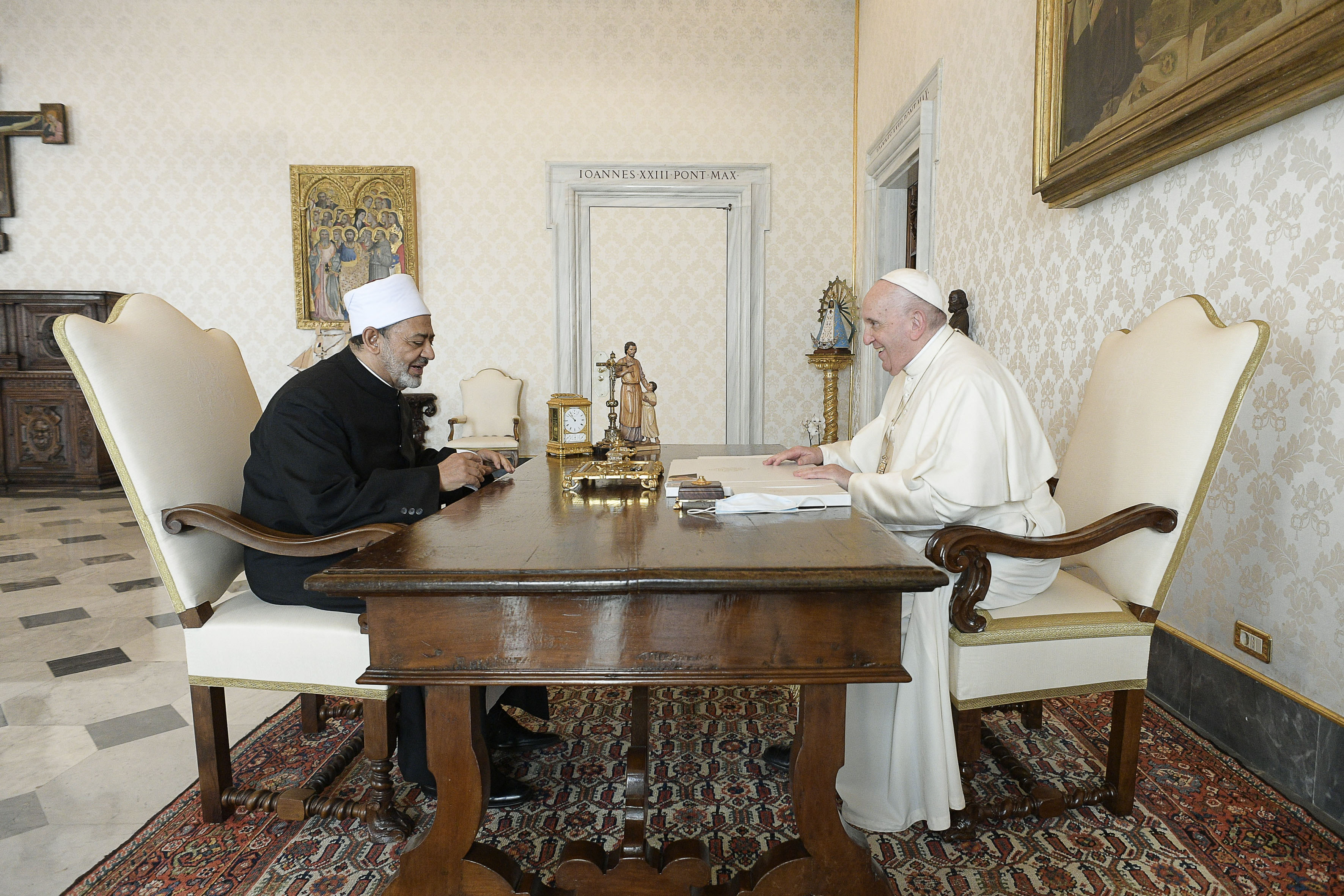
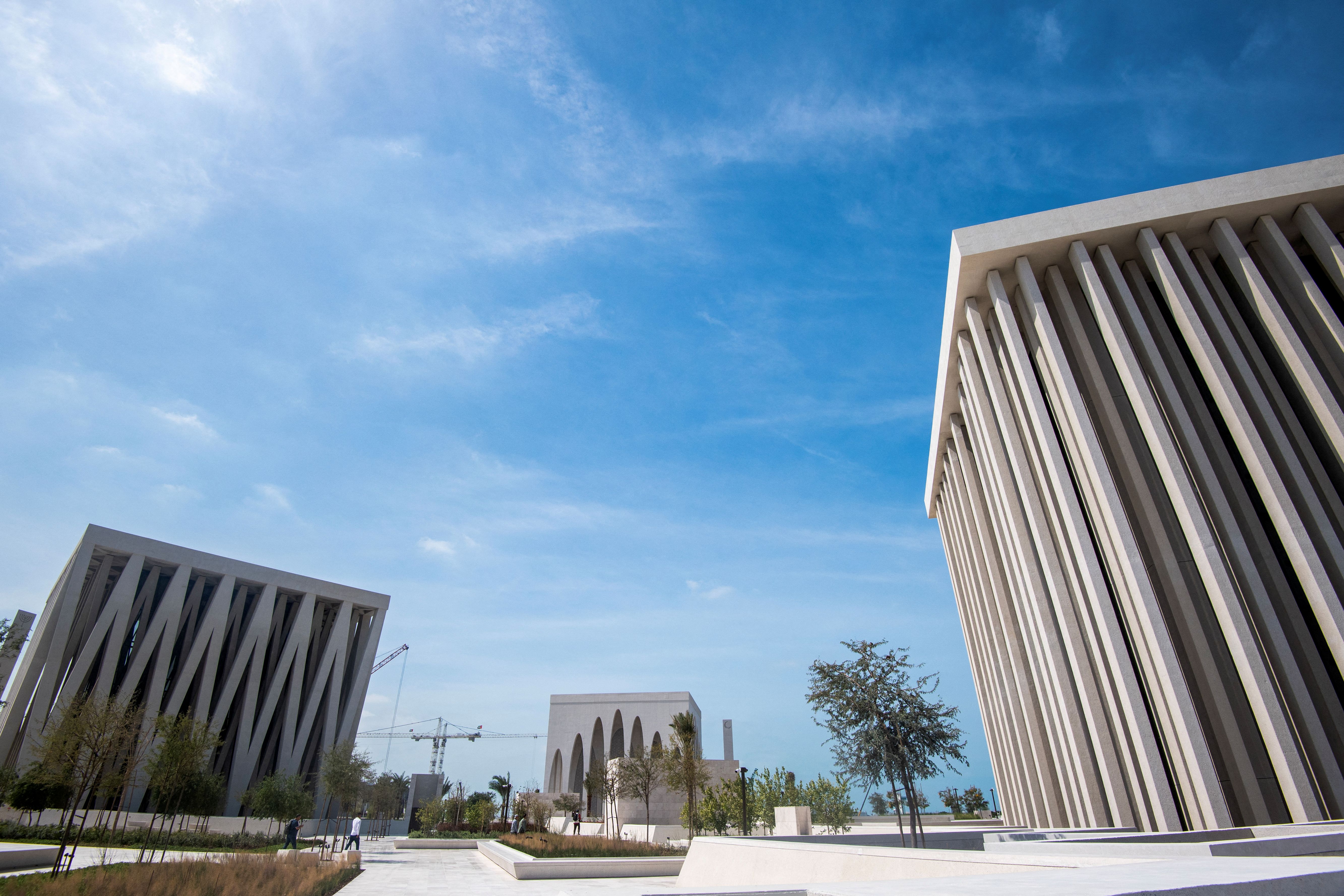
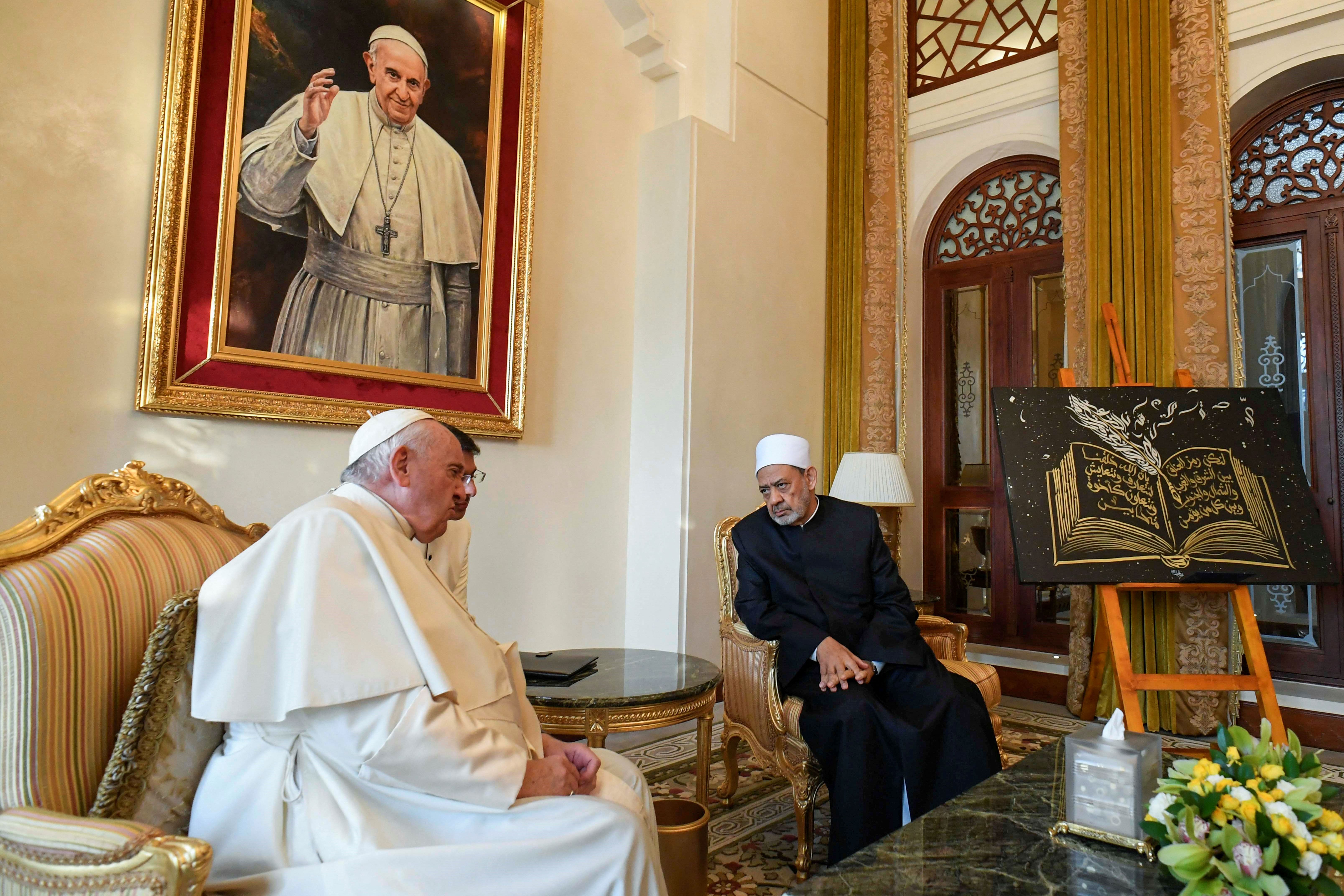
From biblical meals to the Eucharist, and, more recently, to the dialogue in Abu Dhabi, Christian fraternity is lived through conviviality and sharing. This is the fourth and final installment of our series. Christianity is, at its heart, convivial. One need only note how many of the Gospel’s most striking scenes unfold around a meal, and how much teaching the Lord delivers at the table. It is a place of shared hospitality, of upended social boundaries, of joyful fraternity and communion. At the Eucharist – the central event of Christian life – the table becomes an altar. It was over a meal that the idea for the 2019 Abu Dhabi Document on Human Fraternity was born, co-signed by Pope Francis and Sheikh Ahmad al-Tayyeb, Grand Imam of al-Azhar. According to America Today (1 December 2020; see also the Egyptian site albawaba), the meal took place in May 2016, following a working session in the Vatican Library. The discussion marked a renewal of dialogue between the Catholic Church and al-Azhar, the great Sunni institution, after several years of tension. Relations between the Holy See and al-Azhar had broken off following the attack on the Coptic cathedral in Alexandria on 1 January 2011: Benedict XVI had stressed the need to protect Christians in Egypt and across the Middle East – a statement that the Egyptian institution regarded as undue Western interference.

"Nostra aetate”: Abu Dhabi and “Fratelli tutti”, the good fruits of dialogue (3/4)

“Nostra aetate” profoundly reshaped dialogue between Catholics and Muslims. From John Paul II to Pope Francis, the Holy See has pursued its work of encounter and fraternity. This is the third installment in our series. It is hard to overstate the impact of the 1965 declaration Nostra aetate on relations between the Catholic Church and the Arab-Muslim world. To grasp this fully, nothing is more helpful than reading the text itself, which presents no dogmatic difficulty. Here is the passage that concerns us directly: “(…) The Church regards with esteem also the Moslems. They adore the one God, living and subsisting in Himself; merciful and all- powerful, the Creator of heaven and earth,(5) who has spoken to men; they take pains to submit wholeheartedly to even His inscrutable decrees, just as Abraham, with whom the faith of Islam takes pleasure in linking itself, submitted to God. Though they do not acknowledge Jesus as God, they revere Him as a prophet. They also honor Mary, His virgin Mother; at times they even call on her with devotion. In addition, they await the day of judgment when God will render their deserts to all those who have been raised up from the dead. Finally, they value the moral life and worship God especially through prayer, almsgiving and fasting.

“Nostra aetate”: A Gesture That Says It All (2/4)
By
Fady Noun
Published
Dec 9, 2025 - 12:41

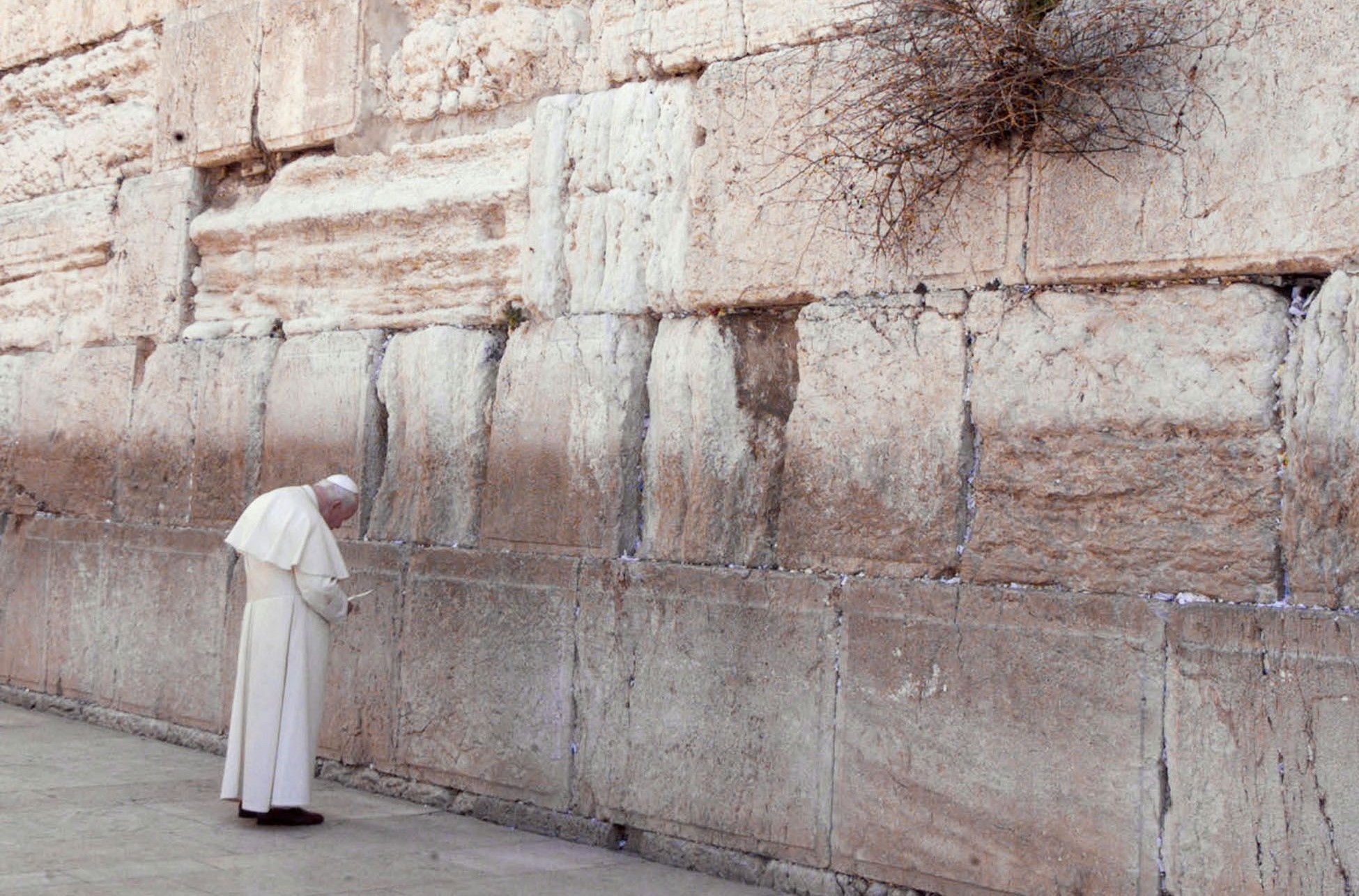
In our first article, we looked at the circumstances that gave rise to Nostra aetate , the Vatican II declaration on the Church’s relationship with non-Christian religions. Clear and precise, the text leaves nothing in the shadows and avoids a different “substitution”: replacing the Church’s mission with dialogue. But that is another story. Regarding the Jews, Nostra aetate explicitly rejects the notion of collective responsibility for Christ’s death, as some have interpreted passages of the Gospel, including the crowd’s cry: “His blood be on us and on our children!” It makes clear that “what happened during the Passion cannot be ascribed indiscriminately either to all the Jews then living, or to the Jews of today.”

Lebanon, a land of encounter, a land of Christian unity
By
Fady Noun
Published
Dec 5, 2025 - 22:49

“Thank you for coming” is probably one of the phrases Leo XIV heard most often during his stay in Lebanon. For many, the popular welcome given to the Pope came as a surprise. Leo XIV praised the “simplicity” of our faith. He must have rediscovered in Lebanon something of the faith of the peasants of Peru, that of a people untouched by the intellectual sophistication of the West. “Wow! Thank you to Peru, and especially to Chiclayo, for having so beautifully shaped this man of God, so full of zeal and compassion,” wrote a retired engineer on Facebook who spent three days glued to the television. Mother Marie Makhlouf, the superior of the Sisters of the Cross, and the two women who received the comfort of his embrace, in Bkerké and at the port, would certainly agree. Now, Pope Leo XIV knows Lebanon intimately, and the people saw the joy of the encounter on their faces.

Nostra Aetate, cornerstone of interreligious dialogue – The Roots (1)

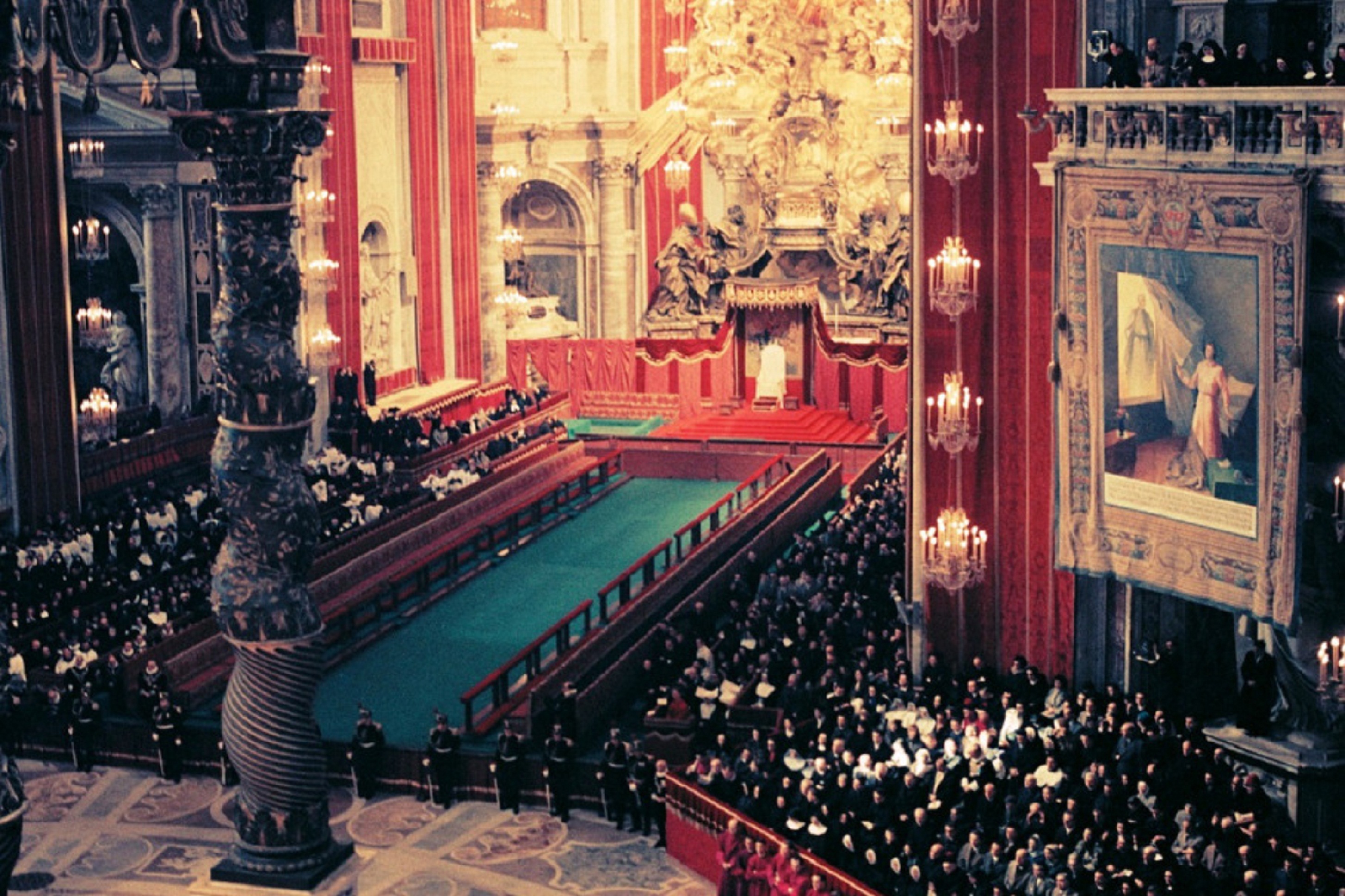
The Vatican and the global Catholic community, including Lebanon, are currently marking the 60th anniversary of Nostra Aetate , the declaration promulgated by Pope Paul VI on the Catholic Church’s relationship with non-Christian religions. In Lebanon, a conference was held in Bkerké on November 8 to commemorate the event. The statement has often been called prophetic , and rightly so. It was written at a moment when, despite growing contact between peoples through modern transport and communication, religion was increasingly being used as a tool of violence across the five continents. The culture of religious and racial hatred had reached its darkest point in Europe during World War II, with the Holocaust and the extermination of millions of Jews by the Nazis.

/