Levant Time logo
Michel Hajji Georgiou

Michel Hajji Georgiou

Political analyst

Writer, political analyst, and journalist, Michel Hajji Georgiou was director of programs for Voice of Lebanon – Achrafieh (radio and webTV) in 2023, co-founder and former editorial director of Ici Beyrouth (2021-2022), head of the local political desk at L’Orient-Le Jour for five years (2015-2019), a columnist, former editor-in-chief of its annual political supplement (2005-2011), as well as a senior journalist for twenty years (1999-2019) at this daily newspaper. Awarded the Collège Notre-Dame de Jamhour Philosophy Honor Prize in 1998, he received the Gebran Tueni / WAN Prize in 2007 and the Foundation for Human and Humanitarian Rights Prize in 2008 for his work in favor of freedom of expression and opinion. A founding member of several human rights associations and cultural foundations, including Media Against Violence and ALEF, he is notably the author of The Quiet Revolution, a collection of political texts by the late Samir Frangieh, as well as a collection of poetry, From This Broken Hill, dedicated to the memory of the Canadian poet and singer Leonard Cohen, and a forthcoming biography of the late Hassan Rifaï. He currently collaborates as a columnist and political analyst at Levant Time and maintains the blog BeirutUnbound.com.

Helsinki Without Guardrails
By
Michel Hajji Georgiou
Published
Jan 5, 2026 - 16:42

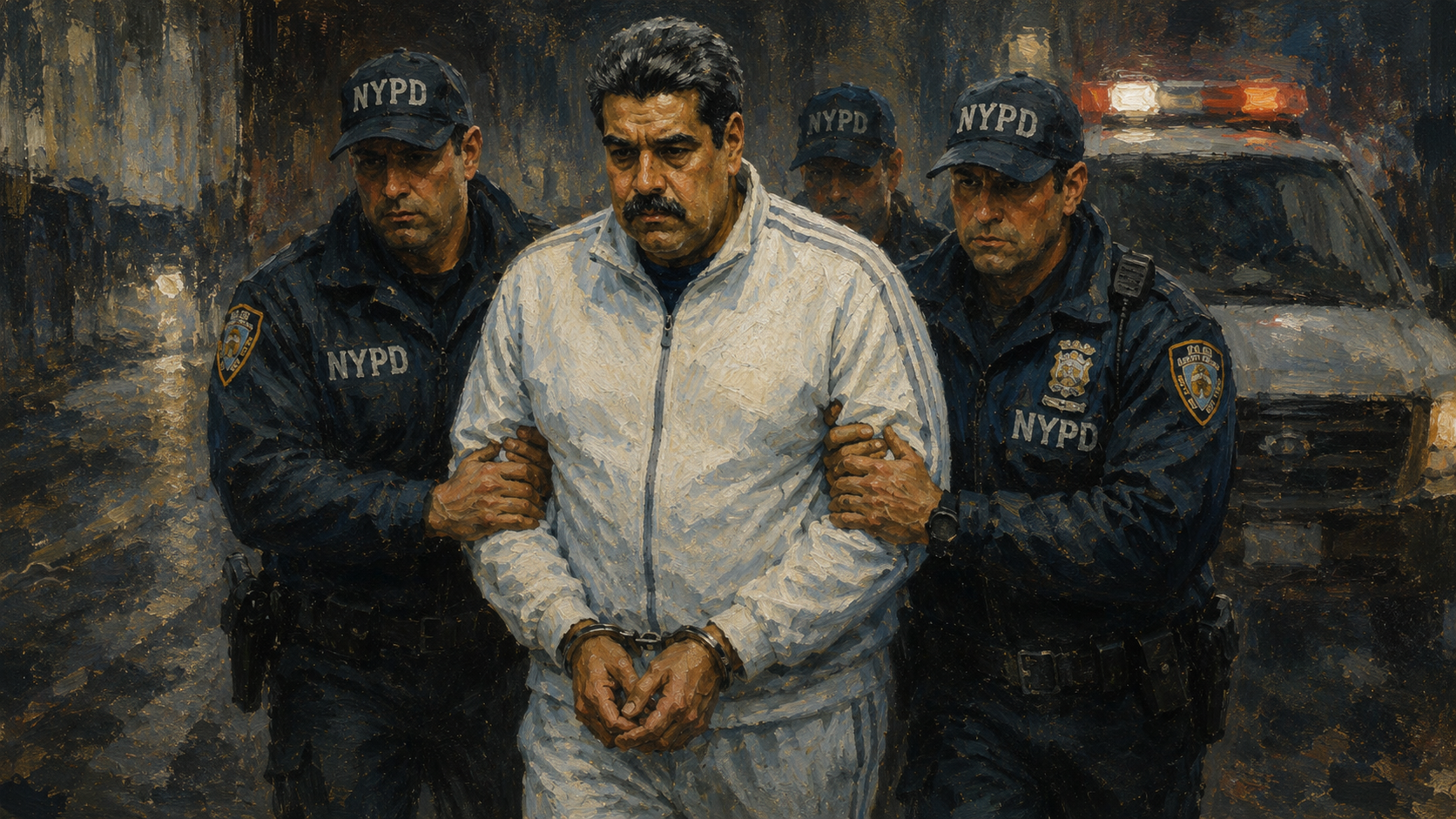
There is, in the image of Nicolás Maduro paraded in New York like a petty drug trafficker, something that echoes Vercingetorix being displayed as a war trophy in Rome before Julius Caesar in September 52 BC, after the siege of Alesia. No one is suggesting shedding crocodile tears for a populist dictator at the helm of a defiant state. Maduro, moreover, is neither Lumumba nor Che Guevara. He is simply one of those figures Latin America has always known how to produce in its darkest hours: characters straight out of The Autumn of the Patriarch by Gabriel García Márquez, whose outward flamboyance masks a total absence of grandeur. Spectral. Ridiculous.
Freedoms: The Soul of the Republic
By
Michel Hajji Georgiou
Published
Dec 30, 2025 - 16:17

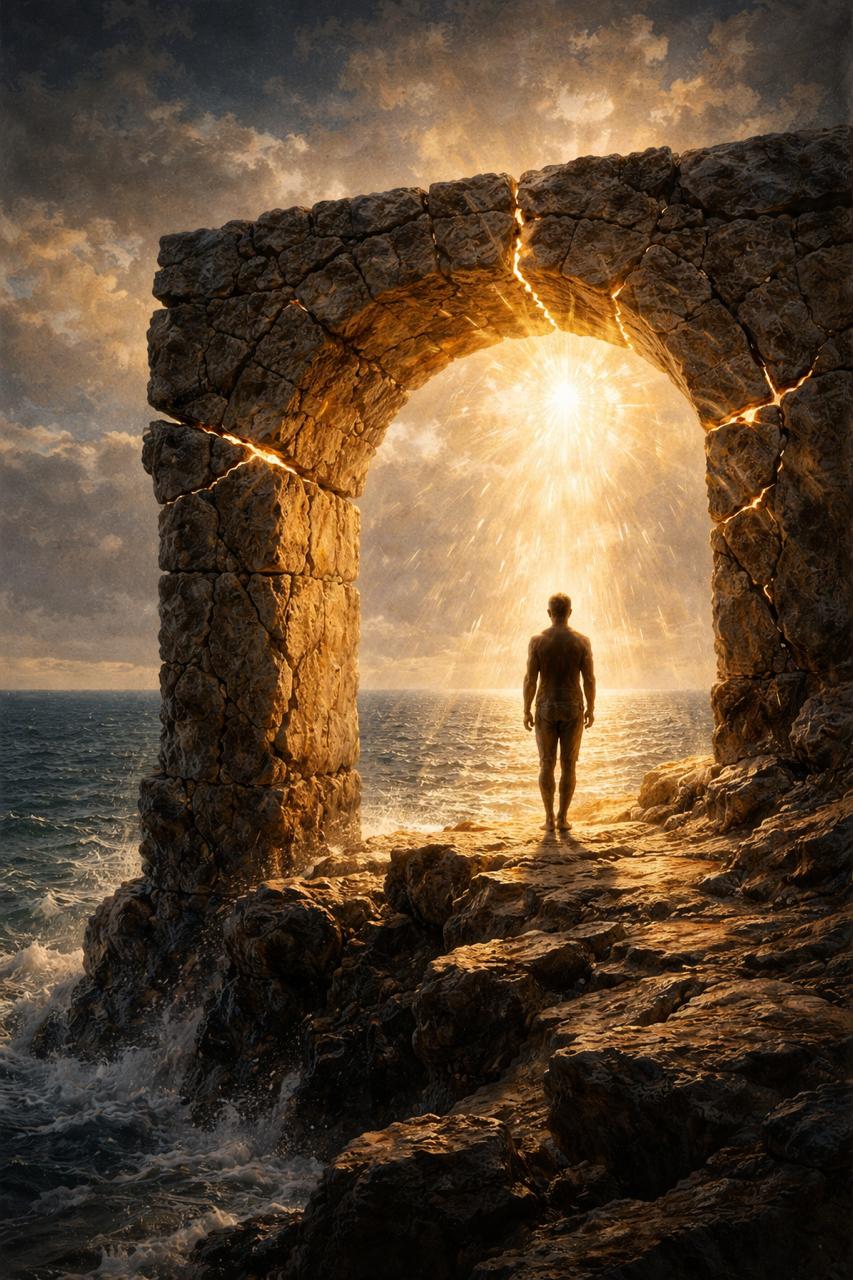
Probably the most overused concept in Lebanon, freedom is nevertheless neither a luxury nor a slogan. It is our very condition of possibility—the discreet breath that has allowed this improbable country to stand upright between sea and mountains, between languages, rites, memories, and wounds. Without it, only a fractured territory of armed tribes remains. With it, Lebanon becomes a space—fragile, conflict-ridden, yet alive—where an attempt is still made to allow worlds that elsewhere turn their backs on one another to coexist. Today, that freedom is under threat. Everywhere. On one side, it is undermined by real or self-proclaimed “minorities” who, in the name of legitimate recognition, slide toward the outright negation of the other—toward cancel culture, the policing of words, works, and nuance. Emancipation then turns into a permanent tribunal, debate into an inquisition, criticism into blasphemy. On the other side, freedom is besieged by populisms, fundamentalisms, and authoritarian nationalisms bearing names such as Trump, Putin, Orbán, and their local avatars—cardboard strongmen who promise order and deliver only fear.

Palestine: a peace hijacked by extremes
By
Michel Hajji Georgiou
Published
Dec 26, 2025 - 13:56

Contrary to popular belief, the Palestinian question is not trapped in a stalemate by historical inevitability, nor by an irreconcilable, atavistic hatred. It is methodically neutralized by a convergence of interests between extremes who, while clashing in bloodshed, share a common obsession: preventing the emergence of a political solution based on mutual recognition and equal rights. On one side, an Israeli power captive to an absolute security logic, transformed over the years into a governing ideology. On the other, Islamist movements that thrive on the collapse of politics, the sacralization of violence, and the hijacking of the Palestinian cause for the benefit of regional agendas. Caught in the middle, a population held hostage, and a prospect of peace deliberately sabotaged.

Christmas and the Price of Redemption
By
Michel Hajji Georgiou
Published
Dec 24, 2025 - 12:10

The meaning of Christmas challenges us more than ever, in a world that is increasingly fragmented, increasingly “nihilistic” — in the existential sense. Beyond its commercial and festive character, or even its spiritual and religious dimension, Christmas is, in principle, a hand extended toward humanity in all its flaws, its inequities, its imperfections. Without distinction. This is not about engaging in supermarket morality, nor in secularized spiritualism, but about sincerely questioning what this moment signifies, beyond immediate experience — beyond that delightful synesthesia of lights, songs, and flavors, or the joy of gifts reflected in the innocent eyes of young children.

“The Iranian Empire”: Israel and the Alliance of Minorities, a Paradoxical Stability (5/5)

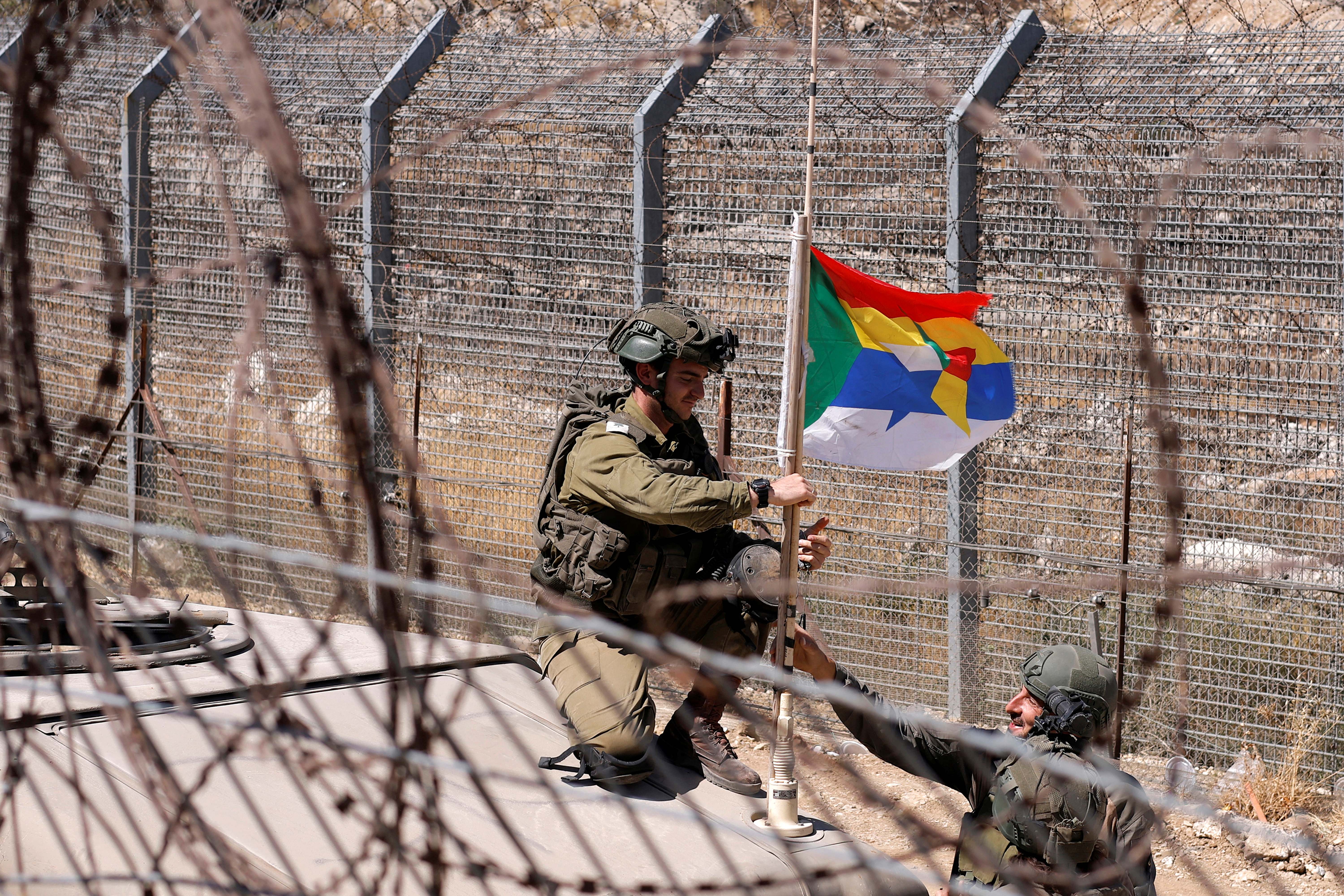
It seems necessary to dwell for a moment on the insidious game played by Israel, acting as a puppet master, in the context of the geostrategic ambitions of the Iranian Islamic Republic. For half a century, Tel Aviv found in the “alliance of minorities” (Alawites, Christians, Druze, Lebanese Shiites, Kurds) a geopolitical buffer against the Sunni hinterland. The Israeli «periphery doctrine» (1950s-70s) was indeed based on an axiom: ally with minorities to break the Sunni encirclement. In this context, the Alawite regimes in Damascus — Hafez and then Bashar al-Assad — were declared but predictable enemies; ideologically stable; obsessed with their internal survival; and perfectly dissuadable. Israel preferred a cynical and rational Assad to a nationalist or Islamist Sunni Syria. And the Western world, both the United States and European countries, followed suit with the Hebrew state, purely out of utilitarianism. The henchmen of the Assad regime rendered so many good and loyal services to European intelligence agencies over the past four decades… why get rid of such an accommodating enemy?

“The Iranian Empire”: Iraq, an Open Wound; Gaza, Palestinian Strategic Depth (4/5)
By
Michel Hajji Georgiou
Published
Dec 21, 2025 - 23:23

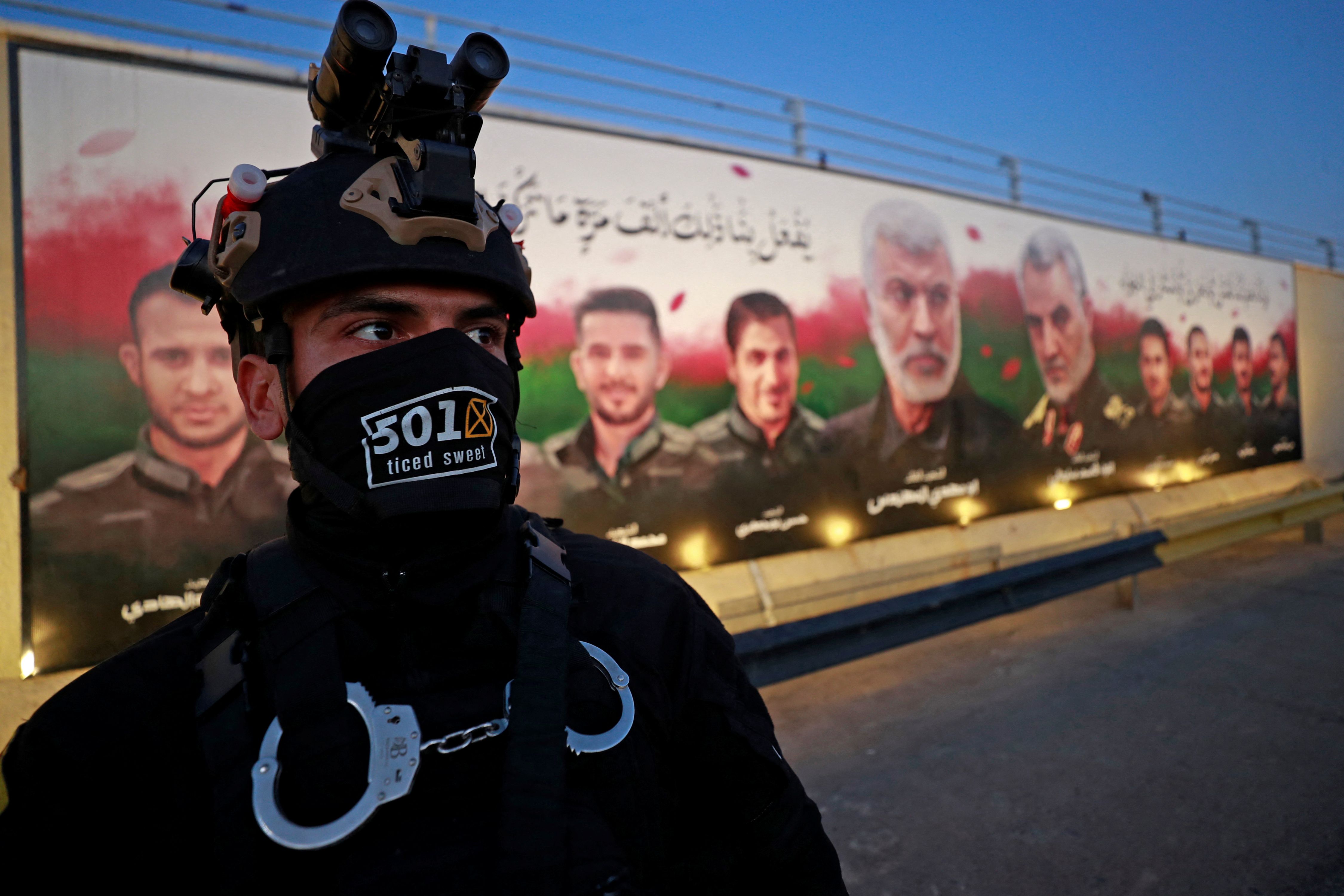
For a long time, Iraq was the keystone of the Islamic Republic of Iran’s geostrategic maneuvers and ambitions. Without Iraq, nothing holds together: neither the land corridor to Syria, nor the sanctions-busting economy, nor the network of militias that provided Iran with strategic depth in the Gulf. Powerful Shiite militias (the PMF), financed, trained, and supervised by the Revolutionary Guards, controlled for years the border areas of al-Qaim/Bukamal, through which weapons, fighters, and technologies transited toward Syria and Lebanon. The Iraqi government, wavering, constantly oscillated between Washington and Tehran, yet Iranian leverage remained massive. Today, Iraq has become a field of contradictions: U.S. pressure is increasing to sanction pro-Iranian networks; militias have been weakened by the disorganization of the Syrian front; the recent internal dispute over the classification of Hezbollah and the Houthis—placed on and then removed from terrorist lists within a few days—clearly reveals confusion; and, last but not least, an Iraqi nationalism is taking shape that rejects Iranian interference as much as American dominance.

“The Iranian Empire”: The Land Corridor and the Ambition of the Levantine Empire
By
Michel Hajji Georgiou
Published
Dec 21, 2025 - 12:56

Iran's strategy is not solely maritime. It has been built, with almost Roman patience, around a land arc : Tehran – Baghdad – Damascus – Beirut. For twenty years, Tehran patiently constructed a “Shiite crescent” connecting Iran to the Mediterranean, under the control of the vilayet e-faqih , the Iranian spiritual guide. Thus, it has sanctified Shiite militias and taken control of border areas in Iraq; it gained decision-making ascendancy from 2012 in its partnership with the Assad regime, with the intervention of the Pasdaran and Hezbollah to protect the Assad regime (later shared with Moscow during the Russian intervention from September 2015; and, above all, with the peak, from 2008, of Hezbollah in Lebanon as an expeditionary force and strategic projection tool).

“The Iranian Empire”: In Yemen, the Houthi gamble (2/5)
By
Michel Hajji Georgiou
Published
Dec 20, 2025 - 10:37

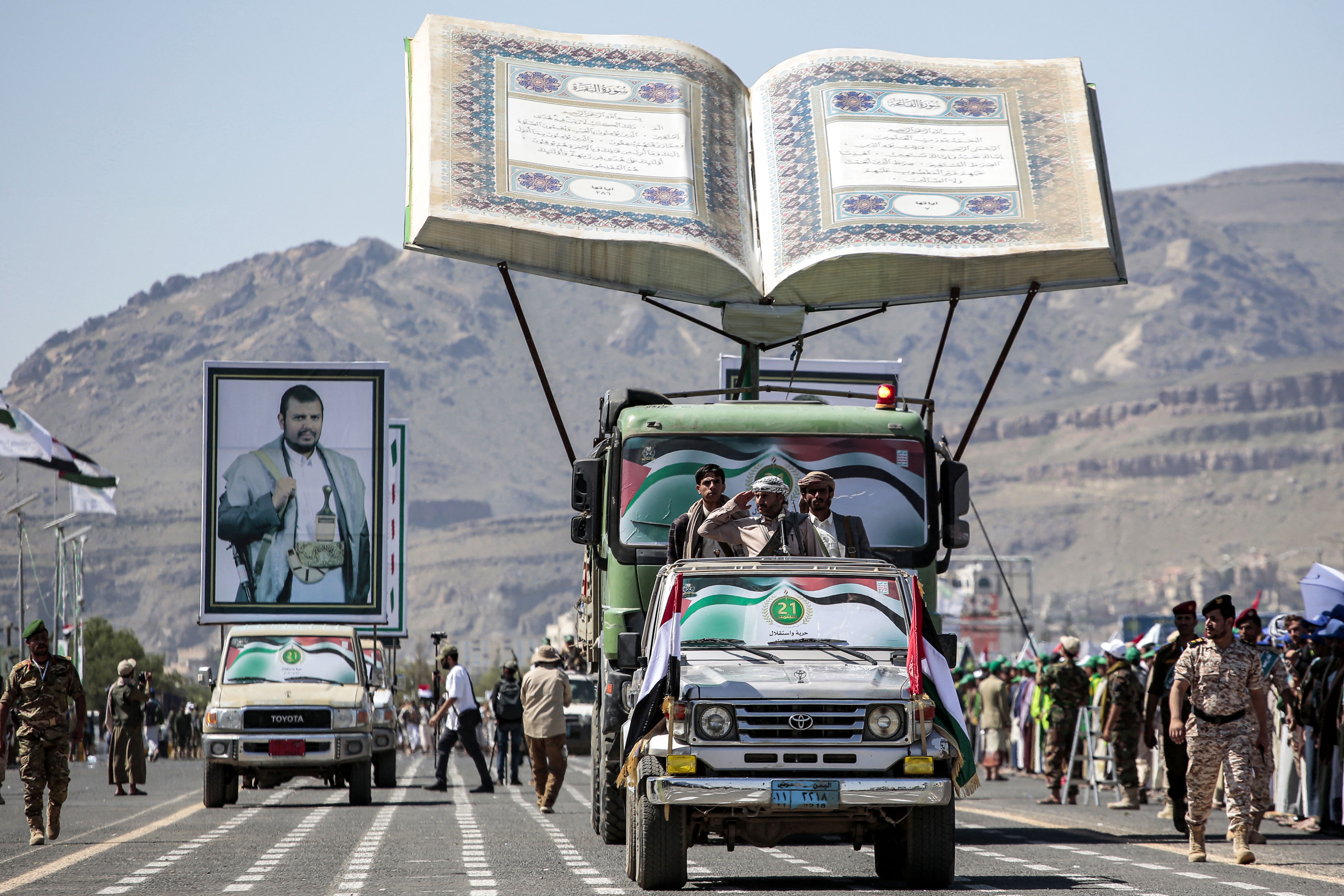
Tehran's regional policy over the past twenty-five years has obeyed a clear logic: to establish itself on the bottlenecks and corridors of the Middle East, transform straits, land routes, and enclaves into instruments of strategic blackmail, and build a defensive depth around Iran made up of militias and subservient regimes. Within the framework of this policy, Yemen and the Houthis have played a central role. Yemen, fragmented and failed, constituted the ideal terrain for the Islamic Republic of Iran to install this 'western twin'. The Houthi movement, backed by a Zaydi matrix and a malleable anti-imperialist grammar, offered Tehran a proxy capable of: holding the capital Sanaa; controlling a large portion of the Red Sea coast; and threatening Bab el-Mandeb with missiles, drones, and booby-trapped boats.

Re-anchoring Lebanon’s Shiites in the Lebanese Project
By
Michel Hajji Georgiou
Published
Dec 19, 2025 - 21:57

The history of Lebanese Shiism is too often told backwards, or worse, flattened by a teleological reading that presents Hezbollah as the natural culmination of a long religious and political continuum. Nothing could be further from the truth. Scholarly work on the ulama of Jabal Amel, on the contrary, allows us to reconstruct a very different genealogy—one rooted in doctrinal pluralism, a conscious relationship to the state, and a non-theocratic conception of religious authority. It is precisely this tradition that has been broken. Historically, Ameli Shiism developed within the framework of wilayat al-umma : a community of believers endowed with moral and spiritual autonomy, but not with a project of political domination. The choice of marja‘iyya was free and plural, often oriented toward Najaf, within a deliberately distanced relationship between clerical authority and political power. This tradition acknowledged the diversity of religious authorities, rejected doctrinal centralization, and, above all, did not seek to govern society in the name of the sacred.

"The Iranian Empire”: Anatomy of a Fall (1/5)
By
Michel Hajji Georgiou
Published
Dec 19, 2025 - 11:45

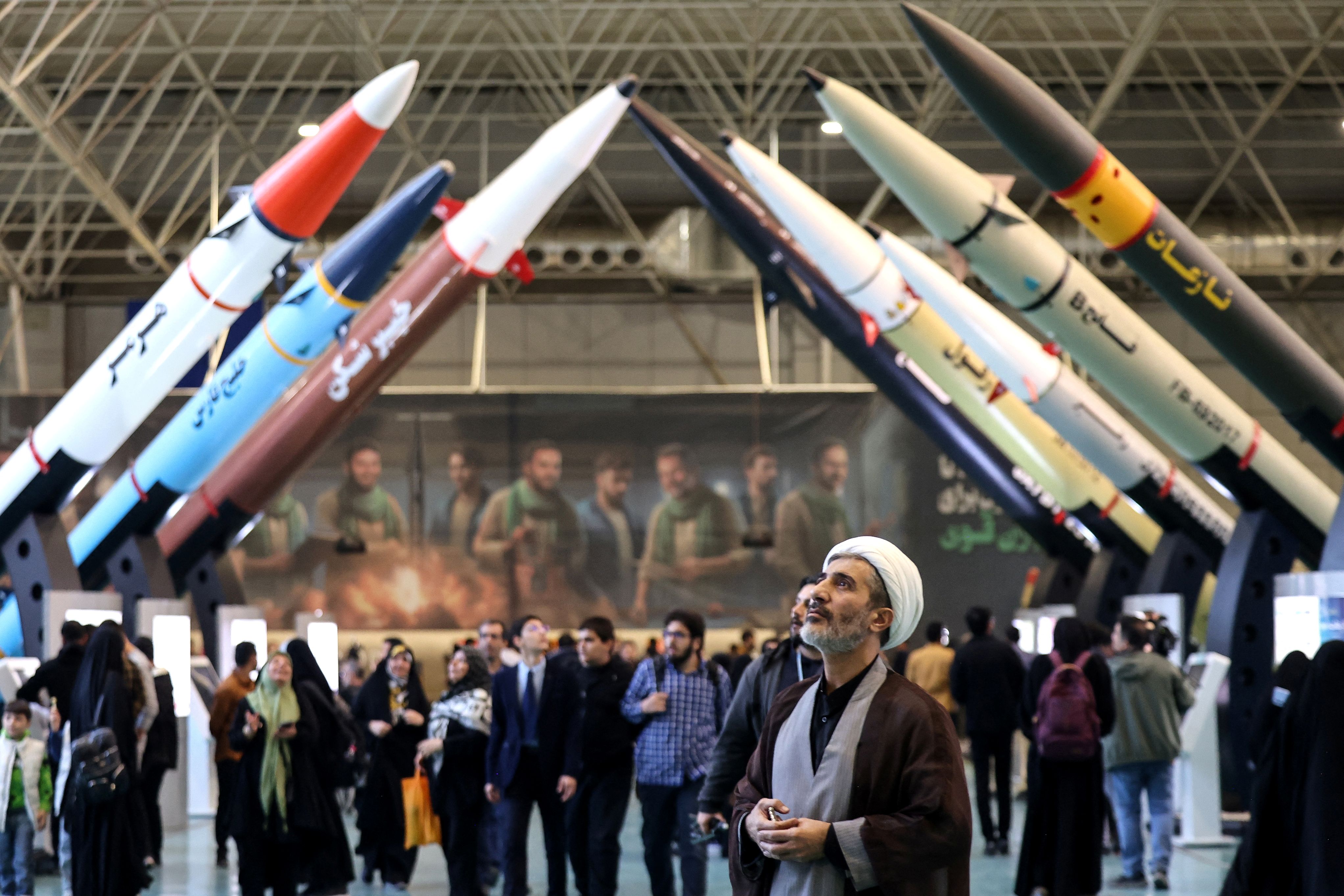
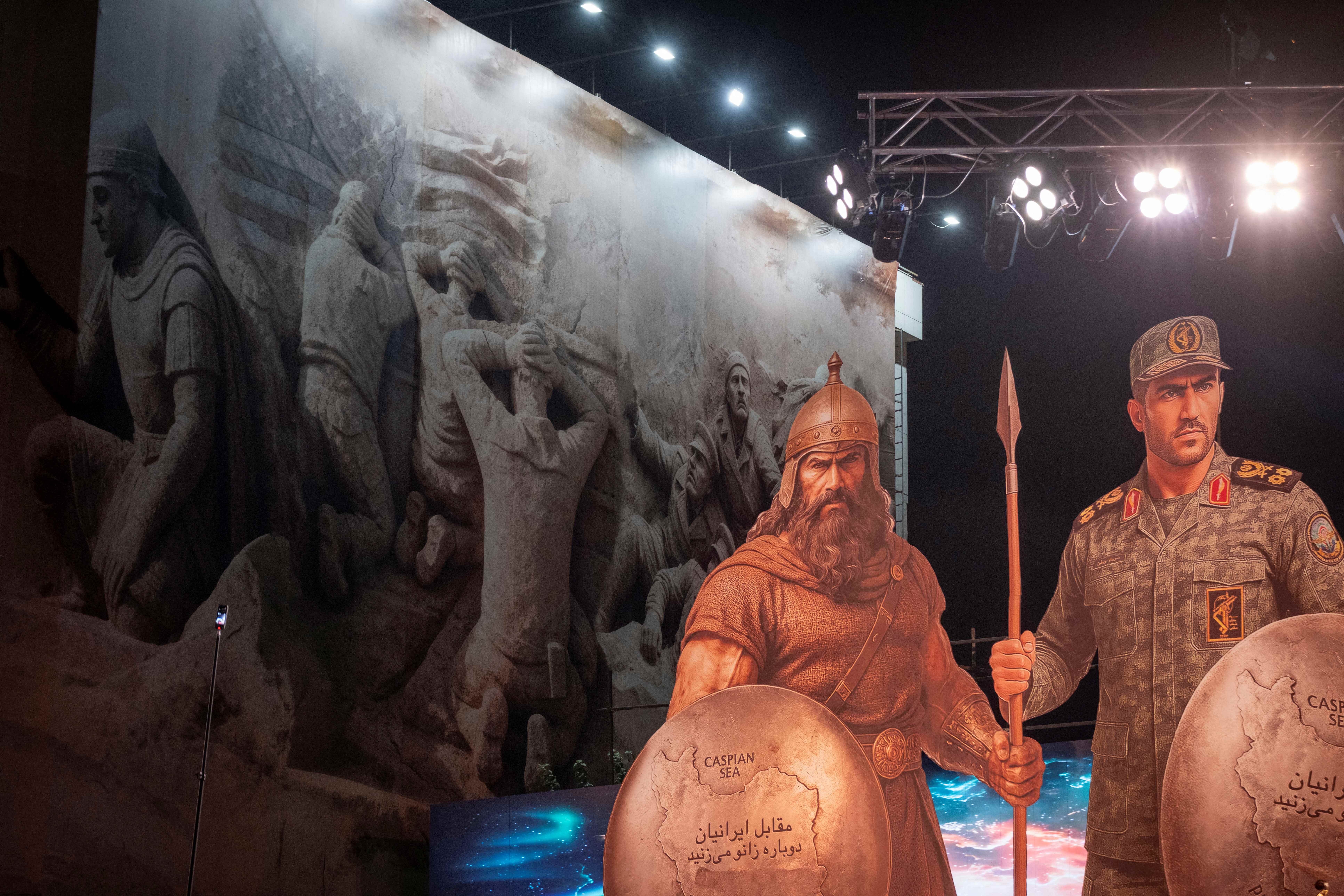
The year 2025 was a pivotal year in the Middle East, as it shattered a project that had been in gestation since the early 1980s - including the al-Daawa party in Iraq, Hezbollah in Lebanon, and the Assad regime in Syria - Michel Seurat had been one of the first to discuss it in his articles. Later, in the 2000s, Hamas in Gaza and the Houthis in Yemen joined this dynamic, which also attempted to establish itself in Bahrain during the Arab Spring of 2011. It was, incidentally, in 2005-2006, after the overthrow of Saddam Hussein in Iraq, the assassination of Rafic Hariri, the July 2006 war, and the gradual subjugation of Fatah by Hamas in Gaza, that the Iranian “Shiite crescent” project truly took shape… before receiving de facto legitimacy in 2015 through the Joint Comprehensive Plan of Action on Iranian nuclear, a golden “gift” from Barack Obama that benefited the imperialist ambitions of the mullahs.