Levant Time logo
Michel Hajji Georgiou

Michel Hajji Georgiou

Political analyst

Writer, political analyst, and journalist, Michel Hajji Georgiou was director of programs for Voice of Lebanon – Achrafieh (radio and webTV) in 2023, co-founder and former editorial director of Ici Beyrouth (2021-2022), head of the local political desk at L’Orient-Le Jour for five years (2015-2019), a columnist, former editor-in-chief of its annual political supplement (2005-2011), as well as a senior journalist for twenty years (1999-2019) at this daily newspaper. Awarded the Collège Notre-Dame de Jamhour Philosophy Honor Prize in 1998, he received the Gebran Tueni / WAN Prize in 2007 and the Foundation for Human and Humanitarian Rights Prize in 2008 for his work in favor of freedom of expression and opinion. A founding member of several human rights associations and cultural foundations, including Media Against Violence and ALEF, he is notably the author of The Quiet Revolution, a collection of political texts by the late Samir Frangieh, as well as a collection of poetry, From This Broken Hill, dedicated to the memory of the Canadian poet and singer Leonard Cohen, and a forthcoming biography of the late Hassan Rifaï. He currently collaborates as a columnist and political analyst at Levant Time and maintains the blog BeirutUnbound.com.

Iran and its Proxy War in Sudan (3/4)
By
Michel Hajji Georgiou
Published
Feb 6, 2026 - 20:30

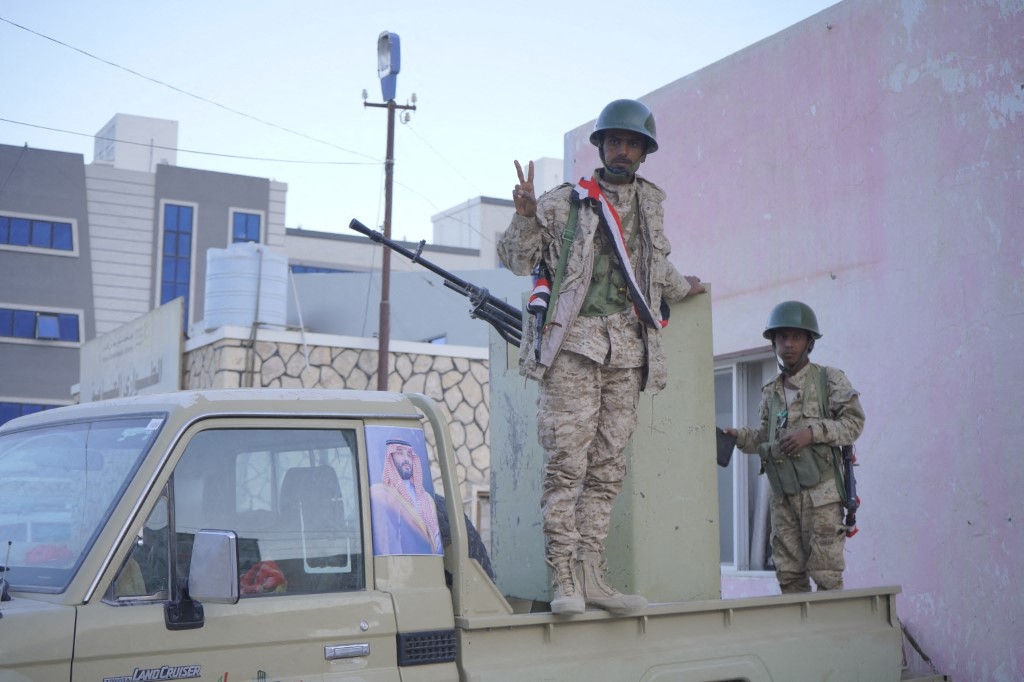
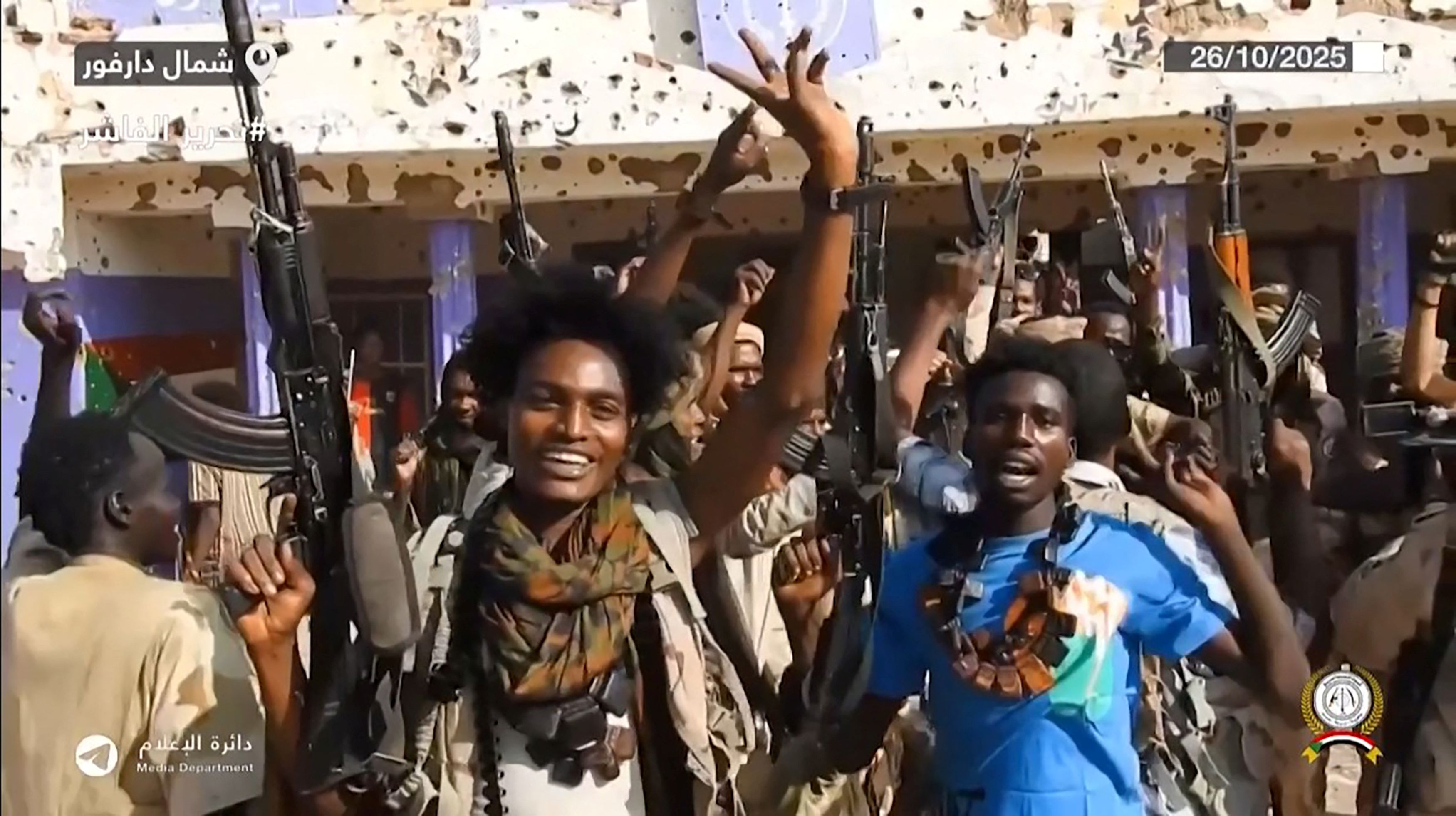
Analytical focus on the war in Sudan which, since 2023, has already resulted in tens of thousands of deaths and millions of displaced persons, with a particularly devastating human cost in Darfur, where mass violence, sieges and forced displacement have taken on a dimension that many international actors now describe as genocidal. It seems necessary to analyze Iran's role in the Sudanese conflict alone, even though the latter does not present itself in the classic form of an identified sponsor, an overt political support or an assumed alliance. It is more diffuse, more indirect, but, in many respects, more structuring. Tehran is not a central actor in the Sudanese theater; it is a kind of strategic amplifier, inscribing the conflict in a broader regional architecture, dominated by the Red Sea and new forms of asymmetric warfare.
Dialogues with the Wolves
By
Michel Hajji Georgiou
Published
Feb 4, 2026 - 10:51

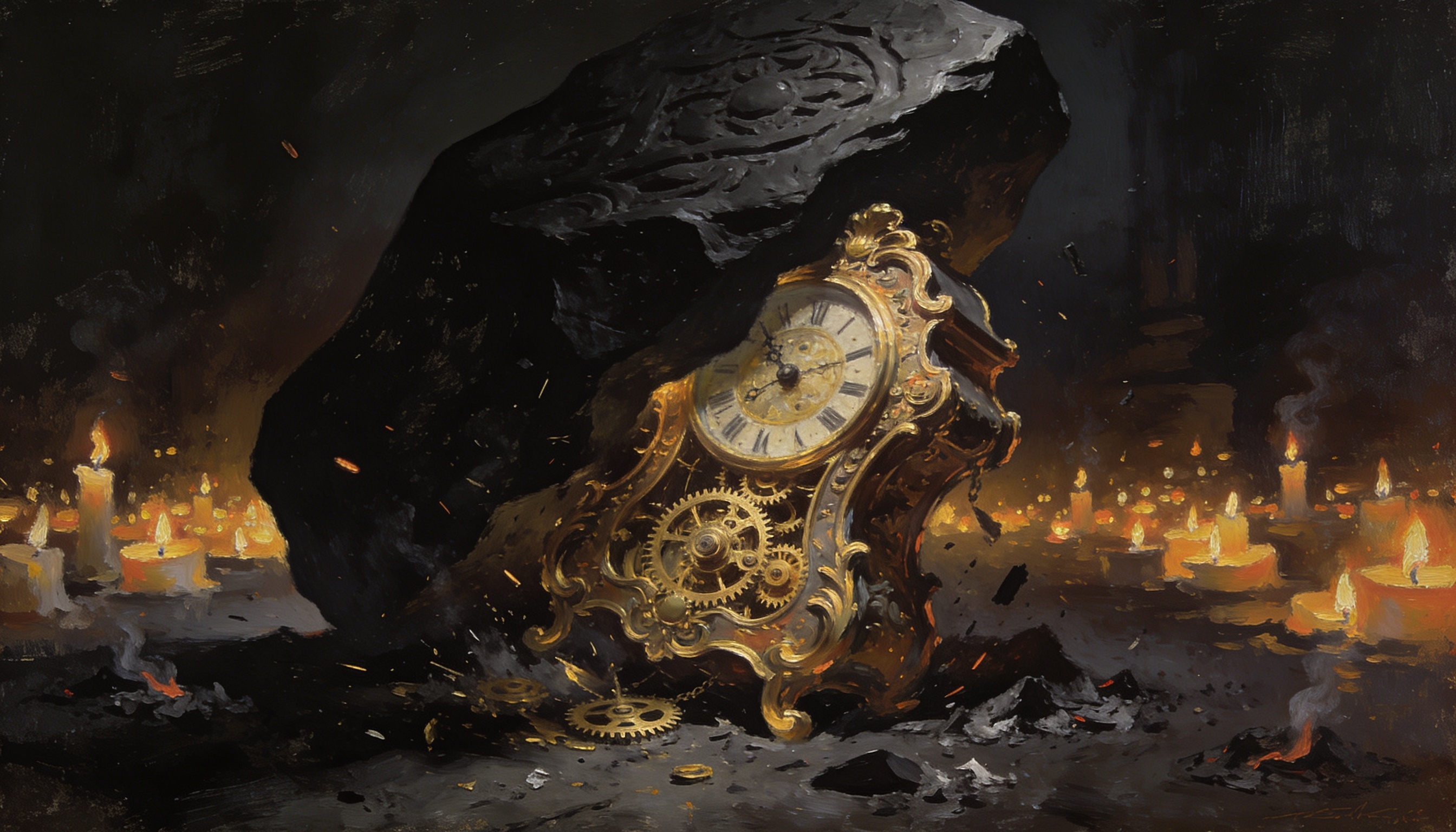
It must be stated plainly, without equivocation: one of the recurring blind spots of Western democracies lies in their relationship to time. Democratic time—defined by alternation, electoral urgency, limited mandates, and the constant need to produce visible results within a short horizon—is indeed a rhythmic, segmented, fractured time… and therefore a fragile one. By nature, it is impatient, perpetually searching for exits, compromises, and provisional stabilizations. It clings to the belief, rooted in a teleological and almost gnostic conception of History, that history itself can be bent through goodwill, negotiation, and shared rationality. That it inevitably advances in the right direction.

Red Sea, Gulf and Horn of Africa: the Regionalization of the Sudanese Conflict (2/4)
By
Michel Hajji Georgiou
Published
Feb 3, 2026 - 12:58

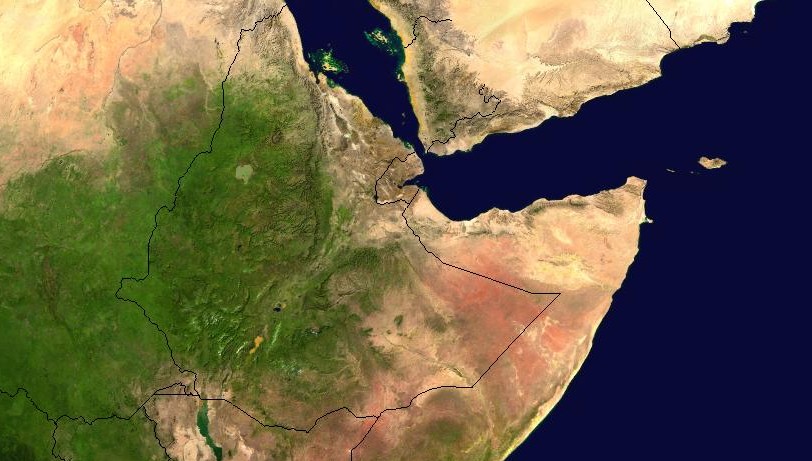
Analytical focus on the war in Sudan which, since 2023, has already resulted in tens of thousands of deaths and millions of displaced people, with a particularly overwhelming human cost in Darfur, where mass violence, sieges and forced displacement have taken on a dimension that many international actors now qualify as genocidal. Analyzing the Sudanese war according to the parameters of a conflict confined to the national territorial space would be aberrant, as the country's geography is a structuring factor. A Red Sea littoral state, backed by the Horn of Africa and located in immediate proximity to the Arabian Peninsula, Sudan occupies a strategic position that makes it particularly vulnerable to regional power projections.

Nassib Lahoud, the "Beautiful Loser"
By
Michel Hajji Georgiou
Published
Feb 2, 2026 - 13:21

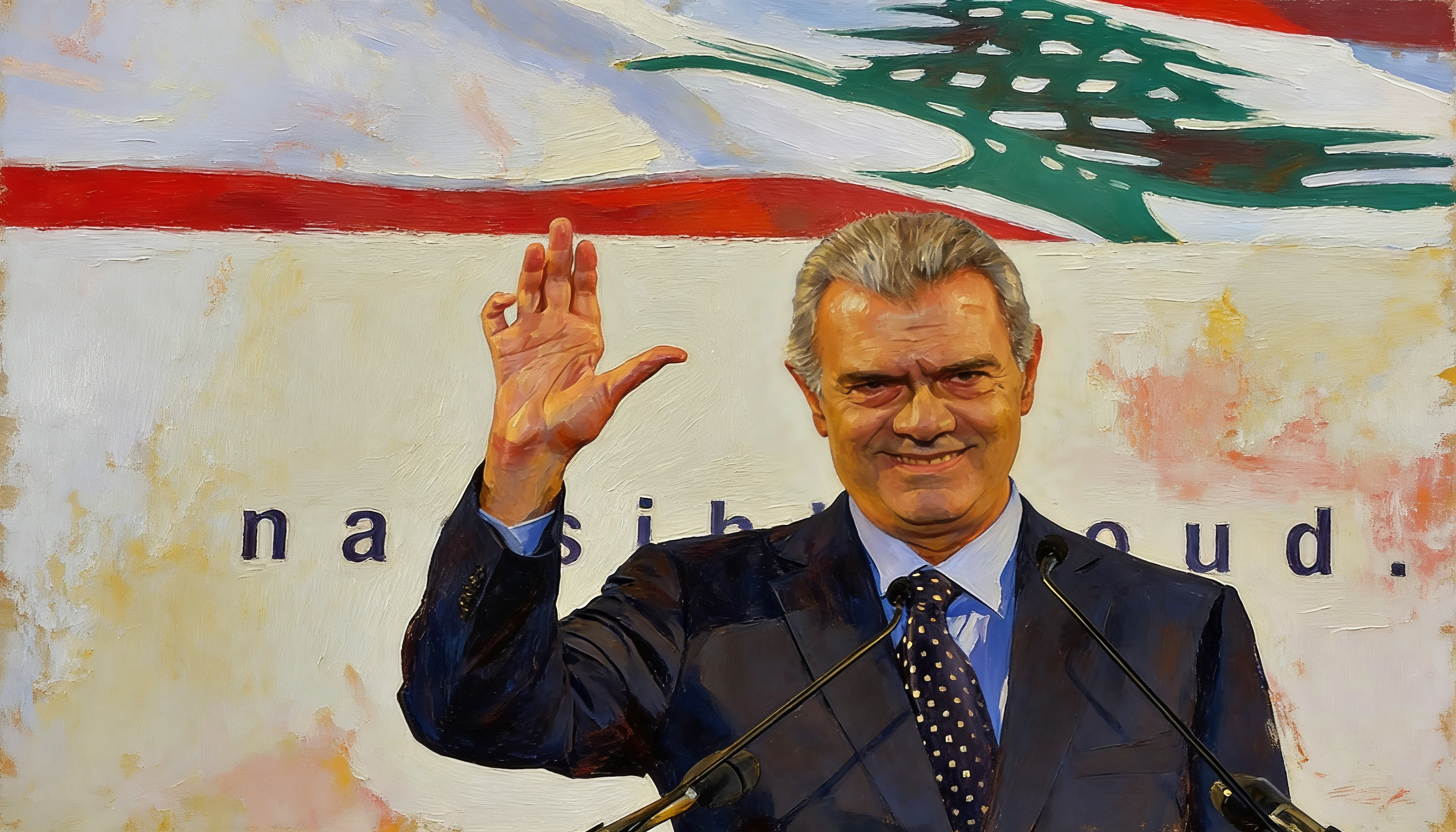
Fourteen years ago, on February 1, 2012, former MP and minister Nassib Lahoud passed away. In these times when populism is wreaking havoc across the world, and Lebanon seems, once again, to have been a forerunner of the current wave, it feels necessary to evoke the memory of a man who, over the last three decades, carried and defended another vision, another practice of politics. All the more so in Lebanon, where gregarious passions naturally propel either the exalted “historic leader” or the disenchanted utilitarian fox draped in the rags of sectarianism, rather than composed statesmen with modern ideas and a deep, strategic understanding of public affairs.

Sudan's Collapse: War for War's Sake (1/4)
By
Michel Hajji Georgiou
Published
Feb 1, 2026 - 11:47

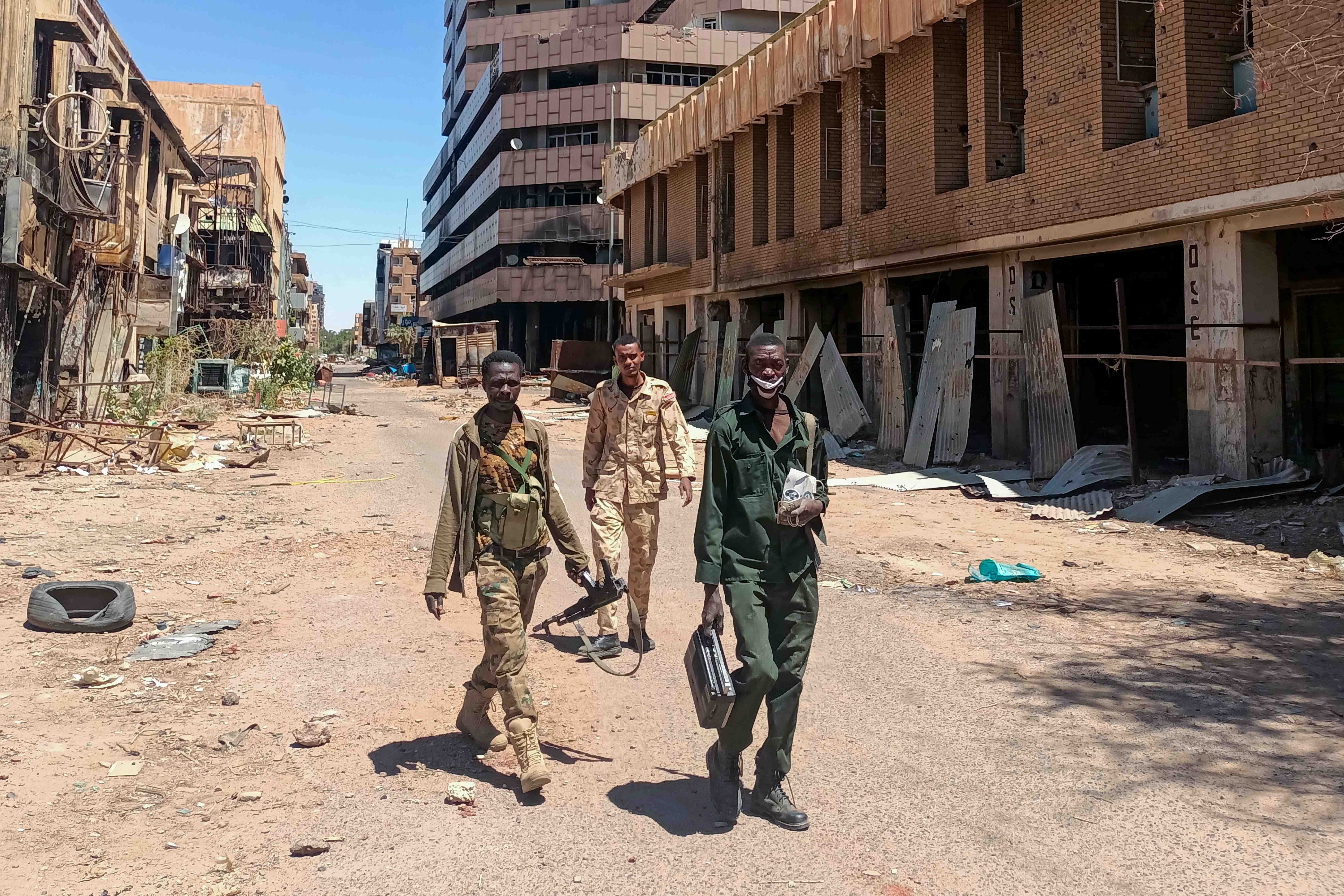
An analytical focus on the war in Sudan which, since 2023, has already resulted in tens of thousands of deaths and millions of displaced people, with a particularly overwhelming human cost in Darfur, where mass violence, sieges, and forced displacement have taken on a dimension that many international actors now qualify as genocidal. Sudan did not collapse all at once. It unravelled in successive layers, to the rhythm of a war that aims neither at the lasting seizure of power nor the reconstruction of a political order, but the gradual exhaustion of what still remains of the state. Since April 2023, violence has established itself there as a regime in itself, transforming the country into a fragmented space where the long duration of the conflict counts more than any specific military victory.

The Ontological Decompensation of Hezbollah
By
Michel Hajji Georgiou
Published
Jan 30, 2026 - 10:05

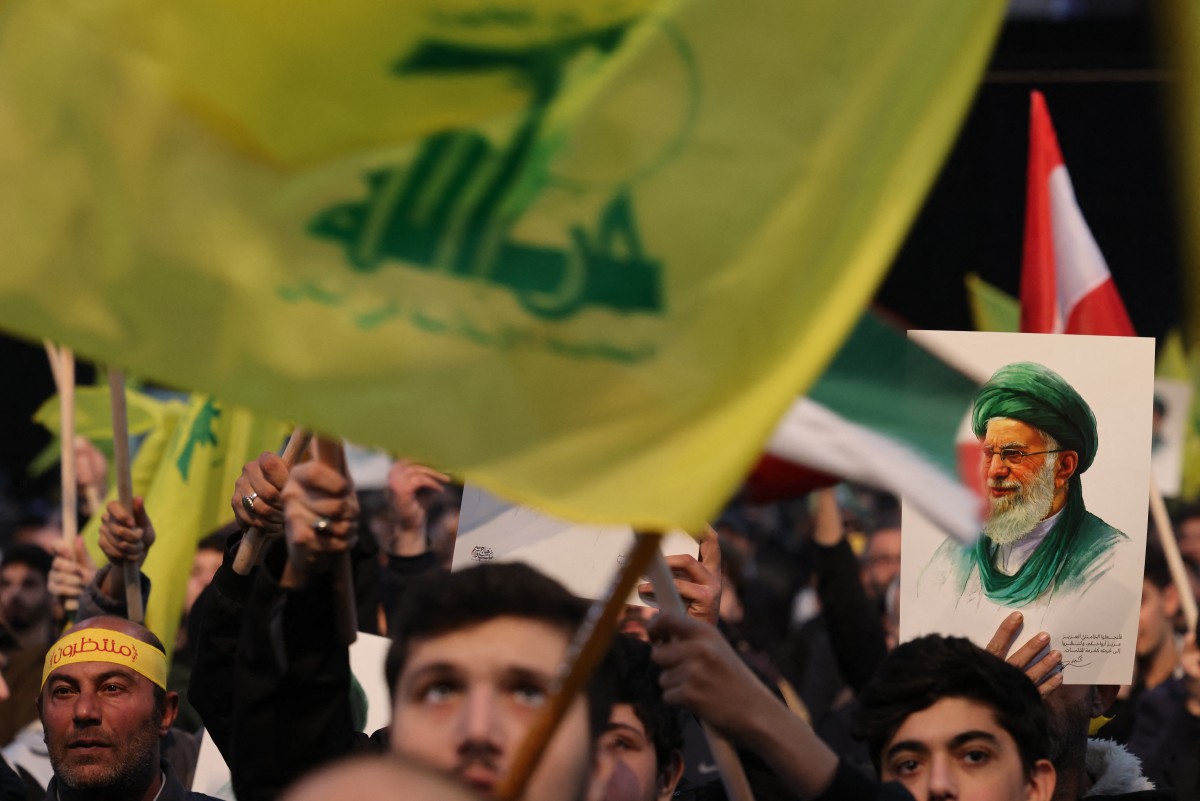
Every twenty years, a gambler arrives, who stakes the country, its people, its inheritance, sunrises and sunsets, boys and girls, waves and sea on a poker table. Nizar Qabbani Thus, Naïm Qassem seeks to sacrifice Lebanon for Iran. After sending his followers to die for Assad’s Syria, after allowing the inhabitants of his revolutionary home to be atomized for Hamas, he now seeks to conclude in style, through a collective suicide, at a moment when the Iranian mother-house itself is under threat, facing the supposedly invincible armada deployed by Donald Trump in the waters of the Middle East. The latest statements by Hezbollah’s Secretary-General might almost pass for the bravado of a hardened strongman—and perhaps they still do for part of his flock, weaned on the myth of the Aryan Übermensch manufactured by Iranian clerics. Yet this so-called “bravery”—once acknowledged in the late 1990s by the vast majority of Lebanese when it came to defending Lebanese territory against Israeli occupation—has since degenerated into strategic suicide, even if the word “strategic” itself now sounds grotesque in this context.

Forget Rifaat al-Assad ?
By
Michel Hajji Georgiou
Published
Jan 21, 2026 - 15:08

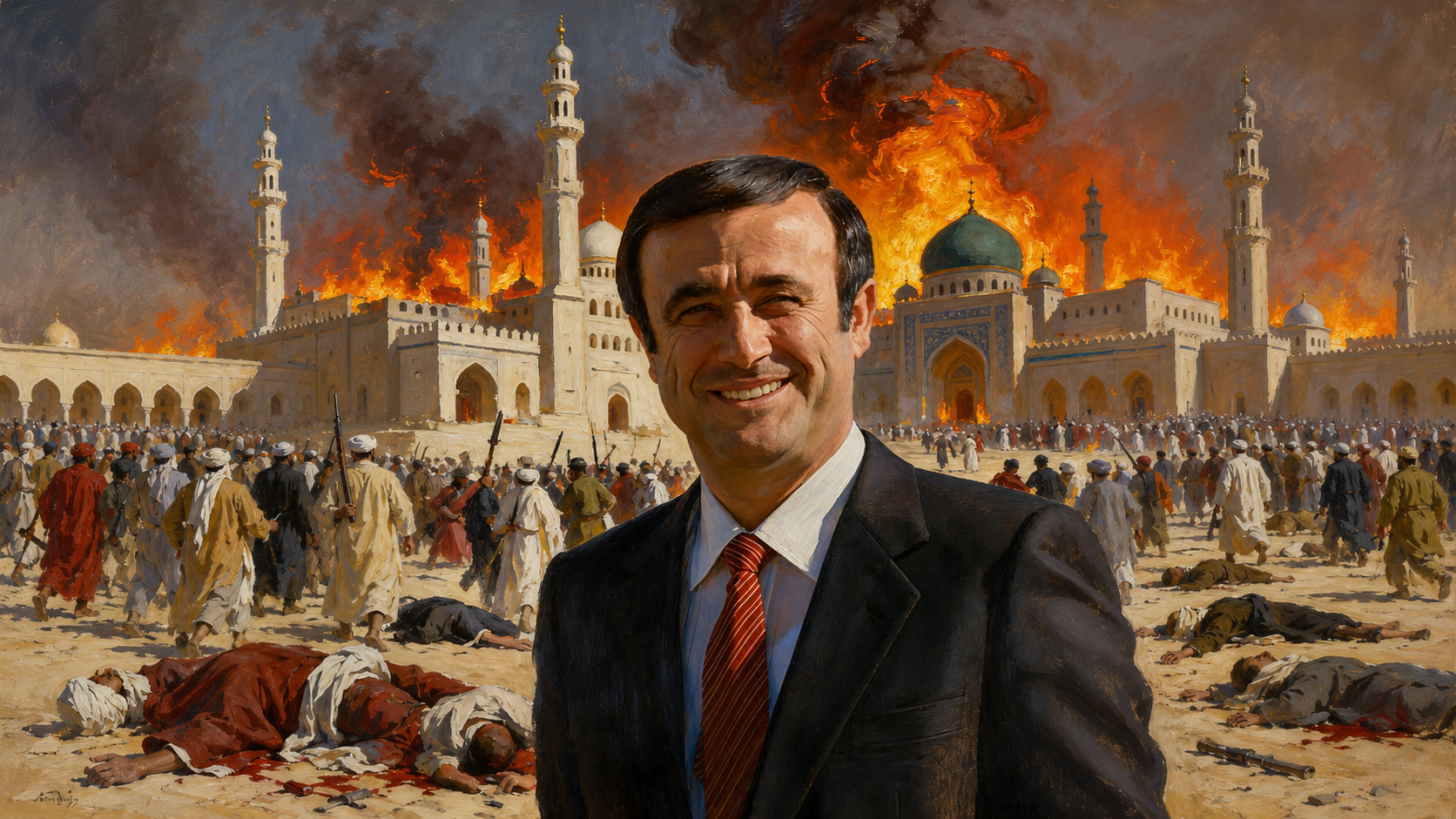
If basic decency prevents us from rejoicing even at the death of a monster, it does not prevent a certain sudden lightness from being felt, or even a fleeting sense of relief, upon hearing the news. Rifaat al-Assad is dead. Faced with the retrospective and retroactive feeling of powerlessness and desolation in the face of the worst atrocities in history, one consoles oneself as best one can. Assad takes with him a part of the darkest memory of the contemporary Levant: cities crushed for having screamed too loudly against barbarity, neighborhoods razed to serve as examples. One need only read the testimony of Michel Seurat, who paid for it with his life, to grasp with dread how Hama and Homs, in 1982, became laboratories for Assad’s almost clinical experimentation with death. Lebanon too, from Tripoli to its humiliated margins, paid the price for Rifaat’s inhumanity through his militias, the so-called “Red Knights.”

To Stop the Fall
By
Michel Hajji Georgiou
Published
Jan 14, 2026 - 18:35

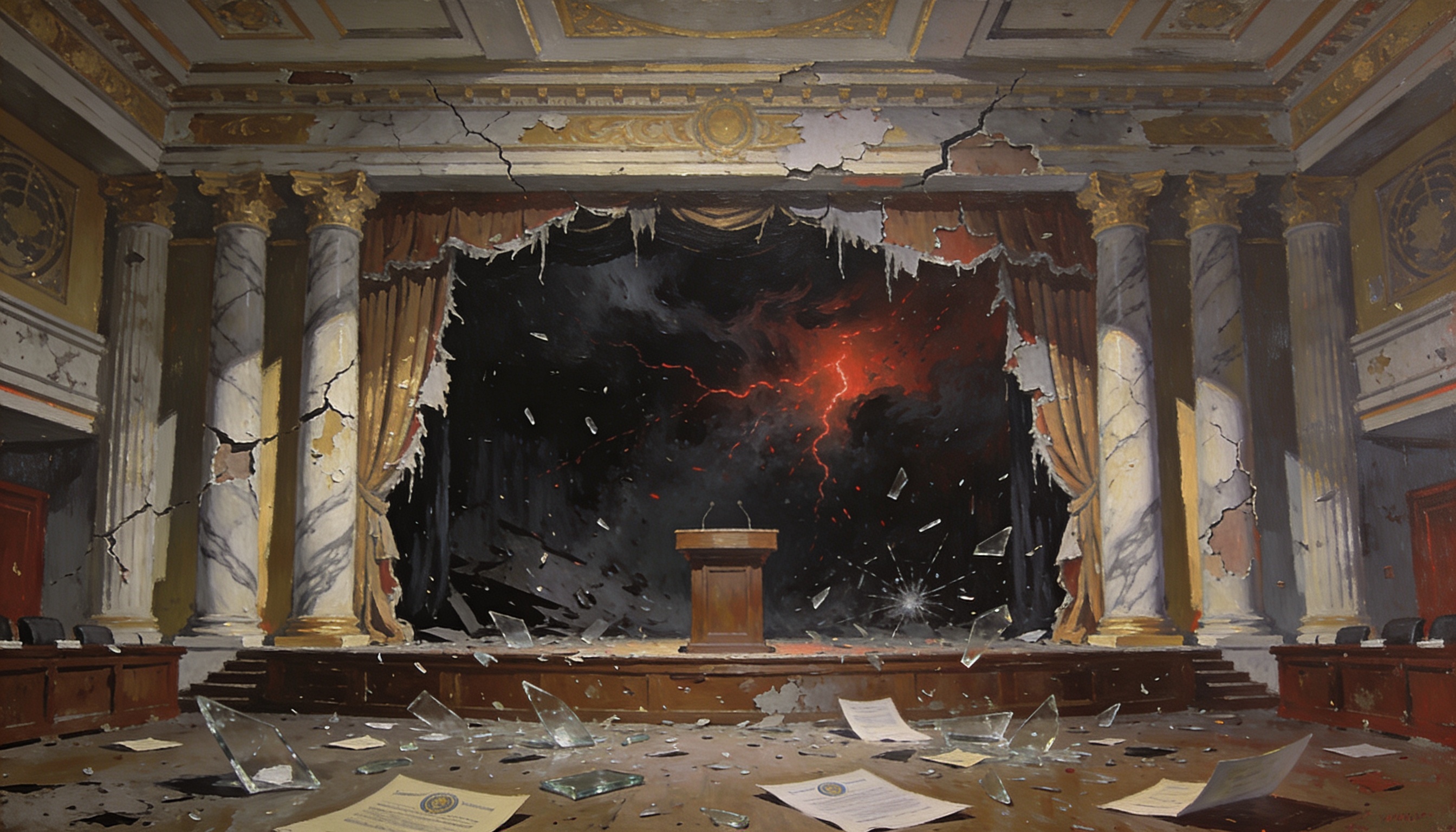
Has obscenity become the driving force of History? A careful observer, following the thread of events, might well conclude that it has. For there is indeed something obscene in the way the contemporary world continues to celebrate its simulacra of order, even as the dikes— all the dikes—are collapsing on every side. True, the logorrhea remains; institutions proliferate. Grand speeches have perhaps never been so abundant. Yet they now drift in a disturbing void, ringing irredeemably hollow—when they are not swallowed by the formless mass of disinformation and the nauseating tropes of populism and identitarianism.

De-Khomeinisation
By
Michel Hajji Georgiou
Published
Jan 12, 2026 - 09:01

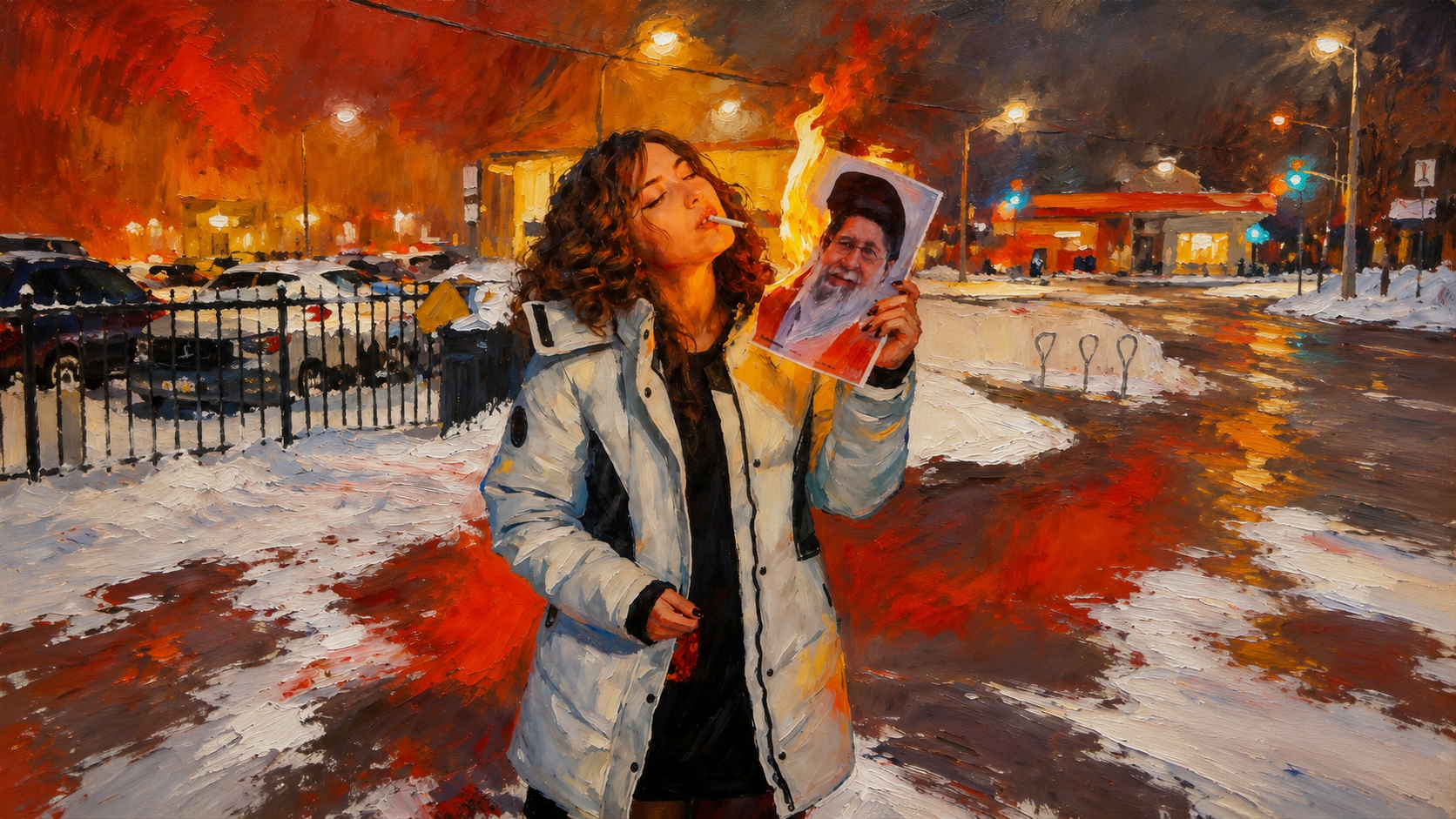
The now-iconic image of a young woman setting fire to the portrait of Ayatollah Khamenei to light her cigarette says it all, symbolically speaking: the Iranian theocracy is dead and buried. It is only a matter of time. Admittedly, the Iranian authorities can still repress, arrest, torture, rape, execute, and massacre with impunity, as they have done repeatedly since the Green Movement of 2008. Yet the wall of fear has definitively collapsed this time, as evidenced by the regime’s loss of control over several cities, an unprecedented development since the Islamic Revolution itself. The clerical regime is drawing its last breath. The narrative that sustained it since 1979 has been drained of all substance, and the power derived from it had long survived only through coercion, fear, and the mechanical invocation of a mythologized past in which almost no one still believed, save perhaps a handful of Qassem Soleimani’s devotees in Lebanon and Iraq. What the world is witnessing today is nothing less than the exhaustion of a political model that has ceased to generate meaning for decades.