Levant Time logo
LevantTime .

LevantTime .

Sketch of The New Post-War Regional Political Landscape
By
LevantTime .
Published
Mar 28, 2026 - 21:13

It would be stating the obvious to point out that the post-war Middle East and Iran will not be the same as before February 28, the date of the launch of the American-Israeli offensive against the Iranian mullah regime. This war is entering its second month this Saturday, March 28, without us being able to perceive, at the current stage, the light at the end of the tunnel. One thing, for now, is certain: contacts and message exchanges have been initiated between the United States and the Islamic Republic thanks to the mediation of Pakistan, Turkey, and Egypt. A meeting between the two parties could be held next week, but it remains uncertain due to the Iranians' request that it be preceded by a global ceasefire, which President Donald Trump reportedly refused.

Iran War: Diplomatic Tug-of-War Against a Backdrop of Military Escalation
By
LevantTime .
Published
Mar 26, 2026 - 20:23

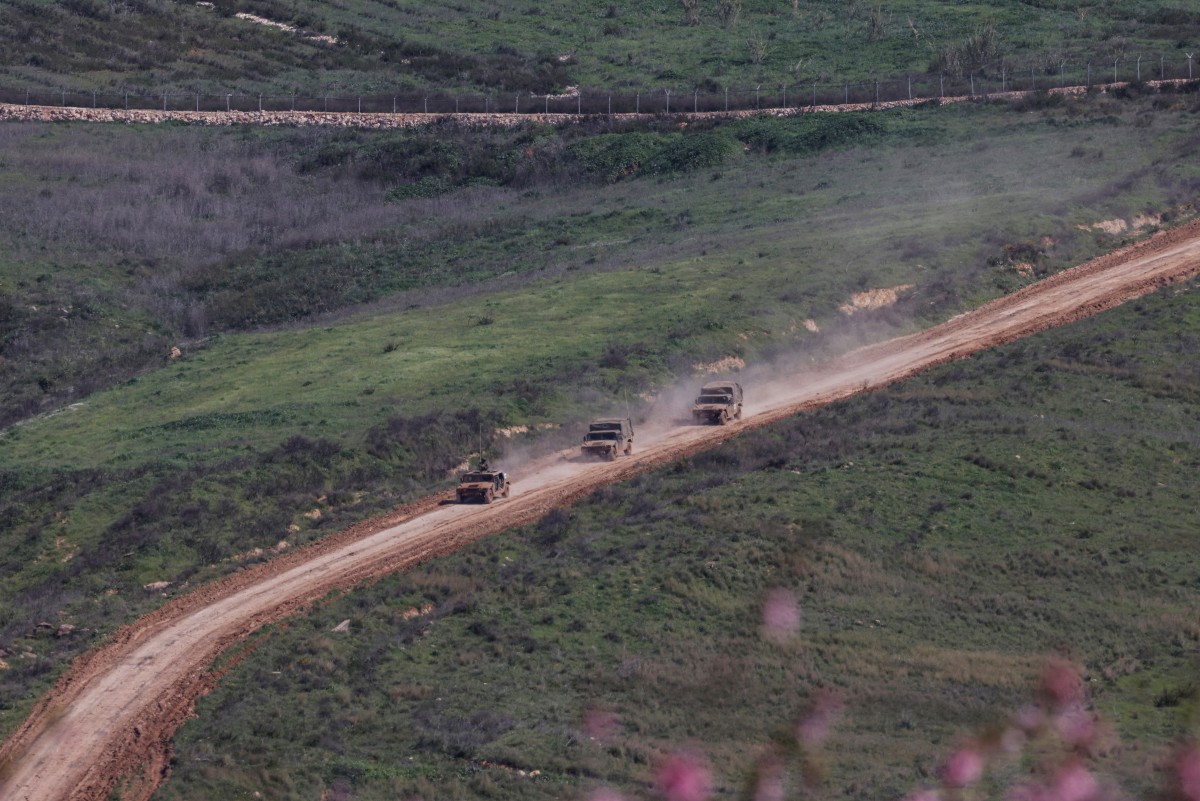
Less than 24 hours before the expiration of the deadline given by US President Donald Trump to Tehran to respond to the 15 points of an American plan to end the ongoing war, diplomatic contacts aimed at fostering the start of a dialogue are intensifying, while the dynamic on the ground remains one of increasing pressure: violent Israeli-American strikes against Iranian military targets continue, while Tehran continues to target civilian and military infrastructure in Israel and the Gulf countries. More than ever today, the risk of a total large-scale regional conflagration seems high if Tehran continues its prevarications regarding its nuclear and ballistic program or its «sponsorship» of militias that destabilize countries like Lebanon, Iraq, or Yemen, or even Gulf countries where terrorist cells, notably linked to Hezbollah, are regularly dismantled.

For the First Time Since Taif, Beirut Asserts Its Authority in the Face of the Iranian Axis

Following the official ban on the military activities of Hezbollah and Iran’s Revolutionary Guards in Lebanon, the decision to expel Iran’s ambassador to Beirut and recall the head of Lebanon’s diplomatic mission in Tehran undoubtedly marks the most consequential step taken by Nawaf Salam’s government since Hezbollah drew the country into the military confrontation opposing Iran to Israel and the United States. And for good reason: for the first time since Taif (1989), the Lebanese authorities are setting clear limits and seeking to shield the country from foreign interference in its internal affairs – interference that has often proved damaging, even devastating.

Aoun Stigmatizes Hezbollah's Actions in The Gulf
By
LevantTime .
Published
Mar 21, 2026 - 01:31

It was to the rhythm of missile exchanges between Iran and Israel that the Arab and Islamic world celebrated, on Friday, the Eid al-Fitr, which marks the breaking of the Ramadan fast. Lebanese President Joseph Aoun spoke by phone on Friday on this occasion with his Emirati counterpart, Sheikh Mohamed bin Zayed Al Nahyan. During this conversation, the head of state "condemned the involvement of certain political parties in a sabotage plot that the Emirates announced they had thwarted today" (Friday), according to a statement from the Lebanese presidency, referring to accusations against Hezbollah.

Israel is Working to Isolate the South of The Litani
By
LevantTime .
Published
Mar 18, 2026 - 20:06

As the days pass, the resurgence of military operations escalates crescendo, making the total war that the United States and Israel have been waging against the Iranian mullahs' regime since February 28 increasingly serious. And this escalation is evident on more than one level. After the elimination on March 17 of the head of Iran's National Security Council, Ali Larijani (the true strongman of the regime after the assassination of Supreme Leader Ali Khamenei) and Gholamreza Soleiman, commander of the Basij (the formidable machine for repressing the population), it was the turn of Intelligence Minister, Ismail Khatib, to be eliminated during an Israeli raid. His death was confirmed on Wednesday, March 18, by official authorities.

Trump Recalls the True Scope of The War Against The Mullahs' Regime
By
LevantTime .
Published
Mar 16, 2026 - 19:55

The war in Iran has entered its third week and, at the current stage, the two opposing camps, the American-Israeli coalition, on the one hand, and the Iranian Islamic Republic, on the other hand, are engaged in a military-political escalation that seems to be going crescendo. President Donald Trump thus raised the tone with his Western allies to overcome their reluctance concerning the establishment of a vast coalition that would take charge of the security of the maritime route of the Strait of Hormuz. The White House chief went so far as to emphasize that if the United States' allies maintain their refusal to send a military naval force to secure the Strait of Hormuz, the consequences for NATO could be unfortunate.

Serious overnight escalation between Israel and Hezbollah
By
LevantTime .
Published
Mar 11, 2026 - 23:48

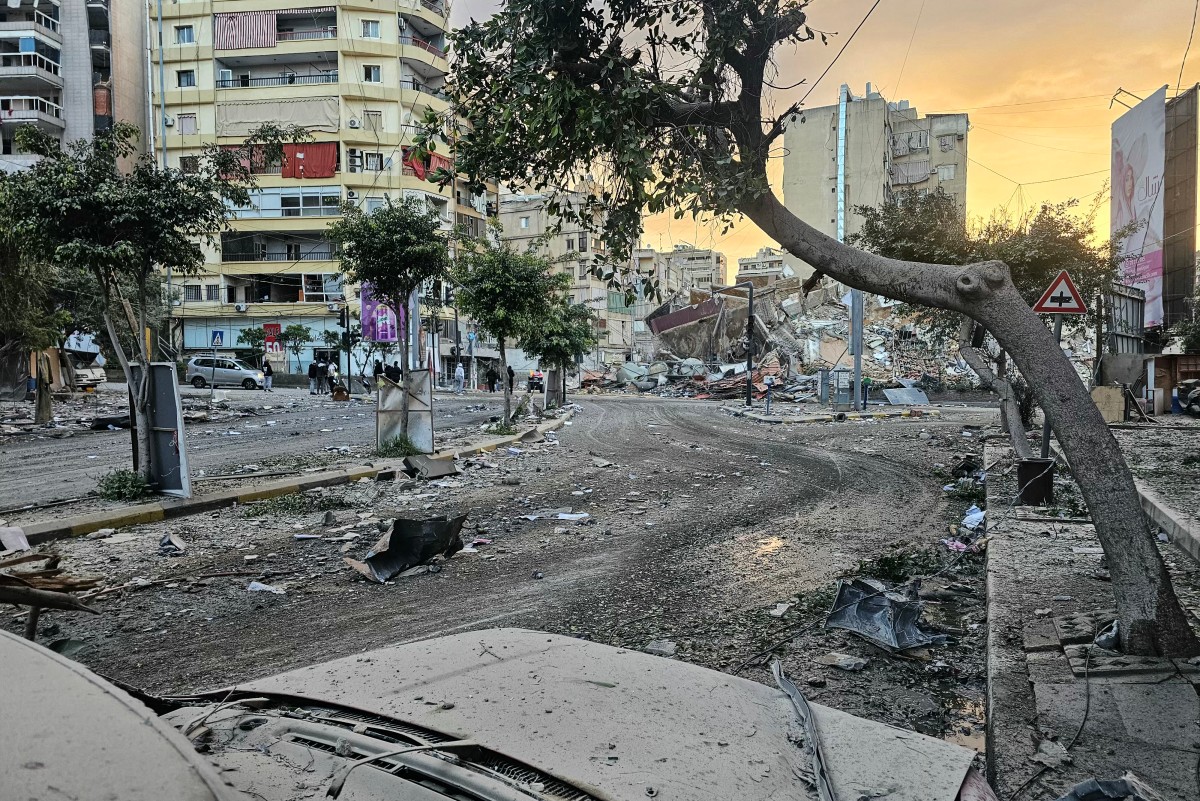
A serious escalation occurred on Wednesday evening between Israel and Hezbollah. The pro-Iranian party launched nearly 200 rockets in a few minutes against northern Israel and Galilee earlier in the evening. The Israeli air force was quick to retaliate by carrying out a series of particularly violent raids against the southern suburbs, which were quickly covered in thick clouds of black smoke. Following the escalation initiated by Hezbollah, Israeli sources indicated late in the evening (Beirut time) that Prime Minister Benjamin Netanyahu was examining with his staff the possibility of expanding the ground intervention into Lebanon. In this context, an Israeli security source stated on Wednesday evening that the United States could participate in air raids « in Baalbek and the Beqaa ». The same source specified that « the military operation will not stop at the Litani ». « We will act from South to North, and all targets are legitimate », added the Israeli source.

Decision-Makers' Attention Focused on the Strait of Hormuz
By
LevantTime .
Published
Mar 11, 2026 - 17:03

The population of Lebanon, as well as the populations of the Levant, Gulf, and Middle Eastern countries, are subjected to a veritable Scottish shower (a sudden reversal of fortune). On the one hand, rumors suggest an upcoming end to hostilities on the Iranian front (without encompassing Lebanon), but at the same time, a clear escalation in military operations is perceptible. Wednesday, March 11, and the night of March 10, were marked by an intensification of raids and missile fire in more than one direction. Israeli aviation thus continued its intensive raids on the night of March 10 against the nerve centers and infrastructure of the Iranian regime in Tehran, and against the southern suburbs of Beirut and several villages in South Lebanon and the Beqaa Valley. Missiles were also launched against positions of the Kurdish Iranian opposition in Iraq, while the US-Israeli coalition air force launched raids against the offices of the pro-Iranian Iraqi militia, “El Hashed al-Shaabi” (“Popular Mobilization”), and Iraqi Hezbollah, stationed in Iraq. Several missile alerts were also reported on Wednesday in Dubai and Doha, notably.

Addressing EU Leaders, Aoun Vents His Anger Against Hezbollah
By
LevantTime .
Published
Mar 9, 2026 - 19:04

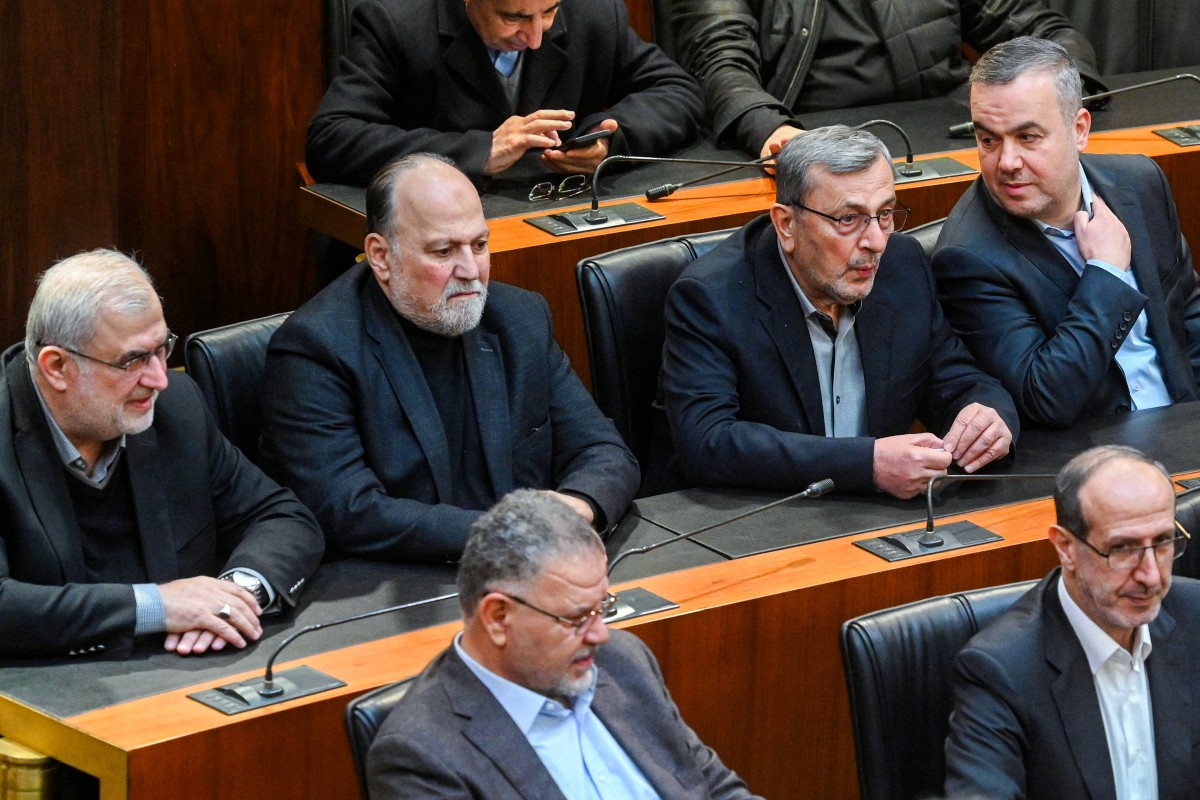
This tenth day of the American-Israeli offensive against the Iranian mullahs' regime was marked by three highlights: the strong stance adopted by President Joseph Aoun, who severely condemned the behavior of Hezbollah, and furthermore declared himself in favor of direct negotiations with Israel under international supervision; the intense Israeli aerial bombardments against the southern suburbs of Beirut, specifically against the offices of Qard el-Hassan (Hezbollah's illegal financial structure); and the Parliament's vote to extend the mandate of deputies for a period of two years. This vote, which passed with a slim majority of 76 votes, is explained by the State's inability to organize the legislative elections that were supposed to take place in two months, next May. At the current stage, no one can predict the duration of the armed conflict initiated by Hezbollah on the local scene, especially since this new war, which is once again shaking Lebanon, is entirely dependent on the overall regional context.

Khamenei, a Ruthless and Uncompromising Supreme Leader
By
LevantTime .
Published
Mar 1, 2026 - 23:31

At the helm of Iran since 1989, Ayatollah Ali Khamenei had, for over three decades, embodied the ideological continuity of the Islamic Republic and its declared confrontation with the United States—the “Great Satan”—and Israel, designated as its implacable enemy. At 86 years old, the Supreme Leader was the longest-serving leader in the Middle East. Wearing the black turban of the ‘sayyed,’ a symbol of his claimed lineage from the Prophet Muhammad, he concentrated the vast majority of power in his hands. As head of the Iranian theocratic system, he held ultimate authority over religious, political, and military affairs. His portrait dominated the country’s public spaces, while the question of his succession remained taboo.