Levant Time logo
Saoud Al-Mawla

Saoud Al-Mawla

The Houthis in Yemen: From Saada to Bab el-Mandeb (4/4)
By
Saoud Al-Mawla
Published
Oct 11, 2026 - 15:12

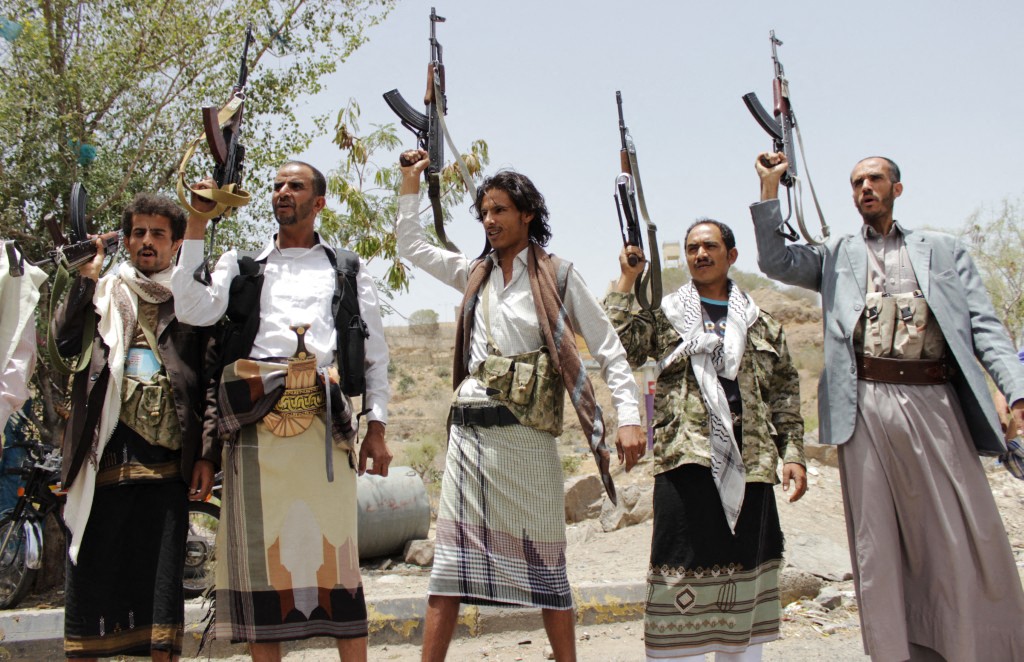
VI. The War Against Iran (February-June 2026): the “Limited Intervention” A Late and Symbolic Entry On February 28, 2026, the United States and Israel attacked Iran. Very quickly, Tehran largely closed the Strait of Hormuz, reducing Gulf exports to a trickle. Many expected the Houthis to open a second front at Bab el-Mandeb. They did not. Their involvement was cautious, gradual and late: it was not until March 28, one month after the war began, that they fired their first missiles toward Israel, as though they had waited for the moment when their entry would have the greatest impact. Their operations were limited to missile and drone launches toward Israel. Their military effect was modest, given the distance and the effectiveness of Israeli air defenses. Above all, they avoided high-impact fronts: no campaign against shipping in the Red Sea, no strikes against the Gulf monarchies or regional energy infrastructure. The media dimension compensated for this: each launch sustained the image of a “resistance” force loyal to the Axis. These launches were suspended with the Islamabad Memorandum, concluded in June between Washington and Tehran.
The Houthis in Yemen: from Saada to Bab el-Mandeb (3)
By
Saoud Al-Mawla
Published
Oct 8, 2026 - 03:52

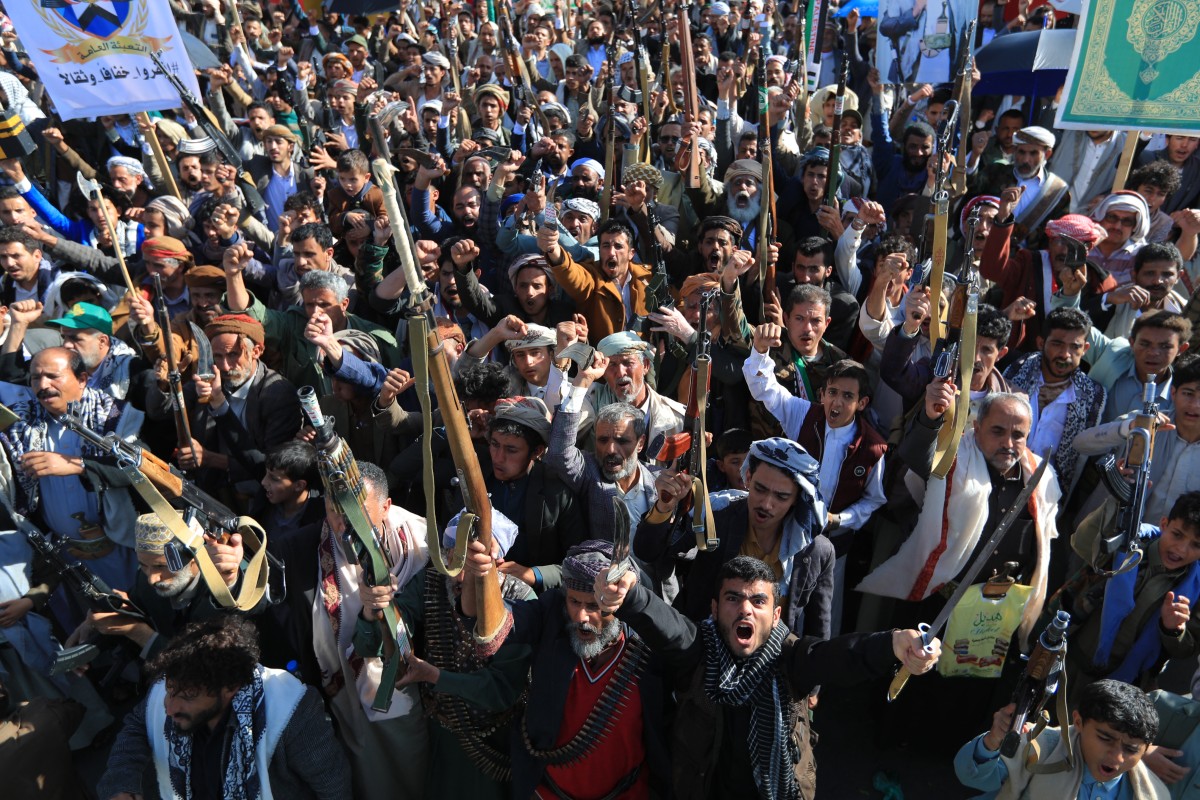
III. From Saada to Sanaa: The Paradoxical Alliance and the Seizure of Power The Erosion of the Saleh System For more than three decades, Ali Abdullah Saleh governed through a system of tribal patronage. He relied on a pact concluded in 1978 with Sheikh Abdullah al-Ahmar, leader of the Hashid confederation, and General Ali Mohsen al-Ahmar, commander of the 1st Armored Division. His own clan, the Sanhan, a branch of the Hashid confederation, held the key military and security commands. This system rested on oil revenues, which accounted for as much as 75 percent of state resources in 2002. The decline in production, around 40 percent after that peak, reduced the resources available for redistribution. Lesser sheikhs saw their subsidies cut or even eliminated. At the same time, the Houthis had resources of their own and a legitimacy independent of the tribal structures. They were therefore able to recruit among frustrated tribes, particularly within the Bakil confederation, which had long demanded equality with Hashid.

The Houthis in Yemen: From Saada to Bab el-Mandeb (2)
By
Saoud Al-Mawla
Published
Oct 4, 2026 - 16:52

II. Zaydism: A Doctrine of the Living Imam and Revolt A Singular Branch of Shiism Shiism ( shī‘a , “party” of Ali) regards Ali ibn Abi Talib and his descendants, the “People of the House” ( Ahl al-Bayt ), as the legitimate successors of the Prophet. Over the course of succession disputes, it split into several branches: the Twelvers, who form the majority in Iran, Iraq and Bahrain and are also strongly represented in Lebanon; the Ismailis; the so-called “extremist” currents ( ghulāt ); and the Zaydis, today concentrated in northwestern Yemen. Zaydism takes its name from Zayd ibn Ali, grandson of Hussein, who rose up against the Umayyads and died a martyr in 740. His nephew Ja‘far al-Sadiq, who would become a major reference for the future Twelvers, refused to follow him. The split occurred precisely over this point: whether to follow the imam who takes up arms against injustice, or to wait. Zayd maintained close ties with the Mu‘tazilite Wasil ibn Ata, while Abu Hanifa, founder of one of the major Sunni schools of law, studied under him and supported his revolt. This proximity explains why Zaydism has long been described as “the most Sunni of the Shiisms.”

The Houthis in Yemen: From Saada to Bab el-Mandeb (1)
By
Saoud Al-Mawla
Published
Sep 30, 2026 - 21:40

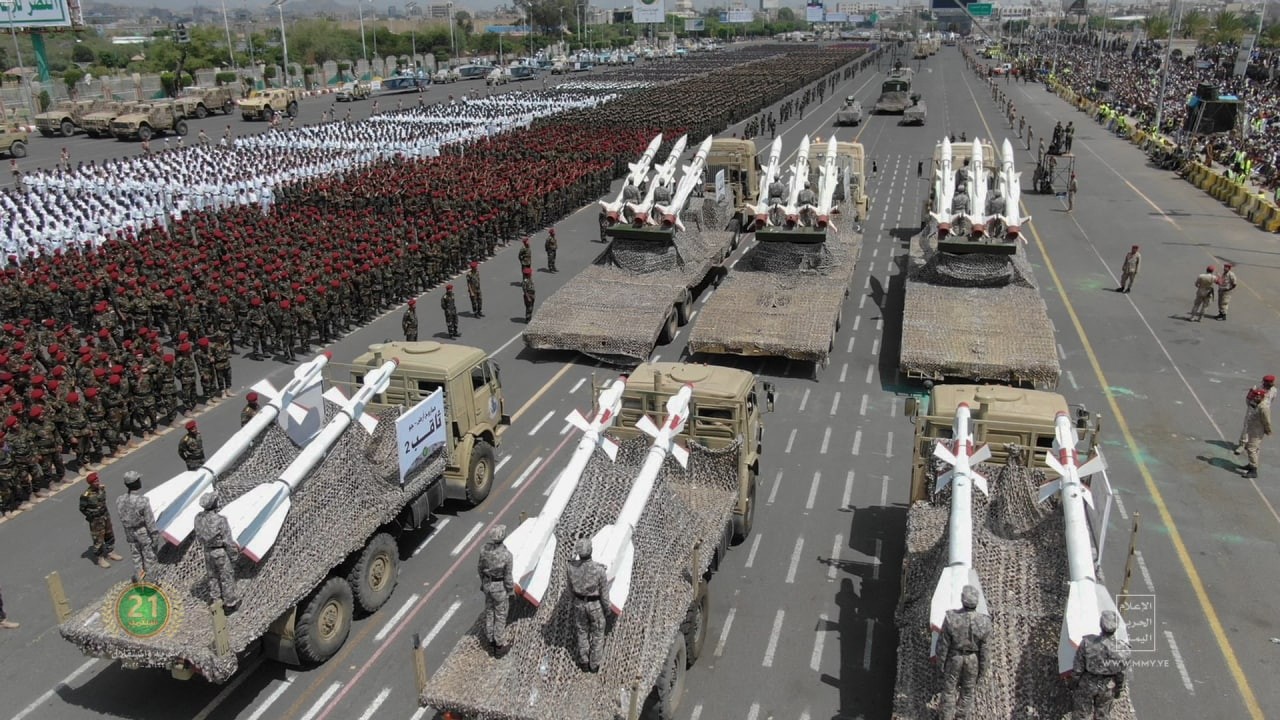
In September 2026, the Houthis seized control of the Yemeni shore of the Bab el-Mandeb Strait and struck Saudi Arabia’s oil heartland. This shift brought to a close the phase of “controlled escalation” observed at the outset of the US-Israeli-Iranian war and opened a direct confrontation with Riyadh and its new allies in the Mecca Pact. To understand it, one must return to the religious, familial and social roots of a movement born in the mountains of Saada. Introduction On September 11, 2026, Ansar Allah fighters planted their flag on the island of Mayun (Perim), in the middle of the Bab el-Mandeb Strait. In three days, they had captured Hays, al-Khokha, the port of Mokha and then the district of Dhubab, wresting some 5,400 km² from forces loyal to the internationally recognized government. Three days earlier, their missiles had struck Abha Airport, King Khalid Air Base and Aramco facilities in Abha and Jizan, in the heaviest attack against the Kingdom in years.

The defeat of Viktor Orbán: a historic turning point in Hungary and Europe
By
Saoud Al-Mawla
Published
Apr 25, 2026 - 14:03

The victory of Peter Magyar and his party “Tisza” marks a historic turning point in the Hungarian political landscape, ending sixteen years of Viktor Orbán's rule and his Fidesz party. The elections were described as the most important in decades, not only because of the record popular turnout, but also because their outcome granted the opposition a two-thirds majority in parliament, enabling it to amend the constitution and roll back the illiberal policies Orbán had entrenched during his years in power. The new president Magyar pledged to restore press freedom and reform state media, in a move aimed at dismantling the system of information control on which the previous regime had relied. The great surprise was Orbán's acknowledgment of defeat immediately after the results, without attempting to cling to power by force, which spared the country a political crisis or violent protests.