Logo Levant Time
Rabih Dandachli

Rabih Dandachli

Lebanese Moderation Needs a Project
Par
Rabih Dandachli
Publié
Oct 8, 2026 - 03:14

In Lebanon, moderation is summoned whenever the country approaches the brink of explosion, only to recede once the distribution of power begins. Moderates are asked to calm tensions, smooth over differences, and keep the doors of dialogue open, while the forces most capable of obstruction are left to determine the terms of the settlement. In this sense, moderation is assigned a role in containing crises without necessarily having the ability to alter the conditions that produce them. This is where its fundamental crisis lies. A moderation that limits itself to preventing the worst remains bound by other people’s agendas. It waits for escalation before calling for calm, for obstruction before seeking a way out, and for division before proposing common ground. These roles may be necessary in moments of danger, but they are not enough to build a future. Lebanon needs a form of moderation that has a vision of government, that can take the initiative, confront challenges, and organize, and that can explain to people what will change in their lives if they place their trust in it.
Power Passes. The Homeland Remains.
Par
Rabih Dandachli
Publié
Sep 21, 2026 - 22:48

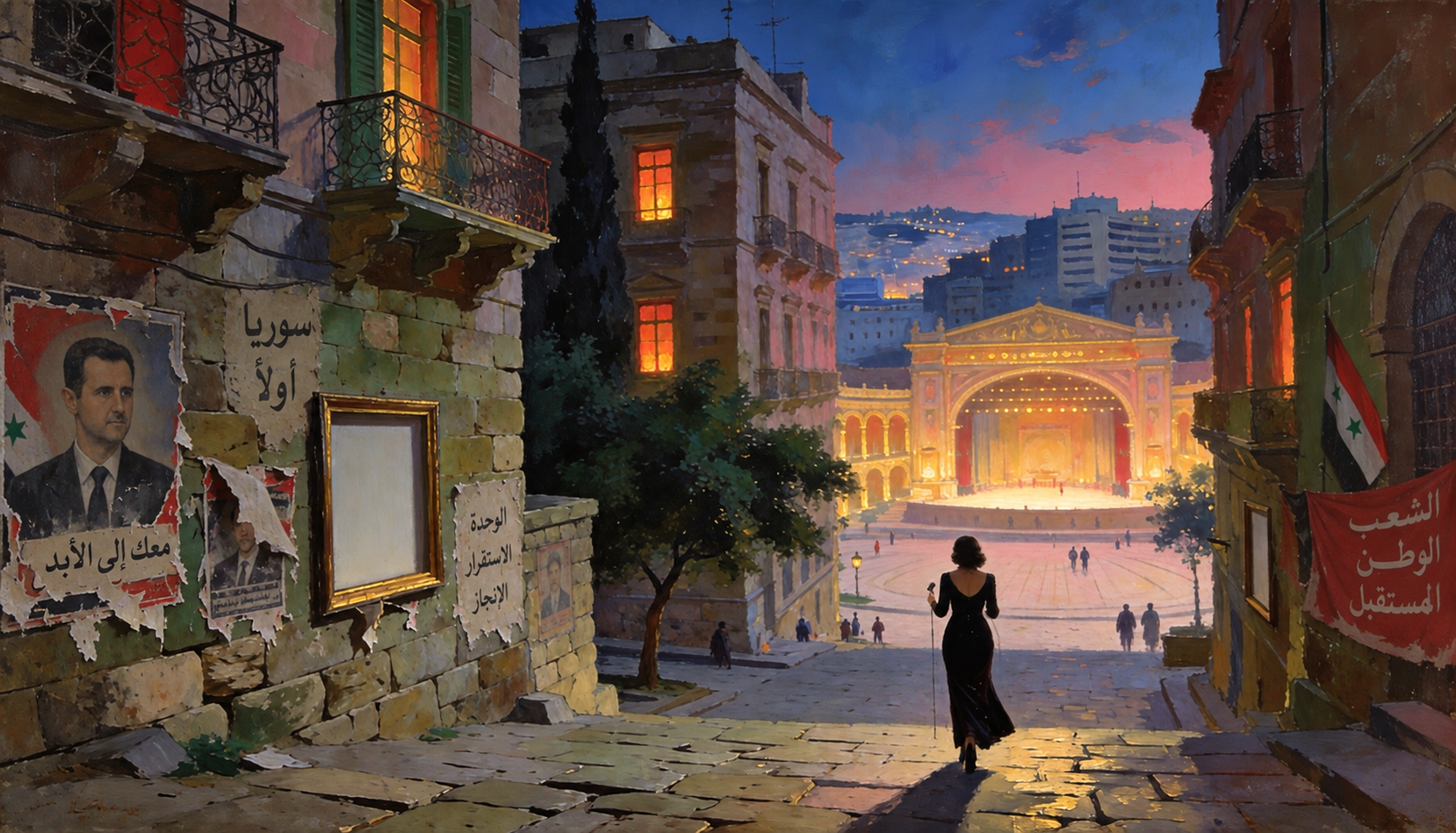
Assala Nasri’s return to Damascus, after an absence of nearly sixteen years, was not simply that of an artist returning to a stage from which she had long been absent. There was something in that image that went beyond music and nostalgia. As though the years separating her last concert in Damascus from her return before a Syrian audience had suddenly been condensed into a single question: who truly remained with Syria, and who was really standing with the power that ruled it? Assala broke with Syria’s official cultural scene when, beginning in 2011, she chose to oppose Bashar al-Assad’s regime and support the protest movement. That choice led to a long rupture with Syria’s official institutions and kept her away from the stages of her own country. When she returned to Damascus after the change of regime, she was therefore not an artist rediscovering her homeland because power had changed. She was an artist who, throughout those years of absence, had continued to insist that her dispute was with the regime, not with Syria.

“I Am the State”: When Nations Are Reduced to Men
Par
Rabih Dandachli
Publié
Sep 8, 2026 - 19:31

One of the most famous phrases in political history is attributed to Louis XIV of France, the “Sun King”: “L’État, c’est moi,” or “I am the state.” Although historians doubt that he ever uttered those exact words, the phrase endured because it captured an entire philosophy of government: the ruler and the state become two images of the same reality, opposition to his decisions becomes opposition to the nation, and the strength of institutions is measured by the degree of their submission to his will. France’s problem under Louis XIV was not that its king was weak. On the contrary, France was one of Europe’s greatest powers, and its monarch one of the most powerful rulers of his age. Yet the strength of the state became increasingly tied to centralized decision-making and the person of the king, while wars, expenditure, social inequalities and imbalances in public finances accumulated costs that later generations would have to bear.

“All Roads Lead to Rome”...
Par
Rabih Dandachli
Publié
Aug 17, 2026 - 19:48

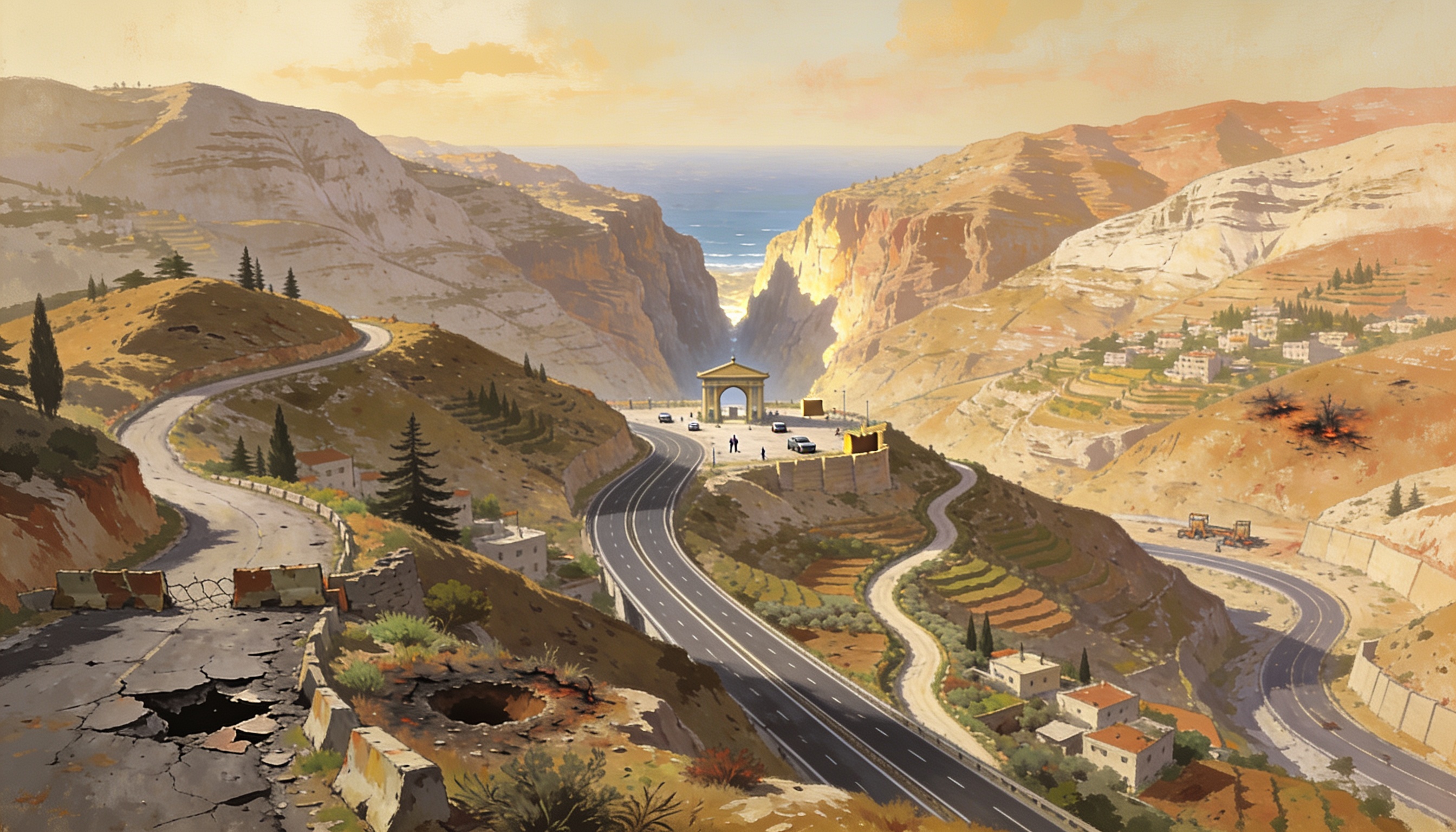
The saying “All roads lead to Rome” is one of the most famous expressions in political history and the history of civilizations. It was not merely a literary metaphor, but a description of the reality of the Roman Empire, which built an extensive road network that made Rome its political, military and economic center, with all the major roads leading to the capital. From the Middle Ages onward, the phrase became a proverb meaning that a variety of means does not necessarily alter the final outcome, and that different paths may lead to the same destination. Lebanon today may offer a contemporary political illustration of that saying. Since the end of the latest war, speeches and slogans have multiplied, as have the options being proposed. Yet one question remains: does Lebanon truly have several strategic choices, or do they all, one way or another, ultimately lead to the negotiating table?

Iranian Wars: Who Will Pay the Price?
Par
Rabih Dandachli
Publié
Jul 25, 2026 - 15:31

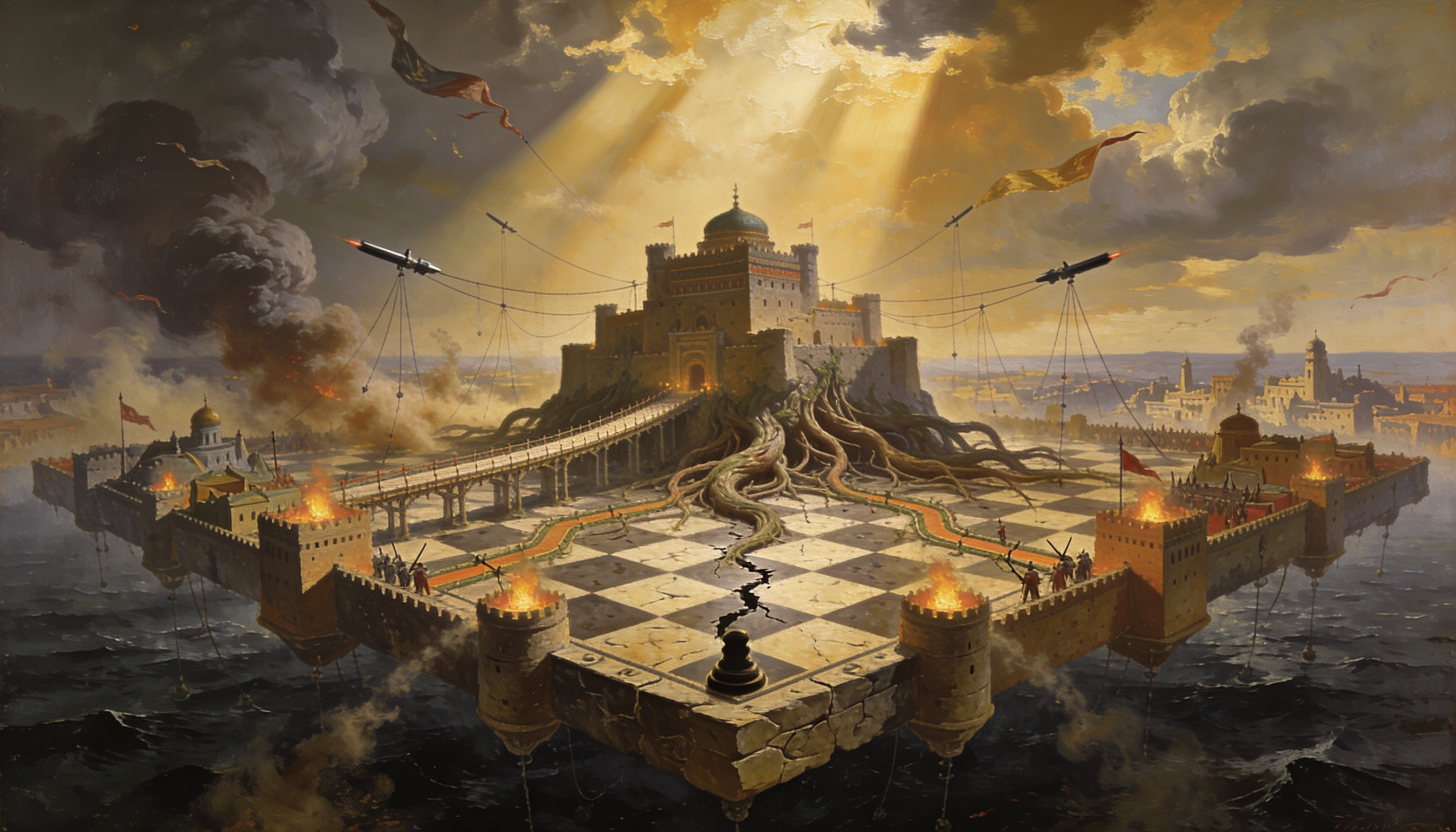
The confrontation now shaking the Middle East is no longer simply another chapter in the conflict between Iran and its adversaries, nor can it be reduced to a struggle between Tehran, the United States, and Israel. Recent developments point to a reality that extends far beyond the war itself. They raise a more fundamental question: what regional order will emerge from this confrontation, what place Iran will occupy within it, and what future awaits the network of armed groups through which Tehran has built a substantial share of its influence across the Arab world. For many years, Iran’s strategy rested on a relatively straightforward equation: safeguarding its own territory while extending its influence and deterrent capability beyond its borders through a network of allies and armed groups stretching from Iraq to Yemen, via Lebanon. This model provided Tehran with what it regarded as a “strategic depth,” enabling it to exert pressure on its adversaries from multiple theatres without necessarily turning Iranian territory itself into the primary battlefield.

Out of Beirut… But Where To?
Par
Rabih Dandachli
Publié
Jun 18, 2026 - 18:11

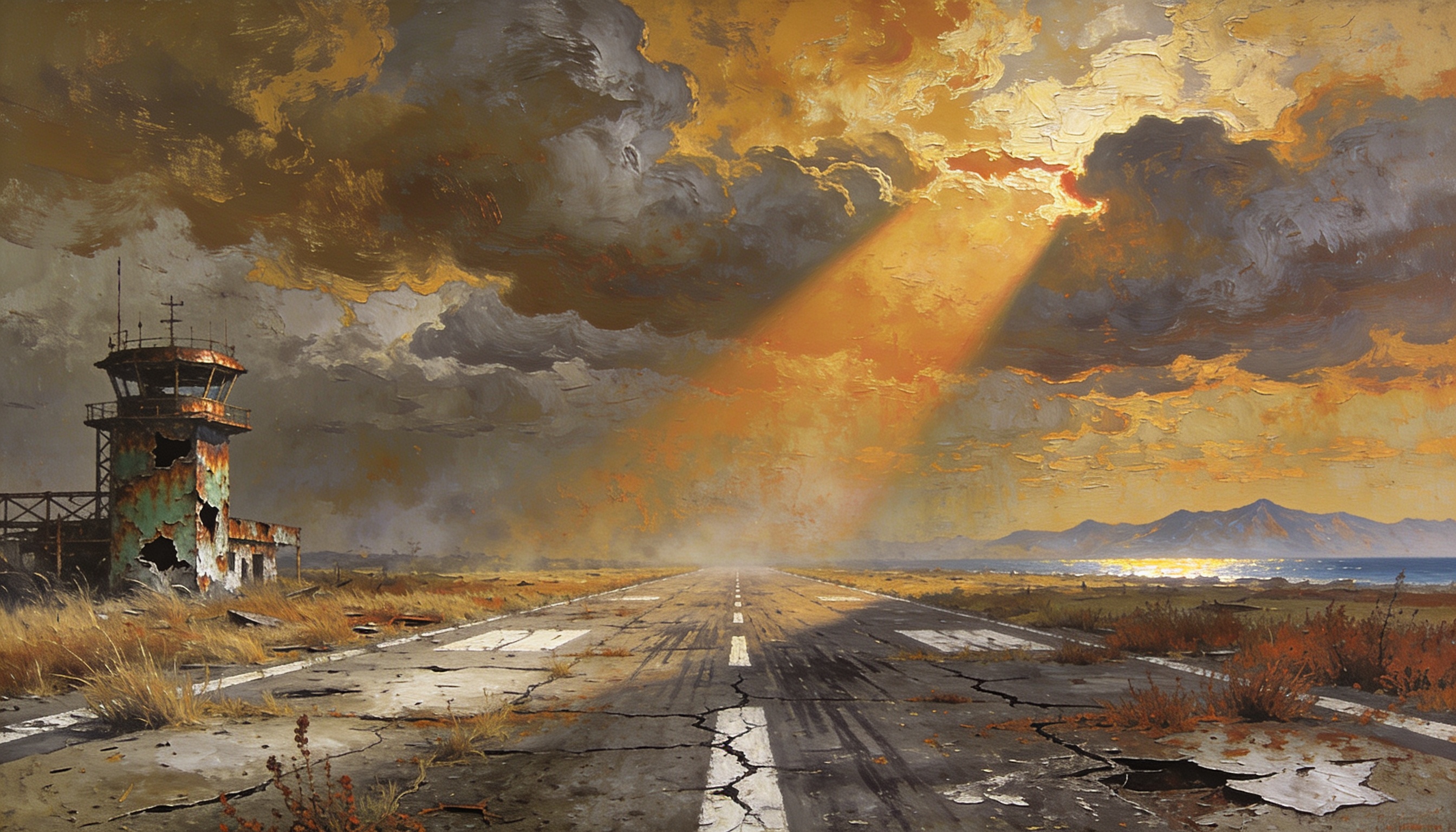
In a country burdened by an unprecedented economic collapse, a persistent financial crisis and a crumbling infrastructure, the resurrection of Kleyaat airport in northern Lebanon has the feel of a project carrying as many ambitions as questions. But beyond the political and media enthusiasm that has accompanied this initiative, a more fundamental question demands to be asked: does Kleyaat truly represent the most viable option for Lebanon, or has the real debate around a second airport in the country not yet begun? This is not about opposing the project as such. Having a second airport in Lebanon is no longer a luxury, but a national, security and economic necessity. The experience of recent years has shown with stark clarity how exposed the country becomes when it depends on a single airport, whether in times of war, security crises, or under the mounting operational pressure bearing down on Beirut airport. The principle commands near-universal agreement. The disagreement starts with a different question: why Kleyaat? And why now?

Powerful Cities… More Powerful Narratives Still
Par
Rabih Dandachli
Publié
May 12, 2026 - 18:36

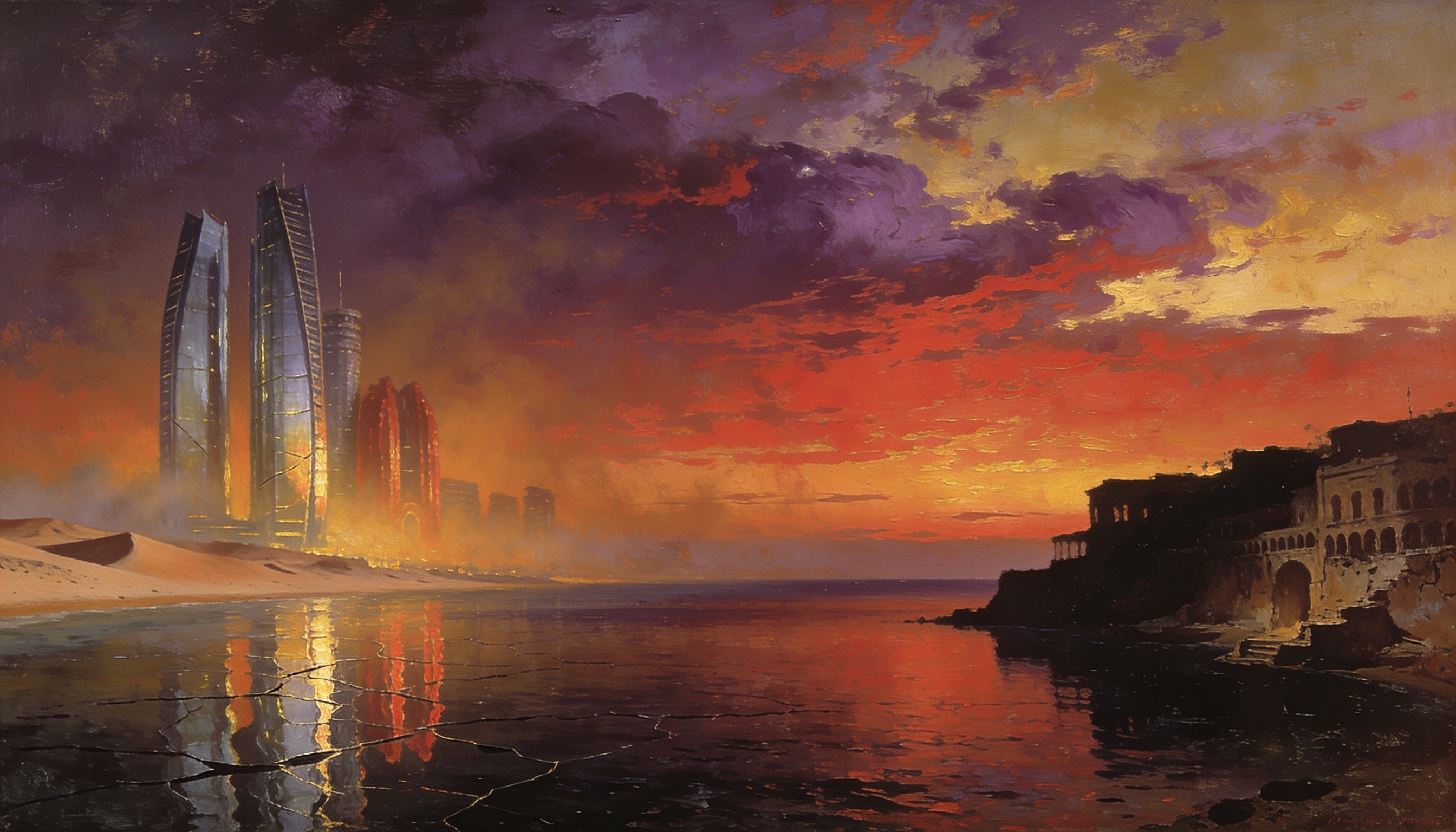
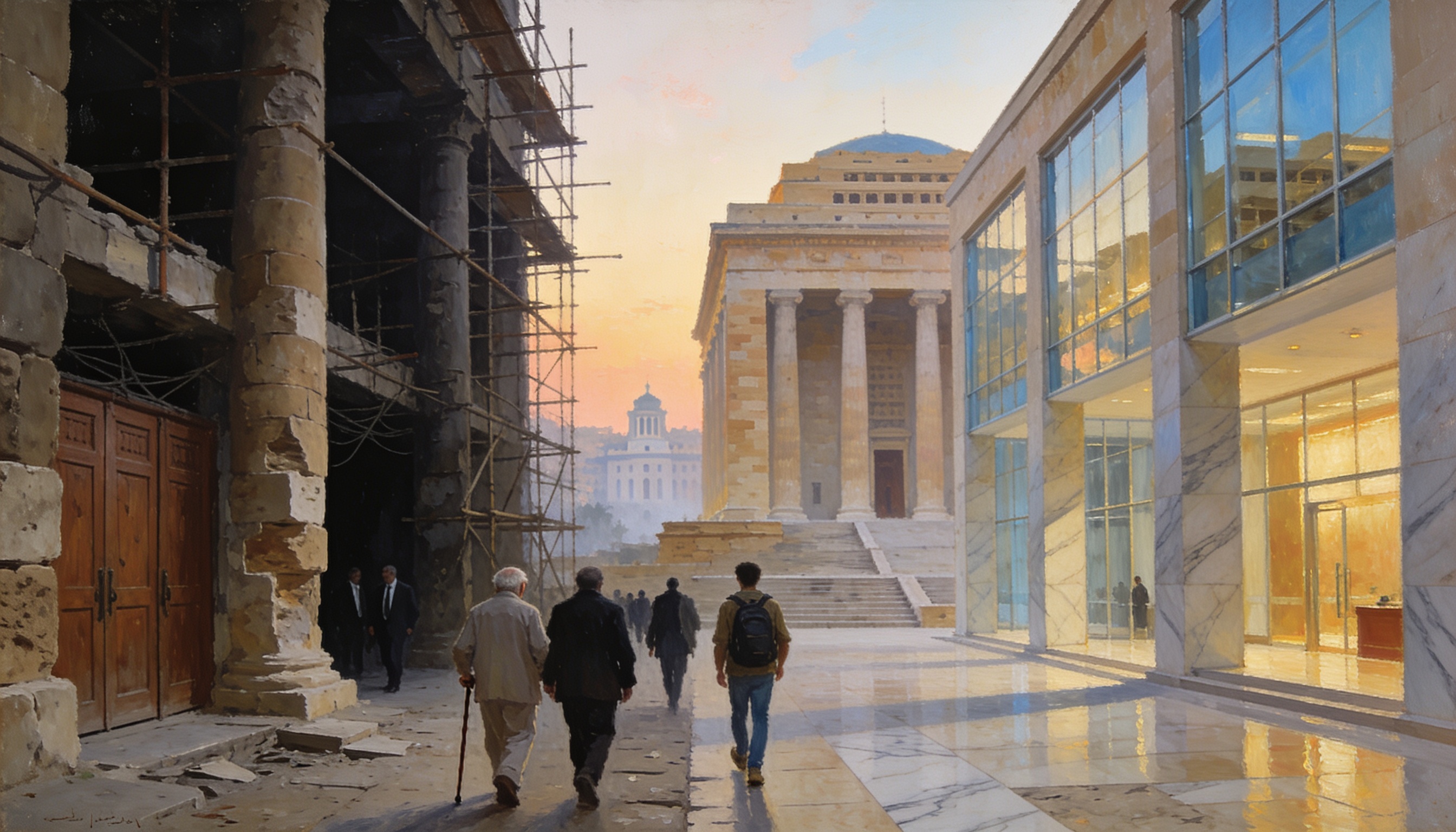
Influence in the Middle East is no longer measured solely by the ability of states to impose their military or political domination; it is now bound up with their capacity to build attractive cities and craft convincing narratives. In this shift, cities such as Riyadh, Dubai and Doha are emerging as new centres of gravity, while states unable to produce an effective city or a coherent discourse find themselves receding. Between economics and media, a different model of governance is taking shape, one that raises a fundamental question: who actually governs? In this context, the city has ceased to be a mere urban space or administrative hub and has become a fully-fledged political instrument. Its rise cannot be understood through the lens of economic growth alone; it points to something deeper — a redefinition of power itself. Cities are no longer built simply to house populations, but to serve as transborder platforms of influence, capable of attracting investment, drawing in talent and affirming their presence in the global economy. These are cities that compete with states, presenting themselves as models of stability and openness in a region long associated with conflict and uncertainty. In this sense, the city becomes the face of the state, and in certain contexts its substitute, where success is measured by the capacity to attract rather than to dominate, to produce rather than to declaim.

How the State Became an Intermediary…
Par
Rabih Dandachli
Publié
Apr 21, 2026 - 20:24

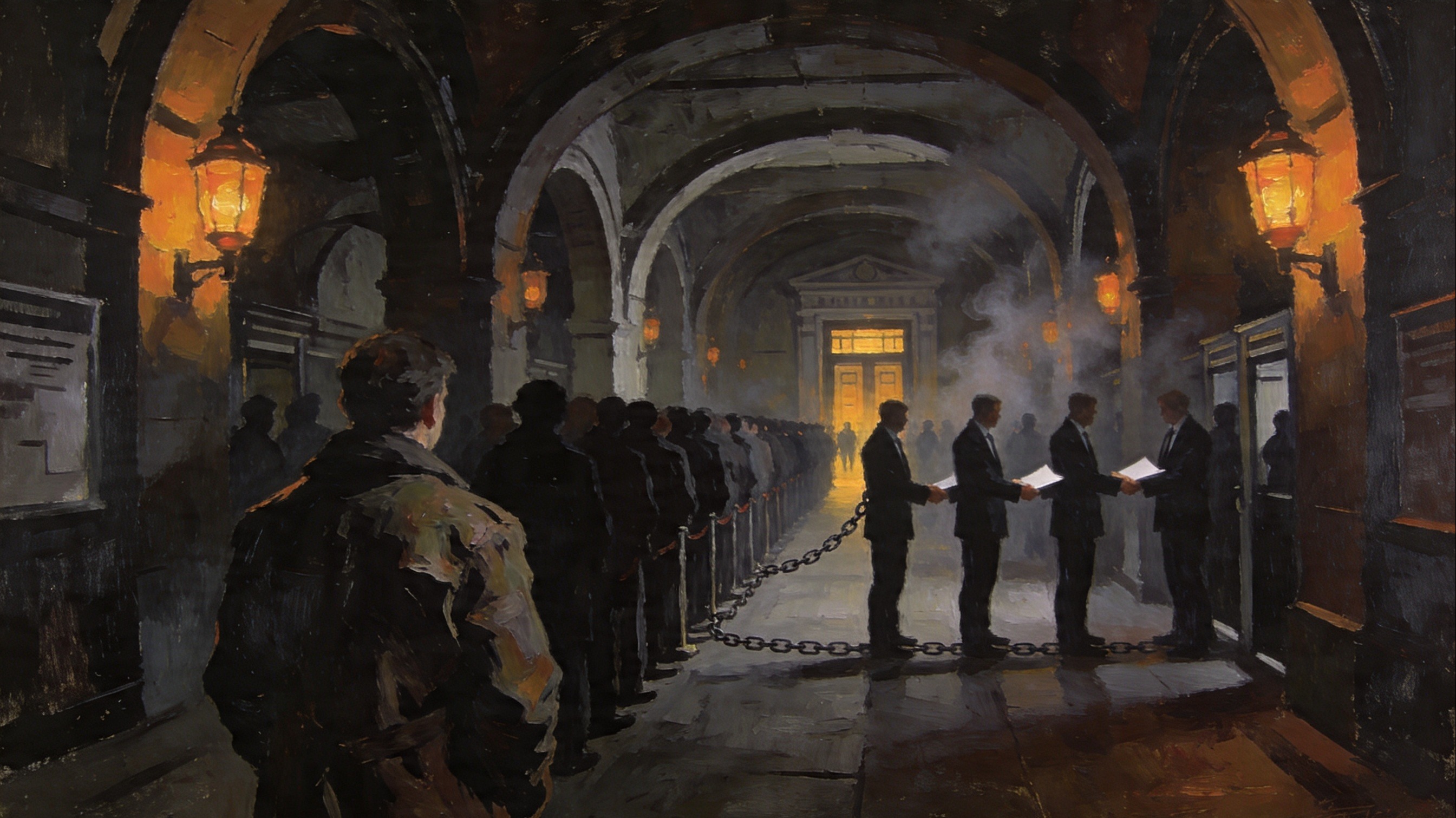
Access to the state in Lebanon no longer follows the direct path it ought to follow in any modern political system. A relationship that should rest on clearly defined rights and mutually acknowledged obligations has gradually transformed into a complex web of informal channels, in which the citizen no longer deals with the state directly, but with whoever 'grants access' to it. Yet the mutation has not stopped there, for intermediation has ceased to be a mere bridge between citizen and state and has become, in many cases, an outright substitute for it — through the construction of parallel structures that reproduce the state outside its own boundaries.