

US Sanctions Reveal the Flaws of the Iranian Regime


« Totalitarian regimes are not content to dominate bodies; they seek to enslave minds. » – George Orwell
Since the Iranian Revolution of 1979, the United States has imposed a large-scale economic sanctions regime on Tehran, which has become over the decades one of the most multidimensional pressure tools in American diplomacy. The first measures, instituted after the hostage-taking at the American embassy in Tehran in November 1979, froze Iranian assets in the United States via Executive Order 12170, immobilizing billions of dollars and blocking numerous financial operations.
In the mid-1990s, Washington strengthened its arsenal: in March 1995, all American investment in the Iranian energy sector was prohibited; a measure followed in May by a total trade embargo covering almost all exchanges and technology transfers. The « Iran and Libya Sanctions Act » of August 1996 introduced extraterritorial sanctions, threatening foreign companies investing in Iranian hydrocarbons.
Escalation of Financial Sanctions
With tensions related to Iran's nuclear program, sanctions took on an increased financial dimension. In July 2010, Congress passed the Comprehensive Iran Sanctions, Accountability, and Divestment Act (CISADA), aiming to isolate Iran from the global financial system by restricting access to the dollar and maritime transport for Tehran's economic actors.
Between 2011 and 2012, new measures hit Iran's central bank and oil buyers, causing a significant drop in revenues, a pillar of the national economy. In parallel, sanctions targeted the regime's officials and financial networks, with asset freezes and prohibitions on operations to limit their access to international markets.
Maximum Pressure and the Iranian Strategy
After a temporary easing linked to the 2015 JCPOA (the Iranian nuclear deal), certain sanctions were suspended in January 2016, allowing a partial resumption of oil exports. This period ended on May 8, 2018, with the withdrawal of the agreement in question by the United States, which progressively reinstated sanctions until November 5, 2018, as part of its maximum pressure policy.
According to Phillip Smythe, a Middle East expert who worked at the Washington Institute and the Atlantic Council, « economic sanctions have sent the Khamenei regime into a free fall. » « However, this has not prevented the Iranian government from pursuing its adventurous actions and acquiring weapons, » he notes. « On the other hand, US measures complicate the financing of these efforts and proxies abroad. Maximum pressure has limited access to dual-use technologies, restricted the movement of the ghost fleet transporting oil, and curbed access to international banking networks. »
Smythe specifies that despite the pressure, the regime continued to finance certain militias and attempted to pursue its armament programs, notably long-range missiles. Its ghost fleet continued to export oil, and in this regard, China remained a key partner, allowing the regime to maintain its resources and power.
New Targets and Unprecedented Measures
In January 2026, facing the repression of massive protests, the U.S. Treasury sanctioned Ali Larijani, Secretary of the Supreme National Security Council, for his role in the crackdown. Asset freezes and prohibition of any operations with American entities also apply to other high-ranking officials and financial networks of the regime.
On January 12, 2026, a historic measure imposed a 25% tariff on any country that continues to trade with Iran, thus illustrating the regime's dependence on its foreign partners and the structural weaknesses of its economy.
Future Levers Against the Regime
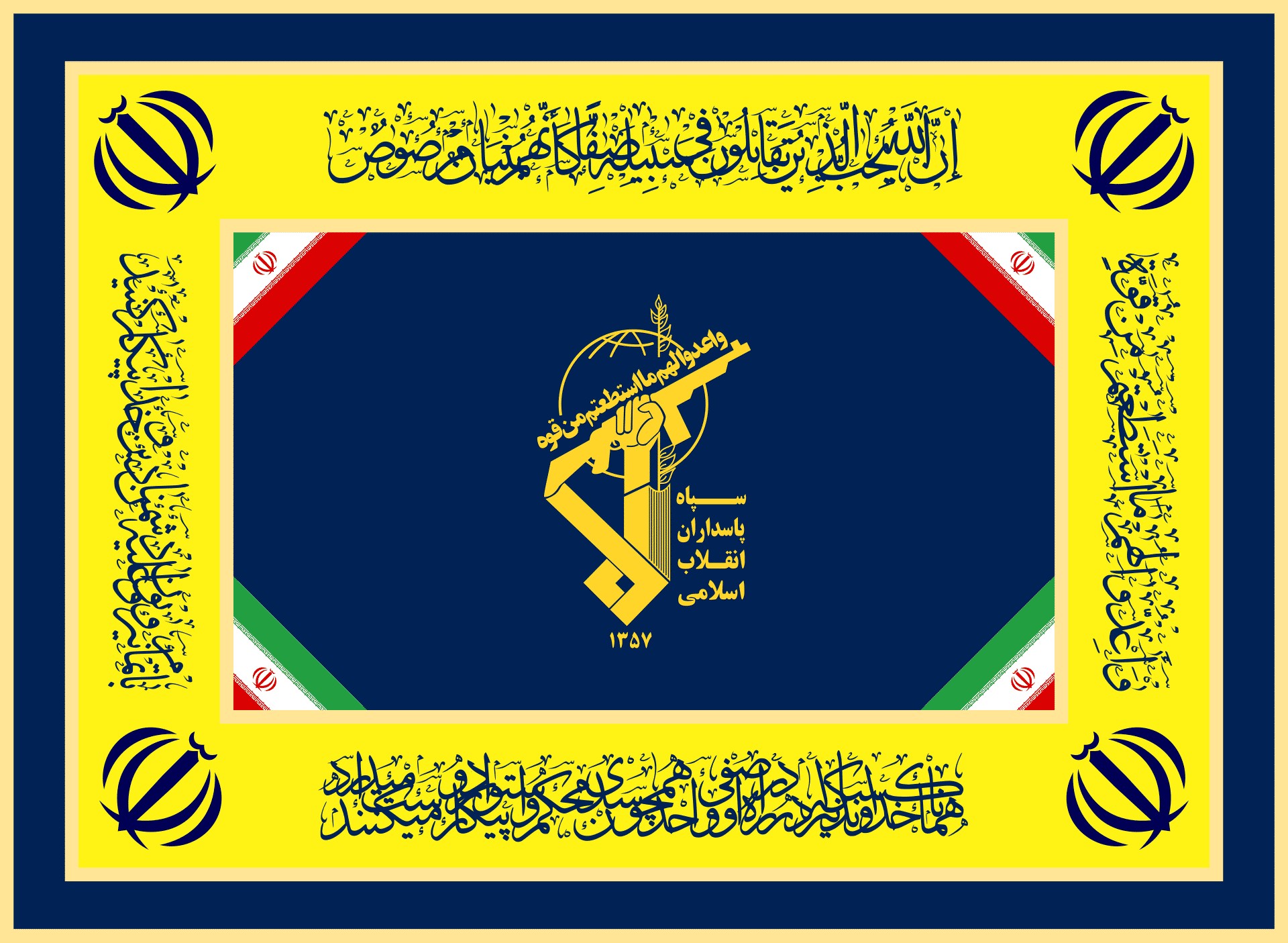
According to Phillip Smythe, « the United States has many tools » to increase pressure on the Islamic Republic. « They could tackle the more secret banking apparatuses operated by the Islamic Republic, » he indicates. « These measures could thus include sanctions directly targeting the leaders and the foundations of their power » (taking into account that the regime's economy largely relies on the Islamic Revolutionary Guard Corps, the IRGC, and bases controlled by the mullahs).
« Among other potentially viable tools is also targeting how the regime uses cryptocurrencies to continue financing itself, » adds Phillip Smythe. « Attacking other 'ghost' economies, such as banking, maritime transport, and money transfer, could also be other useful ways to limit the aggressive actions of the Islamic Republic. »
A Regime Focused on Armament
Mr. Smythe also emphasizes that for the ruling power in Tehran, « the people often come last. » The regime's priority remains military programs and regional ambitions, to the detriment of the population. Despite sanctions and international pressure, the Iranian government continues its military adventures and support for its militias, thereby highlighting the persistence of a totalitarian system determined to impose its strategic objectives.
From 1979 to 2026, US sanctions – sectoral, extraterritorial, or targeting individuals – have evolved from a simple asset freeze to a global and multidimensional system, combining embargo, financial restrictions, sanctions against elites, and tariff measures affecting commercial partners, thus revealing the flaws and contradictions of the Iranian regime.
A Paper Tiger
Despite the image of power it seeks to project internationally, the Iranian regime has proven to be a veritable paper tiger. Its military and political structures, presented as solid and omnipotent, rely on fragile networks and an economy dependent on foreign partners.
Successive sanctions have highlighted the financial vulnerabilities of the power and its difficulty in financing its regional and military ambitions. Its apparent resistance hides a much more precarious reality: costly programs, ultra-funded proxies at the expense of an increasingly suffering population. This mix of façade and structural fragility shows that, behind the rhetoric of strength, Iran struggles to maintain its influence without the support or tolerance of other powers, confirming the fact that it is in reality a paper tiger.
In Search of Lebanon, from Beirut to the Vatican
UN: Paris Wants to Replace UNIFIL With a 'Different Type' of Presence
The Abolition of the Death Penalty: Ibrahim Najjar and Élie Keyrouz’s Long Fight
The Testament of Hassan Rifai
A ceasefire... yes, but what happens next?
Plus de Nayla Assaf
Voir tout


À lire aussi dans Politics
Voir tout



Mexico: after the Elimination of El Mencho, the Calm Before the Storm?
«Remaining»: Rekindle the Memory of the Victims of Political Assassinations Since 2005
Revolutionary Guards, Supreme Organ of Repression
Tropic Thunder: Understanding US Interventionism in the Caribbean
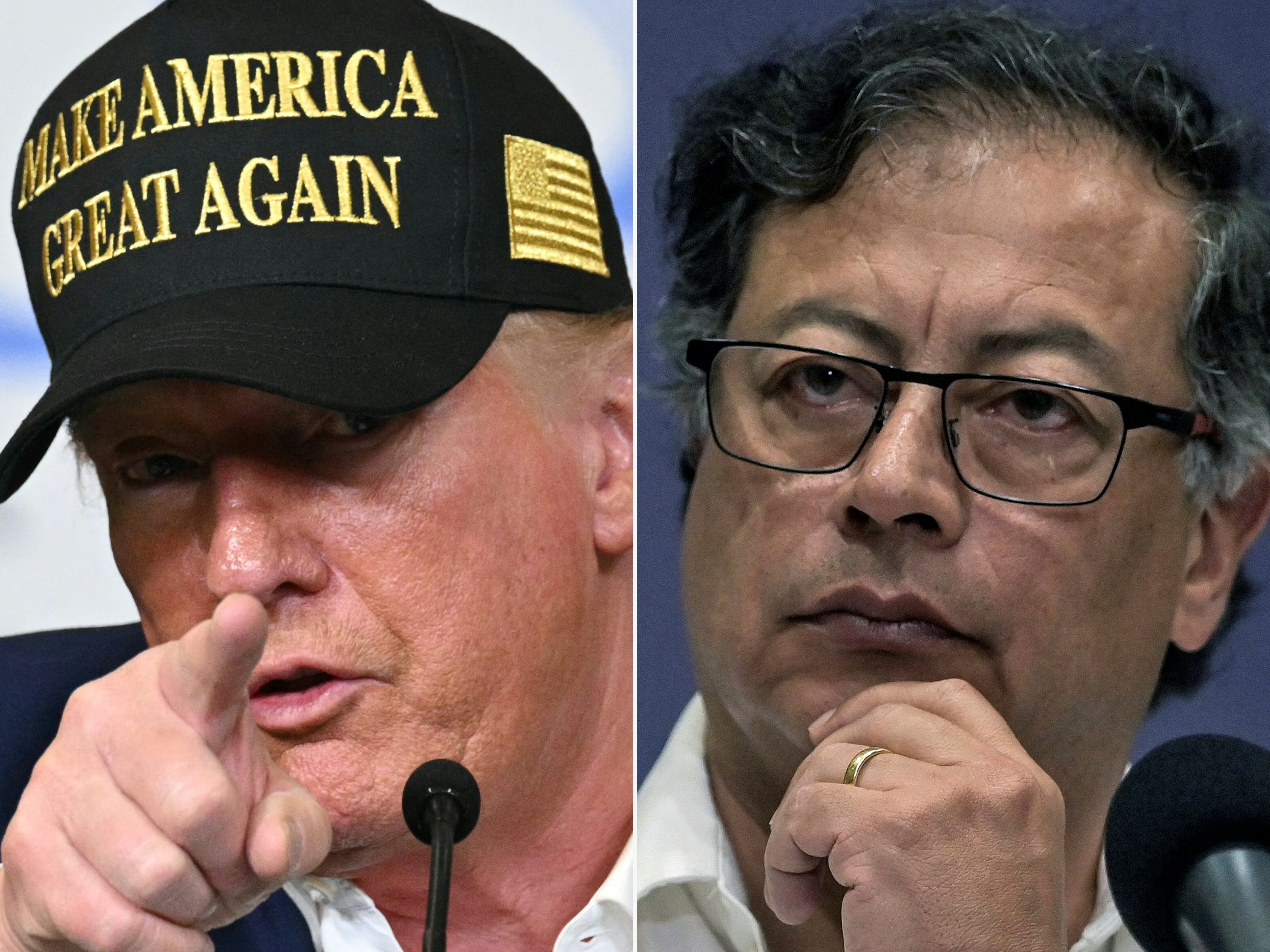
Tropic Thunder: Understanding US Interventionism in the Caribbean
Les derniers articles de Levant Time
Voir tout


