Levant Time logo
Nawaf Kabbara

Nawaf Kabbara

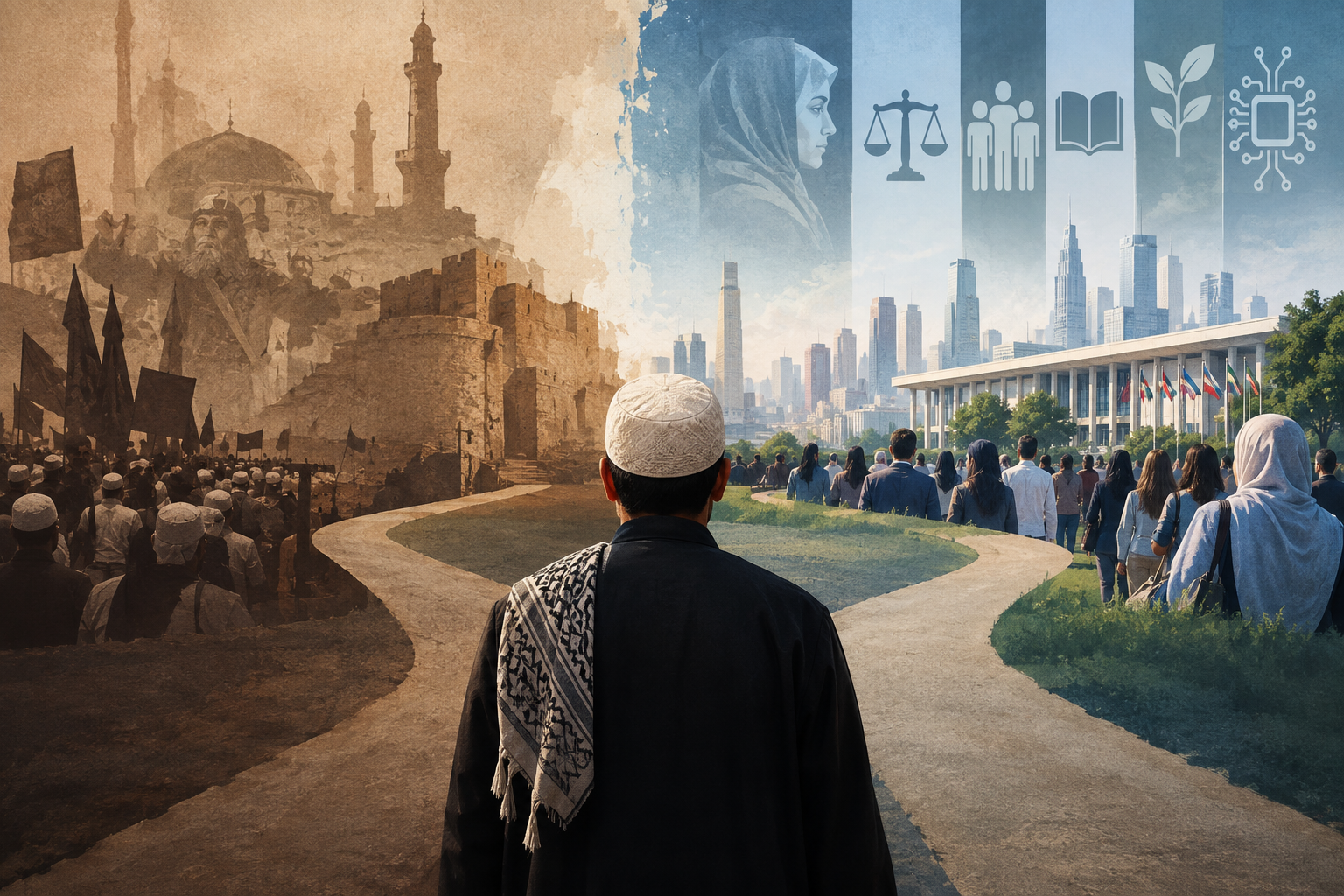
The Future of Sunni Political Islam
By
Nawaf Kabbara
Published
Oct 6, 2026 - 20:22

For more than a century, political Islam has been one of the major intellectual and political currents in the Arab and Muslim world. It has taken many forms, encompassing a wide range of organizations, movements and approaches, from those that have opted for elections and peaceful political action to revolutionary movements and, ultimately, extremist jihadist organizations. Despite their profound differences, a central idea has remained common to a significant number of these movements: the belief that the crisis facing Arab and Muslim societies can be overcome by returning to an Islamic political model capable of restoring the nation’s unity, strength and standing.
What Role for Israel?
By
Nawaf Kabbara
Published
Sep 28, 2026 - 13:55

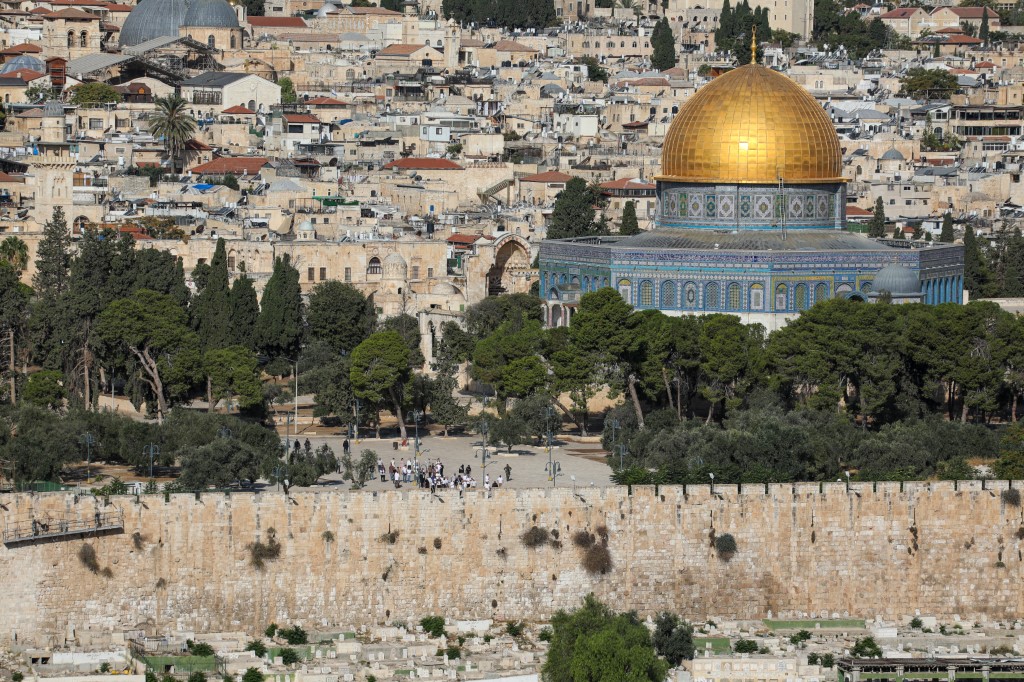
Over the past decades, and even more clearly in recent years, Israel has demonstrated the extent of its formidable military power. It has managed to strike its adversaries on multiple fronts, use its intelligence, technological and military superiority to impose new realities, and establish itself as one of the region’s strongest military powers. But this is where the great paradox emerges: what has Israel gained, strategically, from all these victories? A military victory becomes a historic victory only when it produces a reality that is safer and more stable than the one that preceded it. The problem is that the project of “Fortress Israel,” or “Israel as a military empire,” may achieve successive victories on the battlefield while simultaneously accumulating ever greater levels of rejection, hostility and isolation around Israel.

The Mecca Agreement and the Emergence of a Fourth Regional Balance?
By
Nawaf Kabbara
Published
Sep 22, 2026 - 12:25

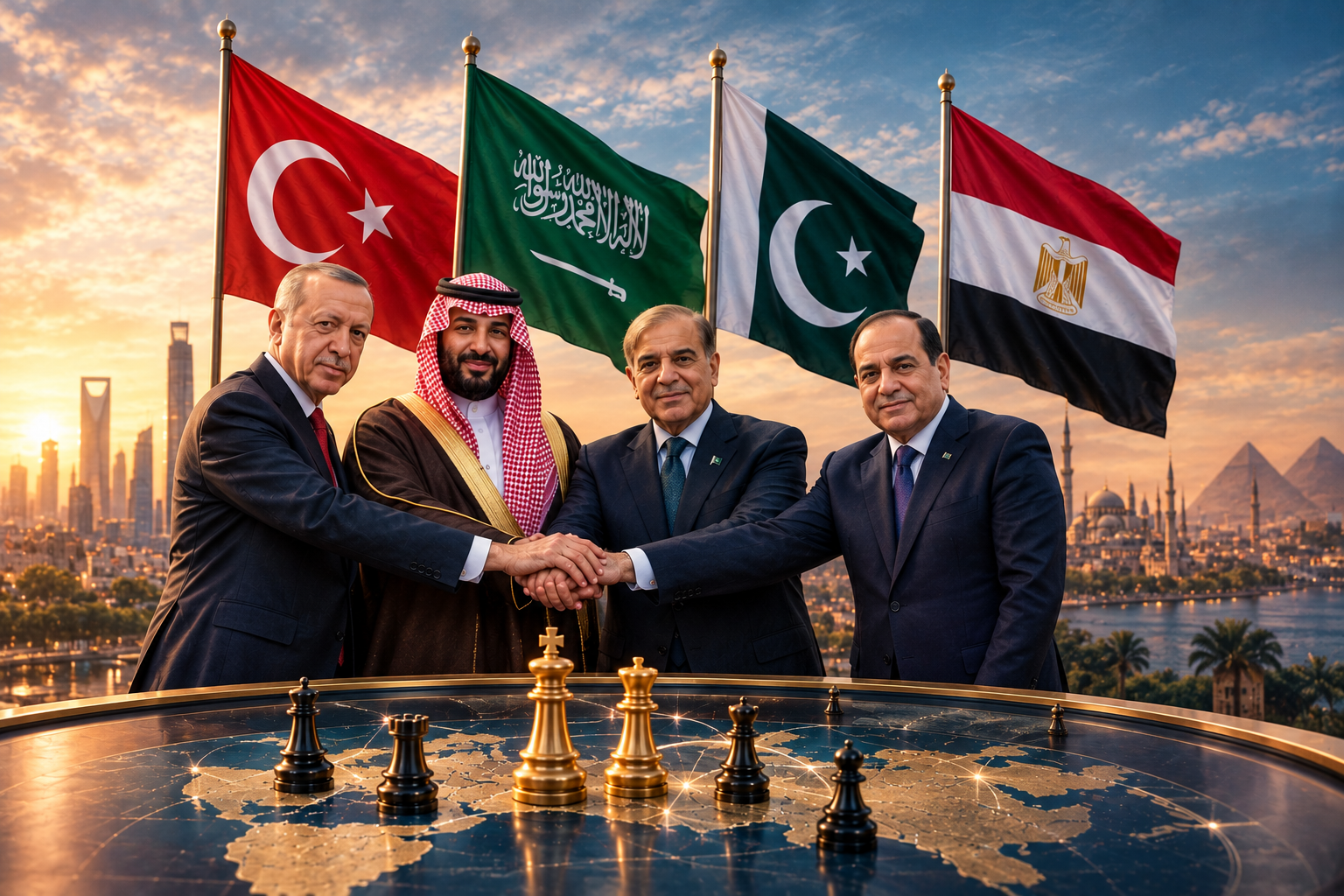
If the Middle East is now the scene of a confrontation between Israeli, Turkish and Iranian projects, the Mecca agreement on joint defense between Saudi Arabia, Turkey and Pakistan could signal the emergence of something different: not necessarily a fourth hegemonic project, but a new project for regional balance. The significance of the agreement lies in the fact that the three countries bring together remarkably complementary sources of power. Turkey has a powerful military, is a member of NATO, and has a rapidly expanding military and technology industry, as well as advanced capabilities in drones and electronic warfare.

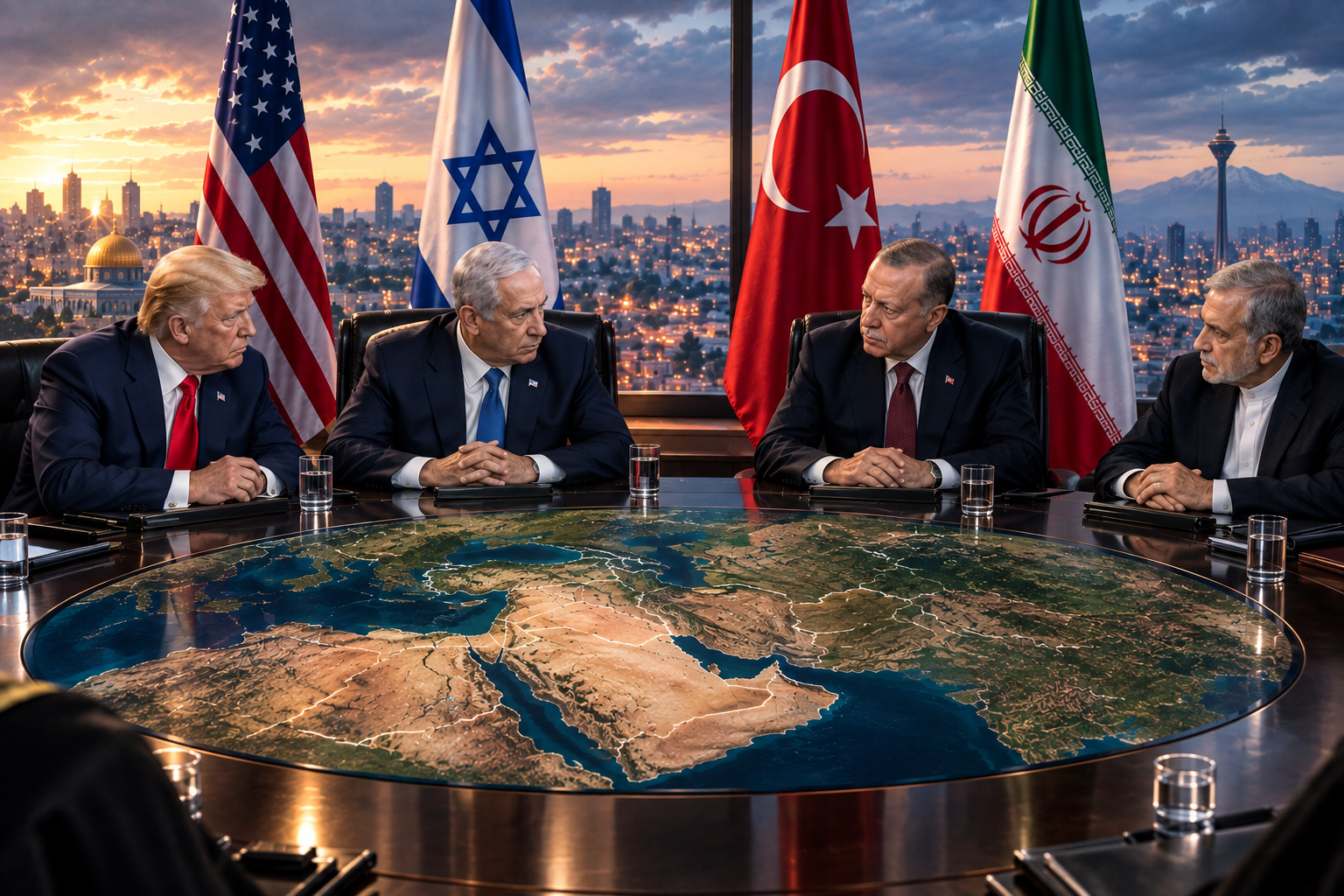
The Middle East as a Corporation: Who Will Take Charge?
By
Nawaf Kabbara
Published
Sep 16, 2026 - 19:58

In 1998, my students asked me a question that, at the time, seemed too broad to have a clear answer: What is the future of the Middle East? I told them that I believed the Middle East would evolve into something resembling a large corporation, with the United States as its board of directors, and that the fundamental conflict of the future would no longer be limited to the one between the Arabs and Israel, but would also revolve around the question of who would take over the executive leadership of this regional enterprise. I added that the main contenders in this struggle would essentially be Israel, Iran, and Turkey.