
By
Ziad Abdel Samad
Published
Apr 8, 2026 - 18:45
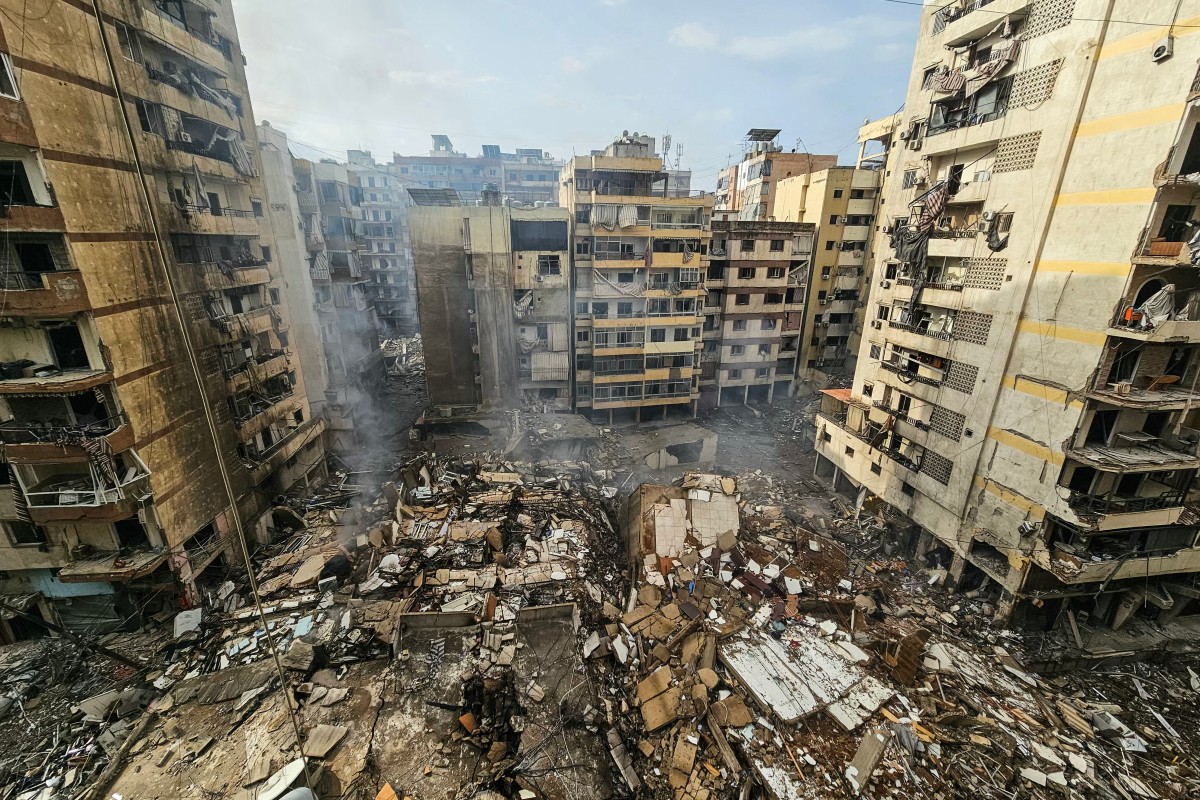
Since the outbreak of the latest military escalation on the southern border, Lebanon has found itself at the heart of the regional picture as a theatre of open confrontation, reviving longstanding questions about its role, the limits of its decision-making autonomy, and its capacity to bear the cost of engagement in conflicts that far exceed its borders. Against this backdrop, a fundamental question presents itself: how is one to assess the merits of this confrontation from a strictly Lebanese perspective, in light of the consequences it has produced on the military, economic, and social levels?