Logo Levant Time
Jacques Mechelany

Jacques Mechelany

Has the United States’ Long-Term Decline Already Begun? (2/2)
Par
Jacques Mechelany
Publié
Feb 7, 2026 - 12:55

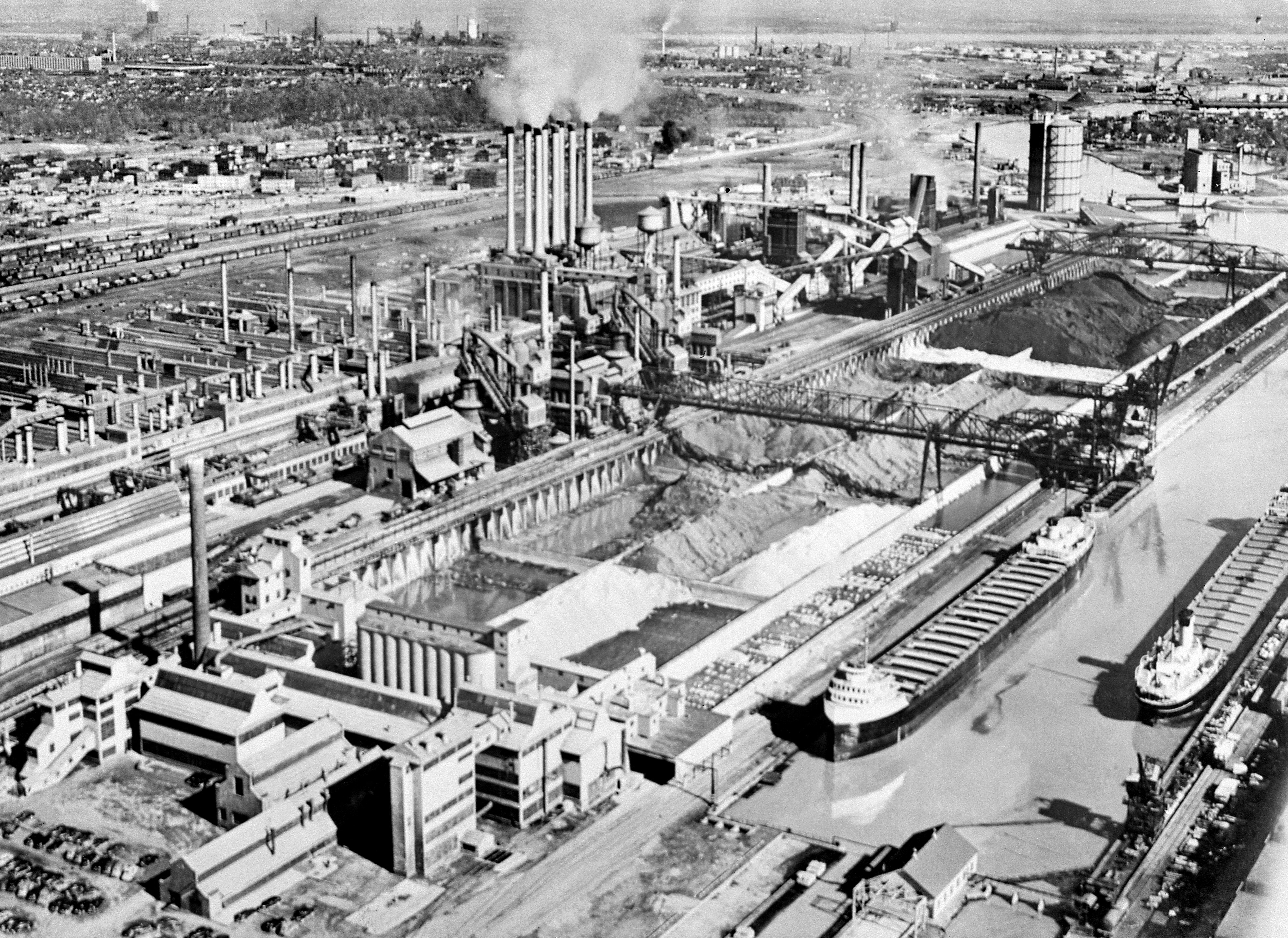
With the Allied victory in World War II, the United States of America emerged as a superpower presiding over the destiny of the Western world. The enormous US industrial machine contributed significantly to the military victory over fascism. In the first part, we saw how the US imposed its model, not only through its military power, but also through a new global economic, financial, and institutional order. In this second part, we will detail the risks currently facing America. The "Make America Great Again" doctrine marks a break in contemporary geopolitics. The greatest casualty of this rupture may be the United States itself, not because it lacks power, but because it has become structurally fragile.
Has the United States’ Long-Term Decline Already Begun? (1/2)
Par
Jacques Mechelany
Publié
Feb 5, 2026 - 12:51

Following the Allied victory in the Second World War, the United States emerged as a superpower, shaping the course of the Western world. Its vast industrial machine was instrumental in securing the military defeat of fascism. In the first part of this analysis, we examine how the US established its model – not only through military might, but also by creating a new global economic, financial, and institutional order. In a forthcoming second part, we will consider the risks now confronting America. Many economists and commentators argue that the United States has entered the early stages of a secular decline.

Will the US Federal Reserve Lose Its Independence?
Par
Jacques Mechelany
Publié
Jan 29, 2026 - 16:39

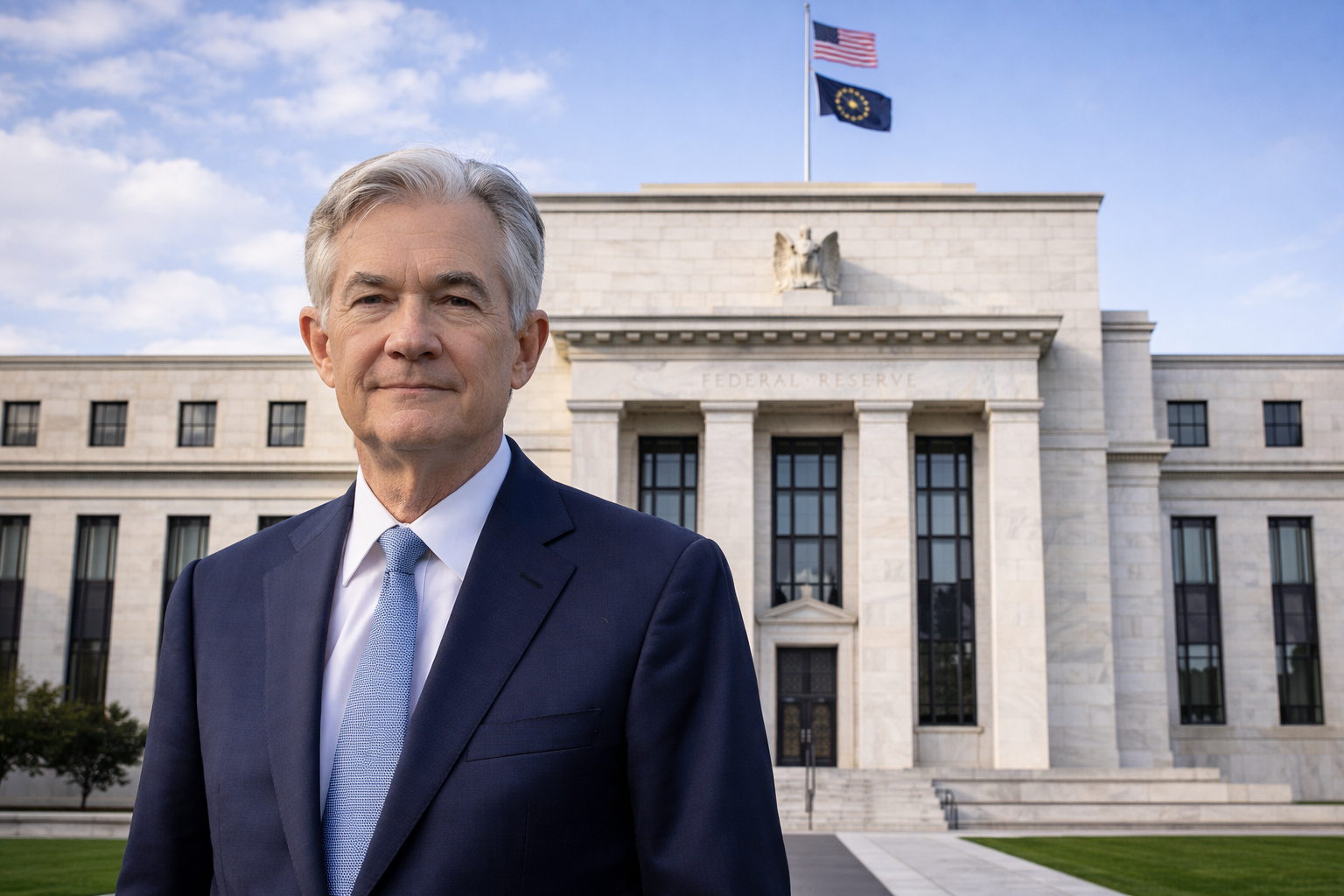
For more than seven decades, the US Federal Reserve stood as a fortress at the core of America’s economic success: the steward of the world’s reserve currency and the institution markets trusted to anchor financial stability. It acted as lender of last resort with a dual mandate – controlling inflation on the one hand, supporting economic growth on the other. For most of this period, monetary policy was entrusted to independent professionals, formally insulated from both the executive and legislative branches of government. That independence, however, was never a constitutional given. It was a carefully constructed institutional equilibrium – one that markets gradually came to treat as permanent.

A new energy cycle is looming, the shift could be brutal
Par
Jacques Mechelany
Publié
Jan 12, 2026 - 12:24

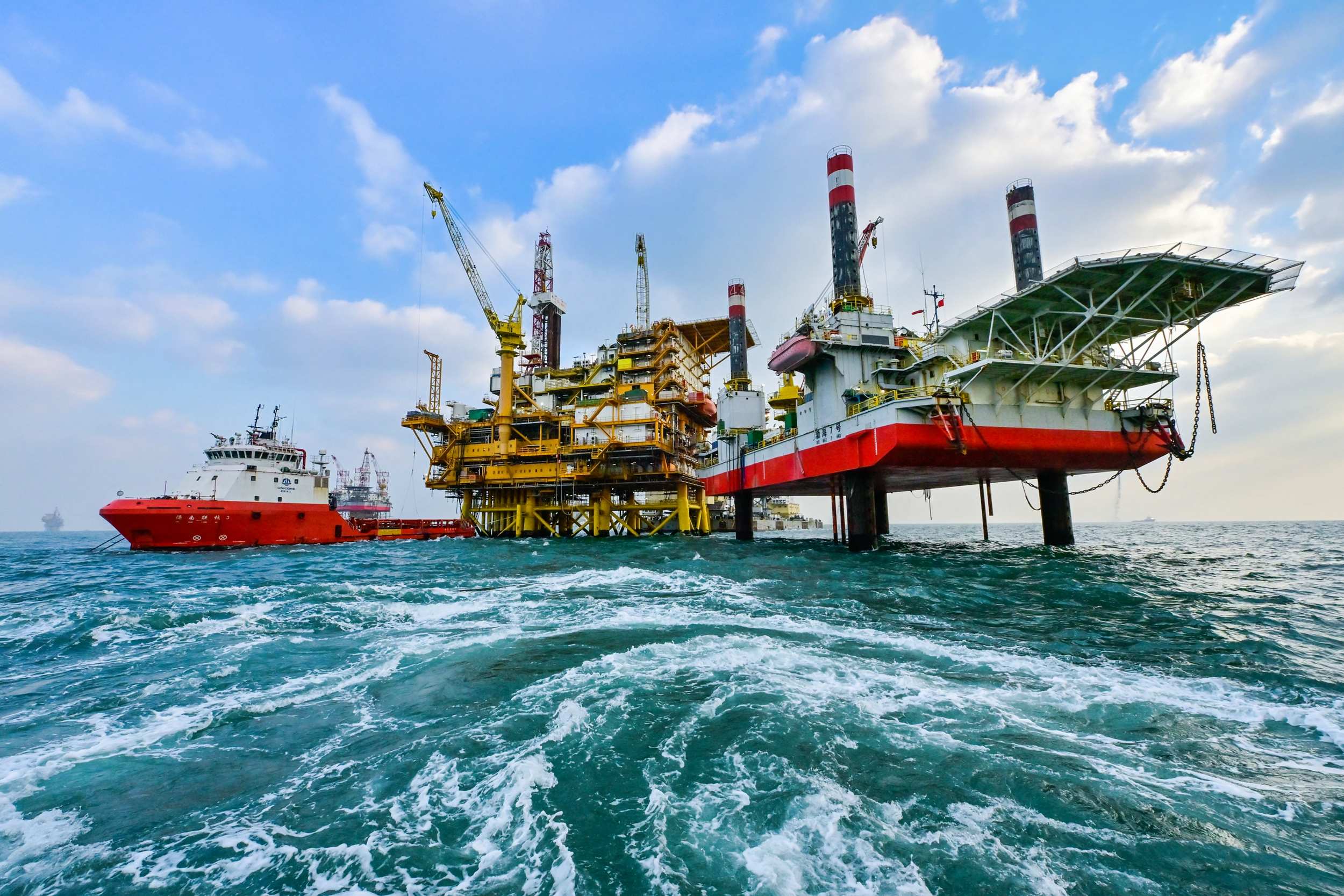
For much of the past four years, global energy markets have appeared deceptively calm. Oil prices have fallen by more than half since their US$ 130 peak in 2022. Natural gas prices have normalized after the shock of the war in Ukraine. Renewable energy headlines dominate the narrative, reinforcing the idea that fossil fuels are gradually being relegated to history. At first glance, the world seems well supplied. Yet beneath this surface calm lies a far more unstable reality — one shaped by chronic underinvestment, physical depletion, geopolitical concentration, and rising structural demand. The global energy system today is not resilient. It is balanced on a knife edge.

Iran And Venezuela: On Fragility Of Authoritarian Regimes
Par
Jacques Mechelany
Publié
Jan 4, 2026 - 17:23

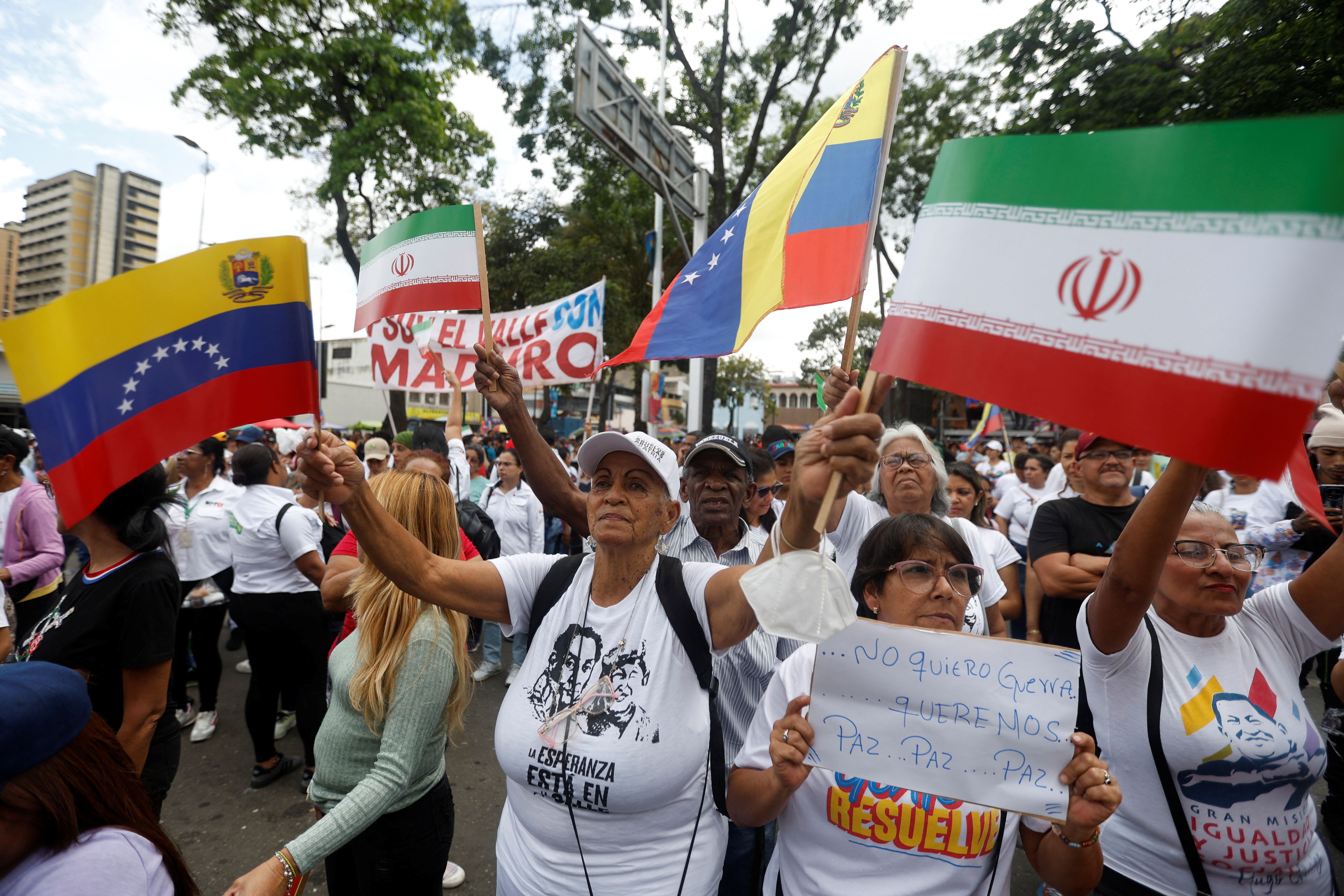
Longevity is often mistaken for stability. In geopolitics, this is one of the most costly analytical errors. Some regimes do not survive because they are strong, adaptive, or broadly supported. They survive because they have learned how to manage decline: suppress dissent, fragment opposition, externalise internal failures, and stretch coercion beyond legitimacy. Over time, this creates an illusion of permanence. But permanence built on control rather than consent is, by nature, brittle. As we move into 2026, two states stand out as emblematic of this dangerous illusion: Iran and Venezuela . Both regimes are routinely described as resilient. Iran projects power far beyond its borders through an extensive network of regional proxies. Venezuela’s leadership has outlasted sanctions, diplomatic isolation, and economic collapse. To many observers, endurance itself has become proof of stability.

Liquidity, the Fuel that Powered the Markets in 2025 (3/3)
Par
Jacques Mechelany
Publié
Dec 28, 2025 - 12:36

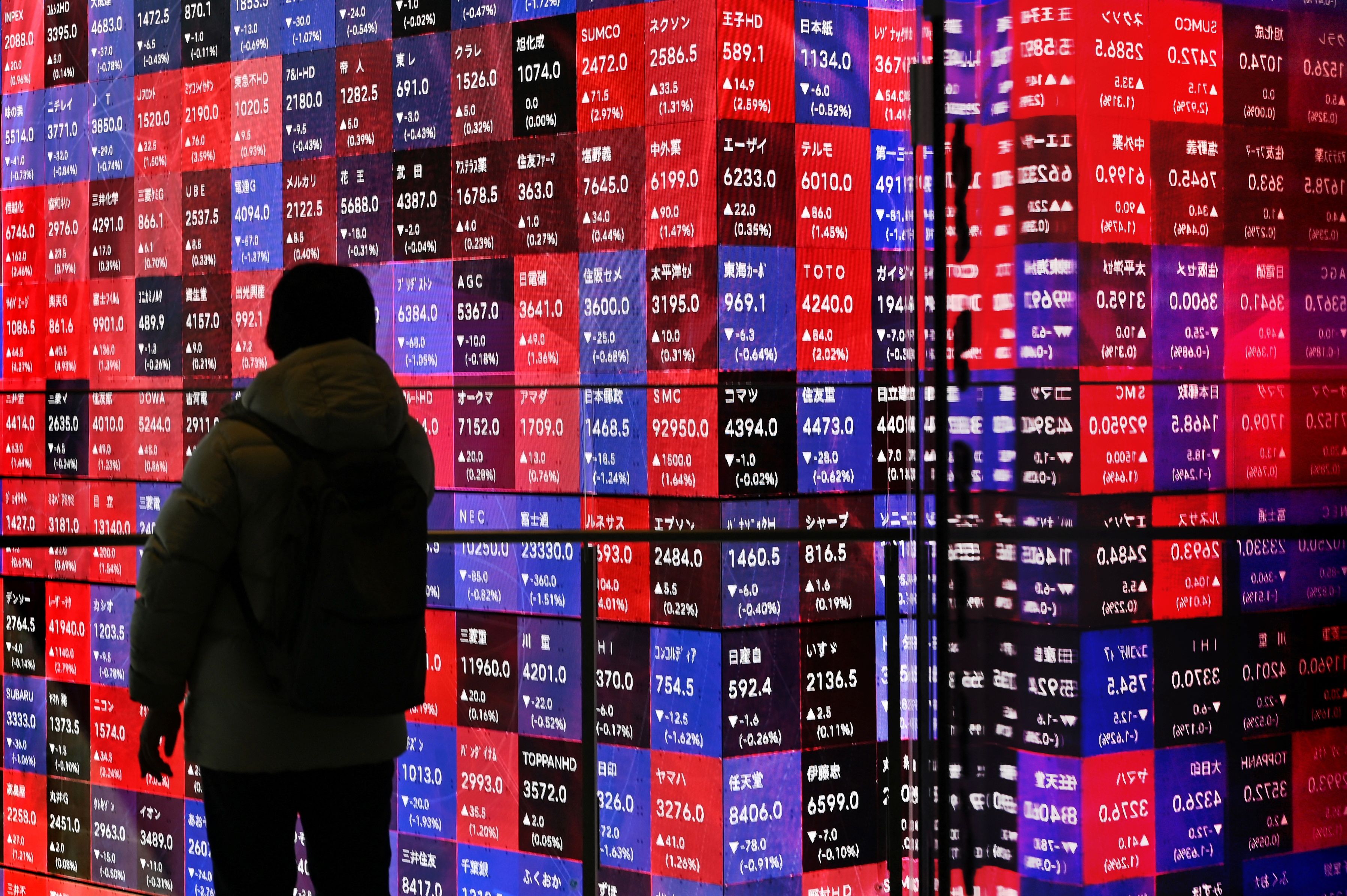
If artificial intelligence supplied the narrative fuel for the extraordinary market performance of 2025, liquidity supplied the oxygen. And while much attention focused on the policies of Western central banks, the most persistent — and ultimately destabilising — source of global liquidity came from elsewhere: Japan. For decades, Japan was treated as an anomaly — an economy trapped in deflation, operating under its own monetary logic and largely disconnected from global cycles. In 2025, that perception proved dangerously outdated. Japan did not merely remain accommodative; it became one of the principal enablers of global risk-taking. For years, the Bank of Japan accumulated trillions of dollars’ worth of bonds and equities on its balance sheet while holding interest rates near zero.

AI: The Technological Revolution That Powered the Markets in 2025 (2/3)
Par
Jacques Mechelany
Publié
Dec 27, 2025 - 10:31

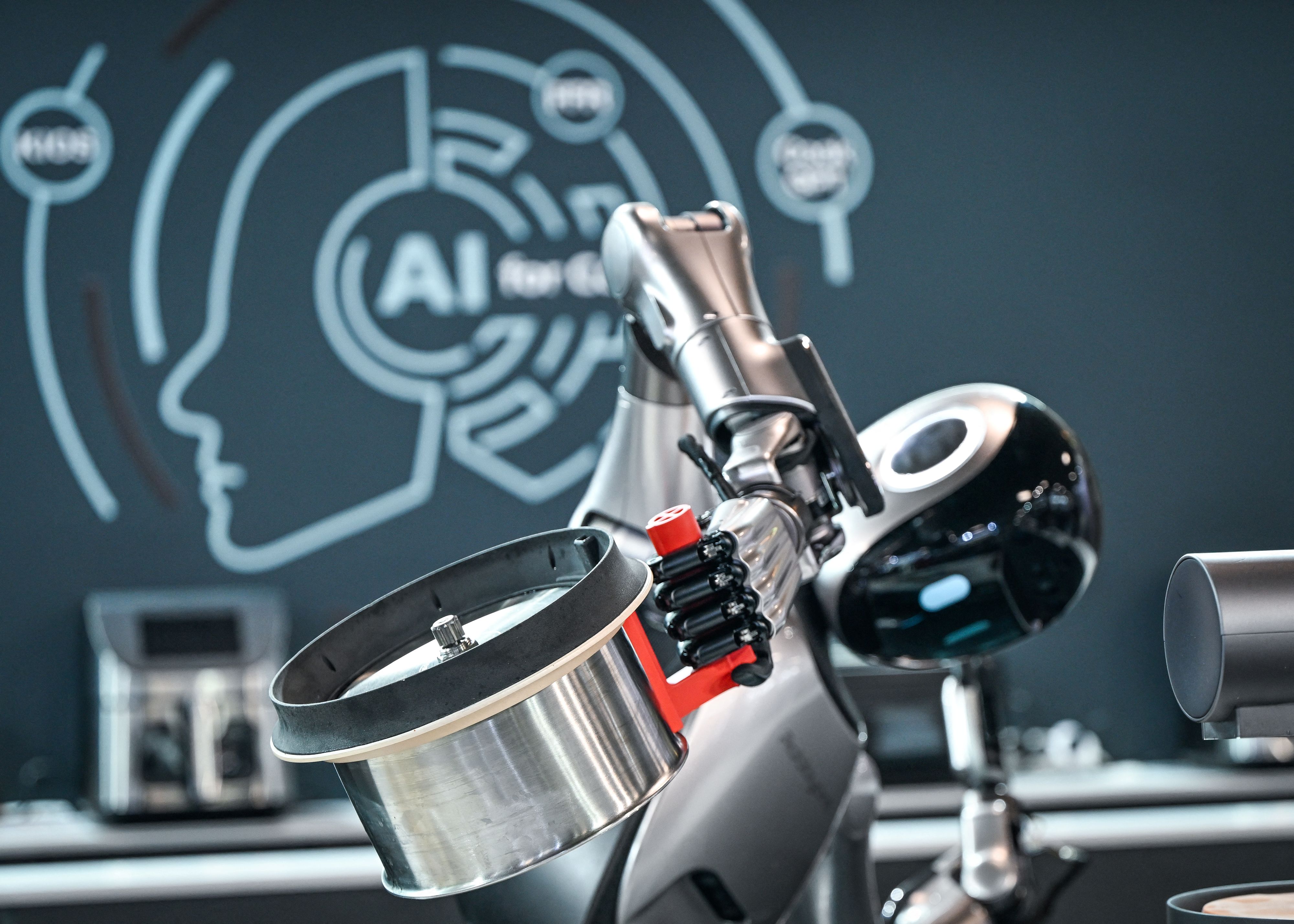
No single force shaped the trajectory of financial markets in 2025 more decisively than artificial intelligence. AI became the dominant narrative through which investors justified elevated valuations, extreme concentration, and rising risk-taking. It offered a forward-looking story powerful enough to neutralise concerns about slowing growth, mounting debt, and geopolitical fragmentation. At its core, AI is a genuine technological revolution — a productivity leap comparable to electrification or the internet — and it is already reshaping entire industries. But financial markets do not price long-term societal benefits; they price microeconomic realities: corporate cash flows, capital intensity, and sustainability. It is at this level that a growing disconnect emerged.

Financial Markets in 2025: A Year that Defies Economic Gravity (1/3)
Par
Jacques Mechelany
Publié
Dec 25, 2025 - 16:42

As Santa prepares to make his annual descent down chimneys around the world and 2025 draws to a close, global financial markets present a picture that would have seemed implausible — if not outright impossible — at the beginning of the year. Most major equity indices are ending the year at, or near, all-time highs, marking a third consecutive year of exceptional performance. In the United States, the benchmark S&P 500 Index is up approximately 17% at the time of writing, following gains of 23% in 2024 and 24% in 2023. This represents a cumulative advance of roughly 77% over three years — and an extraordinary rise of more than 1,000% since the beginning of the secular bull market in March 2009.

The commodity super cycle: the new gold rush
Par
Jacques Mechelany
Publié
Dec 18, 2025 - 02:27

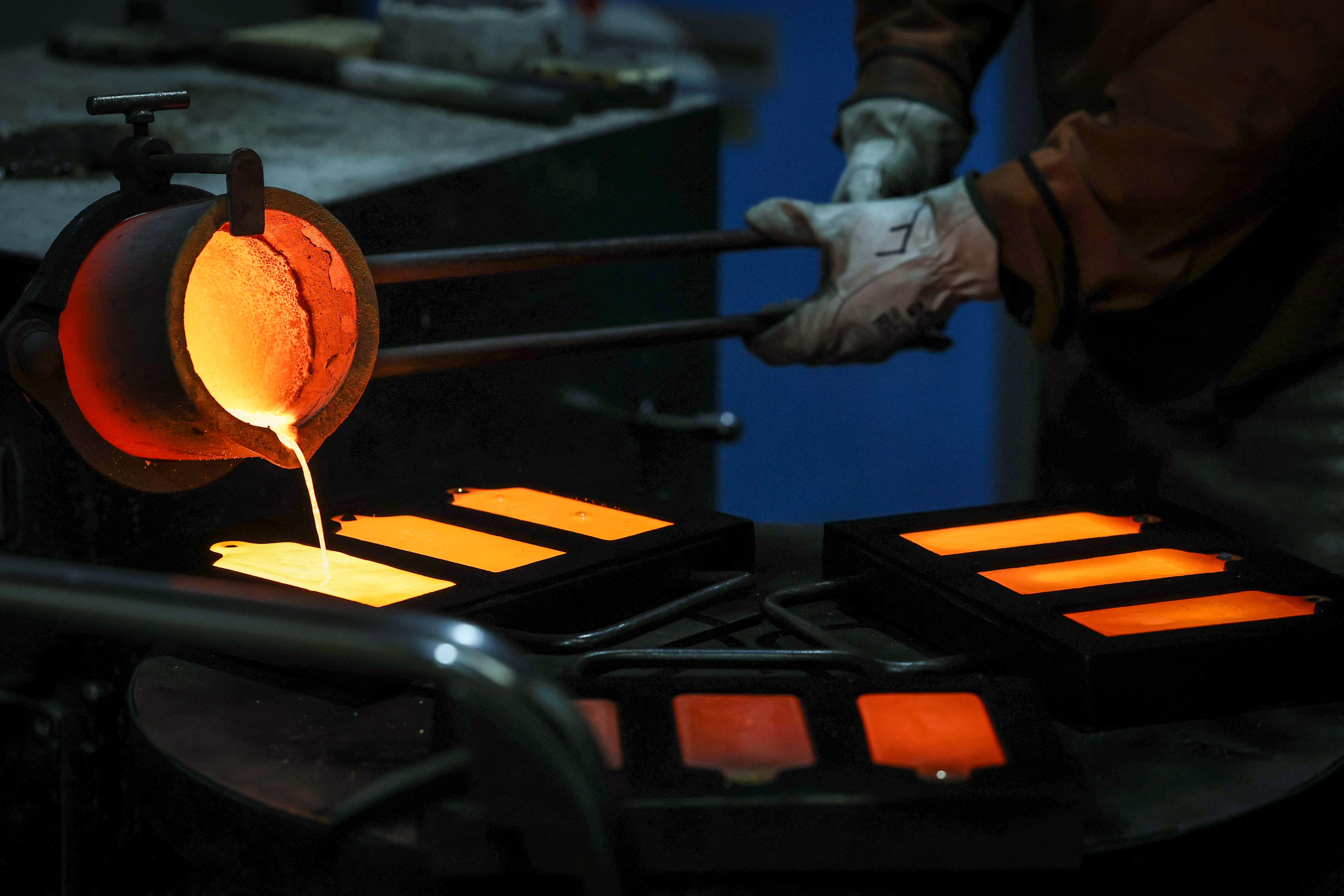
For the past two years, investors have watched gold and silver climb relentlessly — at times with disbelief. Since December 2023, gold has more than doubled, rising from roughly $2,000 to around $4,300, while silver has surged from about $26 to $63, with momentum accelerating sharply in the second half of 2025. If current levels hold into year-end, both metals are on track to register their strongest annual performance since 1979 — the opening chapter of the last great precious-metals cycle. And the “shiny metals” have not been alone. Platinum and palladium have also rallied sharply, copper is up roughly 50%, and a broad range of strategic minerals is enjoying a banner year.

Between Europe and China, the Tone Is Changing
Par
Jacques Mechelany
Publié
Dec 15, 2025 - 11:00

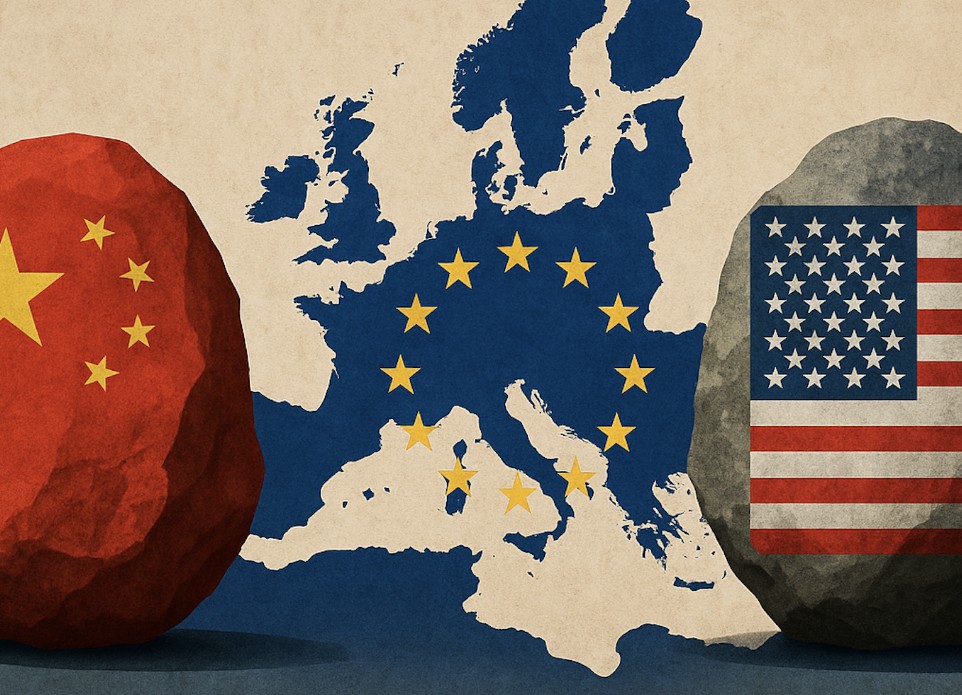
On December 7, 2025, Emmanuel Macron did something no European leader had openly done in three decades of carefully managed relations with Beijing: he spoke plainly. Hours after returning from his fourth official visit to China, the French president stated in an interview with Les Échos that Europe’s trade relationship with China had become “unsustainable.” China, he warned, was “killing its own customers.” European industry, he said, was facing a question of “life or death.” This was not the language of diplomacy. It was the language of strategic alarm. For thirty years, Europe had wrapped its relationship with China in carefully chosen euphemisms: strategic partnership, mutually beneficial trade, win-win cooperation. Macron’s words marked a rupture. They acknowledged what had long been visible in the data but absent from political discourse: Europe has become the adjustment variable in a global economic system increasingly shaped by Chinese overcapacity and American protectionism.