•
Published
Dec 6, 2025 - 13:08
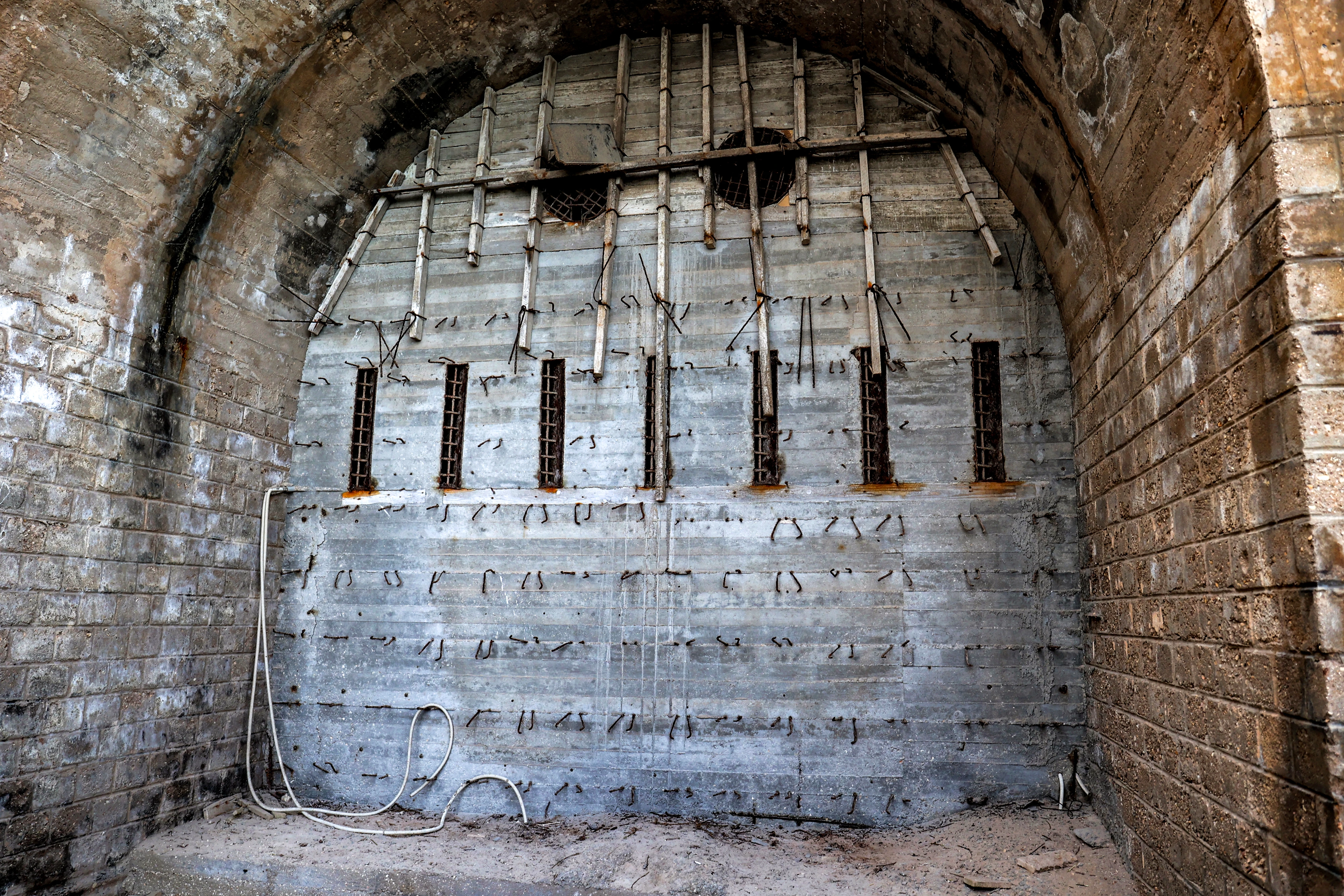
Direct negotiations between Lebanon and Israel have officially begun with the aim of reaching a peace agreement. Their fundamental condition is the disarmament of Hezbollah. Other points, both essential and secondary, are on the table, notably economic cooperation enabling both countries to move forward on the path to recovery, the reconstruction of South Lebanon, and security and stabilization on Israel's northern border. Before going into detail and analysis, before examining the various perspectives, and before reviewing the events that have led Lebanon to pay the heaviest price in the Arab-Israeli conflict for over half a century, a simple question arises: what is the alternative to peace with Israel, to Lebanon's recovery, and to the country's reconstruction? There is no clear answer. The state has been absent for decades, and the Iranian militia based in Lebanon decides, unilaterally, when to launch a war, when to conclude a truce, when to negotiate, when to support Gaza, when to provoke Israel, or when to destabilize neighboring Arab countries. It builds tunnels to continue the wars instead of constructing shelters and hospitals. Until the day Hezbollah trapped itself in a strategic dead end. The war it instigated to serve the Iranian project under the slogan of "unity of fronts" is one it can no longer end. Tehran has gradually withdrawn the cover it provided to Hezbollah. It seeks to buy time to preserve the regime and maintains Hezbollah for future use. But Israel now refuses to tolerate any continued threat posed by Hezbollah. He pushed this militia back north of the Litani River, which proved simpler than carrying out Nabih Berri's famous quip to his visitors, who were warning him about the deteriorating situation, suggesting that the Litani River should be moved to the border with Israel! As a result, Hezbollah is no longer acting according to the old rules of deterrence. In fact, it isn't reacting at all. It has endorsed a truce, but a truce is merely a respite between two wars. The Lebanese leaders, long absent and hesitant, even overwhelmed by the de facto reality, have finally woken up. They have taken the initiative, but hesitated, then failed to follow through. What they will not accomplish, Israel will do in their place—but the price to pay will be far higher.