Levant Time logo
Yakzan Takki

Yakzan Takki

250 Years of the World’s Attachment to the American Idea
By
Yakzan Takki
Published
Jul 7, 2026 - 20:04

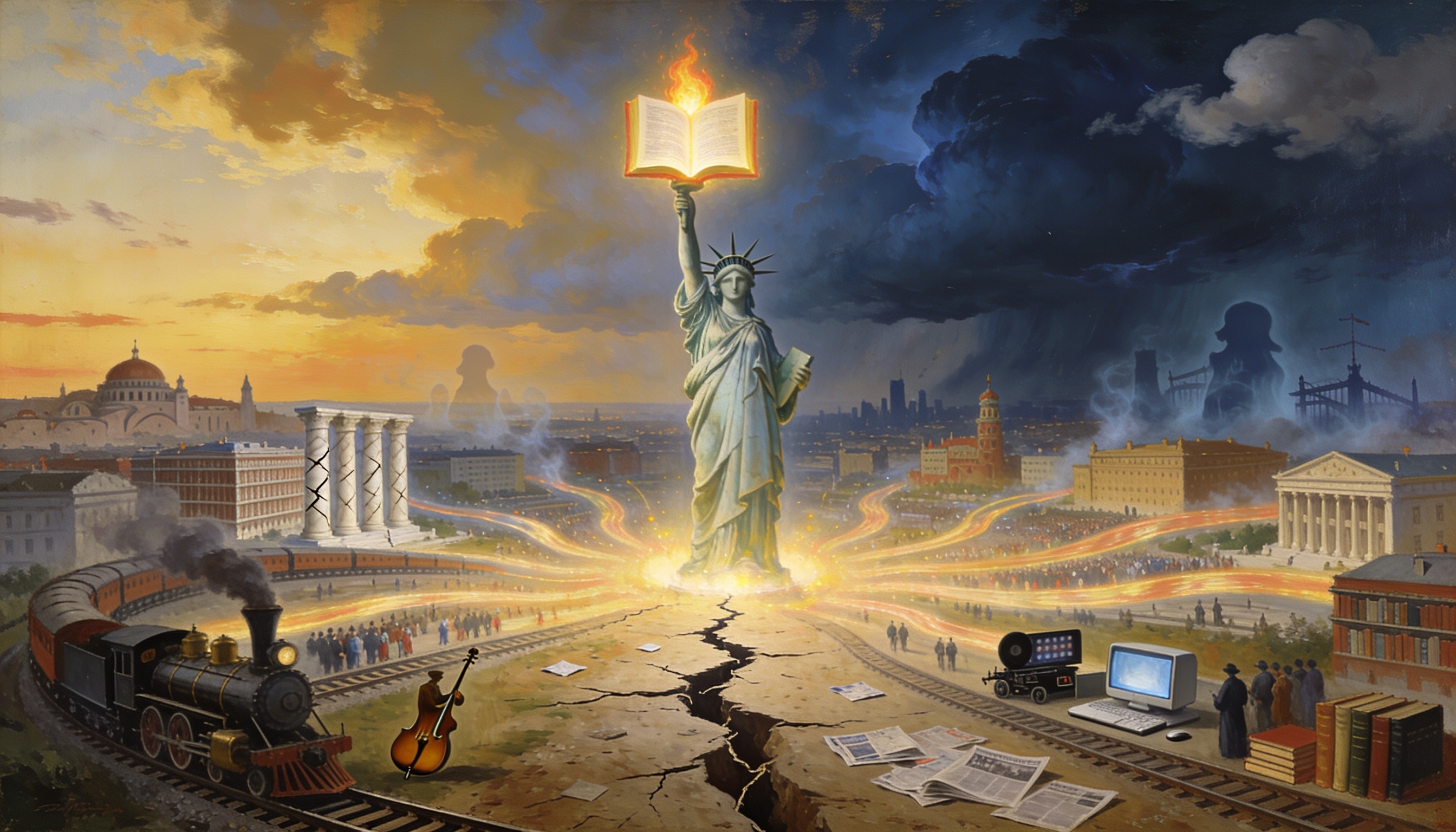
Over the course of two and a half centuries, the United States has achieved what no other nation has accomplished in modern history. From a peripheral colony on the fringes of the British Empire, it rose to become the world’s foremost economic, military, and cultural power. From the wheat and corn fields of the American Midwest to the automobile industry, the personal computer, the Internet, Hollywood, television, jazz, rock music, contemporary art, social media, fast food, and blue jeans, an entire civilizational model gradually took shape, turning the “American Idea” into a model with which the world identified for 250 years.
From War to Statehood
By
Yakzan Takki
Published
Jun 30, 2026 - 19:31

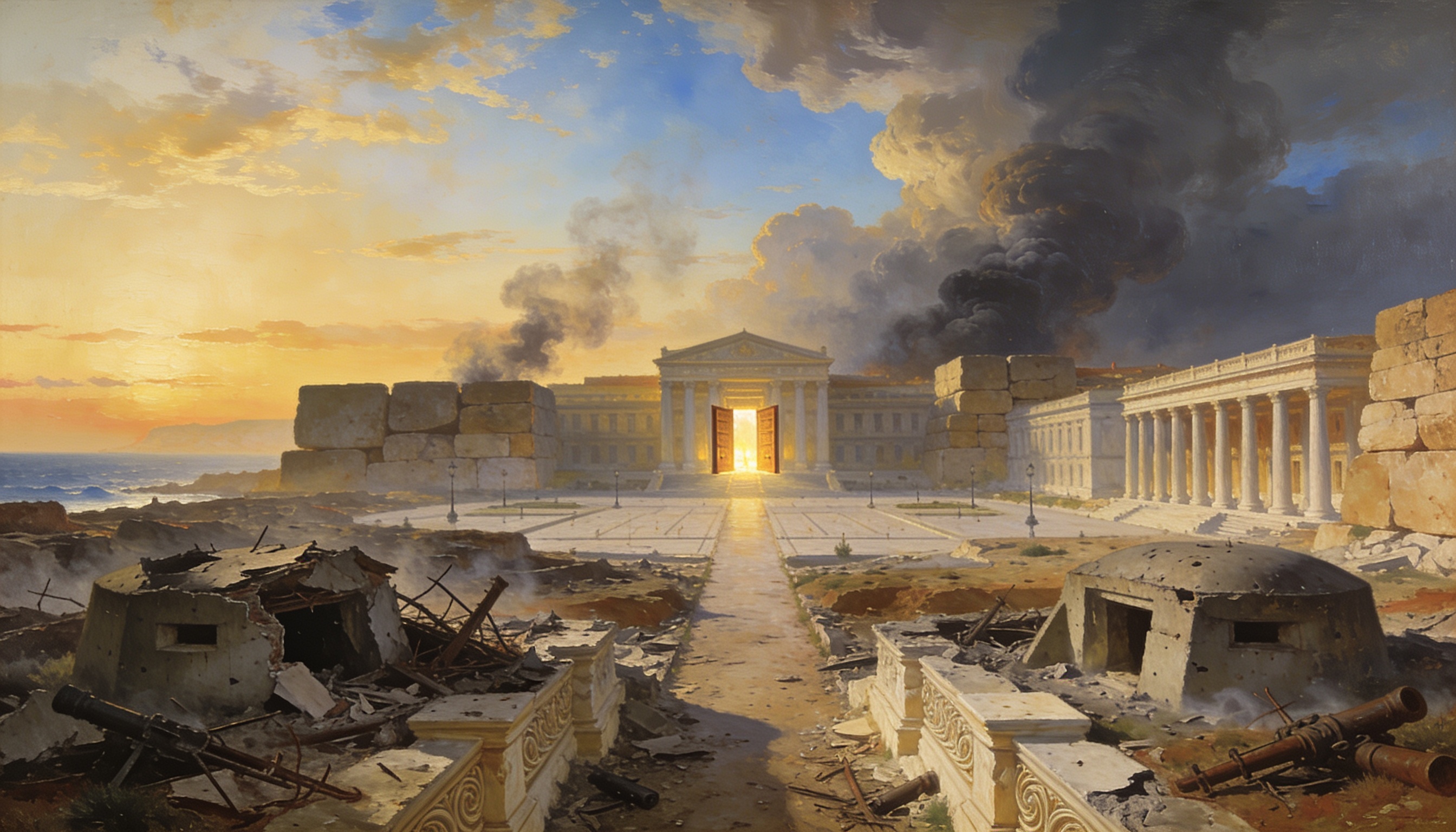
The significance of the proposed framework agreement between Lebanon and Israel lies not merely in its aim of bringing a military confrontation to an end. More profoundly, it reflects a fundamental shift in the nature of postwar agreements. The document bears little resemblance to traditional ceasefire accords, nor does it confine itself to regulating lines of contact or withdrawal arrangements. Instead, it lays the foundations for a new model of conflict settlement, one in which state-building becomes an integral part of peace-building, and sovereignty assumes a renewed meaning, far more complex than the mere protection of borders.

The semiotic engineering of power
By
Yakzan Takki
Published
Jun 21, 2026 - 17:27

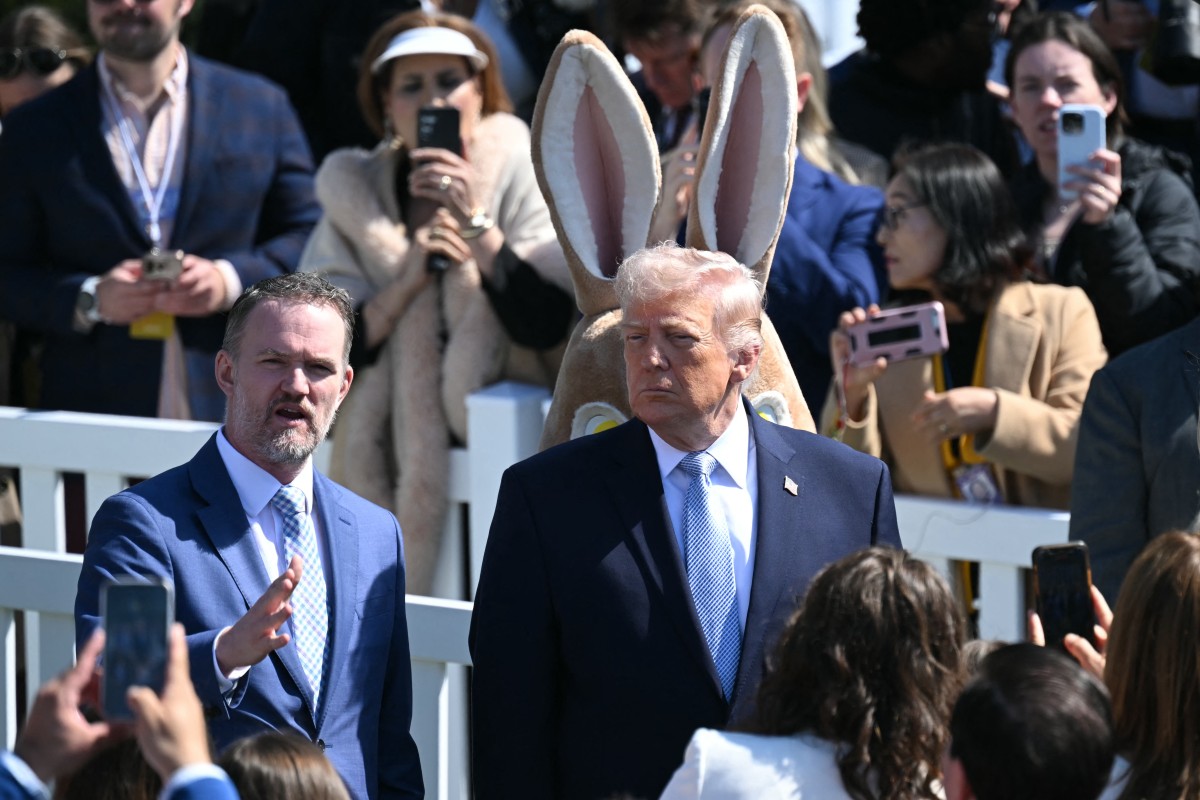
Contemporary political discourse is no longer measured solely by what a leader says, but by the meanings and symbols his words, movements, and images generate. From this perspective, the performance of U.S. President Donald Trump stands as one of the most striking semiotic models in contemporary politics—one in which language, body, and image merge into integrated tools for the production of power and influence. Donald Trump's political discourse represents an exceptional case in contemporary political literature, owing to its linguistic and semiotic characteristics, which have made it a subject of study across political science, communication studies, and political psychology.

Endless Wars in the Middle East
By
Yakzan Takki
Published
Jun 15, 2026 - 17:30

The Middle East is sinking into wars and upheavals that show every sign of worsening, more malevolent than at any previous moment. This alone is reason enough to devise solutions that might allow the world to escape its predicament — through diplomacy, through acting with sound judgment freed from instinctive reflexes, through demonstrating the limits of military power, or through some combination of these factors — including by curbing the defiance of laws and the recklessness that now prevails in the conduct of war, under what might be called the “law of the authority of the killing machine.”

The Strait of Hormuz, Mirror of the World’s Contradictions
By
Yakzan Takki
Published
Jun 7, 2026 - 06:25

The Strait of Hormuz has held the world up to a magnifying mirror of its own contradictions, much as the Covid-19 crisis did, or the wars in Ukraine and Gaza. Modern prosperity rests on global stability and the free flow of material exchanges — maritime routes, molecules, cables, ports, interest rates — within a globalisation built on the economy of contemporary reality. Faced with an energy crisis, reactions now follow a familiar pattern: rising oil prices make renewable energy more attractive, soaring gas prices heighten the importance of safer routes, and notions of reclaimed sovereignty reassert themselves in public debate.

Cinema, Politics and War
By
Yakzan Takki
Published
May 31, 2026 - 22:22

The shadow of war and politics — in the Middle East, in Ukraine, under the pressure of an increasingly threatening geopolitics — weighed heavily on the closing ceremony of the Festival's 79th edition. The most remarked-upon political address was that of Andrei Zvyagintsev, whose film Minotaur , a portrait of the Russian invasion of Ukraine seen through the disintegration of a family, was awarded the Grand Prix. The Russian director, living in exile in France, spoke directly to President Vladimir Putin: "Stop this farce. The entire world is waiting for the massacre to end, with millions of men facing each other on either side of the front line, dreaming of nothing but an end to a war that has lost its appeal on both warring sides." His words carried the distant echo of the address that Ukrainian President Volodymyr Zelensky had delivered from that same stage on 17 May 2022.

In the Shock of “Non-Politics”
By
Yakzan Takki
Published
May 24, 2026 - 05:44

The cry of the nonagenarian Stéphane Hessel in his pamphlet Indignez-vous! had awakened millions of young people to a form of liberation, after reading in that slim volume: “You have the right to anger, to refusal, to opposition.” But that cry was certainly not enough. It was at most an impulse that drove them into the streets to confront the social, political and cultural conflicts of their time. Things have genuinely changed since then, and one of the greatest victories of the dominant forces has been the discrediting of the words “activist” or “dissident”, labels sometimes deployed to attack young people who had managed to achieve substantive progress.

Walid Raad and the “Flying War Volkswagen”
By
Yakzan Takki
Published
May 17, 2026 - 15:20

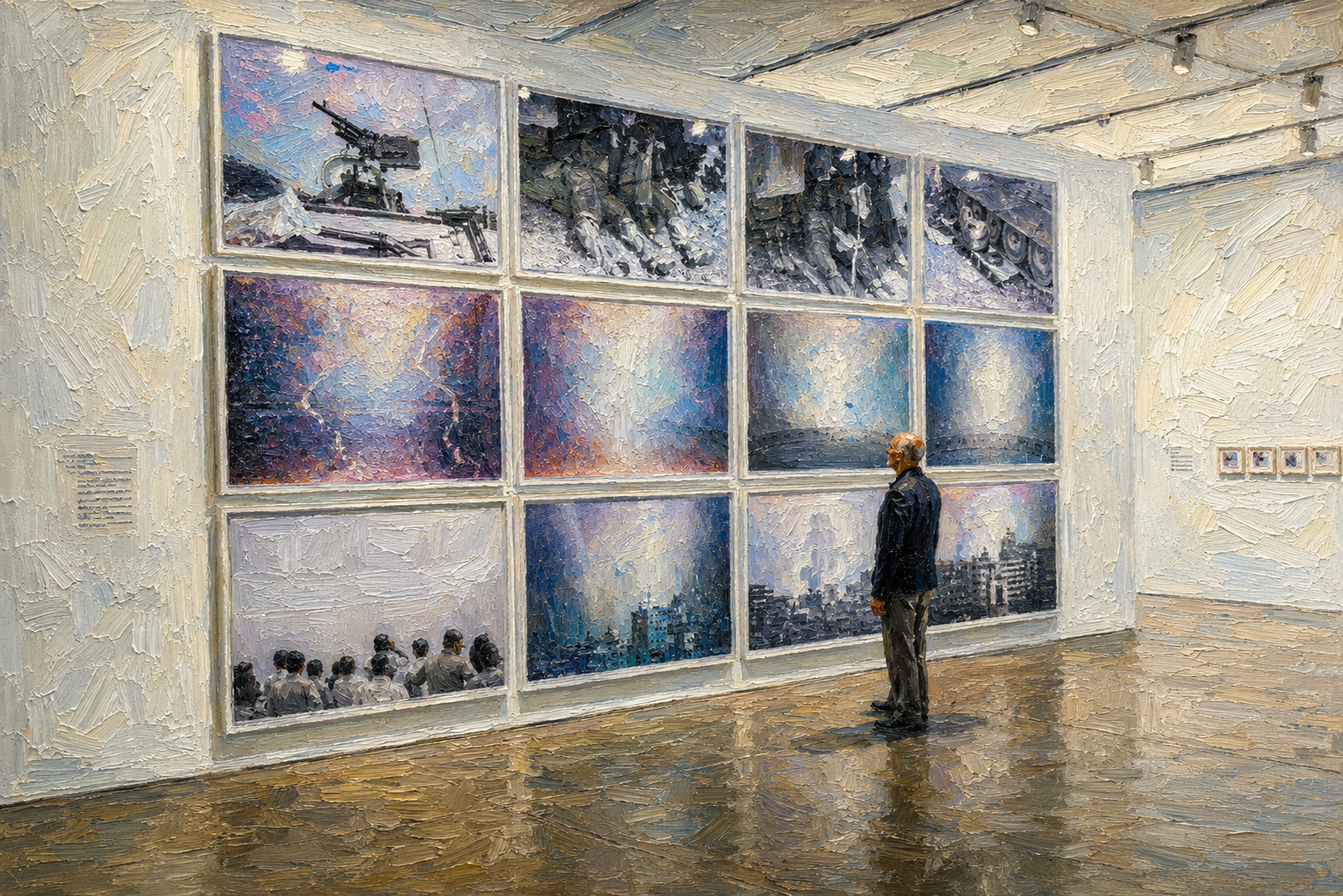
An exceptional artistic return by Lebanese visual artist Walid Raad, after forty years or so spent in New York, to exhibit his work once again at the Venice Biennale, then at the Festival d'Automne in Paris. A major exhibition that opens with the "inverted chassis" of a Volkswagen Beetle, in an avant-garde visual art space rich with inventive ideas born from the shaping of imaginaries, denouncing the organisation of wars and new bombs, without any faltering in the balance or mechanisms of conception. It is an art that weaves the play of ideas with fictional archives around the geopolitics of the Middle East and the "war market" — a market that endures on the terrain of artistic competition, allowing the best to triumph illusorily in the invention of imaginaries, imaginaries distinguished by a poetic irony constructed in the gaps of Lebanese memory.

Pope Leo XIV and the Lesson of History
By
Yakzan Takki
Published
May 9, 2026 - 14:39

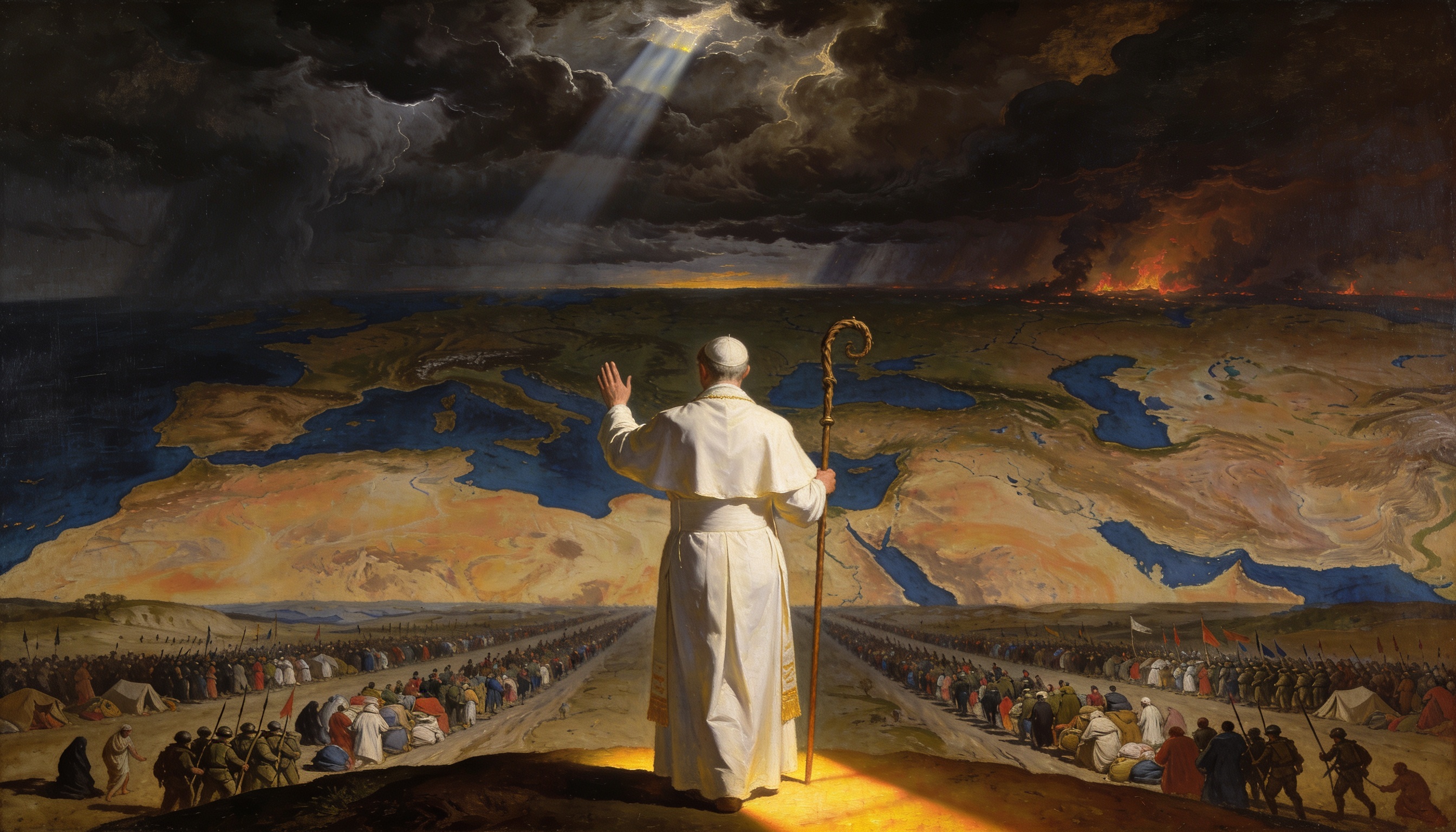
Nearly a year after assuming the Apostolic See at the Vatican, Pope Leo XIV met with American Secretary of State Marco Rubio in the first meeting between him and a senior official of President Donald Trump's administration, amid an atmosphere of mounting tensions fuelled by mutual declarations on the war against Iran and immigration policies. The first American pope in the history of the Catholic Church demonstrated firm and classical positions of the Church in promoting the values of peace and dialogue, and had to face the criticism of President Trump, who claimed that he "exposed the Church, Catholics and peoples to danger", holding that the Pope's positions suggested he "saw no objection to Iran acquiring nuclear weapons". Leo hastened to deny these accusations, reaffirming the Church's rejection of nuclear weapons and dismissing Trump's statements as "inaccurate".

The Legislative Power: Effectiveness and Independence
By
Yakzan Takki
Published
May 2, 2026 - 11:29

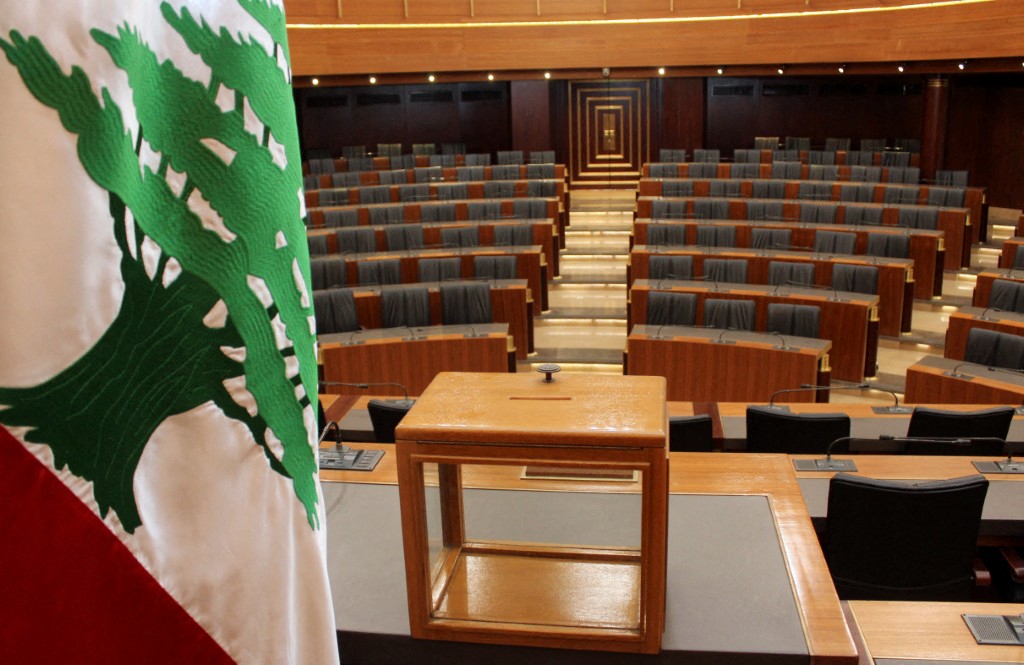
The constitutional law enacted on 21 September 1990 enriched the preamble of the Lebanese Constitution with fundamental provisions stipulating that Lebanon is a free and independent homeland, the definitive homeland of all its sons, united within its internationally recognised borders in its land, its people and its institutions, and that its identity and belonging are Arab. Paragraph (c) further provides that Lebanon is a democratic parliamentary republic. It is from this precise point that one must illuminate the effectiveness of the parliamentary regime established after the Taif Agreement, a regime that has nonetheless demonstrated its inability to build the State and its institutions, and whose faithfulness to the people that elected it on several occasions is legitimately open to question. This domain is acquiring growing importance and is now imposing itself as a vital, intensive and long-term mission, in the wake of a succession of tragic developments made up of wars and political crises confirmed on many occasions. The concept of parliamentarism has never been deemed incompatible with diplomacy, which is by nature a sovereign function devoted to addressing political, economic and social crises without the Lebanese situation improving in the process.

/