

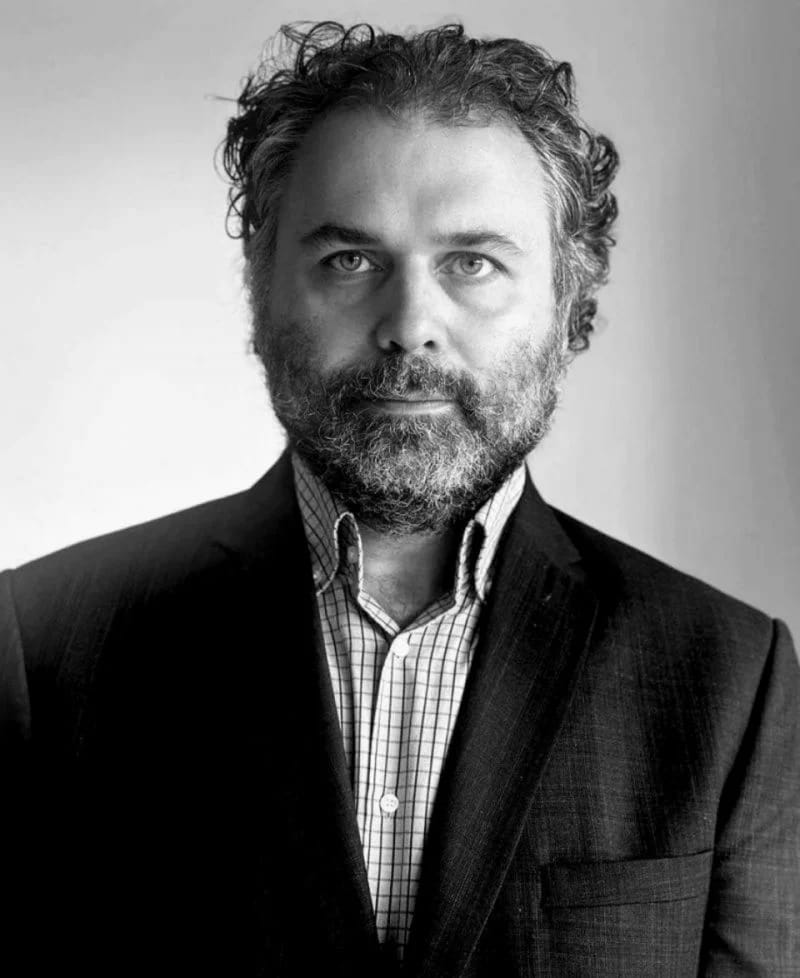

In April 2026, Wissam Saadé delivered four lectures at the University of Bologna at the invitation of Professor Giovanni Giorgini. The first lecture, entitled The Prophet and the Philosopher: The Hierarchy of Knowledge between Avicenna’s Falsafa and al-Kirmānī’s Isma ʿ ili Neoplatonism , is presented here in its revised and expanded essay form, published as a ten-part series. The series explores the intellectual landscape of Islamic Neoplatonism through a comparative reading of Avicenna and al-Kirmānī. Although both thinkers share a broadly Neoplatonic horizon, shaped by an emanationist metaphysics, a hierarchy of being, and a synthesis of Aristotelian and Platonic thought, they develop distinct philosophical projects: Avicenna within the tradition of Peripatetic falsafa, and al-Kirmānī within Ismaʿili theology. Despite these different intellectual settings, their systems remain in continuous dialogue on the nature of knowledge, the relationship between reason and revelation, and the ascent of the soul. Their respective projects also embody contrasting approaches to the political, illuminating different ways of understanding the place of philosophy in relation to authority, law, and the ordering of the community. This article is the third installment of that ten-part series.


