Levant Time logo

Sergio Safadi

Syria, Between Challenges and Opportunities: commitments to large-scale investments (3/4)

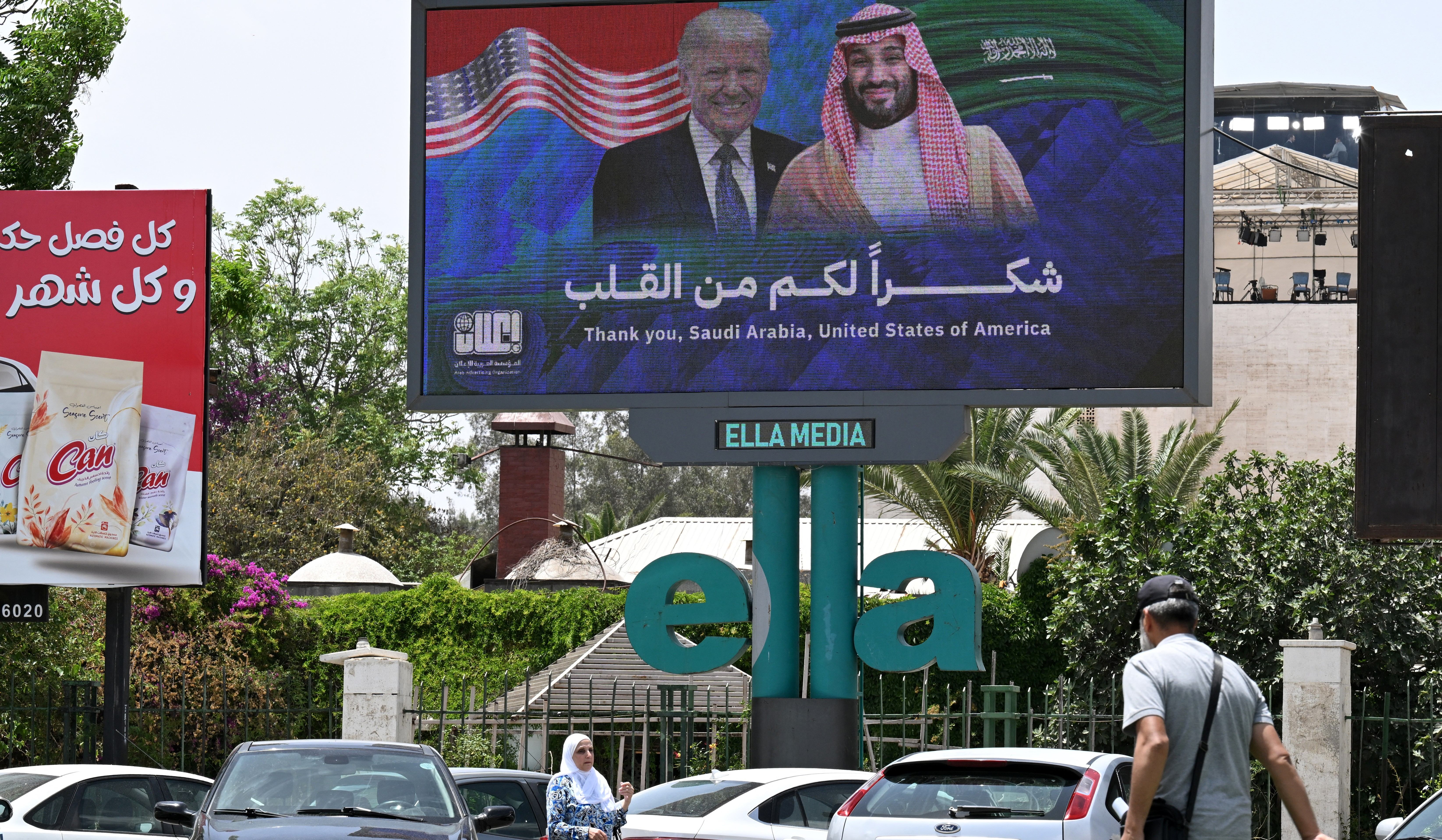
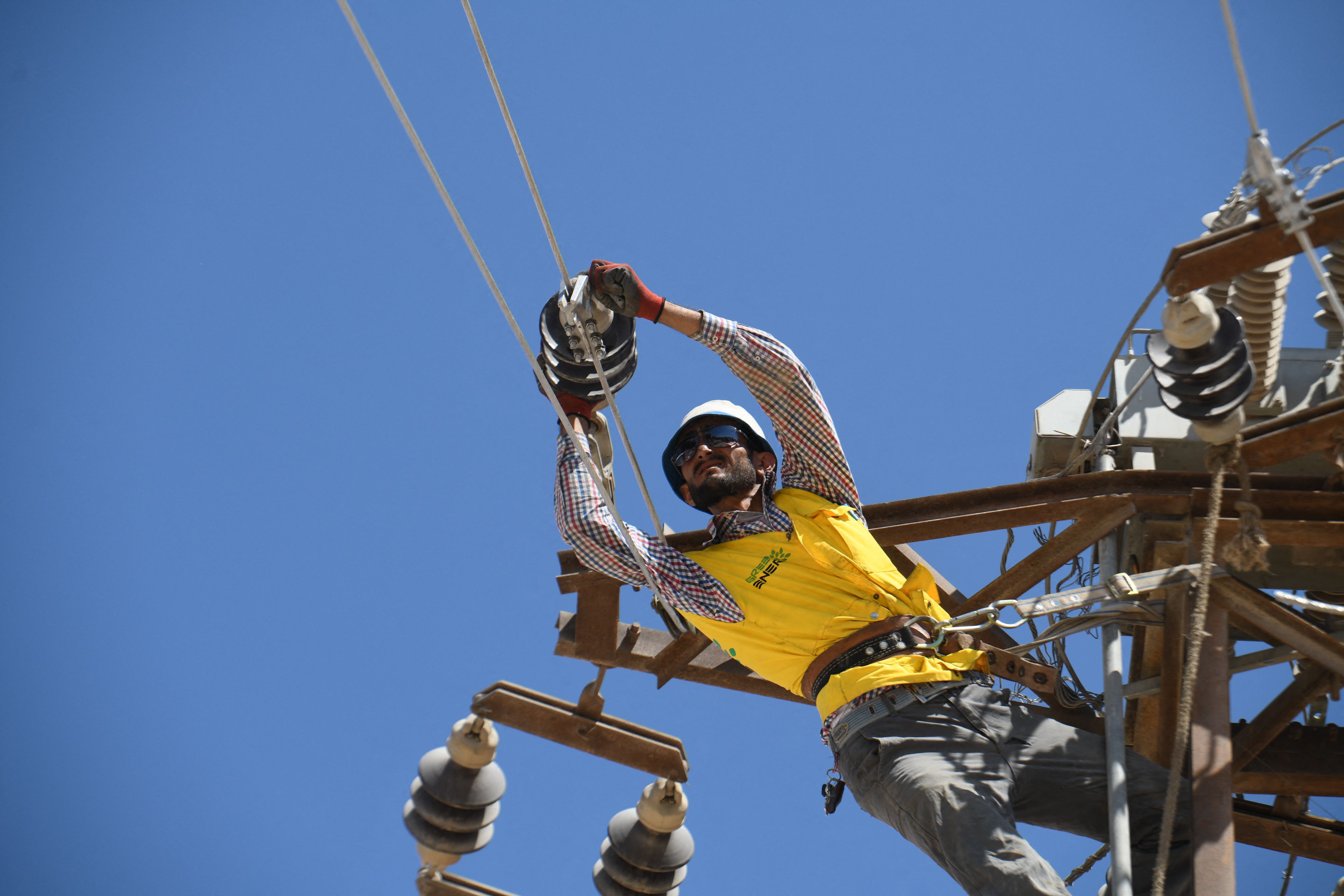
In our two previous articles, we examined Syria’s various assets as well as the numerous challenges it faces. Since the fall of Bashar al-Assad’s regime, the country has entered a new era, bringing with it huge opportunities. The formation of a new government led by Ahmad al-Charaa, and Donald Trump’s announcement of the lifting of U.S. sanctions, has triggered Syria’s reconstruction. Since then, donations, investments, and capital have poured into the country. It is therefore worth looking at the sectors that would benefit most from these capital inflows and the impact they could have on Syria’s future economic development.
Syria Between Challenges and Opportunities: Security, Reconstruction, and Reintegration (2/4)

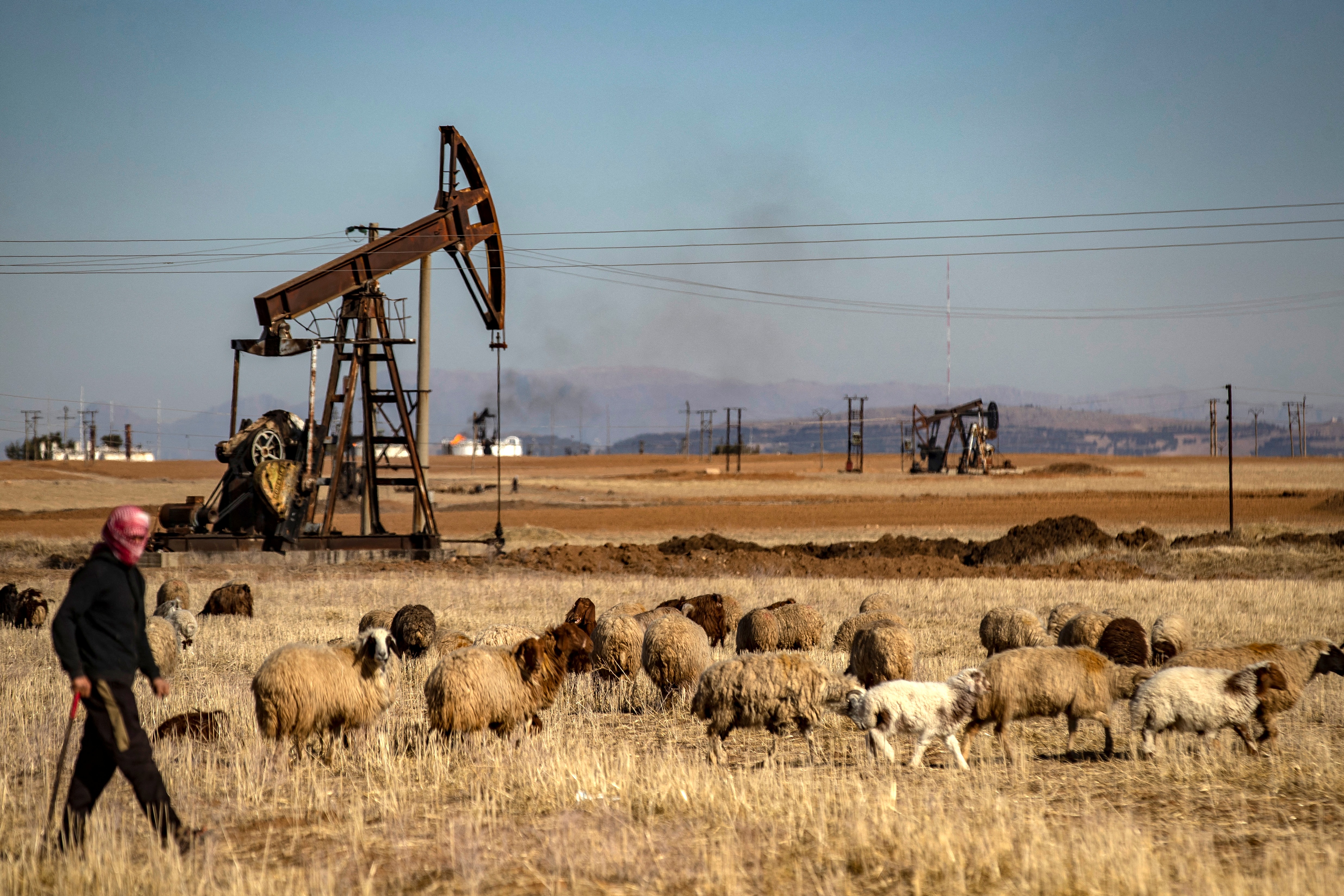
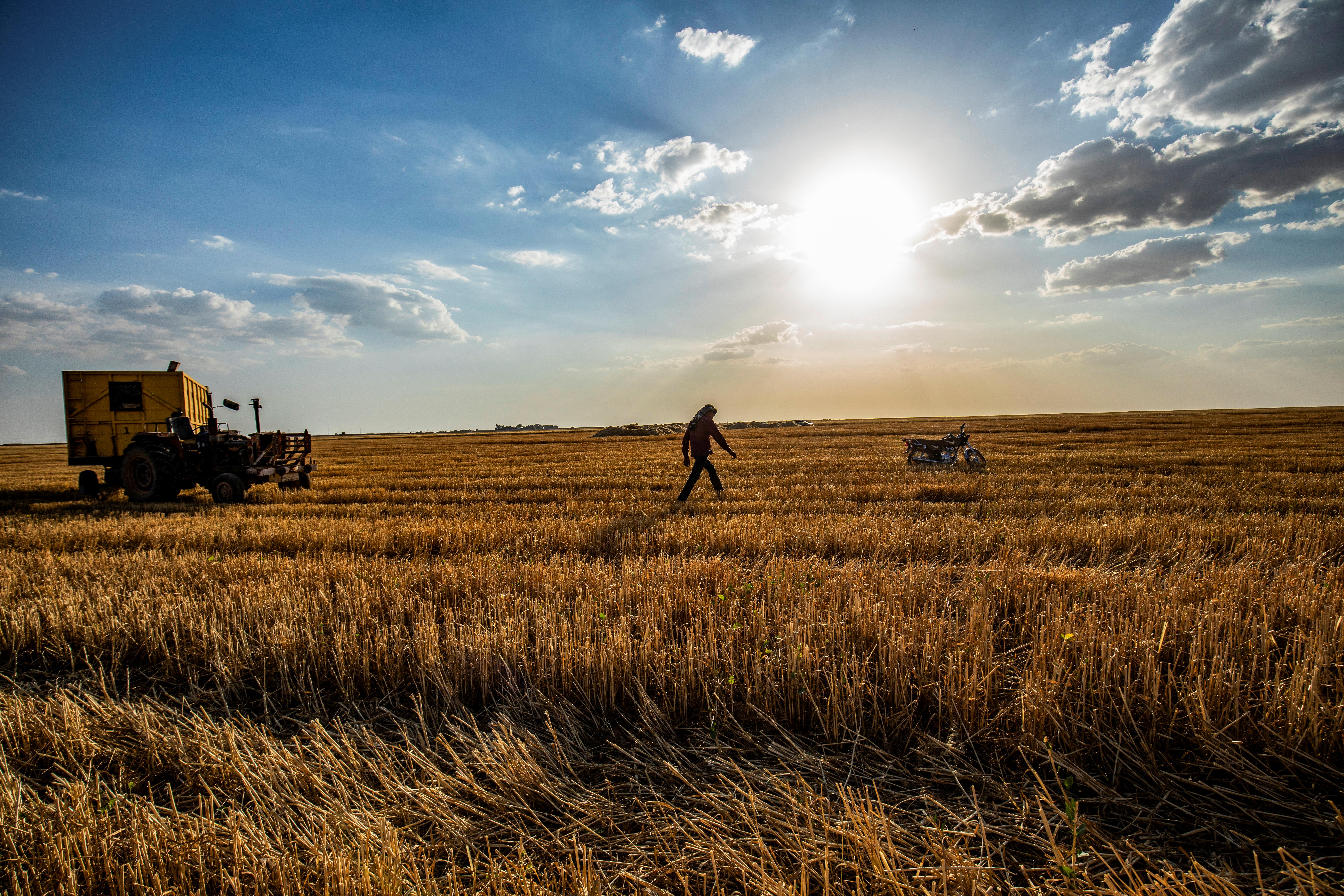
In our previous article, we explored Syria’s various economic assets. Thanks to its fertile land and strategic location, Damascus holds major—yet largely untapped—economic potential. Moreover, the fall of Bashar al-Assad’s regime in December 2024, the rise of Ahmad al-Shareh to power, the lifting of U.S. and European sanctions, and the Syrian-Saudi summit held in July 2025 have launched a new dynamic of reconstruction and reintegration into the Arab sphere and international trade. But not everything is rosy in post-Assad Syria, and many challenges still lie ahead. Security The new leadership’s first and enduring challenge remains security. After more than 13 years of civil war, during which sectarian and ethnic factions fought relentlessly, the country is still plagued by sectarian-driven unrest, particularly along the coast and in Sweida. Added to this are recurring clashes along the Lebanese border with groups affiliated with Hezbollah, as well as Israeli airstrikes.

Syria, Between Challenges and Opportunities: A New Beginning (1/4)
By
Sergio Safadi
Published
Dec 5, 2025 - 14:59

On December 8, 2024, the regime of Bashar al-Assad fell in Syria. After more than fifty years of bloody dictatorship and thirteen years of civil war that left more than 600,000 dead and displaced more than a quarter of the population, a new wind is blowing across Syria, bringing with it a wave of optimism. As in every country left in ruins after a civil war, in Syria, everything needs to be rebuilt. Thanks to its geographical location, its wealth of natural resources, and the support of the Gulf states, the new Syria of Ahmad el-Sharaa presents numerous opportunities. But at the same time, the country must face many challenges, particularly in terms of security and socio-political stability.

Lifting of Sanctions on Syria: early Signs of the Country’s Reconstruction

On November 6 th , the United Nations Security Council, driven by the United States, voted to lift UN sanctions against Syrian President Ahmad el-Chareh. This measure followed a similar decision earlier in the summer, when both the United States and the European Union ended their sanctions against Bashar el Assad’s Syria, which had been imposed during the civil war that began in 2011. The general lifting of sanctions will allow Syria to reintegrate into the Arab sphere and the global economy, paving the way for renewed investment and the reconstruction of the country. The Caesar Act The most emblematic measure among the sanctions targeting Assad’s Syria was the adoption of the Caesar Act by the United States in 2019. The law was named after a Syrian military photographer who smuggled out more than 50,000 photographs documenting abuses committed by the Baathist regime during the civil war.