
By
Jamil Kamel Mroue
Published
May 7, 2026 - 16:27
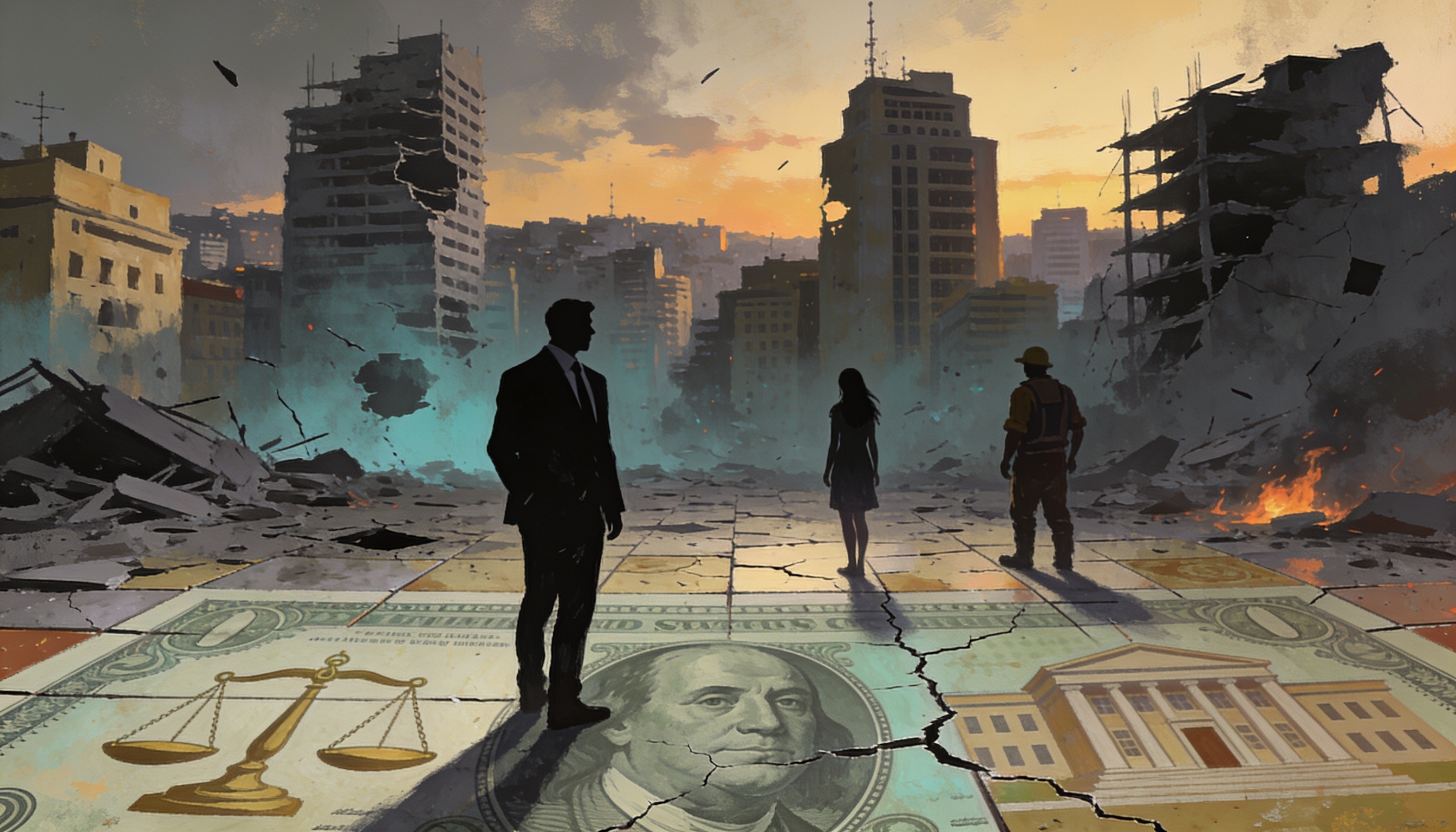
Traditional analyses of Lebanon consistently utilize the "sectarian paradigm," viewing the state as a delicate equilibrium of religious factions. However, this lens fails to account for the current systemic disintegration that transcends communal boundaries. By applying Émile Durkheim’s paradigm of Anomie, this document argues that the Lebanese crisis is characterized not by sectarian friction, but by a profound state of "normlessness" and the deregulation of social life. In this view, sectarianism is not the primary cause of collapse, but a residual survival mechanism appearing in the vacuum left by a shattered social contract.