Levant Time logo
Antoine Menassa

Antoine Menassa

IMF Concludes Its Mission: Who Will Finance the Return of Deposits?
By
Antoine Menassa
Published
Sep 21, 2026 - 18:09

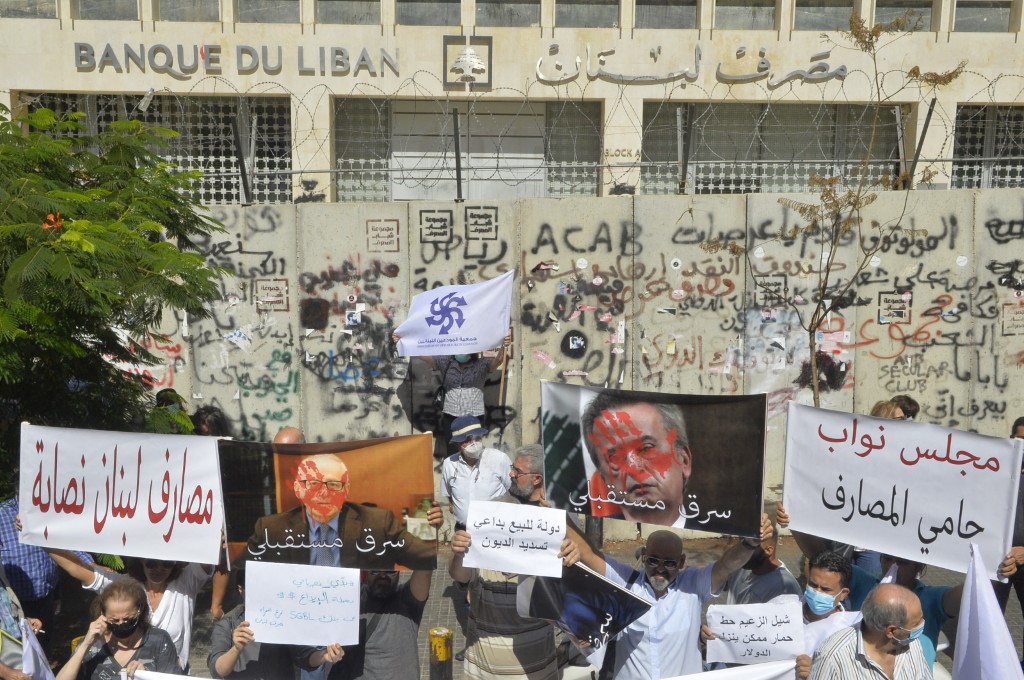
Following the conclusion of the International Monetary Fund’s (IMF) mission in Beirut, and as Lebanon prepares to make decisive decisions on the restructuring of the banking sector and the future of deposits, the country now finds itself at a critical turning point. In April 2025, I described the agreement Lebanon was seeking with the IMF as “the world’s most expensive visa.” Today, following the IMF’s latest visit to Beirut, that phrase takes on an even more obvious meaning. The staff-level agreement reached with the IMF in April 2022 involved financing of around $3 billion, subject to the completion of the required prior actions and approval by the Fund’s relevant governing bodies. Above all, the agreement was intended to serve as a certificate of confidence and credibility, enabling Lebanon to subsequently attract much larger amounts of Arab and international financing.

Fouad Chehab: The Belated Recognition of a Great President
By
Antoine Menassa
Published
Aug 18, 2026 - 12:59

As social media rediscovers the modesty and integrity of Fouad Chehab, a personal memory brings back the image of a president who sought to replace political fiefdoms with the authority of the state – and whom Lebanon fully recognized only after his death. In recent days, photographs of President Fouad Chehab have proliferated across social media. Many users now celebrate his modesty, his honesty and his sense of the state. One of these images shows him attending a Mass held in honor of the Virgin Mary in the early 1960s, on the esplanade of the Shrine of Our Lady of Lebanon in Harissa, overlooking Jounieh Bay. This photograph stirs a particularly moving personal memory.

A Financial Crisis with Deep Political Roots
By
Antoine Menassa
Published
Aug 7, 2026 - 17:19

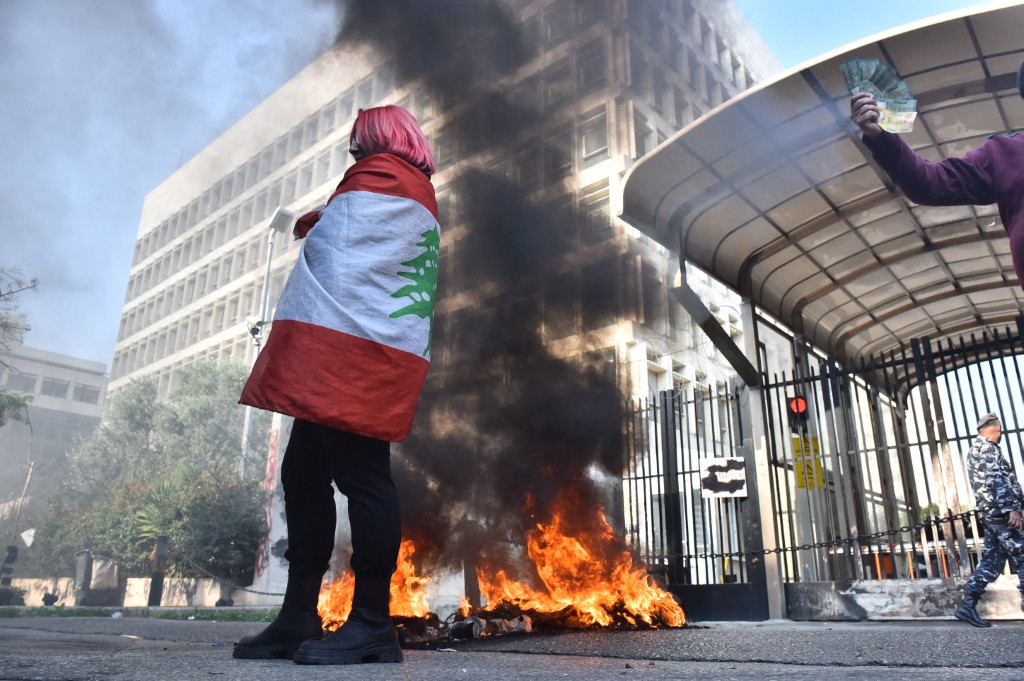
The Lebanese crisis, which officially emerged in the autumn of 2019, has been explained almost exclusively through technical factors: the financial engineering of the Banque du Liban, bank profits, the lira-dollar peg, interest rates, capital transfers, and the trade deficit and consumption. These factors do indeed warrant scrutiny, but they are not sufficient on their own to fully explain the collapse. The political, security, and administrative causes — looting of the public sector, chaotic hiring in the state administration, spending without regular budgets, clientelism, the politicization of the judiciary, smuggling, the shadow economy, and involvement in regional conflicts — have been largely overlooked. Hassan Diab's government is not solely responsible for a crisis that had been building for decades. Nevertheless, certain decisions made or endorsed during his tenure accelerated the breaking point.

Riad Salamé's dismissal of charges: the rule of law over rumors
By
Antoine Menassa
Published
Jul 23, 2026 - 17:58

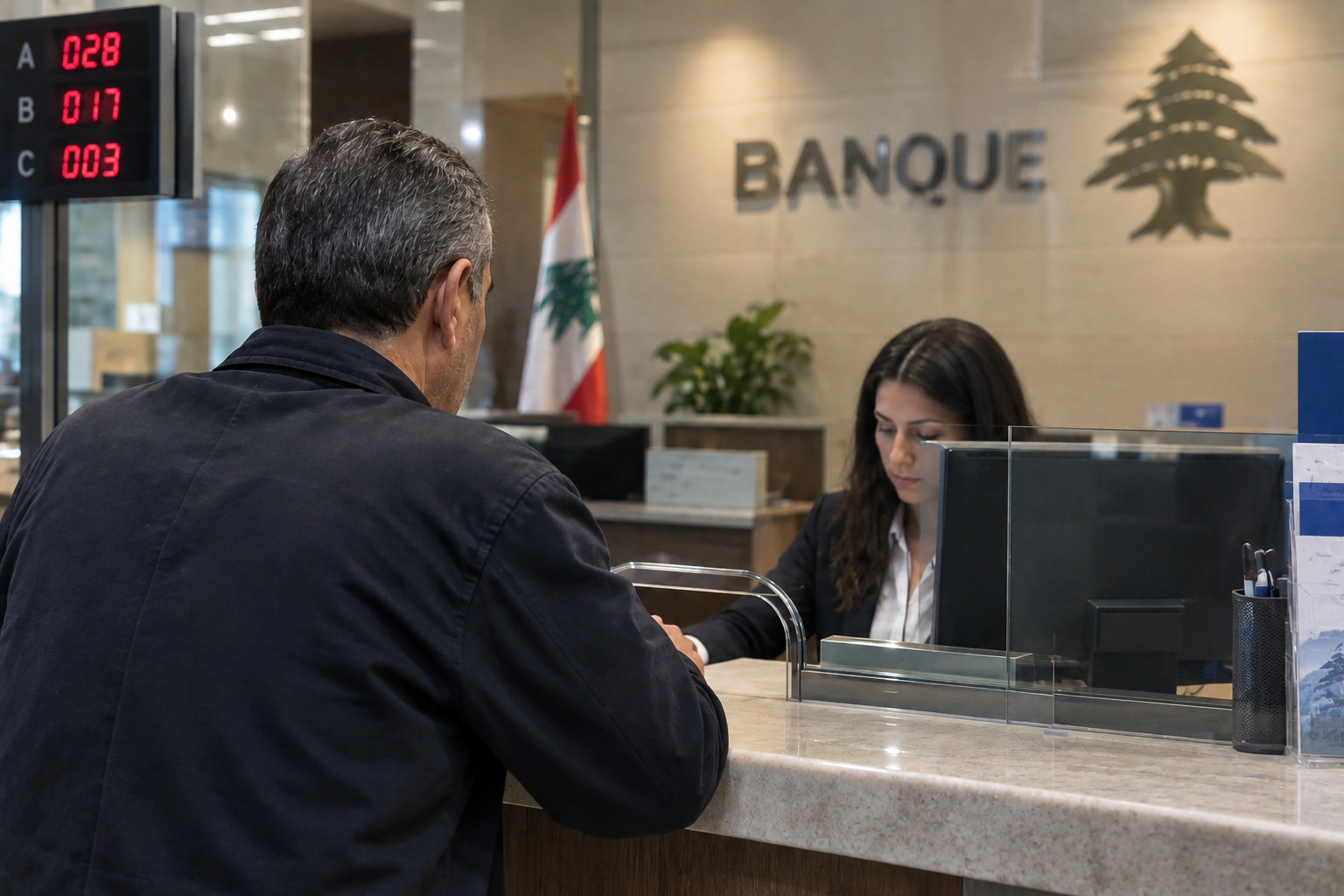
By Antoine Menassa* A few days ago, the Beirut Indictment Chamber issued a dismissal ruling in favor of former Banque du Liban Governor Riad Salamé, in the case stemming from a complaint filed in June 2021 by businessman Talal Abou-Ghazaleh. The complainant had accused Salamé of issuing circulars that altered the liberal economic system, concealing the true state of the banks' finances, and conspiring with those banks to misappropriate depositors' funds. In its decision handed down on July 14, 2026, the Indictment Chamber found that the constituent elements of the alleged offense had not been established. Applying the principles of criminal law with impartiality and independence, it placed the case back within its strictly legal framework and brought the proceedings against the former Governor to a close. This decision has been welcomed as an illustration of the role of justice, which must be guided not by public sentiment or pressure, but solely by the law and the evidence.

The Riad Salameh Affair: Seeing the Speck in Your Neighbor's Eye…
By
Antoine Menassa
Published
Jun 9, 2026 - 20:38

It is astonishing, puzzling, disconcerting – even strange and paradoxical – that one still encounters today the same reductive, partisan narratives, published by an agenda-driven press and amplified across social media, at a time when the country is facing critical developments both domestically and internationally, and when its fate has been sorely tested for decades. Regrettably, this is hardly a first. We are witnessing media manipulation aimed at creating a diversion and deflecting attention from the pressing issues of the day – chief among them a merciless war that is dragging the country towards total destruction and plunging it into an unprecedented socioeconomic and financial abyss.