

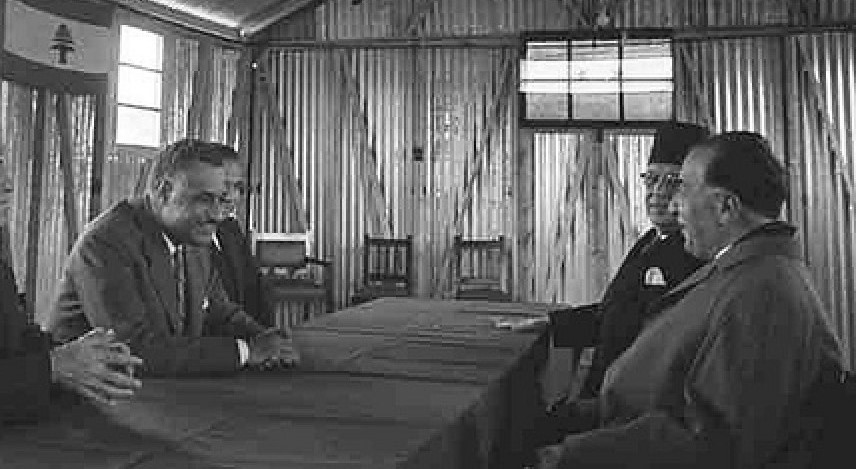
In 1957, the historian and philosopher of history Arnold Toynbee delivered a lecture at the Cénacle Libanais entitled « Le Liban, expression de l’Histoire ». After exploring the complexity of Lebanese history and its interactions with surrounding civilisations, and after analysing how Lebanon—owing to its geographic position and its multi-confessional composition —has long served as a meeting point as well as a battleground for competing religions and identities, Toynbee concluded his talk with a remarkably prescient warning. He said: If, in the Levant, the frontier between the two global empires—American and Russian—were to be drawn along the crest of Mount Anti-Lebanon, the Lebanese Republic would risk sharing the fate of the State of Israel. Like Israel, Lebanon would not be viable if it were to find itself in a permanent state of hostility with its neighbors to the East.