
Levant Time logo
Lebanese Centre for Research and Studies

Lebanese Centre for Research and Studies

The Shia Question
By
Lebanese Centre for Research and Studies
Published
Apr 13, 2026 - 13:35

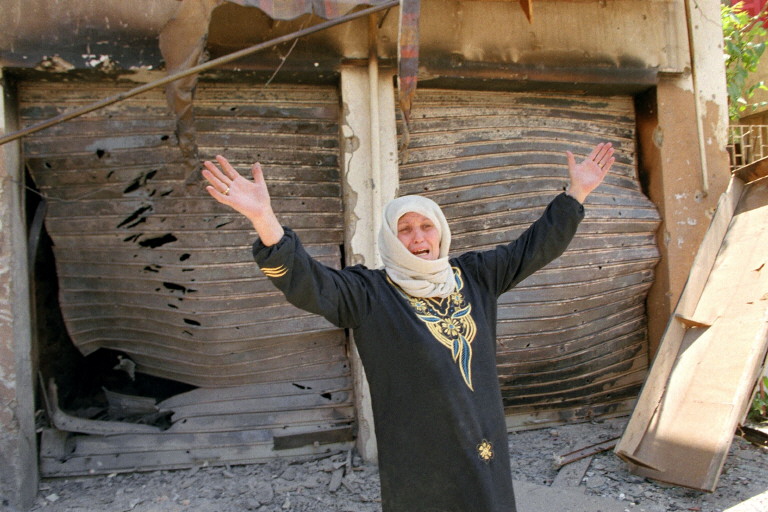
A “Shia question” has now forcefully emerged within Arab reality — a reality that is not isolated from its regional environment or from the policies of the major powers. Some argue that the “Shia question” reveals, in certain of its manifestations and circumstances, a weakening or a wavering of Arab Shia loyalty toward their national states, owing to an Iranian centralism that seeks to extend its influence throughout the Arab region by exploiting existing vulnerabilities and creating new ones in the foundations of those states. Those Shia targeted by this accusation respond collectively, arguing that their movements in their respective countries arise either from the raising of grievances and a demand for political and social justice — Iraq and the Gulf countries being cases in point — or from a commitment alongside their compatriots to the duty of resisting Israeli aggression, as in Lebanon and Palestine.
Toward a Sunni NATO?
By
Lebanese Centre for Research and Studies
Published
Apr 3, 2026 - 09:09

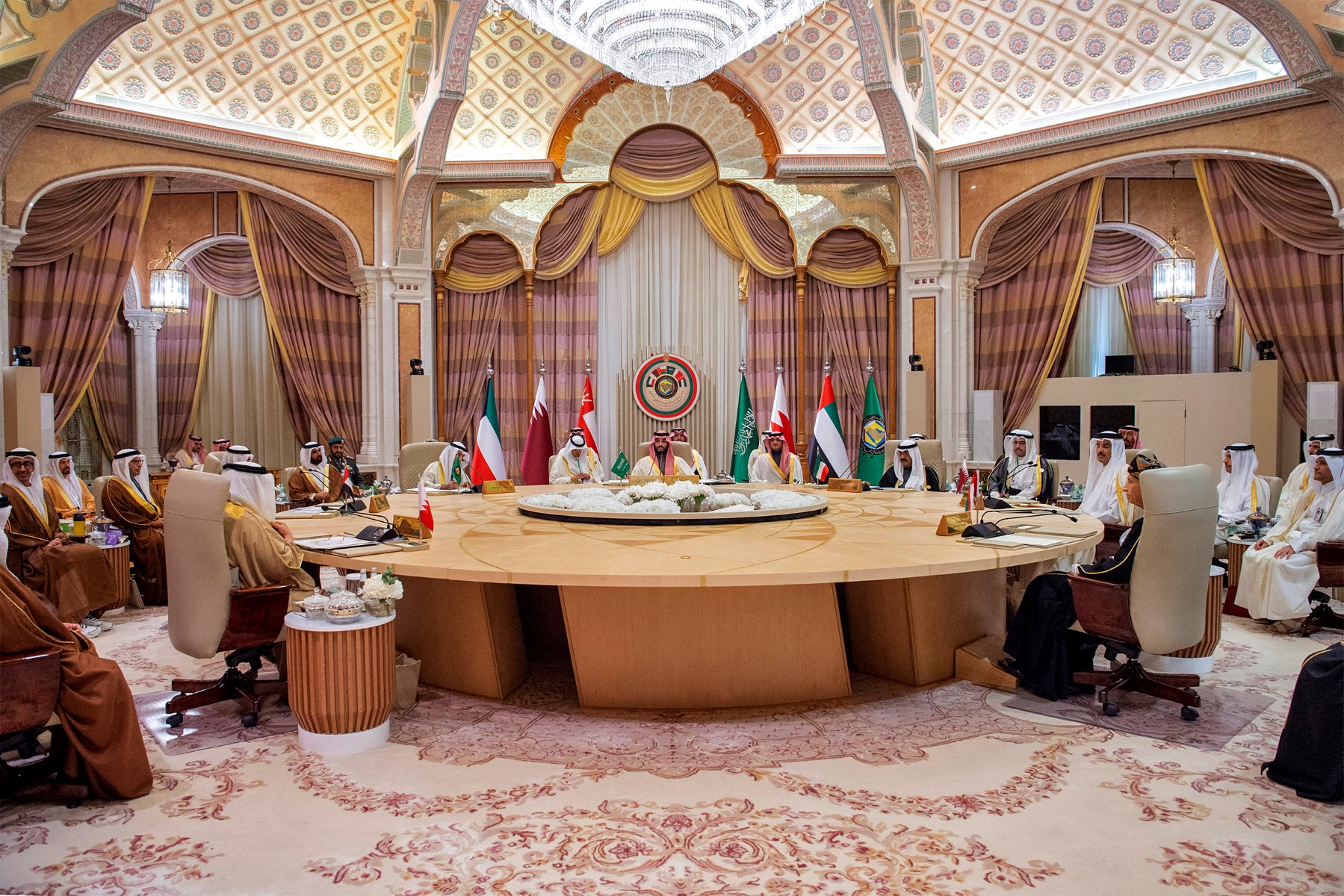
It all goes back to 1998 — May 30 to be precise, the date on which Pakistan conducted its last nuclear test in the sands of Kharan, in Balochistan. The program, from the bomb to its entire development chain, had been financed by Saudi Arabia, with American and Israeli approval. Both capitals had consented to Islamabad joining the nuclear club in order to establish a strategic counterweight in the India-China-Pakistan triangle, at a time when Beijing and New Delhi had already crossed the threshold of nuclear armament. It was then that speculation multiplied around Iran's intention to develop a military nuclear program under civilian cover — a prospect that Tel Aviv and Washington deemed unacceptable. The Pakistani bomb, Sunni, was meant to impose a balance in the Far East; an Iranian bomb, Shia, would create an unprecedented balance of power in the Middle East, a region where Israel considers itself the foremost strategic actor. The directive imposed itself: Iran could not be allowed to acquire nuclear weapons. Tehran, for its part, never ceased to reaffirm the peaceful nature of its ambitions, with no military objectives in this domain.